
 Prefer Jewish News on Google
OPINION: It has been a depressing, yet strangely positive year
Solidarity and kinship have shaped the past 12 months
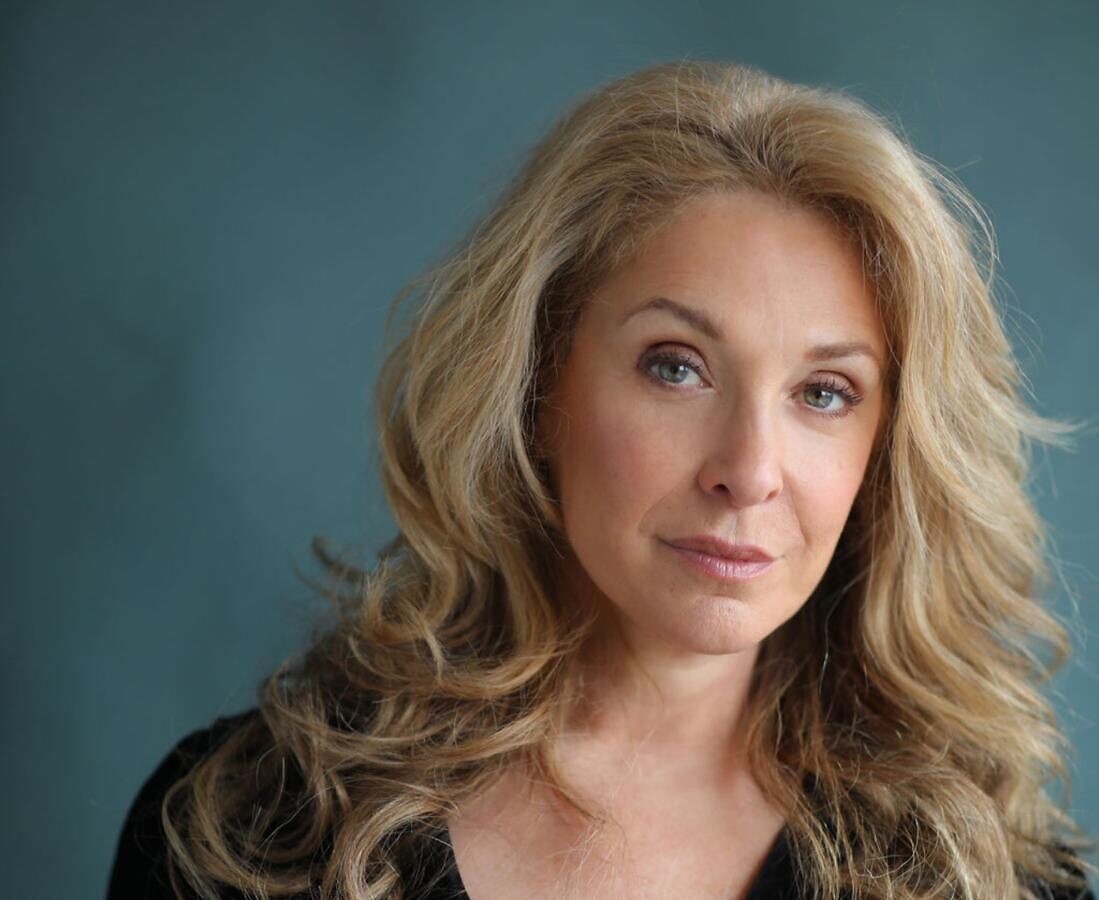
Last Rosh Hashanah I was deep in rehearsals for The Merchant of Venice, 1936. What began as a modest project with a brilliant company grew into something bigger than I could ever have hoped: a West End transfer, a national tour that sold out within days, and now a filmed version by David Parfitt so the work can reach an even wider audience.
The piece was always personal to me – a way to channel the spirit of my great-grandmother and remind audiences that antisemitism long pre-dates the modern State of Israel. The same slurs, the same banners, the same poisonous chants. I wanted to spark debate and show that immigrants have more in common than the differences used to divide us.
In the same period, I stepped back into EastEnders after 20 years – surreal, exciting and with huge press interest.
My career has felt unusually varied in 2025: playing Mae West in a radio play I wrote (shortlisted at the BBC Audio Awards), working with Harlan Coben on his new Netflix series Runway (juggling schedules around the tour), and being awarded an MBE in the King’s Birthday Honours for Holocaust education and combating antisemitism.
That recognition meant the world, because it acknowledged both the art and the activism that now feel inseparable in my life.


As Rosh Hashanah approaches, there’s fresh work. I open 23 October at Hampstead Theatre in Richard Greenberg’s The Assembled Parties, a dazzling, layered play about a Jewish family in New York in 1988. It’s witty, moving and quietly profound — a privilege to end such a turbulent year with a story that resonates so deeply. I’m very excited for audiences to see it, but I write l this knowing that many of my contemporaries have found it impossibly hard this year, both in the National Health Service and in the arts – two of many places where antisemitism and Jew-hatred have reared their heads.
I was appalled to see comedians Rachel Creeger and Philip Simon have their Edinburgh Festival shows pulled at the last minute. The publishing community say it’s impossible to get Jewish work commissioned which leaves great friends like Simon Schama expressing doubts that his landmark BBC series The Story of the Jews would even be greenlit today.
There has been a litany of normalised antisemitism in the news. Too many with no real knowledge of Israel, Hamas and Gaza, post streams of ill-informed, fake information, with no way to counter such a narrative. The medieval tropes I point out in Merchant of Venice 1936 – Jews as baby killers, warmongers, internationalists, untrustworthy – have been recycled and it hurts. Gary Lineker’s rat emoji might seem trivial, but it landed hard. Author Vasily Grossman whose book, Stalingrad I’ve just finished reading says, “Show me what you think about Jews, and I’ll show you yourself.”
But out of this bleakness, something positive has emerged: a new solidarity. Jewish creatives have often been a disparate bunch, working in individual bubbles. But since October 7 we have all felt the discomfort of being a Jew in the arts in a moment where anti Zionism has bled so easily into antisemitism. So we have gravitated together – actors, writers, directors, including Jason Isaacs, Amy Schumer, Elliot Levey, Sacha Baron Cohen, Nicholas Hytner, Mark Rosenblatt –have come together and formed a really strong alliance of support, sadness and concern.
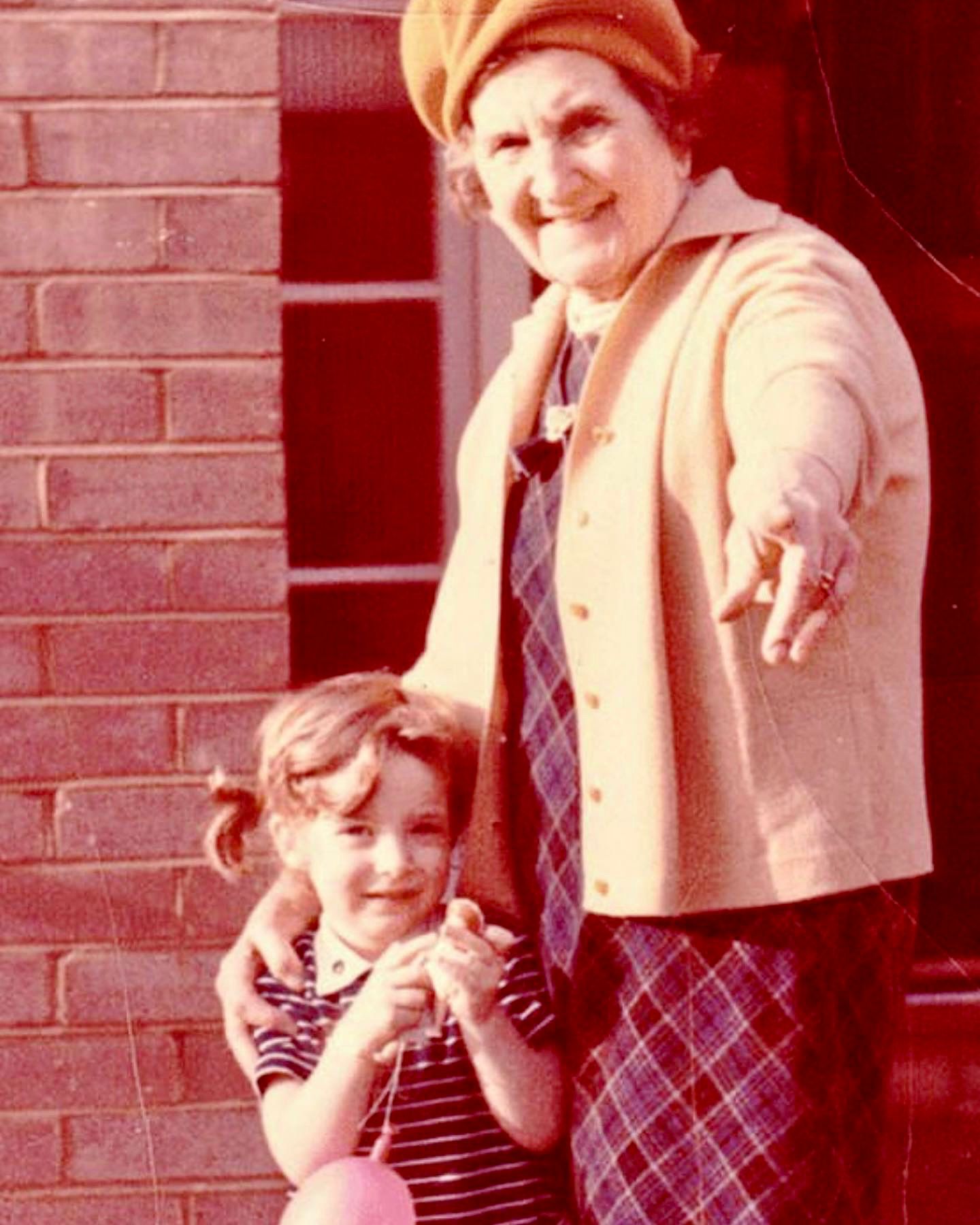
As my Bubba used to tell me, recalling pogroms in her shtetl: “When your village is burning and your neighbours don’t help you, you must help yourselves.”
Not a day goes by without a sense of solidarity going on behind the scenes and that spirit of kinship has shaped this year more than anything else. That’s why my conversation with Labour minister Lisa Nandy mattered so much, when she and Chris Bryant came to see Merchant. We spoke frankly about my fear that Jewish British stories are being erased. We are more than Schindler’s List and Fiddler on the Roof. I expressed my hope that our community which has played an important role in Great Britain since William the Conqueror, will not see its’ stories erased by commissioners and gatekeepers. And Lisa Nandy took this very seriously.
So I step into the New Year feeling grateful but also watchful. I know that I’m in a fortunate position, because I’m not feeling the brunt of being cancelled, when so many of my fellow Jewish performers are. The golden ring we’re throwing around each other at the moment can only be a positive thing.
Rabbi Sacks once said: “Any society that allows Jew-hatred to flourish will soon see all other evils follow.” My prayer for 5786 is that sanity, empathy and courage return to our public spaces. And that the little girl I once was, taken at four years old to walk alone through Yad Vashem – a moment that has defined my life – can continue to turn that pain into positivity for my community and beyond.

Keep community journalism free.
Jewish News is free for everyone. No paywall. No barriers. Just trusted journalism for anyone who wants to stay connected to Jewish life in Britain.
If you value that, please support us.
From as little as £5 a month, you can help keep our journalism free and accessible to all.
Every day, we report on the issues that matter to our community. We celebrate achievements, support charities, challenge antisemitism and ensure Jewish voices are heard more widely.
From as little as £5 a month, you can help us continue to:
- Report on the stories shaping Jewish life in the UK and beyond
- Bring our community together through shared stories, events and campaigns
- Celebrate the people, culture and moments that define our community
- Support organisations doing vital work across Jewish Britain
You can make a one-off donation or become a regular supporter. Every contribution helps keep our journalism free, independent and accessible to all.
If everyone who values Jewish News gave a small amount, it would make a real difference to our future.





















