Prefer Jewish News on Google

OPINION: My great-grandfather fought fascists in Manchester. I’m proud to be a British Jew
We overcame the expulsion, discriminatory laws and fascism, so we’ll overcome today’s challenges too, writes Anshel Pfeffer
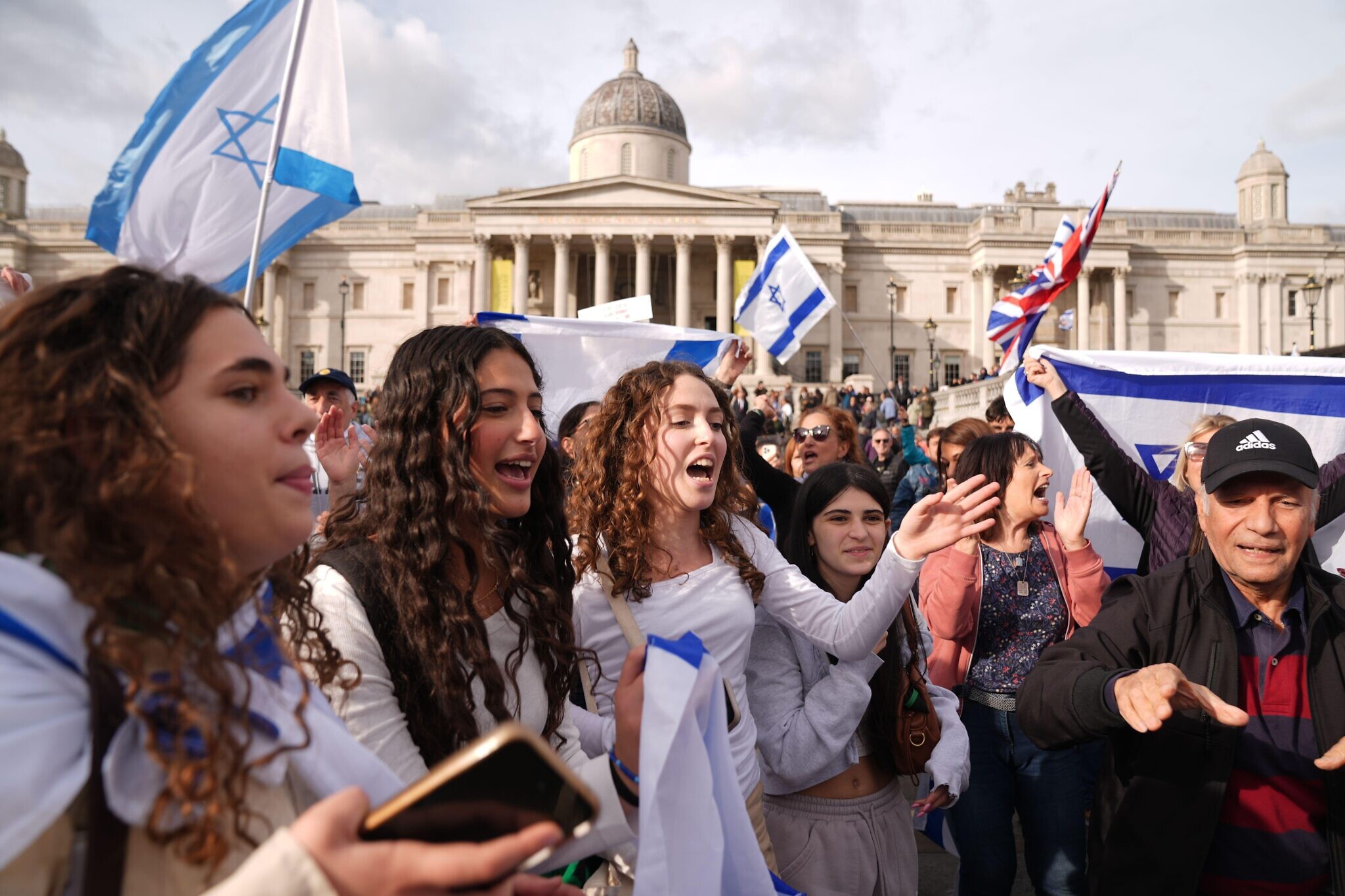
In 1934, Sir Oswald Mosley opened the northern headquarters of his British Union of Fascists on Northumberland Street in Manchester, smack in the middle of one of the city’s most Jewish neighbourhoods. Which had great attraction for the Mosleyites, who enjoyed marching through the area taunting and picking fights with Jews.
Three years later, the BUF had fallen on hard times as donations dried up and they stopped paying the rent on the building. A local Jewish businessman pounced on the opportunity to buy the property and evict the fascists. He gave it to his growing community, who needed a larger shul, and to this day Machzikei Hadass, or MH as we call it, is at the heart of Hasidic Manchester.
I love that story of how the blackshirts were replaced by the black hats, partly because the wily businessman was my great-grandfather Avrohom Yaakov Pfeffer and Machzikei Hadass is our family shul, at least it was until most of the Pfeffers left Manchester and those still there found it becoming a bit too frum for their liking. But mainly I love the story for what it tells us about the resilience and creativity of British Jews and the failure of fascism in Britain.
In an alternative 1930s timeline, you can easily imagine how the opening of a fascist headquarters scared the Jews away. It happened in many other European cities. Not in Manchester. The fascists are gone, and Jewish life has continued to flourish there.
I wish I could have interviewed my great-grandfather about his story, but he died before I was born, and all we have is a family myth, backed up by a few lines in the scholarly research about fascism and Jewish history in Britain, and a marble plaque in MH commemorating his donation of the building.
I’ve spent a large chunk of my career covering and writing about attacks on Jewish communities around the world. One of the most prevalent responses I’ve had from readers (usually Israelis or Americans) has been, “What the hell are Jews still doing there?” My answer is always, “Who do you think you are? You don’t get to tell other Jews where to live. That’s not how Jewish life works.”
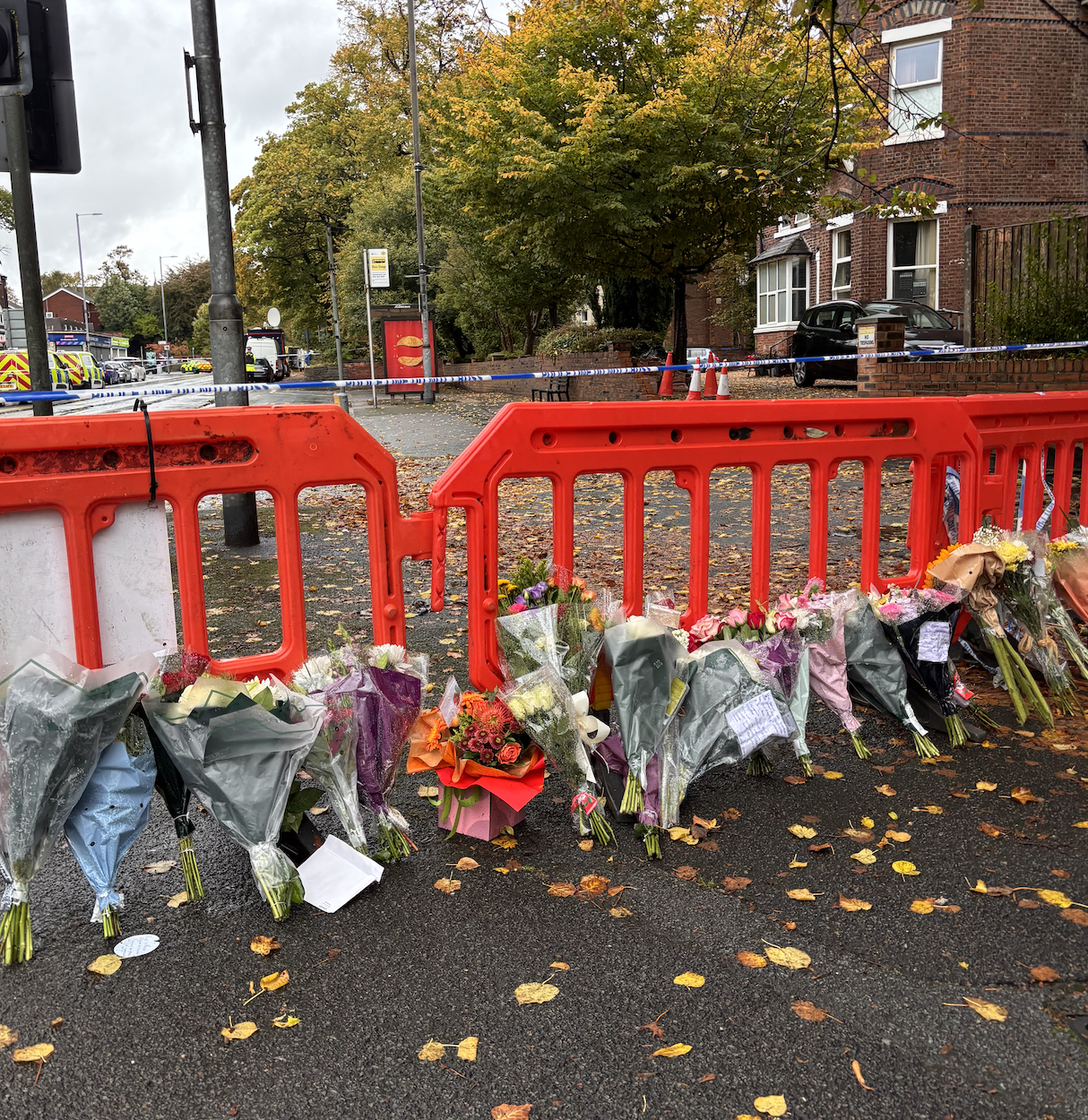
On Yom Kippur, as news broke of the terror attack on Heaton Park shul, just 20 minutes away from where we once lived in Manchester, I found myself having that argument with myself in my head. What the hell are we still doing in so many places where people hate us so much?
Actually I’ve been having that argument with myself for the past two years. Since 10 October, when reporters were first allowed into one of the kibbutzim that had been devastated by Hamas three days earlier and looked at the piles of bodies being removed from the burnt-out homes. Driving back in shock, I realised I had just witnessed the biggest massacre of Jews since the Holocaust. And it had just taken place in the state that Jews had built as their one secure place on the globe!
And now it’s happened next to Heaton Park, where we used to play as children. Where is a yid going to live if it’s happening both in Israel and Manchester? How are we to keep another generation of Jewish children alive, safe and confident to continue living their lives proudly as Jews, however they choose to live them?
There isn’t one answer. There can’t be. That’s not how Jewish life works. Every Jewish individual and community adapts. And no community has done so better than British Jewry.
Even though I have not lived most of my life in Britain, I couldn’t be prouder of being a British Jew. Quite often I’m prouder of that than I am of being an Israeli. I was certainly much prouder of my community of birth when Yom Kippur ended and the statements from Israel’s prime minister and foreign minister came out blaming the British government for failing to act against antisemitism. The government on whose watch more Jews were murdered than under any other in the world in our lifetimes has nothing to teach the British about how to deal with antisemitism. They need to take responsibility for their failings before lecturing others. If anything, they should learn from the Jews of Britain what responsibility means.
British Jews have overcome every challenge history has thrown at us. From King Edward’s Edict of Expulsion in 1290 (for which the Royal Family has shamefully never apologised) to rebuilding from Oliver Cromwell’s resettlement in 1656, despite a bigoted establishment and centuries of discriminatory laws. Just in the past 125 years we’ve faced pogroms in Wales in 1911 and Cheetham Hill (Manchester again) in 1947, Alien Acts preventing Jews from saving themselves from Nazi Germany (yes, the kindertransport was the exception, not the rule), the fascists in the 1930s and neo-Nazi arson attacks in the 1960s. When the rise of Corbynism ushered in a new fear of a left wing consumed by Jew-hatred masquerading as “anti-Zionism”, the community came together until the decency of the British public emerged to trounce Corbyn in the 2019 General Election.
The Heaton Park murders won’t change that. Because this is how Jewish life works in Britain. You don’t cower behind walls or cancel Jewish events. You recognise the threat which is always out there evolving. You act. You don’t wait around for the government to take care of your security. You put in place a communal body of professionals and volunteers (ask anyone, anywhere, in the Jewish world; they will tell you the CST is the gold standard which every other community struggles to emulate), do your risk assessment and, just like our parents and grandparents did, carry on.
- Anshel Pfeffer is The Economist’s Israel Correspondent

Keep community journalism free.
Jewish News is free for everyone. No paywall. No barriers. Just trusted journalism for anyone who wants to stay connected to Jewish life in Britain.
If you value that, please support us.
From as little as £5 a month, you can help keep our journalism free and accessible to all.
Every day, we report on the issues that matter to our community. We celebrate achievements, support charities, challenge antisemitism and ensure Jewish voices are heard more widely.
From as little as £5 a month, you can help us continue to:
- Report on the stories shaping Jewish life in the UK and beyond
- Bring our community together through shared stories, events and campaigns
- Celebrate the people, culture and moments that define our community
- Support organisations doing vital work across Jewish Britain
You can make a one-off donation or become a regular supporter. Every contribution helps keep our journalism free, independent and accessible to all.
If everyone who values Jewish News gave a small amount, it would make a real difference to our future.