Prefer Jewish News on Google
OPINION: Sukkot reminds us not to close the door on refugees
As the festival ends, Jewish groups urge peers to back an amendment limiting the Government’s refugee citizenship ban

It’s been another momentous High Holy Day period for our community. We have again faced immense grief at this time after the horrific Yom Kippur attack in Manchester. Yet there has been cause for hope too. Both of our organisations saw an outpouring of solidarity from our faith and civil society contacts, sharing our pain in the aftermath of Heaton Park. And while we remain devastated by the events of 7 October, the plight of the hostages, and the appalling subsequent humanitarian catastrophe in Gaza, this week’s ceasefire brings a glimpse of a more peaceful future for all.
But while there is much for our community to grapple with, Sukkot also demands that we continue to look outward. In many ways, this is a festival about migration and refuge – one where we reflect on our own journey of escaping persecution and the challenges of impermanence. It’s hard not to feel the fragility of seeking sanctuary while sitting under the roof of a flimsy Sukkah.
Yet as the festival ends, a reality remains: our community here in the UK will return to the security of a permanent home. We may face challenges, but the British Jewish community is an integral part of UK society, able to enjoy our rights and play a role as equal, respected citizens. Our challenge, therefore, must be to remember that the temporary dwellings we build call us to be open and to not exclude others.
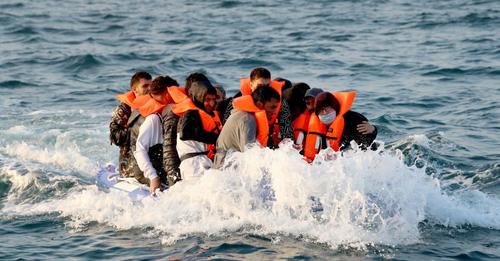
It’s for this reason that HIAS+JCORE and René Cassin speak out against the government’s refugee citizenship ban. Introduced in February this year, it effectively blocks anyone who entered this country irregularly from ever becoming a British citizen.
https://www.politicshome.com/
Perhaps, on first reflection, you might think, ‘Fair enough.’ But the truth is, with safe routes to this country unavailable to almost everyone seeking safety – including those escaping countries like Sudan, Iran, and Eritrea – there’s no alternative to irregular journeys. This policy won’t stop the boats. It won’t tackle division or bring our communities together – quite the opposite, in fact. All it will do is punish people who deserve far better. That’s all before you consider that it may well violate the Refugee Convention – international law introduced in the shadow of the horrors of the Holocaust.
Maybe you would also question why this issue should concern us. But our organisations both feel strongly that our Jewish experience compels us to act. From our original exodus from Egypt to more recent persecution, we know how much it hurts to be excluded from society. On the flipside, many British Jews were able to become citizens after seeking refuge here, going on to achieve great things. When the rights we benefited from are stripped from others, we have a moral duty to speak out.
At a joint event last week, we heard firsthand what it means to receive or be denied citizenship. The Rt Revd Dr Guli Francis-Dehqani, a truly remarkable leader of compassion who arrived here as a child refugee from Iran, spoke of what citizenship had enabled for her and for many others. But we also heard from Madeline, who, through no fault of her own, faces an almost insurmountable challenge to becoming a British citizen. We felt such pain when she explained how this policy makes her feel excluded from fully participating in our society. Imagine how it would feel to be told, ‘You are not accepted; you do not fully belong.’
Ultimately, that’s the reality of being blocked from citizenship. You can’t vote in general elections or stand for office. Work for the Civil Service. Feel the security of being a fellow Brit, rather than relying on an immigration status that could be taken away. People were judged not on who they are and why they needed to seek safety here but on how they were forced to reach it.
This week, peers in the House of Lords will consider an important amendment that would limit the application of the citizenship ban. At this critical moment, we urge you to stand with us and call for this policy to be reconsidered. Together, we can ensure that we show refugees solidarity and compassion, ensuring they have the same opportunity we once did to integrate fully into the country we now call home.
- HIAS+JCORE is the UK Jewish voice for refugees and racial justice.
- René Cassin is the Jewish human rights charity inspired by the Universal Declaration of Human Rights.

Keep community journalism free.
Jewish News is free for everyone. No paywall. No barriers. Just trusted journalism for anyone who wants to stay connected to Jewish life in Britain.
If you value that, please support us.
From as little as £5 a month, you can help keep our journalism free and accessible to all.
Every day, we report on the issues that matter to our community. We celebrate achievements, support charities, challenge antisemitism and ensure Jewish voices are heard more widely.
From as little as £5 a month, you can help us continue to:
- Report on the stories shaping Jewish life in the UK and beyond
- Bring our community together through shared stories, events and campaigns
- Celebrate the people, culture and moments that define our community
- Support organisations doing vital work across Jewish Britain
You can make a one-off donation or become a regular supporter. Every contribution helps keep our journalism free, independent and accessible to all.
If everyone who values Jewish News gave a small amount, it would make a real difference to our future.