OPINION: The lessons of an emotional march
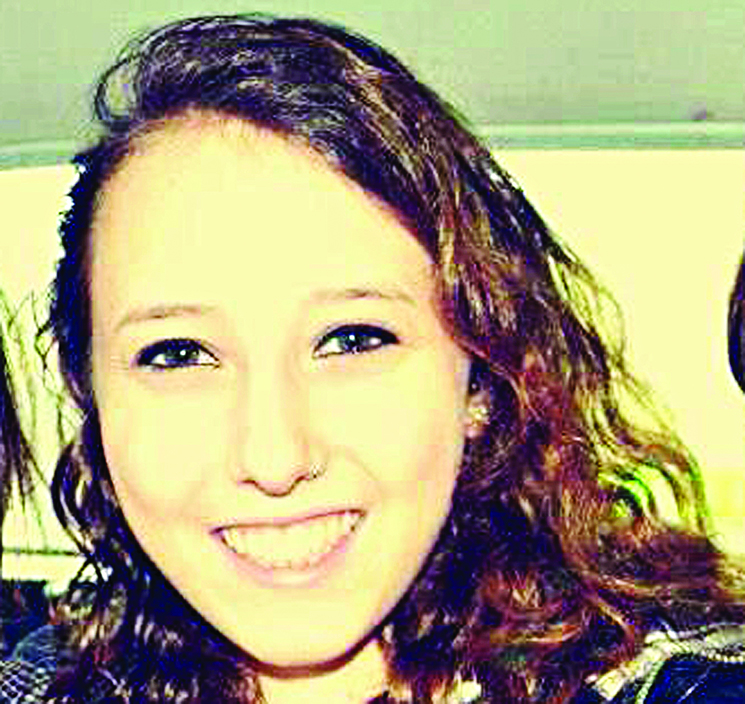
By Daisy Bogod

Before attending March of the Living, I had a somewhat basic understanding of the Shoah. During the trip, I learnt how it worked. I walked through the routes taken by the two groups of prisoners in Auschwitz-Birkenau: the groups taken straight to the gas chambers and the groups stripped, shaved, disinfected, tattooed and crammed into barracks of thousands to await inevitable death.
Majdanek was perhaps the most visual. I remember most clearly a small room separated from the gas chambers by a small, barred window. It was here that Zyklon B was released, suffocating the hundreds of people visible through the window, whose last moments are documented in scratch marks on blue-tinged walls.
Around 500,000 Jews died at Belzec. The memorial there was beautifully done but it was difficult to process what literally happened other than with an abstract feeling of tragedy.
Birkenau is massive. Many of the barracks remain in the exact condition as 70 years ago. There are four small rectangular ponds, which are estimated to contain the ashes of the one million Jews gassed and cremated there. The rooms of the museum in Auschwitz were piled with possessions of the 1.3 million people murdered there: photos of families and loved ones, named and addressed suitcases, shoes, crockery, and hair.
The numbers seem unreal.
When we returned to Auschwitz-Birkenau for the march there were 11,000 Jews from across the world – equivalent to one percent of the Jews who died there – excitedly exchanging greetings and merchandise prior to the actual march. It was a weird, surreal experience, and there were definitely aspects I felt uncomfortable with or thought slightly inappropriate – selfie-sticks, littering and hordes of Israeli flags, for example – but parts were some of the most incredible, empowering and identity-affirming experiences I’ve ever had.
This has opened my eyes to the important journey I have to make of learning and educating about the Shoah. I am incredibly grateful for everyone who helped shape my experience.
But I’m more grateful that I am here and part of such a passionate Jewish kehilla (community).
Daisy Bogod is a member of LJY-Netzer, the youth movement of Liberal Judaism

Keep community journalism free.
Jewish News is free for everyone. No paywall. No barriers. Just trusted journalism for anyone who wants to stay connected to Jewish life in Britain.
If you value that, please support us.
From as little as £5 a month, you can help keep our journalism free and accessible to all.
Every day, we report on the issues that matter to our community. We celebrate achievements, support charities, challenge antisemitism and ensure Jewish voices are heard more widely.
From as little as £5 a month, you can help us continue to:
- Report on the stories shaping Jewish life in the UK and beyond
- Bring our community together through shared stories, events and campaigns
- Celebrate the people, culture and moments that define our community
- Support organisations doing vital work across Jewish Britain
You can make a one-off donation or become a regular supporter. Every contribution helps keep our journalism free, independent and accessible to all.
If everyone who values Jewish News gave a small amount, it would make a real difference to our future.