Prefer Jewish News on Google
OPINION: Tool of mass distraction – pupils benefit from less screen time, not more
We should advocate for backing stricter controls on smartphone use, writes PR consultant Shimon Cohen
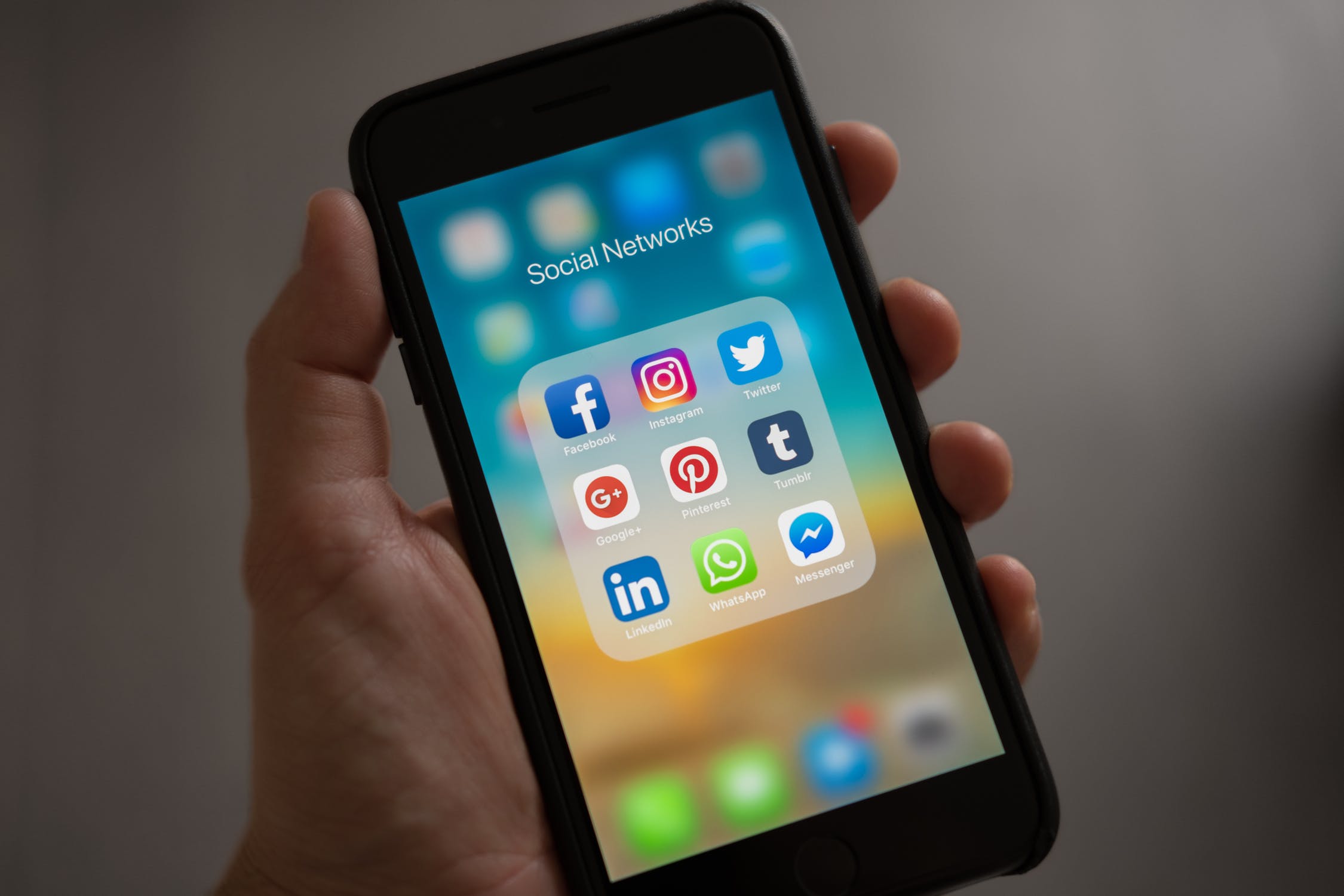
In February this year, the Conservative government published guidance for schools on prohibiting the use of mobile phones throughout the school day, offering recommendations on how each school, depending on “individual contexts and needs”, should implement a ban on “smartphones and other devices”.
Jonathan Haidt, the renowned American social psychologist and best-selling author, has written extensively about the dangers of smartphones and social media over decades.
What was once a helpful tool, he explains, “a Swiss army knife in our pockets” that combines phone, camera, map, and music player, has become a “tool of mass distraction,” rewiring our brains almost ominously.
The dangers are numerous: from over-stimulation and distraction to encouraging negative body image and providing extensive, harmful exposure to inappropriate material.
Speaking to Finance360, Resicare Alliance head of clinical services and clinical lead Antony Bainbridge highlighted that “children are adept at accessing social media without restrictions, raising serious concerns about cyberbullying, which is linked to anxiety and depression among young people”.



Resicare Alliance, which specialises in residential care for children and adults with learning disabilities, autism, mental health challenges and social, emotional, and behavioural needs, sees first-hand the dangers of unrestricted smartphone use.
The Torah Education Committee (TEC), which represents schools within strictly Orthodox Jewish communities across the UK, has long recognised the harm smartphones can cause.
In Belgium, mobile phones are banned in schools to protect children’s mental health, and Denmark has introduced strict rules requiring phones to be locked away during the school day, ensuring focus and calm in the classroom. Schools in Denmark report significant improvements in behaviour and concentration as a result.
This is exactly what many parents, school leaders, and educational organisations in the UK have been advocating for. The Labour government is now listening, with education secretary Bridget Phillipson backing stricter controls on smartphone use in schools, stating that “too many children are distracted in class, and teachers spend too much time policing phone use”. This has led to an increasing number of schools pledging to become smartphone-free.
The Torah Education Committee (TEC), which represents schools within strictly Orthodox Jewish communities across the UK, has long recognised the harm smartphones can cause.

Thousands of children from ages three to 16 in TEC-represented schools do not have smartphones. Instead, they play outside, meet with family and friends, study together and enjoy family dinners of an evening.
Their daily lives follow a more traditional structure and routine, free from the constant, alluring yet harmful distraction of screens. Pupils take pride in their learning, engaging deeply with Jewish texts and honing legal reasoning skills that many university law students would find challenging. They read books, enjoy comics and participate actively in their communities, rather than scrolling mindlessly through a social media feed while lounging on a sofa for hours.
Schools under TEC encourage a life of productivity and community, keeping smartphones away from pupils at least until the age of 16. Naturally, every child should be taught about the world and its risks in a manner appropriate to his or her age and context. However, TEC schools, which prioritise safeguarding by prohibiting smartphone use, do not need to be lectured that their approach compromises safety, when, in fact, it strengthens it. Since February, it has become clear modern Britain is, in fact, recognising the benefits of these policies and ethos.
Experts now accept that the spiritual, moral, social and cultural development of Britain’s next generation may very well benefit from less screen time, not more.
TEC schools just hope that Ofsted’s inspectors will share the experts’ opinions.
- TEC and Resicare Alliance are clients of Roath PR Consultants

Keep community journalism free.
Jewish News is free for everyone. No paywall. No barriers. Just trusted journalism for anyone who wants to stay connected to Jewish life in Britain.
If you value that, please support us.
From as little as £5 a month, you can help keep our journalism free and accessible to all.
Every day, we report on the issues that matter to our community. We celebrate achievements, support charities, challenge antisemitism and ensure Jewish voices are heard more widely.
From as little as £5 a month, you can help us continue to:
- Report on the stories shaping Jewish life in the UK and beyond
- Bring our community together through shared stories, events and campaigns
- Celebrate the people, culture and moments that define our community
- Support organisations doing vital work across Jewish Britain
You can make a one-off donation or become a regular supporter. Every contribution helps keep our journalism free, independent and accessible to all.
If everyone who values Jewish News gave a small amount, it would make a real difference to our future.