
 Prefer Jewish News on Google
Palestinians use torture to quash dissent, according to Human Rights Watch
Security forces of rival factions reportedly use violence and arbitrary arrest to stop peaceful protest and political rivals
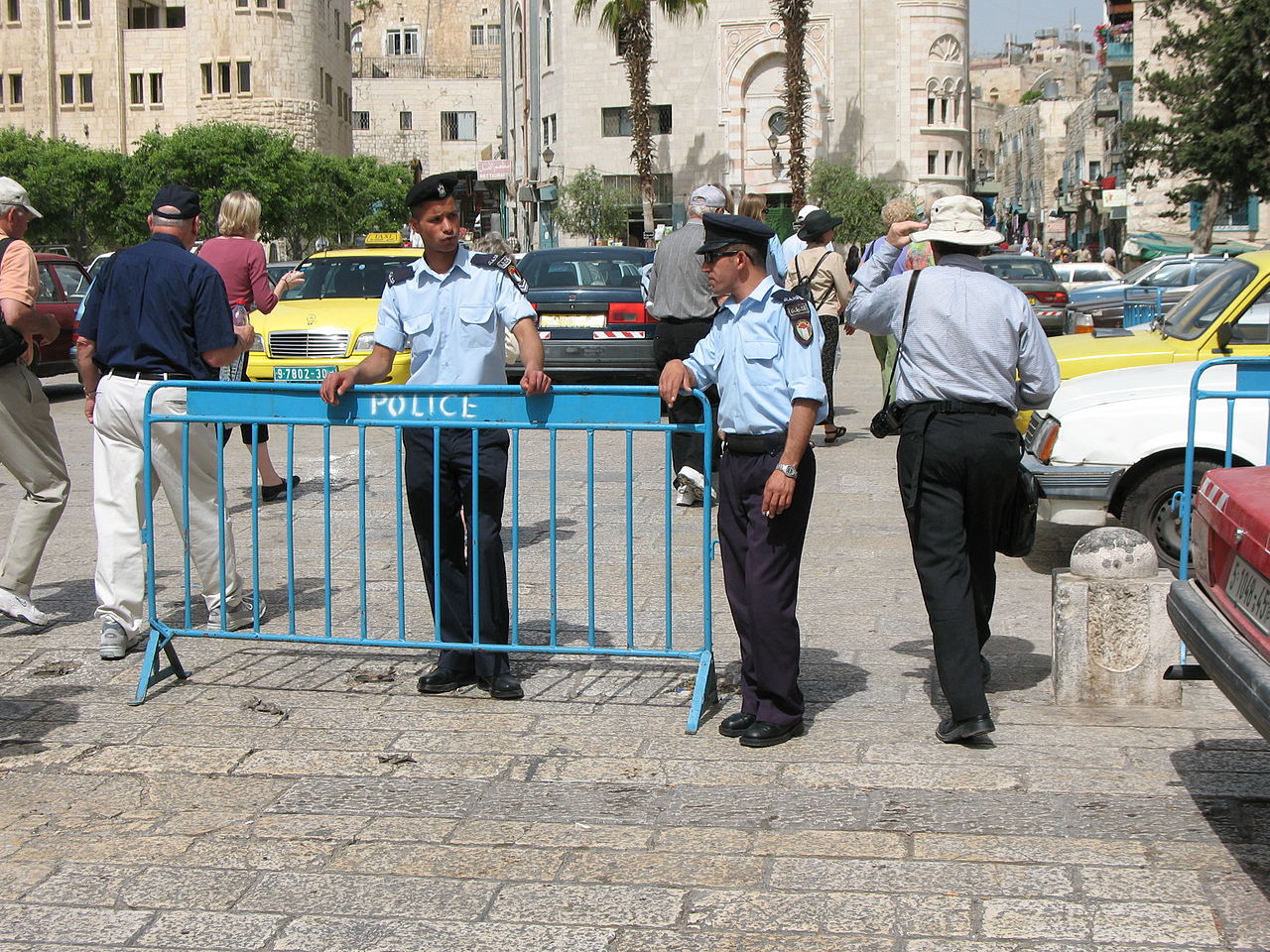
Security forces of the rival Palestinian governments routinely use torture and arbitrary arrests to quash dissent by peaceful activists and political rivals, Human Rights Watch has said.
The charges came in a new report released by the New York-based watchdog, following a two-year investigation that included interviews with nearly 150 people, many of them ex-detainees.
It accused both the Western-backed Palestinian Authority in the West Bank and the Islamic militant Hamas in Gaza of using “machineries of repression” to stifle criticism.
Human Rights Watch also said the systematic use of torture could amount to a crime against humanity under the United Nations’ Convention against Torture, and called on countries that provide funding to Palestinian law enforcement to suspend their assistance.
Palestinian President Mahmoud Abbas’ government joined the convention after Palestine was accepted as a non-member state at the UN.



“Palestinian authorities have gained only limited power in the West Bank and Gaza, but yet, where they have autonomy, they have developed parallel police states,” said Tom Porteous, deputy programme director at Human Rights Watch.
“Calls by Palestinian officials to safeguard Palestinian rights ring hollow as they crush dissent.”
According to Human Rights Watch, the Palestinian leaderships in the West Bank and Gaza engage in similar tactics, in most cases without holding anyone to account.
Among the alleged abuses are whipping people’s feet, forcing detainees into painful stress positions, hoisting up people’s arms behind their backs with rope and coercing suspects into granting access to their mobile phones and social media accounts.
The group’s director for Israel and the Palestinian territories, Omar Shakir, told a news conference that the Palestinian Authority detained 220 Palestinians without charge or trial for their social media posts, including 65 university students and two journalists.
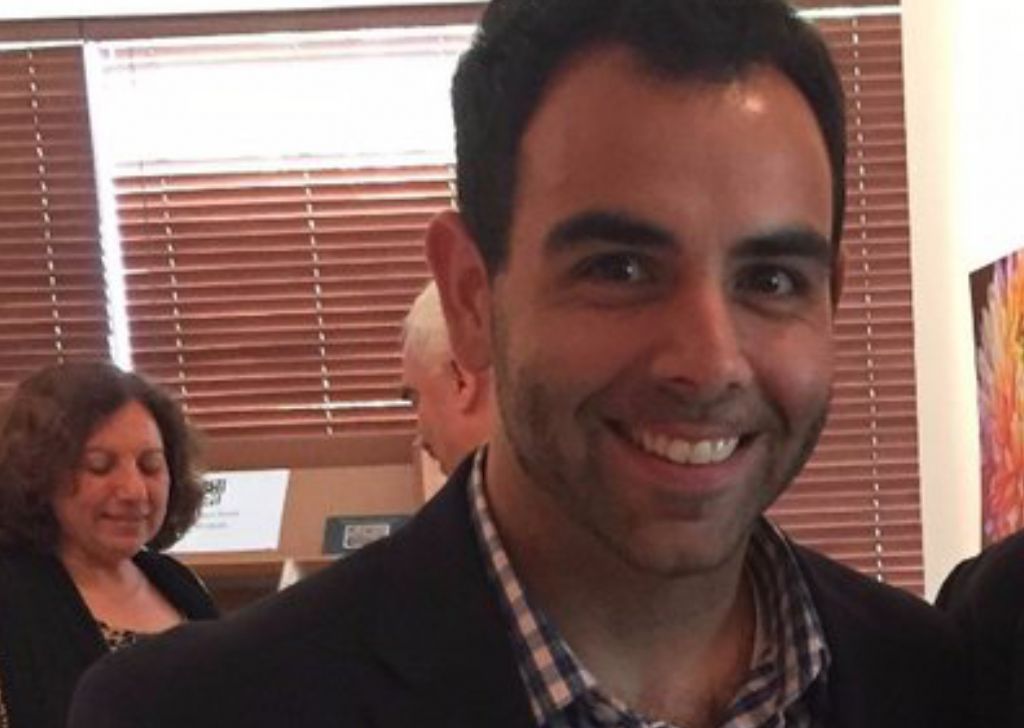
He claimed Hamas authorities in Gaza have detained over 45 people for their social media activity.
“The Palestinian Authority and Hamas told us that these arrests were not related to free expression, but Human Rights Watch’s findings contradict these figures,” Mr Shakir said. “These numbers do not speak to the scale which both authorities have gone to in order to shut down dissent.”
Both Hamas and the Fatah-led Palestinian Authority denied the accusations.
The attacks by the Palestinian Authority and Hamas on dissidents, demonstrators, reporters, and bloggers, are both systematic and unpunished. https://t.co/gdQB8RMBQN pic.twitter.com/xE3Ac4kHy4
— Human Rights Watch (@hrw) October 23, 2018
Listen to this week’s episode of the Jewish Views Podcast:

Keep community journalism free.
Jewish News is free for everyone. No paywall. No barriers. Just trusted journalism for anyone who wants to stay connected to Jewish life in Britain.
If you value that, please support us.
From as little as £5 a month, you can help keep our journalism free and accessible to all.
Every day, we report on the issues that matter to our community. We celebrate achievements, support charities, challenge antisemitism and ensure Jewish voices are heard more widely.
From as little as £5 a month, you can help us continue to:
- Report on the stories shaping Jewish life in the UK and beyond
- Bring our community together through shared stories, events and campaigns
- Celebrate the people, culture and moments that define our community
- Support organisations doing vital work across Jewish Britain
You can make a one-off donation or become a regular supporter. Every contribution helps keep our journalism free, independent and accessible to all.
If everyone who values Jewish News gave a small amount, it would make a real difference to our future.





















