Shimon Peres – His Life and Links to the UK
Israel's ultimate statesman got off to a bad start in his relations with the British, writes Stephen Oryszczuk
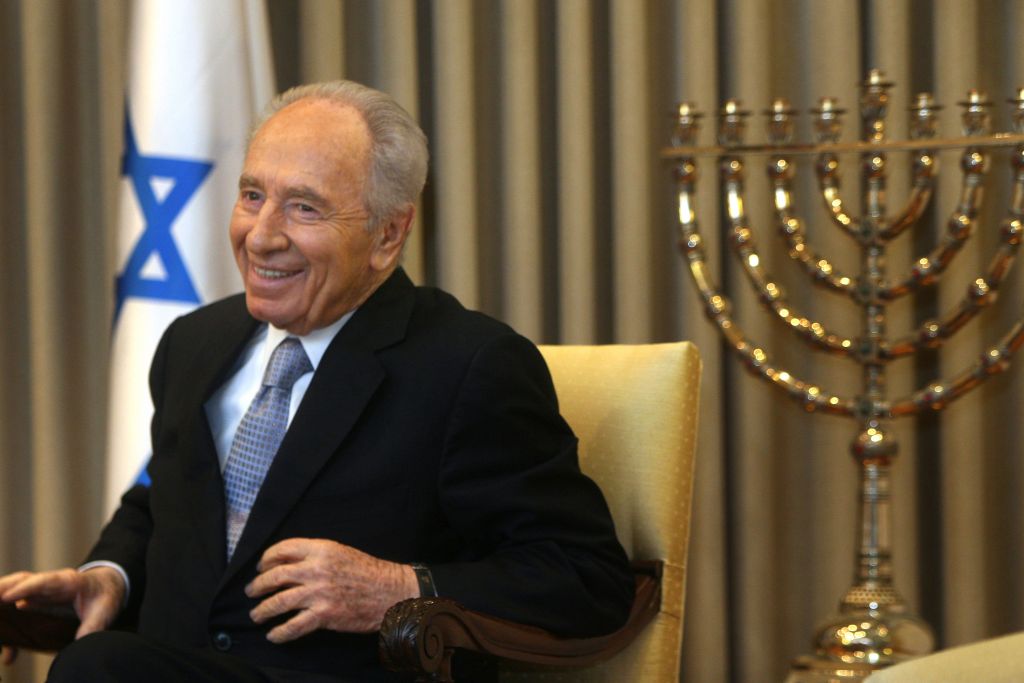
Among the first encounters Shimon Peres had with the British was in the Negev, under the British Mandate, aged just 21. He led an “illicit expedition’ into a closed military zone but was collared by a British officer, thrown in jail and fined a fair old shilling for his misdeeds.
The experience was one of many he would come to have, and several years later, he was once again talking to the British, only this time as deputy director-general in the defence ministry of his own state.
He was talking about military collaboration in Egypt, and the discussions followed those he’d had in Paris with the French, who were arming Israel with weapons and jets.
The three states were plotting to reclaim the Suez Canal from Egypt’s strongman Colonel Nasser, which they did, but the episode ended in acrimony, with American threats forcing Britain to withdraw both militarily and symbolically from Israel’s immediate sphere. Peres, meanwhile, withdrew to the post-Suez world of Israeli politics.
In 1987, he was reacquainted with the English in London, which provided the secret setting for Peres – then foreign minister – to meet King Hussein of Jordan and agree a framework to a U.N. peace conference aimed at resolving the Arab-Israeli dispute.


The so-called London Agreement excluded the Palestinians and envisaged Jordanian sovereignty over the West Bank, but the U.N. conference never took place, blocked by then-prime minister Yitzhak Shamir from Likud in cabinet.
Years later, in 1991, a similar conference was convened in Madrid, under a framework echoing that agreed to by Peres four years earlier at the home of London lawyer and peer Lord Mishcon QC.
Those relations, facilitated by Mishcon, led to a peace treaty between Israel and Jordan in 1994, the pact securing Israel’s eastern border ever since.
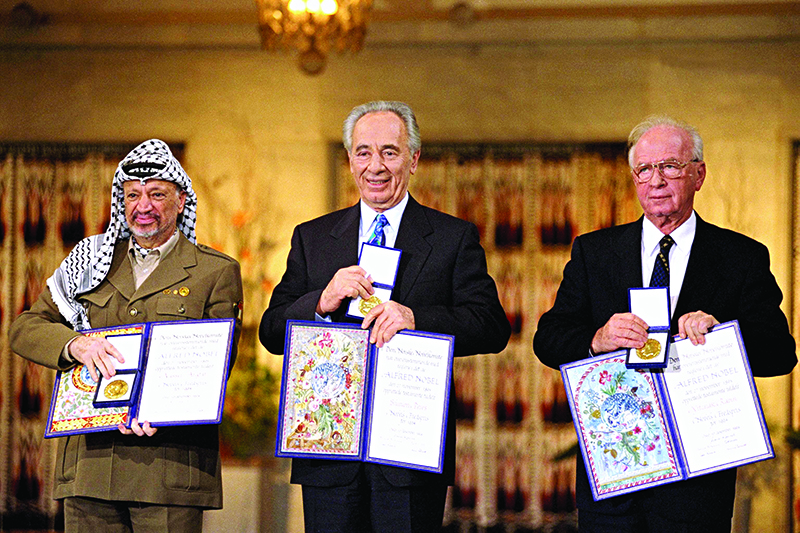
Later, Peres engaged the Syrian government of Hafez al-Assad, with a view to resolving the long-term conflict between the two states.
On a two-day visit to London, not long after Yitzhak Rabin’s assassination, he spoke positively about the prospects, saying: “I think it is only a matter of time before we shall have peace with Syria and Lebanon.”
Peres believed Israeli voters would agree to cede the Golan Heights to Syria, to meet their northern neighbour’s main demand, in order to secure the frontier between the two countries and protect water supplies, but again, right-wing politicians scuppered the deal. To-date, the two countries remain ‘at war’.
By then he was a well-known politician, and travelled the world, but he was only truly well-liked years later, when as president, he had been due to visit London in 2012, for the Olympics’ opening ceremony.
However, he had to cancel after organisers refused his request to sleep in the athletes-only Olympic Village, to avoid travelling by car on Shabbat. An archetypal gentleman, Peres didn’t kick up a fuss. His spokeswoman said he “understands the rules and accepts them” and “does not elevate himself above others”.
There wasn’t a shred of bitterness when he wished his athletes well.
His return finally came in May 2015, at a Zionist Federation event, where he was mobbed by fans wanting selfies.
It was the first time back in the capital since 2008 – a long wait for British Jews eager to meet their hero. On stage, the platitudes came thick and fast. Lord Levy paid tribute to his “optimism and zest for life,” then-ambassador Daniel Taub said he “captured the spirit of possibility,’ while Baroness Ruth Deech said he was “the most up-to-date retired president there is’.
She mentioned the 91-year old’s adoption of social media, with 58,000 Twitter followers, but to many more he was the star of a hilarious four-minute movie in which he goes job-searching after his presidency.
It earned 700,000 hits on video-sharing website YouTube.
He loved the future, embraced it and planned for it, announcing in November 2015 that he was preparing for a groundbreaking London conference exploring forthcoming innovation. “It will be a comprehensive look at only one time: the future. Not the past, nor the present,” he said, at an event hosted by Boris Johnson, who Peres jokingly referred to as “the blowing wind of tomorrow.”
He joked with David Cameron, too, during the prime minister’s visit to Jerusalem in 2014, saying: “The cooperation that exists between Great Britain… started with Marks & Spencer.’
But while relations with certain British politicians may have been warm, Peres was no Anglophile, and in 2010 he was forced to backtrack after saying the English establishment was “deeply pro-Arab … and anti-Israeli’.
In the interview with Prof. Benny Morris of Ben-Gurion University of the Negev, published in Tablet magazine, he said: “They abstained in the 1947 UN partition resolution… They maintained an arms embargo against us in the 1950s… They always worked against us. They think the Arabs are the underdogs.’
He added: “There is in England a saying that an anti-Semite is someone who hates the Jews more than is necessary.”
The interview came after David Cameron described Gaza as ‘a prison camp,’ so outwardly, dignitaries were sparing in their criticism, but in private, Peres’ comments caused anger and indignation. James Clappison, vice-chairman of Conservative Friends of Israel at the time, said simply: “I don’t recognise what he is saying.’
To the upper echelons the attack stung, especially since Peres had – barely two years earlier – accepted his appointment as Knight Grand Cross of the Order of St Michael and St George, a British order of chivalry awarded to those who “render extraordinary or important non-military service in a foreign country”.
In 2013, however, he sought to make up for his famous faux pas, addressing a London crowd via video-link on Israel’s 65th anniversary, saying:
“We have a special relationship with the Jewish community in Great Britain. Let us never forget that Zionism was born there. The State of Israel is as a result of the Balfour Declaration. It was a great opening and, I believe, a great continuation.All those years, 65 years already, you stood on our side, and we watched with admiration your dedication to the State of Israel. Together we shall continue.”
We shall. But it is with sadness that we do so without him.
Shimon Peres life in pictures:
-
- Shimon Peres with Benjamin Netanyahu
-
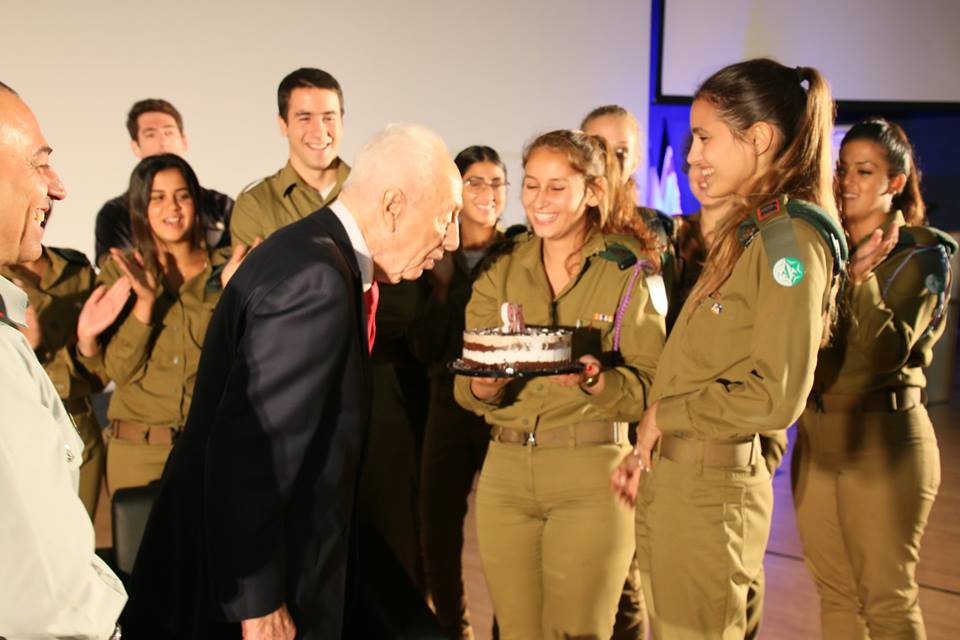
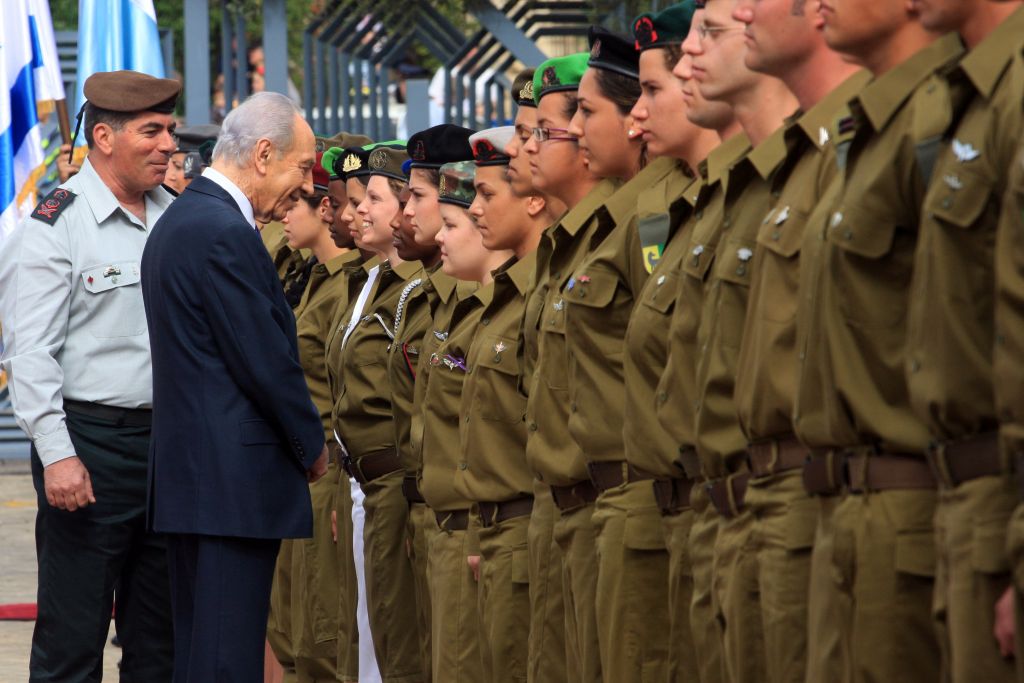
- Shimon Peres greeting troops
-
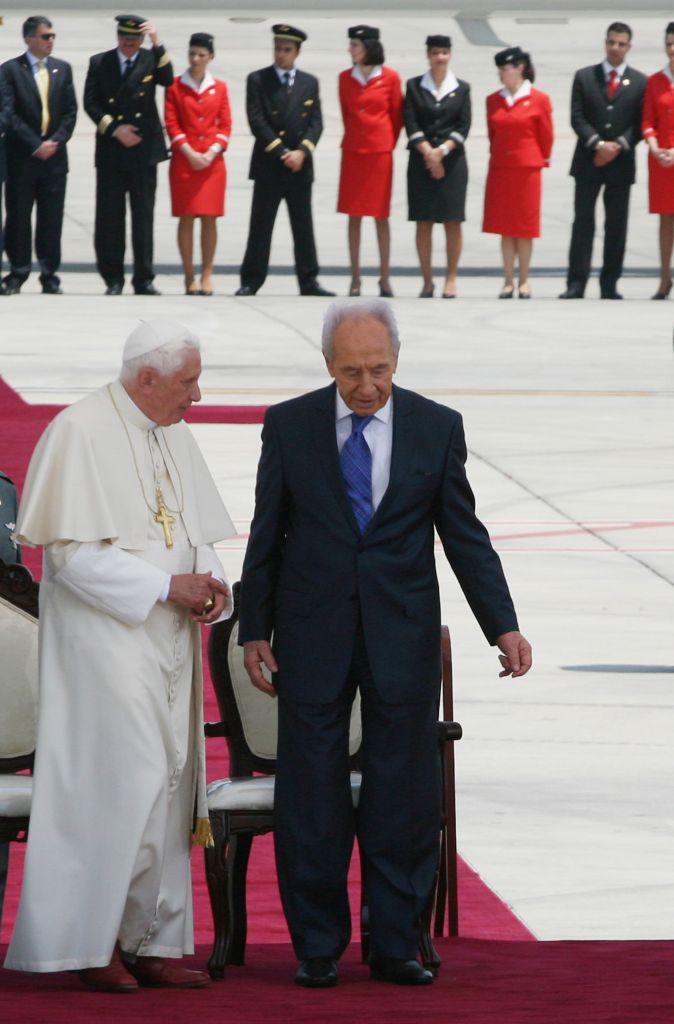
- Shimon Peres with ex-Pope Benedict XVI
-

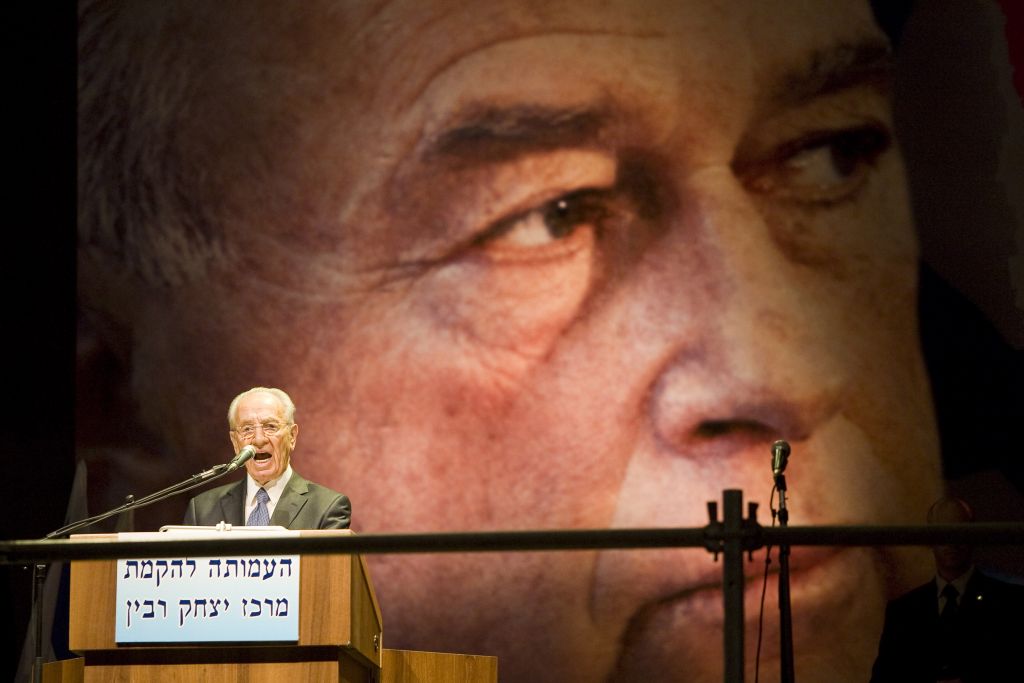
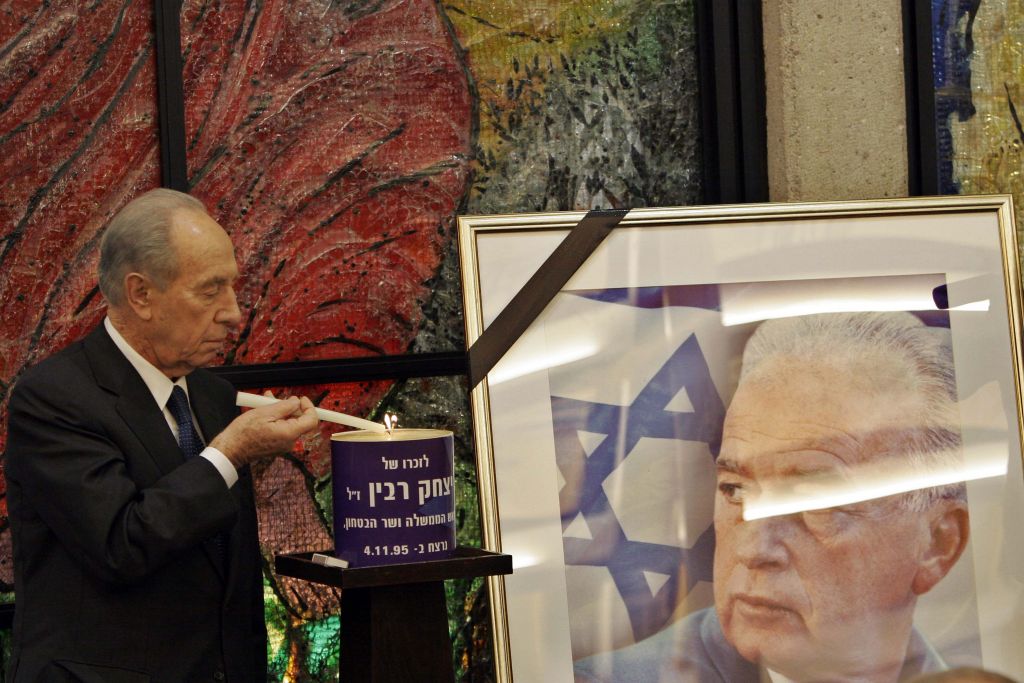
- Shimon Peres at a Yitzchak Rabin memorial
-
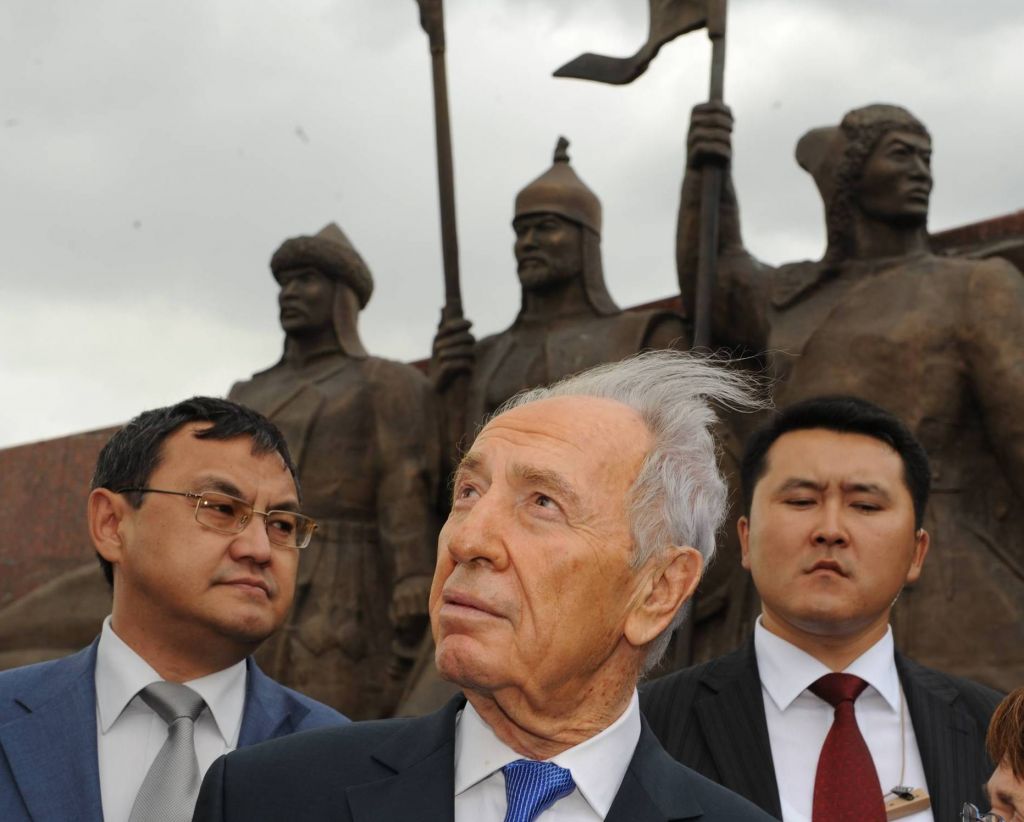
- Shimon Peres in China
-
- Shimon Peres
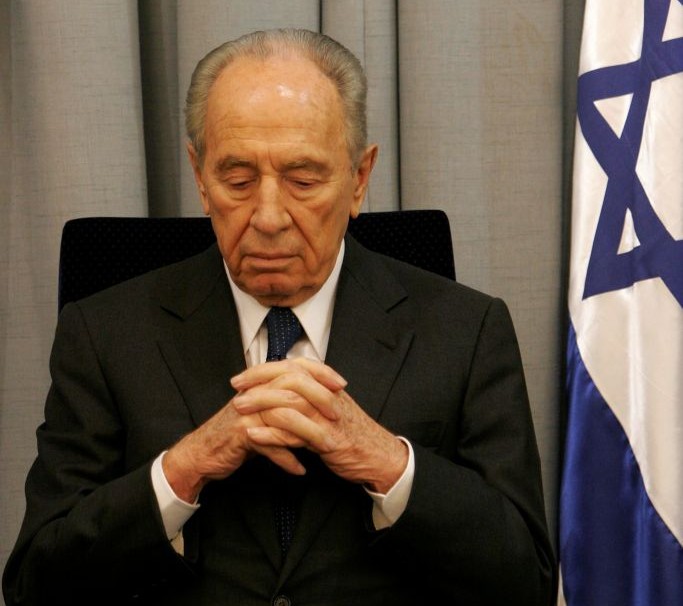
-
- Shimon Peres with John Kerry
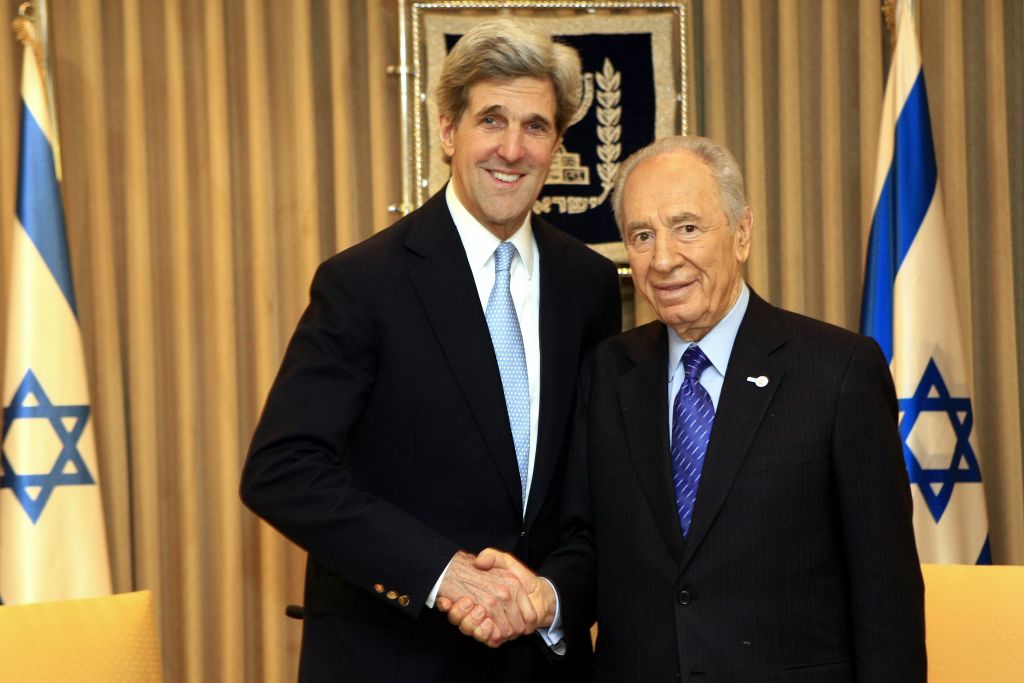
-
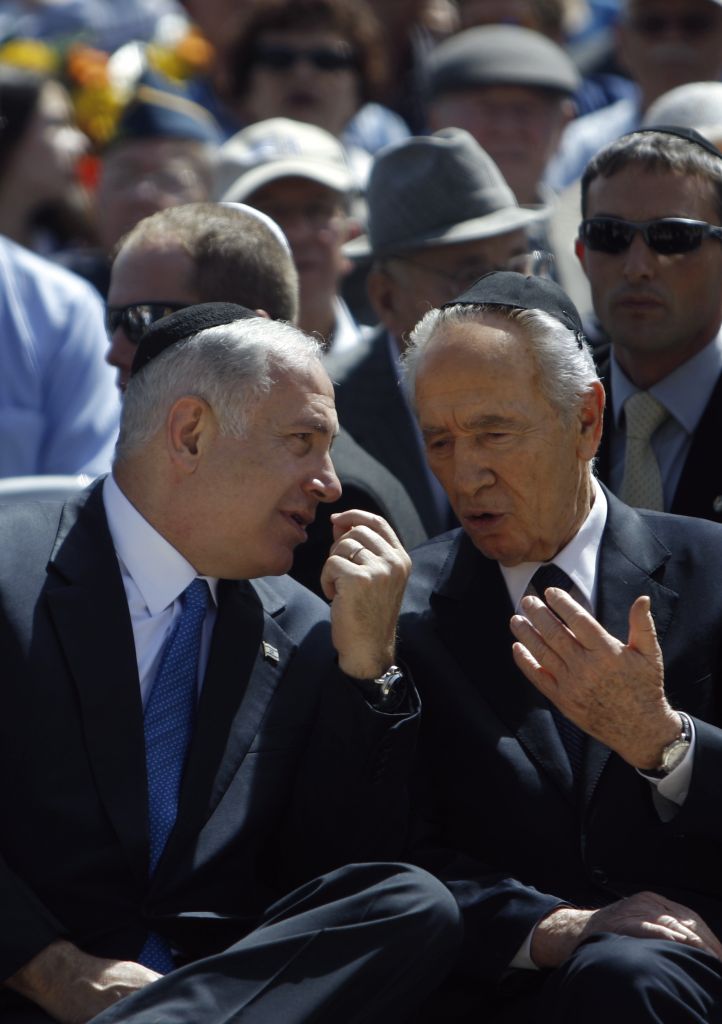
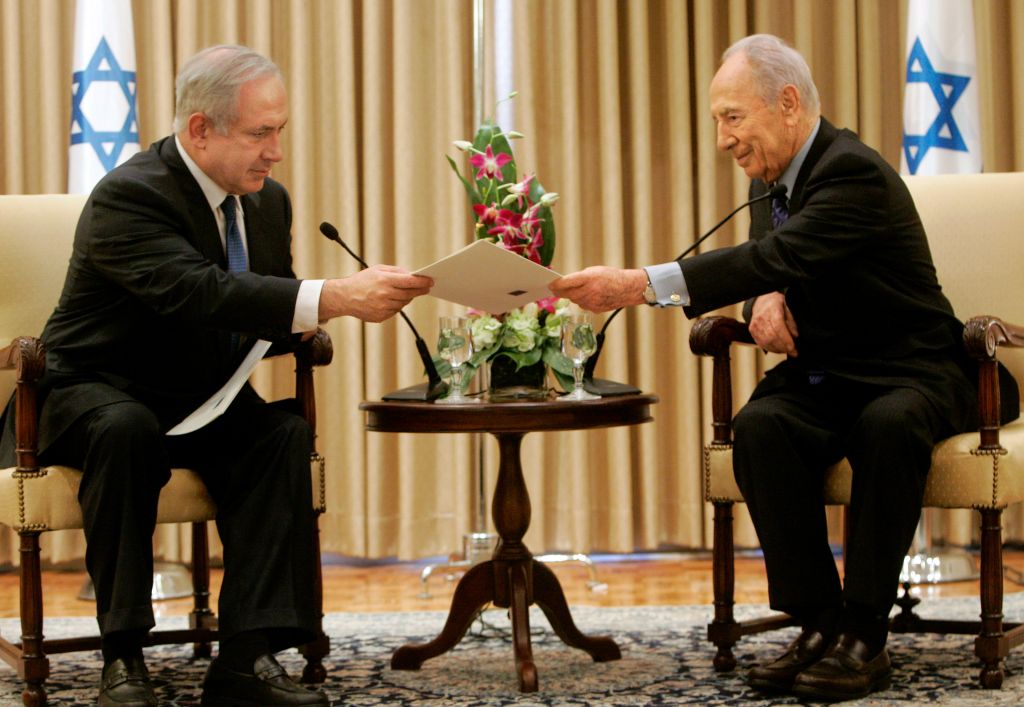
- Shimon Peres with Benjamin Netanyahu
-
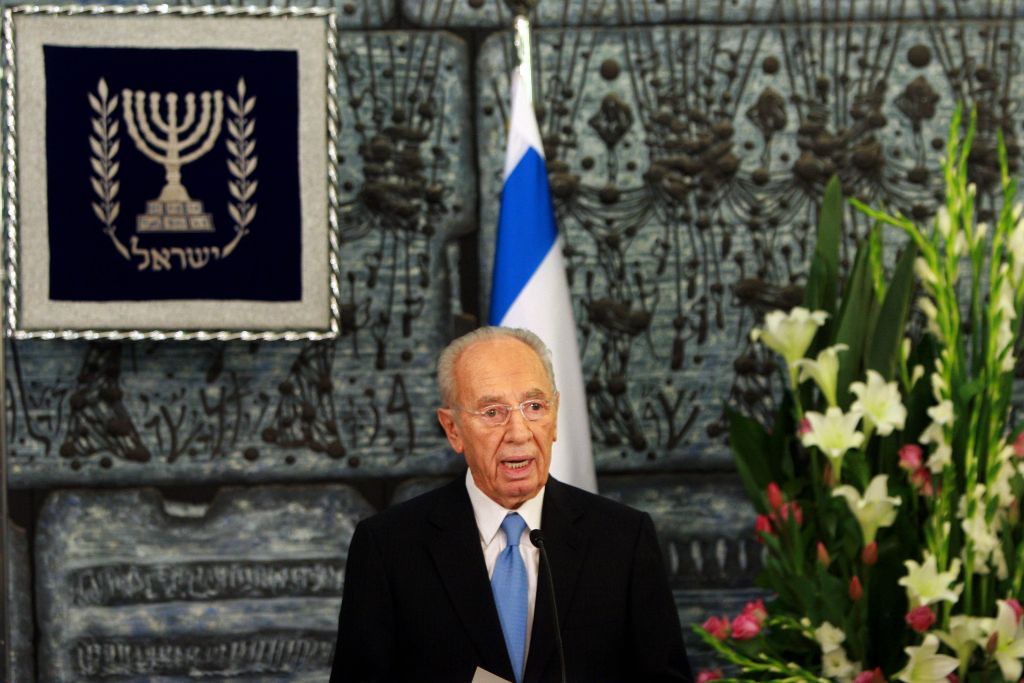
- Shimon Peres
-

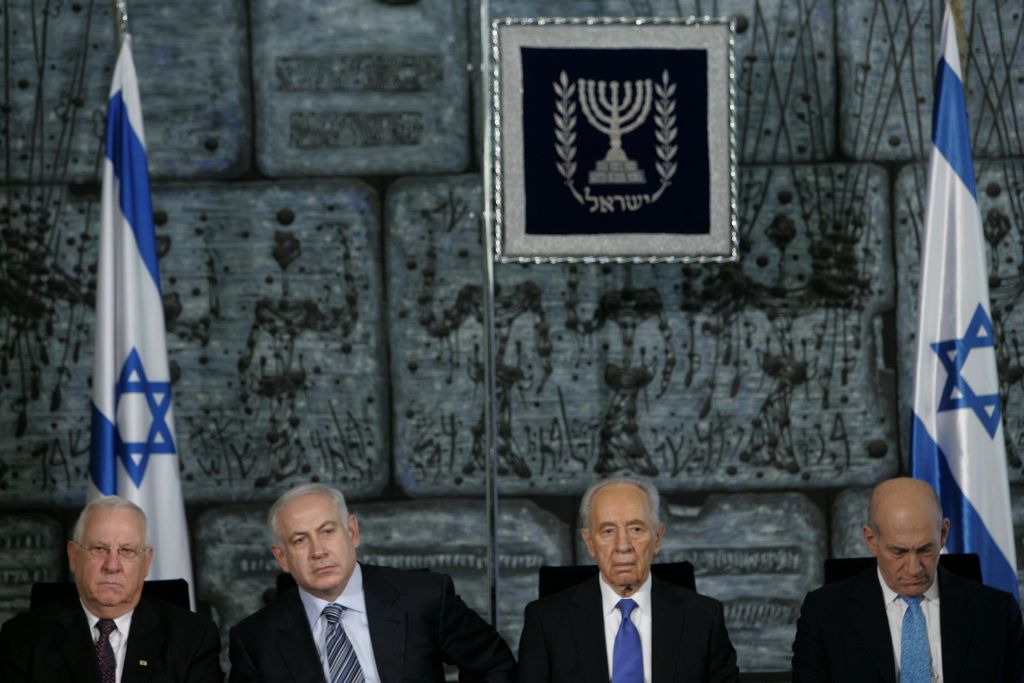
- L-R: President Reuven Rivlin, PM Benjamin Netanyahu and ex-President, PM Shimon Peres
-
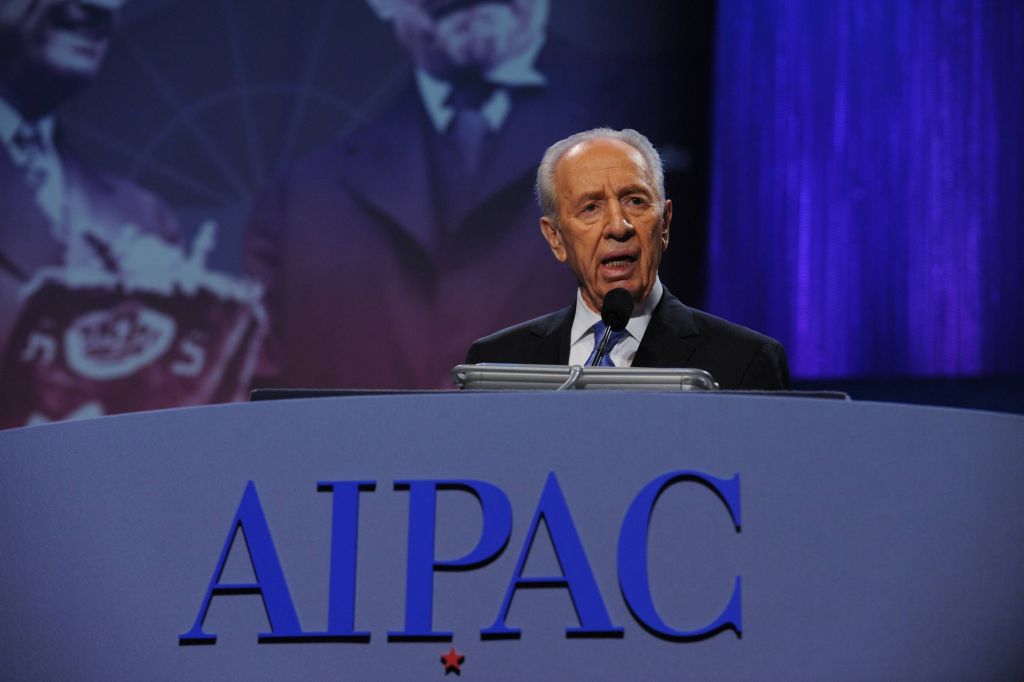
- Shimon Peres speaking at an AIPAC conference
-
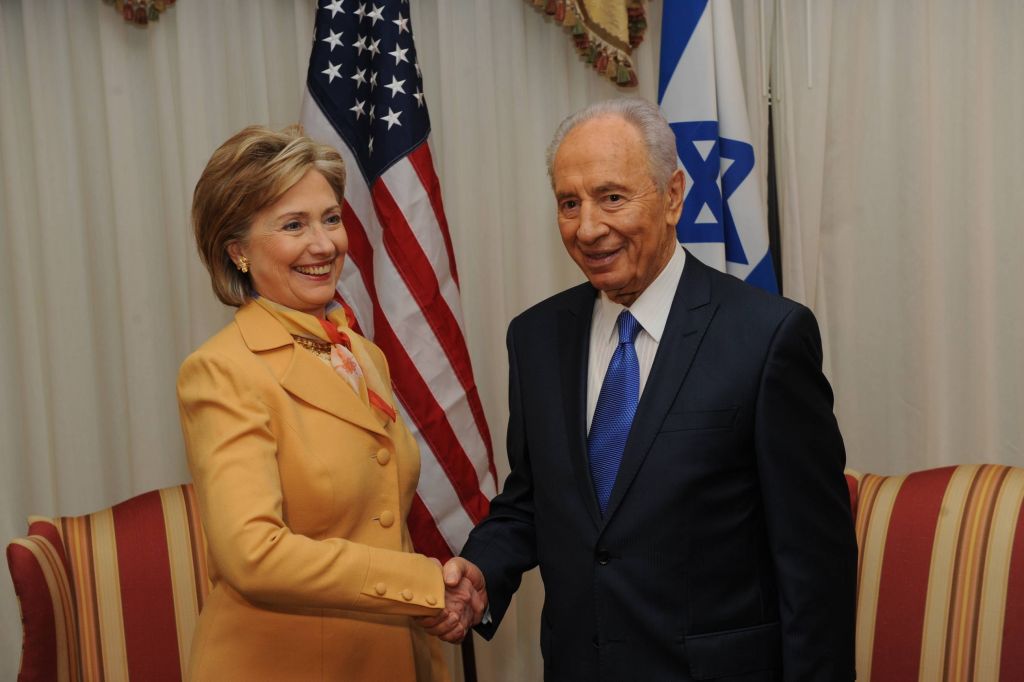
- Shimon Peres with Hillary Clinton
-
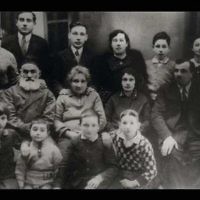
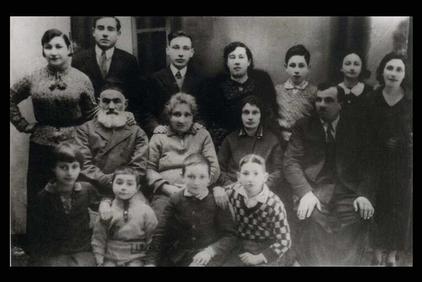
- Shimon Peres (standing, third from right) with his family, ca. 1930
-
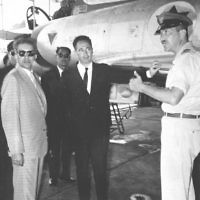
- Peres (center) with Ezer Weizman and King Mahendra of Nepal in 1958
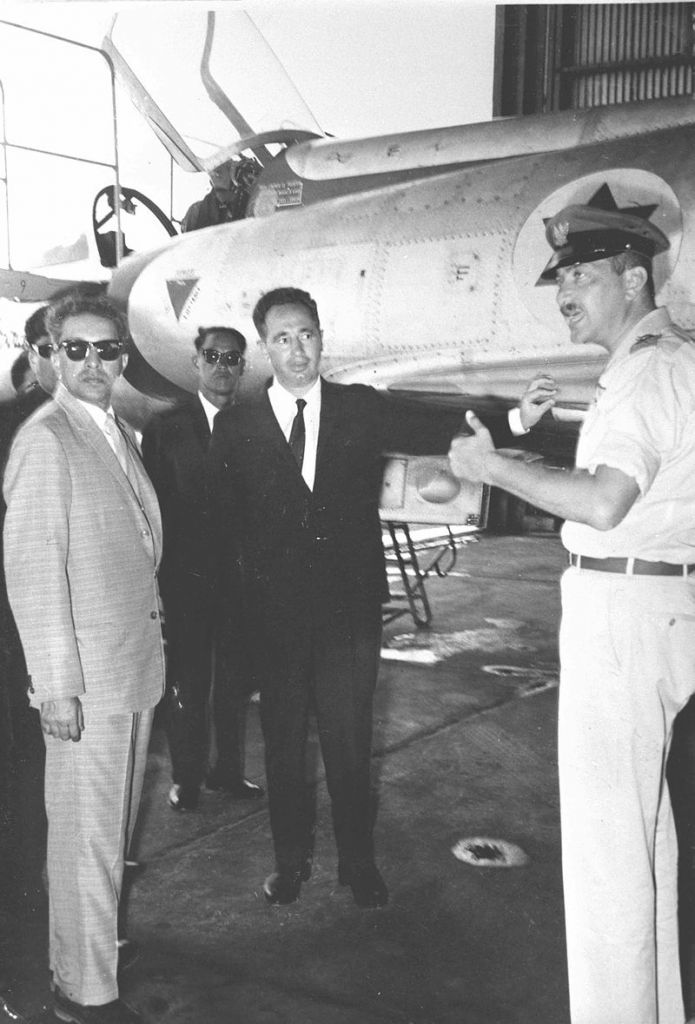
-
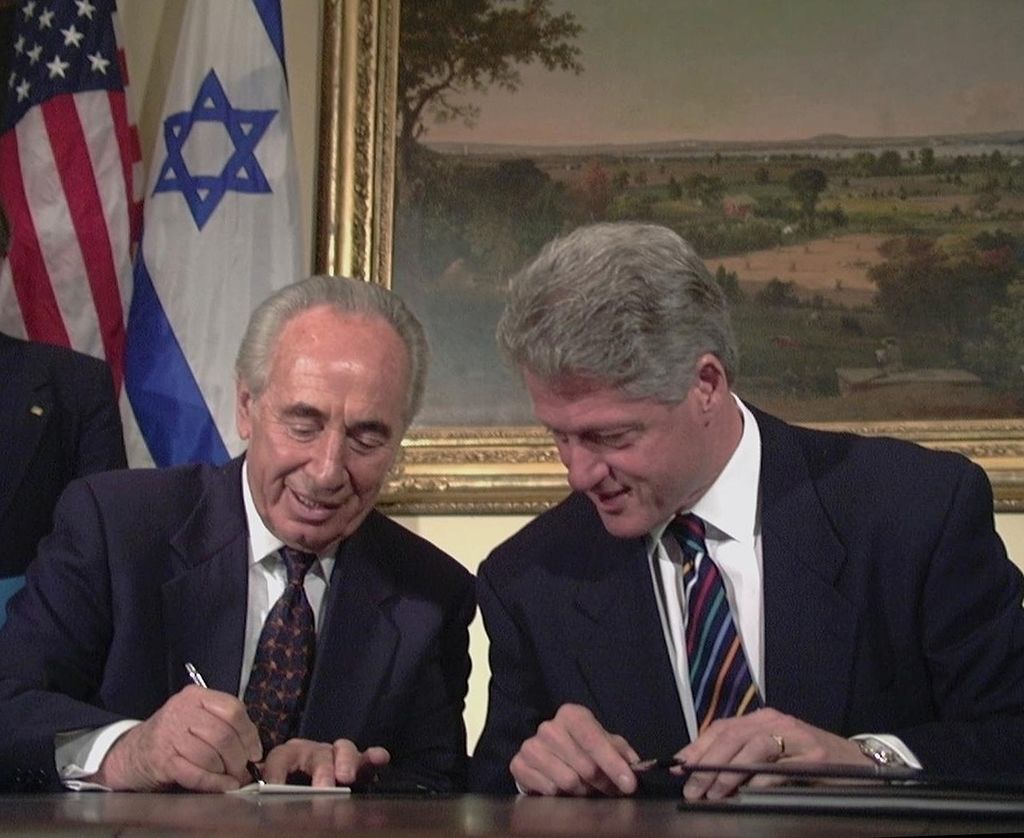
- Shimon Peres with U.S. President Bill Clinton at the White House, April 1996.
-
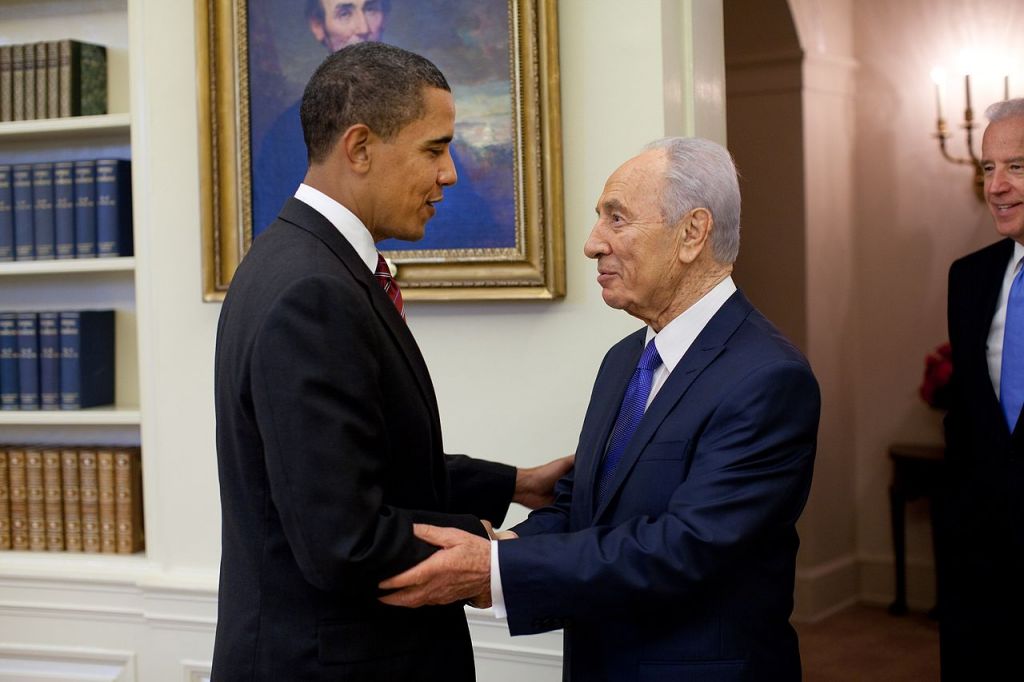
- US president Barack Obama welcomes Shimon Peres in the Oval Office
-
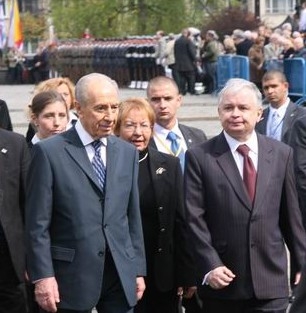
- Peres at the 65th Anniversary of the Warsaw Ghetto Uprising ceremony with Polish president Lech Kaczyński

Keep community journalism free.
Jewish News is free for everyone. No paywall. No barriers. Just trusted journalism for anyone who wants to stay connected to Jewish life in Britain.
If you value that, please support us.
From as little as £5 a month, you can help keep our journalism free and accessible to all.
Every day, we report on the issues that matter to our community. We celebrate achievements, support charities, challenge antisemitism and ensure Jewish voices are heard more widely.
From as little as £5 a month, you can help us continue to:
- Report on the stories shaping Jewish life in the UK and beyond
- Bring our community together through shared stories, events and campaigns
- Celebrate the people, culture and moments that define our community
- Support organisations doing vital work across Jewish Britain
You can make a one-off donation or become a regular supporter. Every contribution helps keep our journalism free, independent and accessible to all.
If everyone who values Jewish News gave a small amount, it would make a real difference to our future.