Prefer Jewish News on Google
Pesach costs soar for Ukraine’s Jews as fuel prices spike
Rising oil costs and blackouts make Passover preparations increasingly difficult across war-hit communities
Jewish communities across Ukraine are facing sharply rising costs ahead of Passover, as global fuel prices linked to the war in the Middle East add fresh strain to life under continued Russian attack.
With generators now essential during frequent blackouts, the rising cost of fuel is hitting families, community centres and small businesses particularly hard – making preparations for Pesach more difficult than at any point since the full-scale invasion began.
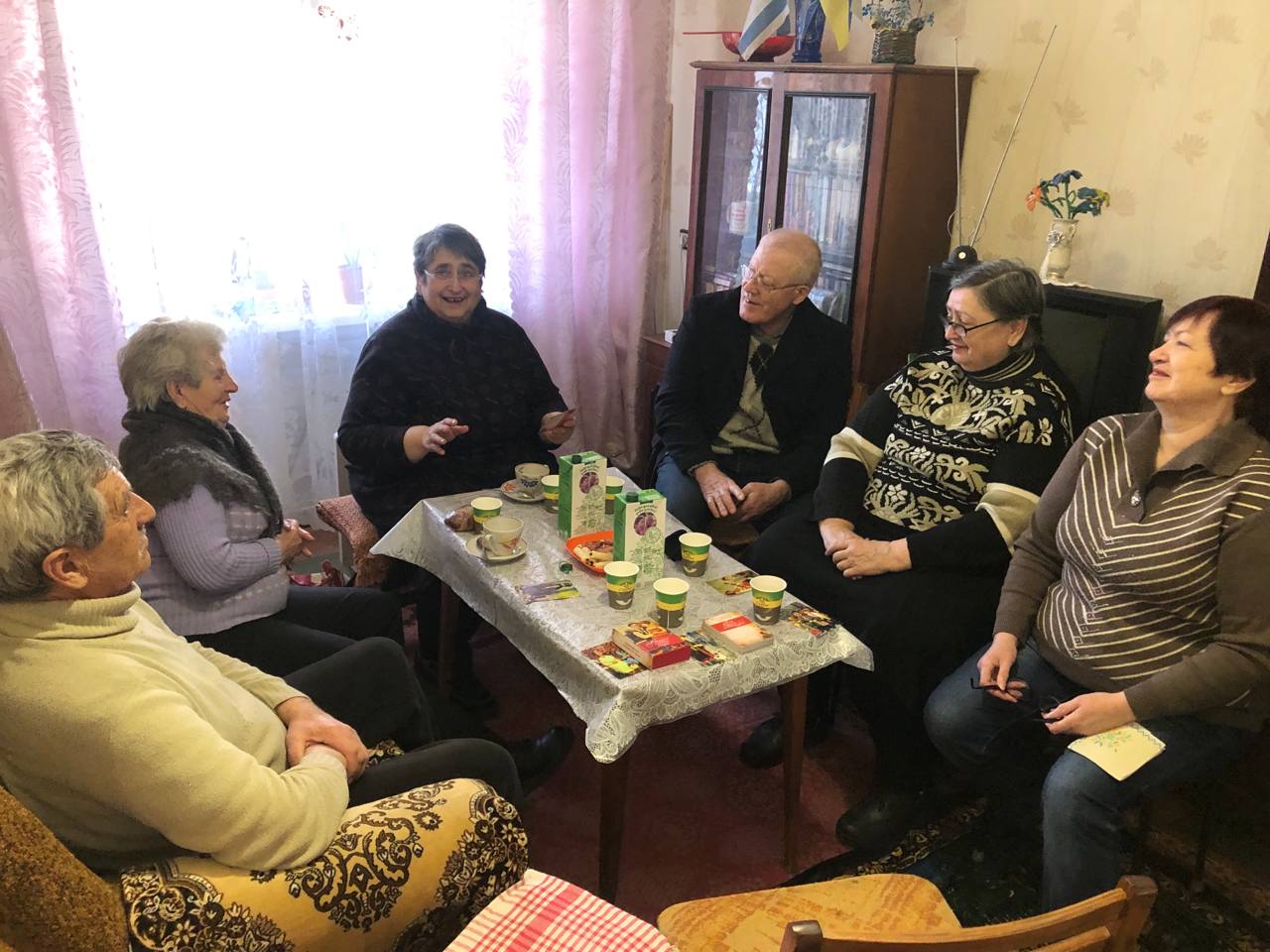
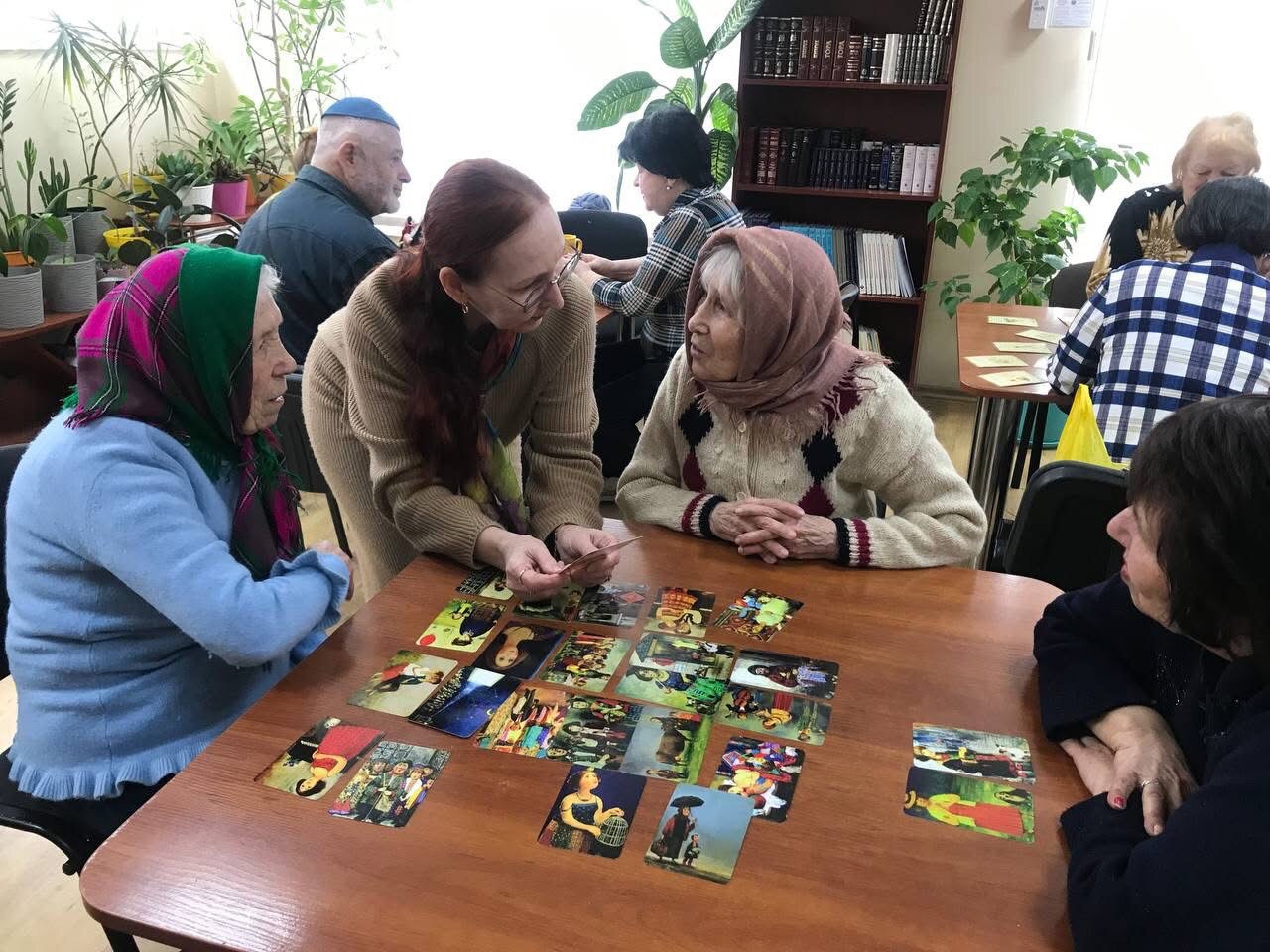
In Kryvyi Rih, a central Ukrainian city repeatedly targeted by Russian strikes, Jewish organisations say the cost of keeping basic services running has surged in recent weeks.
Marina Litvinova, director of Hesed Hana, which supports elderly Jews in the city, said: “Due to the increase in the cost of fuel, the operation of the generator in the first half of the month cost 39 percent higher than in the same period in February.”



Sustained attacks on Ukraine’s energy infrastructure have left many areas reliant on generators for hours at a time, while inflation – which rose to 7.6 percent in February- is pushing up the cost of basic goods.
At the same time, the security situation remains volatile. Ukrainian authorities report a sharp escalation in aerial attacks this year, with drone strikes up 258 percent and missile attacks rising by 22 percent compared with 2024. In one recent 24-hour period alone, 948 drones were launched at Ukraine, while residents in Kryvyi Rih have faced more than 120 air alerts in a single month.
For many families, travel has also become more difficult and dangerous, further complicating holiday plans. Rail infrastructure – a key civilian lifeline – has come under repeated attack, making it harder for relatives to gather for the festival.
For dual Ukrainian-Israeli nationals, the situation is even more complex. In previous years, many would travel to Israel for Passover, but the ongoing conflict in the region and restricted flight routes mean that it is no longer feasible for many.
“As we approach Passover, citizens of Israel who could not return home due to hostilities have begun to contact us,” Litvinova said. “They are looking for opportunities to prepare for the holiday, receive matzah, and find a community for the seder.”
She added: “Our whole life now is a continuous challenge. But it is important for us to remain an island of safe and stable Jewish life, a place where people can support each other and feel part of a community.”
The impact is being felt acutely in rural areas, where rising fuel costs are threatening already fragile livelihoods.
Vitalii Strybka, 44, a Jewish farmer in the Dnipropetrovsk region, has seen the economics of his small family farm deteriorate sharply. Before the war, he regularly supplied kosher milk to customers in nearby Dnipro. Now demand has fallen, while the cost of running his operation has soared.
“Fuel prices are rising all the time, and for a small farmer this affects everything,” he said. “I need diesel for the generator, to bring products to the market, and to prepare hay for my cows.”
He added: “The cost of hay, fuel and basic supplies keeps increasing, while the price for milk remains very low, making it very difficult to sustain the farm.”
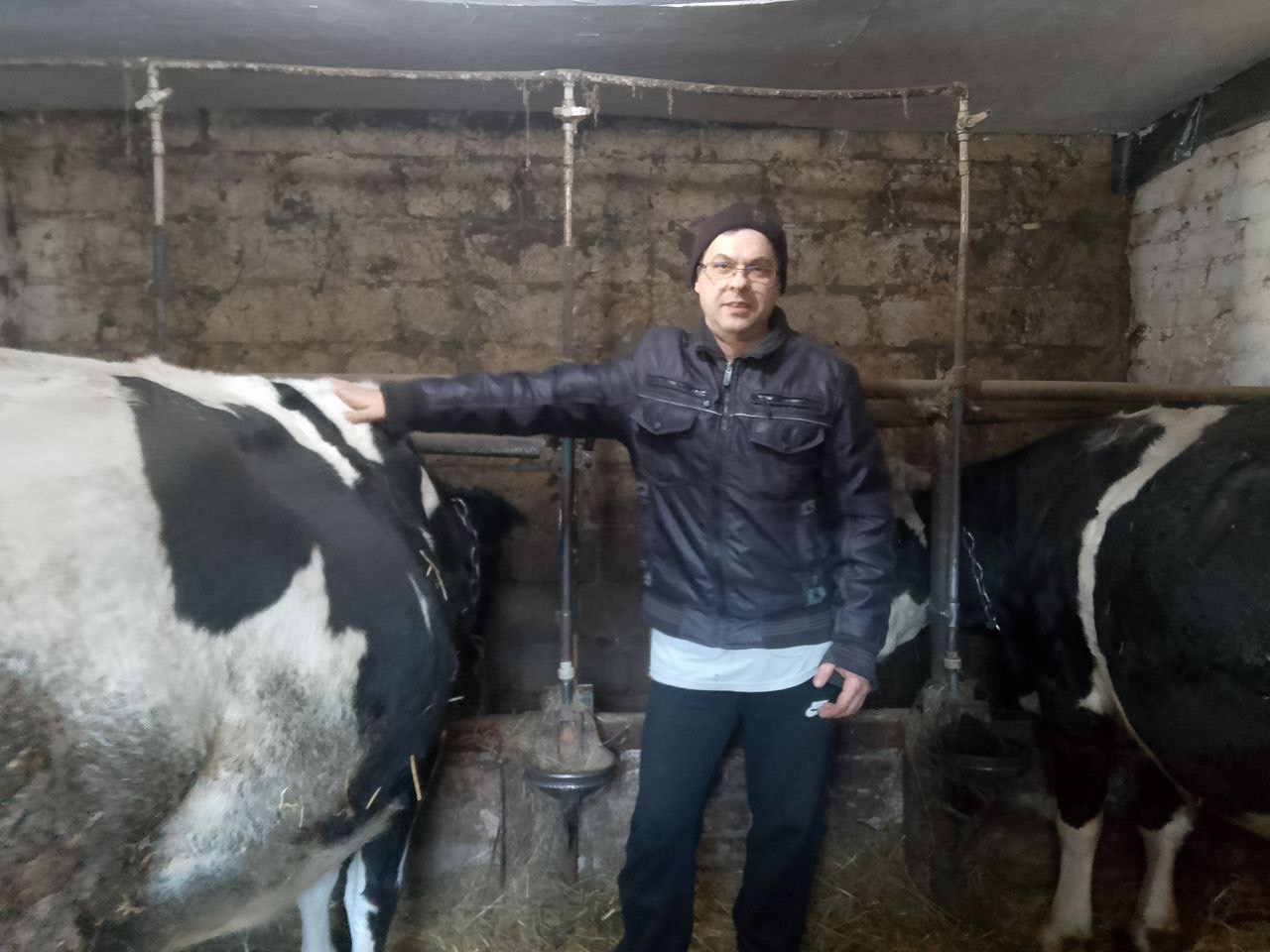
With fuel costing around £1.70 per litre and milk selling for roughly £0.17 per litre, he said, maintaining the business has become increasingly unsustainable.
As Pesach approaches, he said the pressure is not only financial but deeply personal. “The holiday reminds us how important it is to preserve dignity and continue even through hardship,” he said. “Just as previous generations in my family worked this land despite difficult times, I feel responsible to continue and not give up.”
Despite the mounting challenges, support efforts continue. World Jewish Relief, working with partners across hundreds of towns and cities, is providing financial assistance, training and humanitarian aid to help sustain Jewish life.
Paul Anticoni OBE, the charity’s chief executive, said: “Jewish communities and beyond in Ukraine have now faced over four years of war, and the strain on daily life is unrelenting. This Pesach, we must continue to provide a lifeline for Ukrainians who are suffering immensely.”

Keep community journalism free.
Jewish News is free for everyone. No paywall. No barriers. Just trusted journalism for anyone who wants to stay connected to Jewish life in Britain.
If you value that, please support us.
From as little as £5 a month, you can help keep our journalism free and accessible to all.
Every day, we report on the issues that matter to our community. We celebrate achievements, support charities, challenge antisemitism and ensure Jewish voices are heard more widely.
From as little as £5 a month, you can help us continue to:
- Report on the stories shaping Jewish life in the UK and beyond
- Bring our community together through shared stories, events and campaigns
- Celebrate the people, culture and moments that define our community
- Support organisations doing vital work across Jewish Britain
You can make a one-off donation or become a regular supporter. Every contribution helps keep our journalism free, independent and accessible to all.
If everyone who values Jewish News gave a small amount, it would make a real difference to our future.