Prefer Jewish News on Google
Phone-y war: AI fakes flood social media amid Israel-Iran conflict
Mislabelled, AI-generated and recycled footage misleads millions as conflict misinformation surges online
Misleading videos, AI-generated images and miscaptioned photos are rapidly spreading online in the wake of Israel’s ongoing conflict with Iran, prompting warnings from fact-checkers over a surge in wartime disinformation.
At least a dozen examples of viral misinformation have been verified by UK-based fact-checking group Full Fact in recent days, including widely shared images that falsely claim to show Iranian missiles in Tel Aviv and anti-regime protests in Tehran.
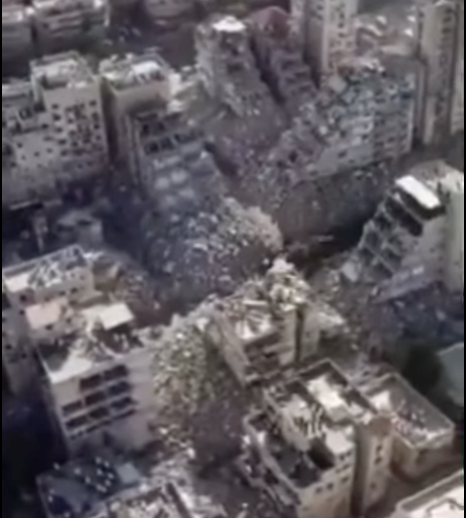
Photo: Screenshot via social media
One video, circulated with the caption “Doomsday in Tel Aviv”, appears to depict a city flattened by bombardment. However, the footage was first posted online before the recent Israel-Iran exchange of fire – and contains tell-tale signs of AI generation. In one frame, two cars approaching each other merge into one. Other vehicles distort and blur unnaturally, while building windows shift shape mid-frame.
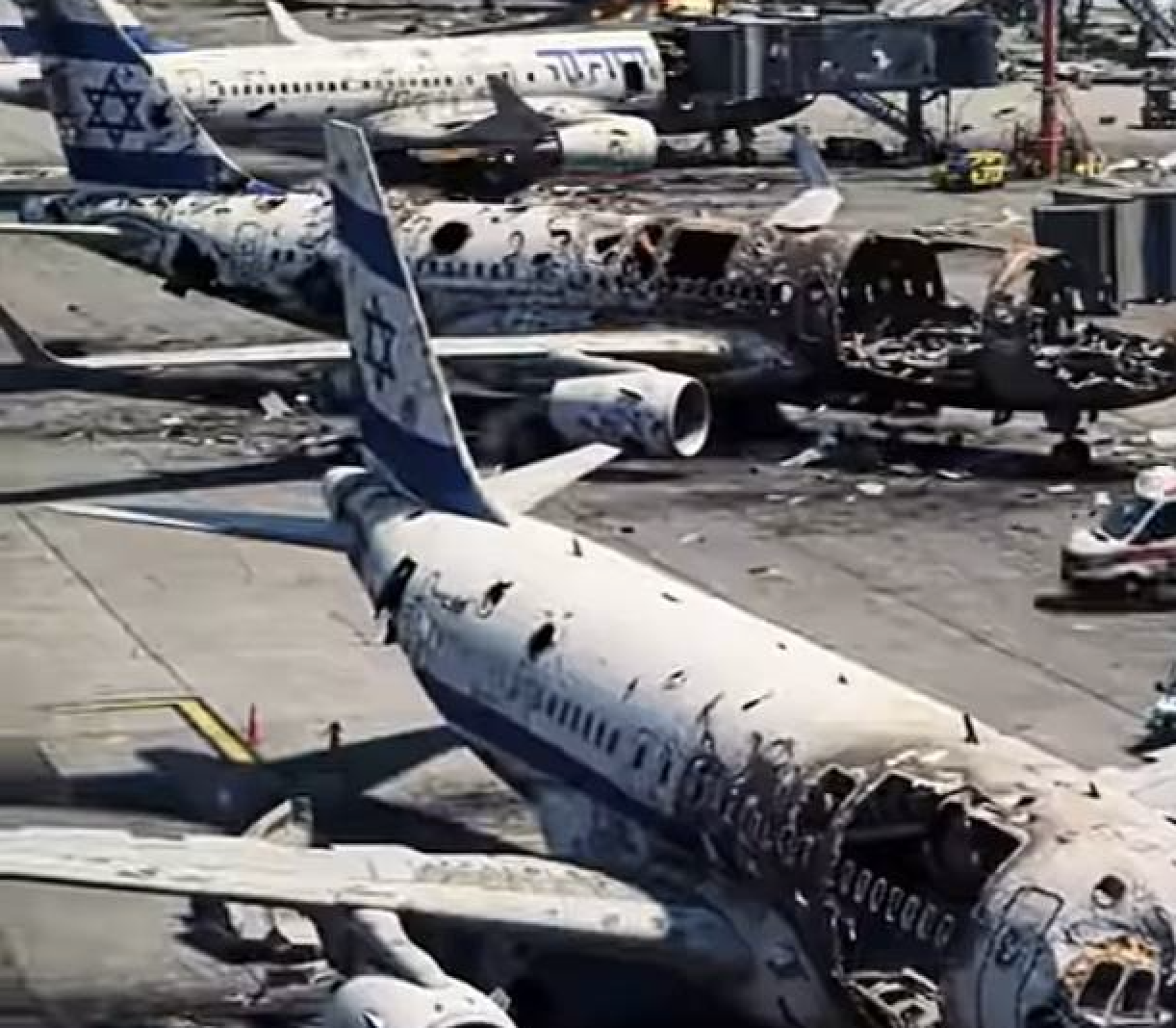
Another image, claiming to show El Al aircraft destroyed in a missile attack on Tel Aviv’s Ben Gurion airport, was traced to a now-deleted TikTok video and likely produced using AI. Experts flagged visual glitches, including floating portholes, distorted fuselages and stationary ambulance wheels despite visible movement.

Photo: Screenshot via TikTok / Fact-checked by Full Fact
“There were clear artefacts suggesting AI generation,” said Dr Siwei Lyu, professor of digital media forensics at the State University of New York at Buffalo. “Part of the plane’s side was missing, but the windows were still neatly lined up and undamaged.” These are strong indicators of synthetic content.



Older, unrelated footage is also now being repurposed. One viral video supposedly showing a drone strike in Tel Aviv was actually a horizontally flipped clip from Kyiv in 2022. Another, falsely captioned as an Iranian missile attack, came from a fire at a motorcycle lot in China earlier this month. Protest videos and airstrike clips from Iraq, Ukraine and Iran dating as far back as 2017 have also resurfaced under misleading headlines.
Even Holocaust history is being distorted using AI. The Auschwitz Memorial condemned a Facebook page for replacing verified images of victims with computer-generated portraits, warning it “risks turning remembrance into fictionalised performance”.

Photo Credit: Auschwitz Memorial / @AuschwitzMuseum
Full Fact urged caution as fake content continues to circulate amid the volatile conflict. “Misleading information can spread quickly during breaking news events, especially during periods of crisis and conflict… It’s important to consider whether [a post] comes from a trustworthy and verifiable source.”

Keep community journalism free.
Jewish News is free for everyone. No paywall. No barriers. Just trusted journalism for anyone who wants to stay connected to Jewish life in Britain.
If you value that, please support us.
From as little as £5 a month, you can help keep our journalism free and accessible to all.
Every day, we report on the issues that matter to our community. We celebrate achievements, support charities, challenge antisemitism and ensure Jewish voices are heard more widely.
From as little as £5 a month, you can help us continue to:
- Report on the stories shaping Jewish life in the UK and beyond
- Bring our community together through shared stories, events and campaigns
- Celebrate the people, culture and moments that define our community
- Support organisations doing vital work across Jewish Britain
You can make a one-off donation or become a regular supporter. Every contribution helps keep our journalism free, independent and accessible to all.
If everyone who values Jewish News gave a small amount, it would make a real difference to our future.