Prefer Jewish News on Google
‘Picking the right stock doesn’t make a great investor’ says former fund manager
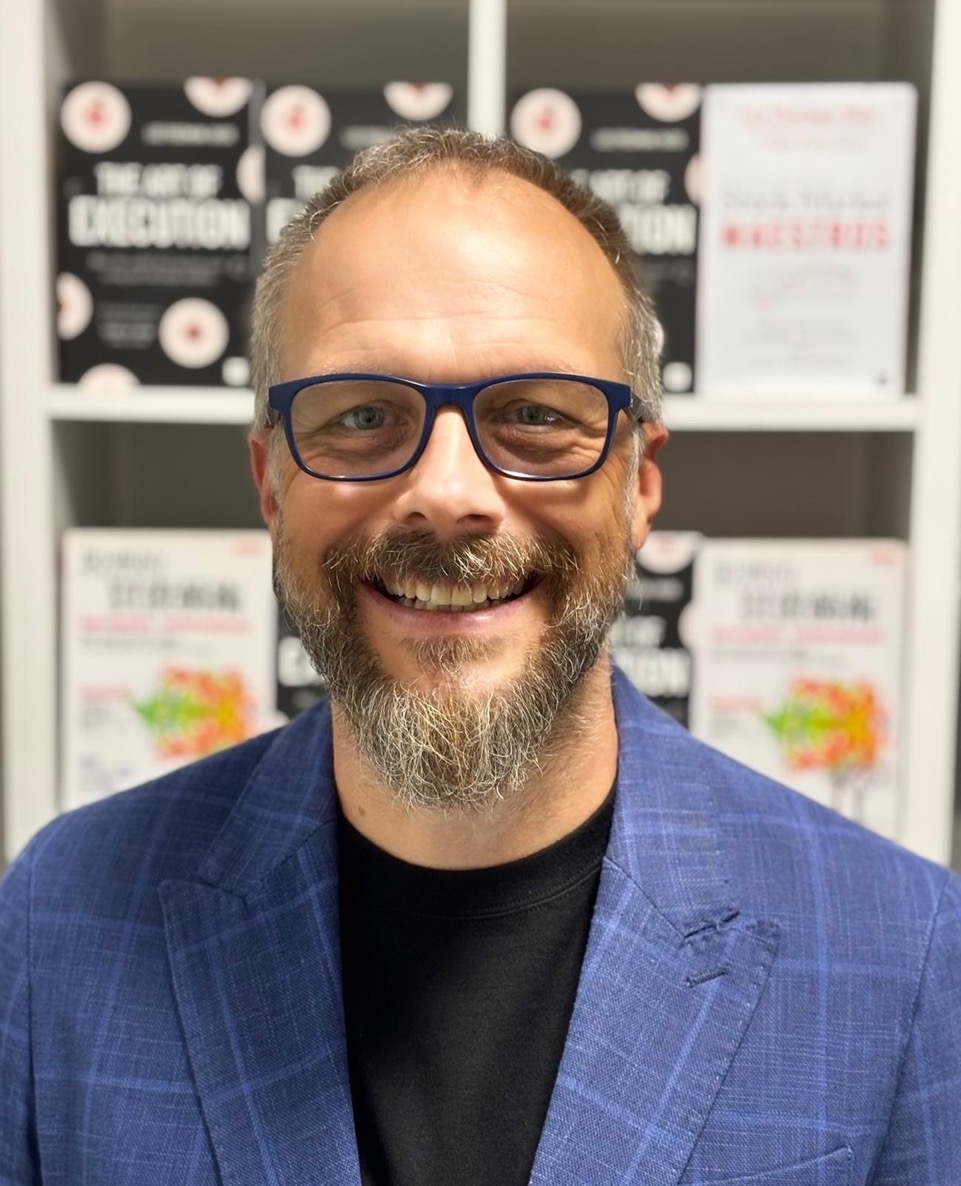
In his new book, Stock Market Maestros, Lee Freeman-Shor explores what really separates the winners from the rest

Investors take note. Success in the market is not about picking the right stock.
According to Lee Freeman-Shor, a former fund manager-turned-author, the real difference between winning and losing lies somewhere else entirely: how investors react when those investments start to go wrong.
Freeman-Shor came to that conclusion after years studying the behaviour of some of the world’s top fund managers while running a range of investment funds.
“The secret to success wasn’t their ability to pick stocks and make a lot of money,” Freeman-Shor tells Jewish News. “It was how they reacted when they found themselves winning or losing.”
That insight sits at the heart of Freeman-Shor’s new book, Stock Market Maestros, co-authored with Clare Flynn Levy. The book is a follow-up to his international bestseller The Art of Execution, which examined how professional investors behaved when their trades started to succeed – or fail.
At the time, Freeman-Shor oversaw a range of funds and allocated capital to leading stockpickers, effectively watching in real time how some of the industry’s most experienced investors handled their highest-conviction ideas.
What surprised him most was how often even elite investors were wrong.
“In reality, it was almost like a toss of a coin whether an idea would make money,” he says. “What mattered far more was what the investor did next.”
In The Art of Execution, Freeman-Shor grouped investor behaviour into a set of “tribes”. When investors are losing money, he found, they typically fall into one of three categories.
The first are “rabbits” – investors who do nothing when a trade goes against them. Like rabbits digging deeper into a burrow, they hope the problem will resolve itself. Often, it does not.
More successful investors tend to fall into two other tribes; “assassins”, who cut their losses early, accepting that an idea was wrong and moving on, and “hunters”, a rarer breed, who respond to falling prices by increasing their investment, but only when they believe the original thesis remains intact.
When investments are winning, the pattern shifts again. Some investors become “connoisseurs”, allowing successful investments to run for years and potentially deliver outsized gains.
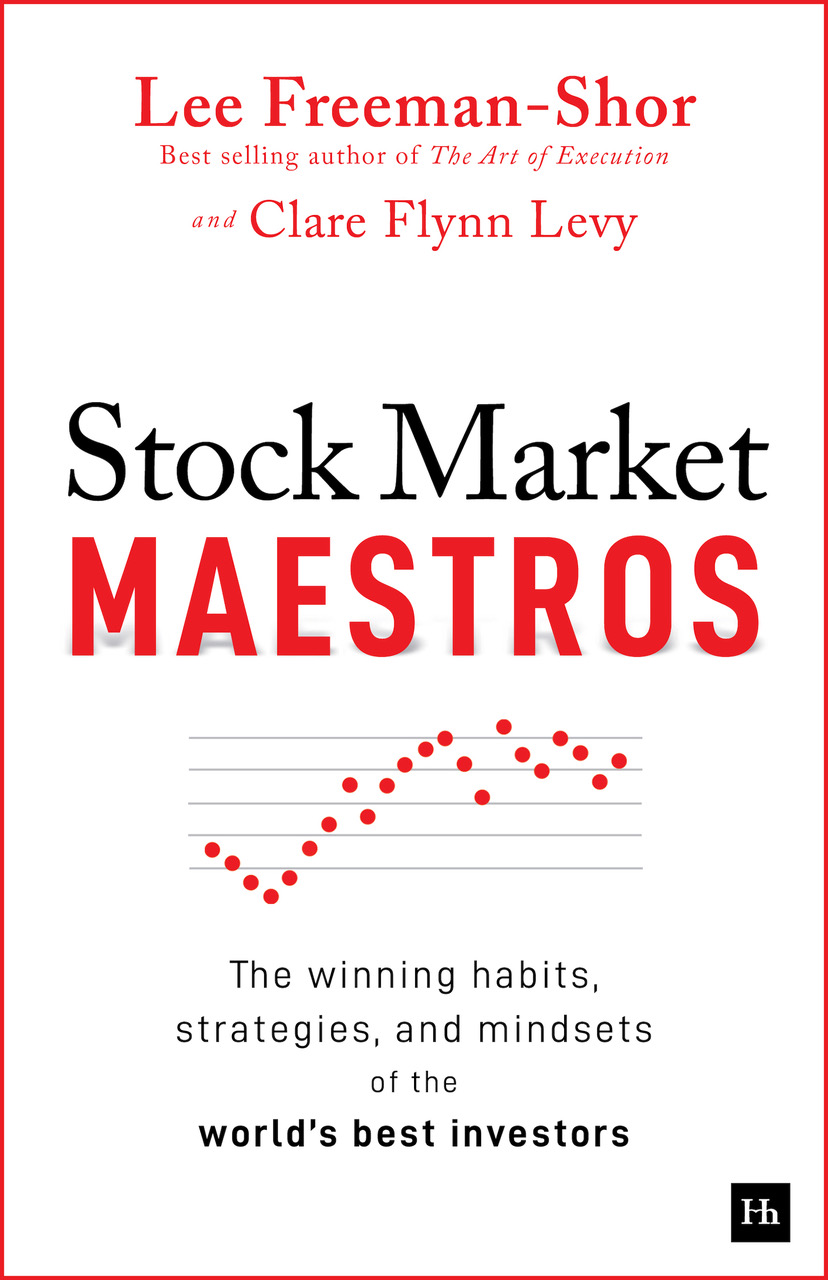 His new book expands on these ideas by examining how some of the world’s leading investors actually behave in practice. Each chapter profiles a top-tier investor, from hedge fund managers in the US to global equity specialists and European stockpickers, and explores real investment decisions they made when faced with gains or losses.
“I wanted to show readers the thought processes behind those decisions and the signals that prompt investors to stay in a trade, add to it or exit. The aim is to help people see what resonates with them and how they might become better investors.”
Among the concepts introduced in the new book is a fresh tribe: the “lumberjacks”.
Named after the seasoned US investor John Barr, who came from a family of lumberjacks, this tribe’s approach appears at first glance to resemble the behaviour of a rabbit, sitting through steep losses. But the crucial difference lies in position sizing.
“Barr invests primarily in US small-cap stocks and typically begins with extremely small positions. Because the initial stake is tiny, even a sharp decline in the share price has little impact on the overall portfolio,” explains Freeman-Shor. “Only once the investment begins to prove itself does he increase the position.
“That means if something goes against him early on, the damage is very small. But if it works, he can gradually build it into something meaningful.”
For individual investors, the lesson is less about copying a particular style and more about thinking ahead. Before committing money to any investment, Freeman-Shor says investors should decide how they will respond if things do not go according to plan.
“You should go into any investment with the mindset that you might be wrong and have a clear plan of action before you put capital into a name.”
Freeman-Shor sees himself as a hybrid of hunter and assassin. “If a stock falls around 25 percent but nothing fundamental has changed, I become a Hunter and materially add to the position. But if it continues to move against me, I flip to being an assassin and I cut the loss and move on. You have to respect the market. It is telling me my idea was bad, or my timing was bad, or both”
That disciplined approach can be particularly important in volatile markets, where geopolitical events or economic uncertainty can drive sharp swings in sentiment. Markets frequently lurch on geopolitical headlines, with oil prices reacting sharply to tensions in the Middle East.
Yet many of the top investors featured in Stock Market Maestros are less focused on macro headlines than on the underlying fundamentals of the companies they own. “They’re very focused on the story and the milestones of the business,” Freeman-Shor says. “If nothing has changed in the company, sometimes market volatility is just noise.”
Ranked among the world’s top fund managers in Citywire 1000, Freeman-Shor has managed more than $2 billion across a range of equity and multi-asset funds. He has served as co-head of equity research at Old Mutual Global Investors and has more than 16 years’ experience in the investment industry. Born in the UK, Freeman-Shor holds the Investment Management Certificate and a law degree From Nottingham Trent University. He now lives in Israel with his wife, Michal Freeman-Shor, head of Primary Markets Israel at the London Stock Exchange, and their son.
Freeman-Shor says living in the country has shaped his perspective on risk. Compared with the UK, he believes Israeli investors tend to be far more comfortable taking bold bets.
“There’s a real willingness here to embrace risk and focus on growth and the future.”
That mindset, he suggests, reflects the entrepreneurial culture around Tel Aviv and Herzliya, which he describes as “like Silicon Valley on steroids”.
So where should investors be putting their money today?
“I don’t really believe in giving stock tips,” he says, noting that even top investors are wrong surprisingly often.
“It’s not about the idea. Whether it’s gold, defence stocks or whatever happens to be fashionable right now, the key question is what you’re going to do if it goes wrong.
“So, if an idea grabs you, just ask yourself two things: what will I do if it starts falling, and if it is winning, when will I know it’s time to take profits?”
Stock Market Maestros: The winning habits, strategies, and mindsets of the world’s best investors, written by Lee Freeman-Shor and Clare Flynn Levy, is published by Harriman House

Keep community journalism free.
Jewish News is free for everyone. No paywall. No barriers. Just trusted journalism for anyone who wants to stay connected to Jewish life in Britain.
If you value that, please support us.
From as little as £5 a month, you can help keep our journalism free and accessible to all.
Every day, we report on the issues that matter to our community. We celebrate achievements, support charities, challenge antisemitism and ensure Jewish voices are heard more widely.
From as little as £5 a month, you can help us continue to:
- Report on the stories shaping Jewish life in the UK and beyond
- Bring our community together through shared stories, events and campaigns
- Celebrate the people, culture and moments that define our community
- Support organisations doing vital work across Jewish Britain
You can make a one-off donation or become a regular supporter. Every contribution helps keep our journalism free, independent and accessible to all.
If everyone who values Jewish News gave a small amount, it would make a real difference to our future.