Prefer Jewish News on Google
Postcards from South America: Jewish identity can’t be contained, it travels with us
Continuing to practise Judaism whilst backpacking was a-given; but in the absence of structured community, something new emerged
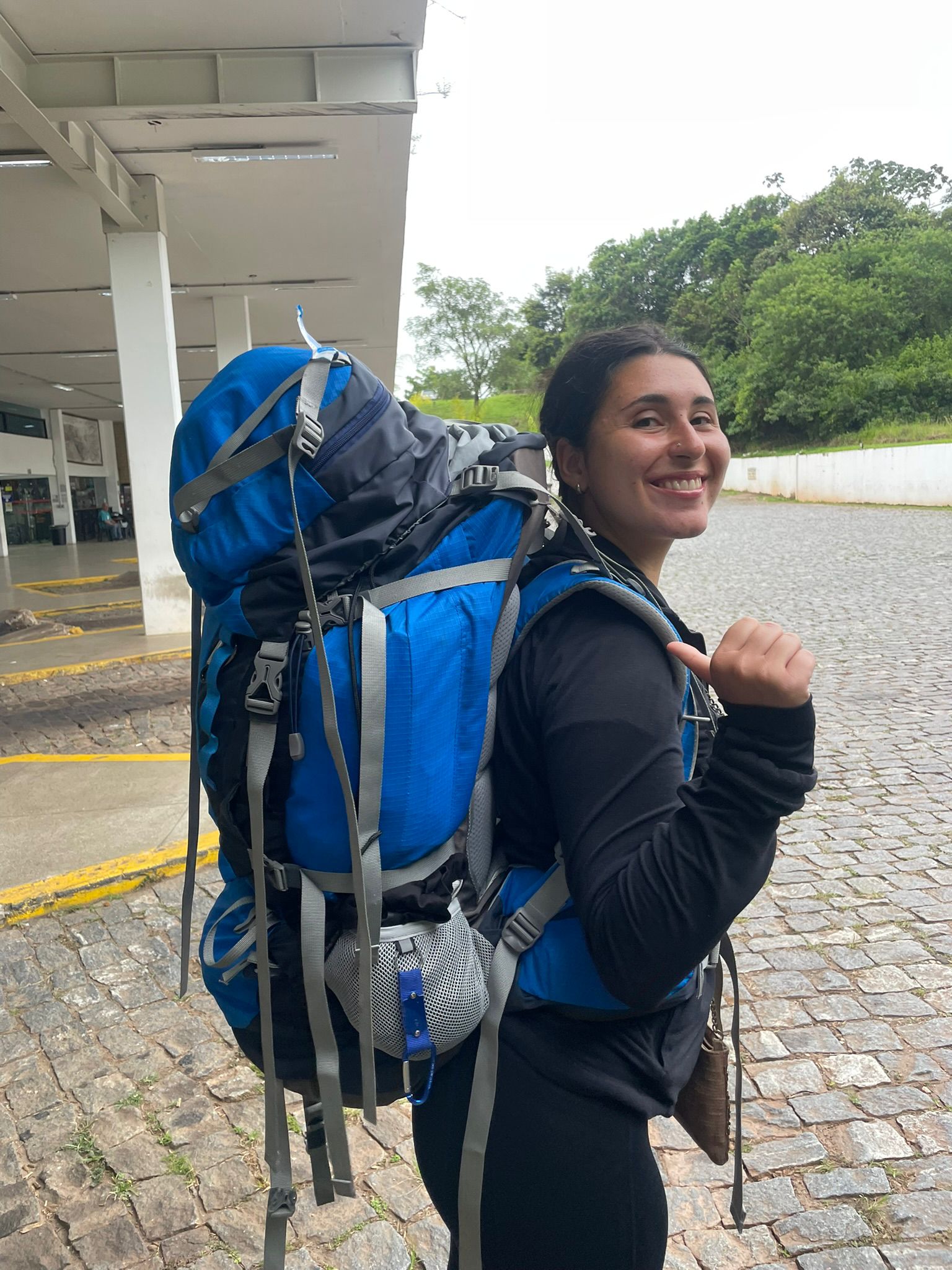
Jewish life persists, even 4000 feet above sea level. Before I embarked on a three month backpacking trip across South America, I was unsure how I’d be able to adapt my kosher and Shabbat lifestyle to destinations without any Jewish infrastructure. Conversely, I discovered that in the moments when I was most geographically isolated from a Jewish community, my identity was its strongest.
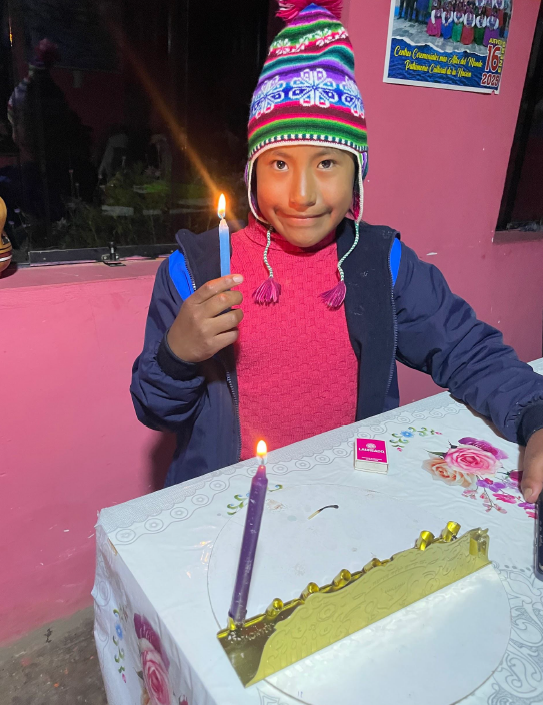
I spent the first night of Chanukah in Peru, staying with an indigenous family on an island on Lake Titicaca: the highest navigable lake in the world. With my travel-chanukiah in hand, I asked my host if I could light some candles for a Jewish celebration.
Bemused by the request, and unsure what a Jew even was, she kindly obliged, gathering her family to join in. After lighting the candles, it was time to sing. But asking an indigenous Peruvian family, who had only met their first Jew that evening, to sing Maoz Tzur felt like an unreasonable ask.
Instead, we sung the Ladino Chanukah melody Ocho Kandelikos together in Spanish, creating an unexpectedly beautiful connection between my Sephardic ancestry with Quechua culture.
This experience was particularly meaningful in light of the horrific Bondi shooting that occurred hours before. Unlike other recent antisemitic attacks, I was completely disconnected from any Jewish community. 3 boats and 11 hours away from modern civilisation, there was hardly a way to contact friends and family, let alone attend a vigil to mourn those murdered.

Lighting Chanukah candles therefore became a way to simultaneously mourn and honour the victims. In a world where being Jewish can feel at best challenging, and at its worst life-threatening, I was reminded of the joy of sharing Judaism with others. Whilst retreating further into safe communal spaces is often the instinctive response to antisemitism, we mustn’t neglect our mission of being ‘light upon the nations’. This doesn’t need to mean grand moral gestures; it can start with the simple flame of a candle.
Inspired by my interfaith experience 4000 feet high, I decided to continue this in my next destination: Brazil. Unlike Peru where I was travelling solo, I was joined by several of my non-Jewish friends. All of them were familiar with the perceived limitations of Jewish life, whether that be kashrut or Shabbat restrictions. But I wanted to show them another side of Judaism, one of abundance, joy and generosity.
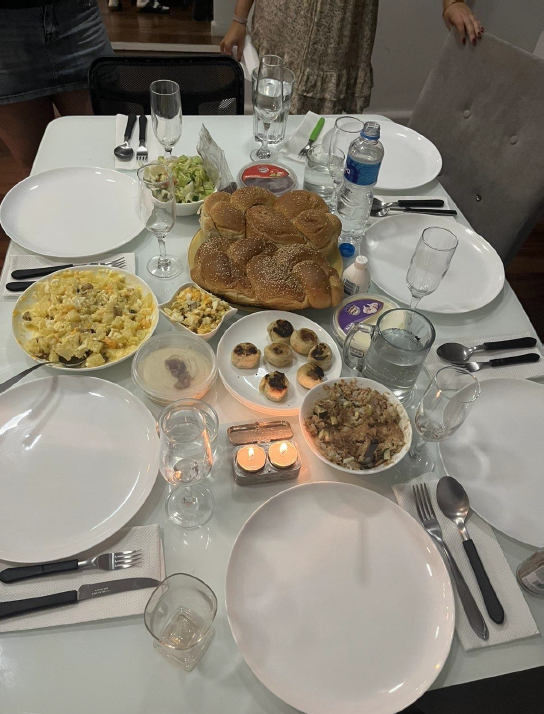
So with the help of my UJS Leadership Fellowship Grant, I organised an interfaith Friday night dinner in Rio. Two years ago, I completed the UJS Leadership Fellowship. It was a formative experience, uniting campus leaders across the UK and Ireland, training us on a range of issues from combatting antisemitism to conflict resolution.
As well as an invaluable network and mentorship, fellows have a yearly grant to use towards leadership development. This enables us to actualise what we’ve learned from the Fellowship into tangible leadership projects. So on the other side of the world, I used this grant for my interfaith Shabbat.
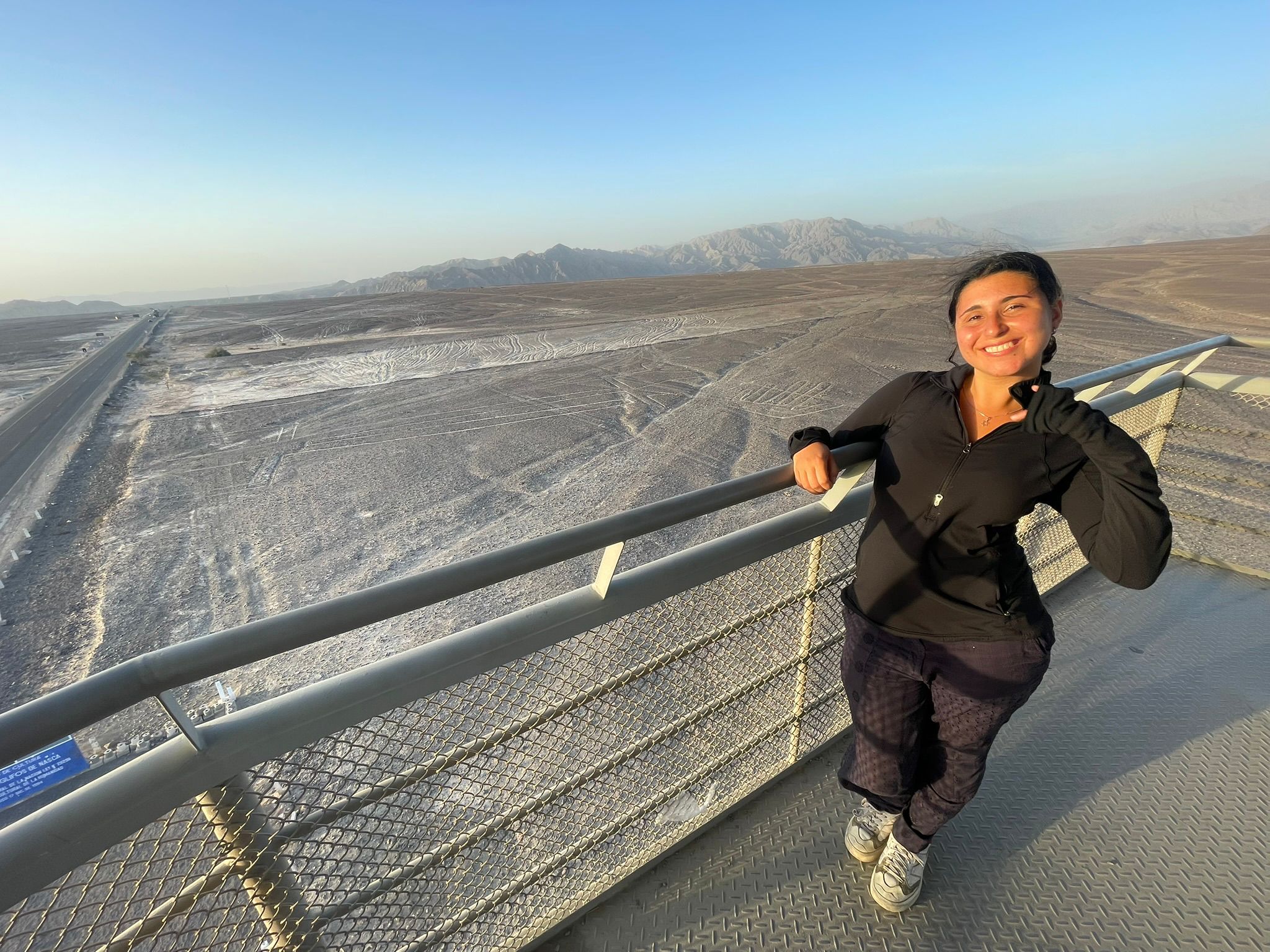
Most visible Jewish leadership since 7 October has been reactive, focussing on combatting the torrent of campus antisemitism. However, using my leadership grant reminded me of a more subtle, but equally important form of leadership; bridge-building.
We spent Friday shopping and cooking in the classic ‘’pre-Shabbat rush’’, encountering various halachic conundrums on the way. I used food as a tool for education, enriching their knowledge of Jewish history spanning both Ashkenazi and Sephardic traditions. Honouring my mixed heritage from Turkey and Russia, I taught my friends recipes from both sides of the family, passed down from my grandmothers.
Finally, 18 minutes before sunset we each lit a Shabbat candle, taking a moment to pray, reflect or simply take in the moment. As the dinner took place, I led and explained the various idiosyncratic traditions that we take for granted every week.
Continuing to practise Judaism whilst backpacking was a-given. But in the absence of structured community, something new emerged. These experiences taught me that Jewish identity can’t be contained, it travels with us.
Emma Levy, exchange student in UCA, Buenos Aires; associate fellow at UK Abraham Accords Group

Keep community journalism free.
Jewish News is free for everyone. No paywall. No barriers. Just trusted journalism for anyone who wants to stay connected to Jewish life in Britain.
If you value that, please support us.
From as little as £5 a month, you can help keep our journalism free and accessible to all.
Every day, we report on the issues that matter to our community. We celebrate achievements, support charities, challenge antisemitism and ensure Jewish voices are heard more widely.
From as little as £5 a month, you can help us continue to:
- Report on the stories shaping Jewish life in the UK and beyond
- Bring our community together through shared stories, events and campaigns
- Celebrate the people, culture and moments that define our community
- Support organisations doing vital work across Jewish Britain
You can make a one-off donation or become a regular supporter. Every contribution helps keep our journalism free, independent and accessible to all.
If everyone who values Jewish News gave a small amount, it would make a real difference to our future.