
 Prefer Jewish News on Google
Progressively Speaking: Purim teaches us to embrace an upside-down world
Rabbi Deborah Blausten looks ahead to the festival filled with dressing up and fun, but which will be very different this year due to the pandemic
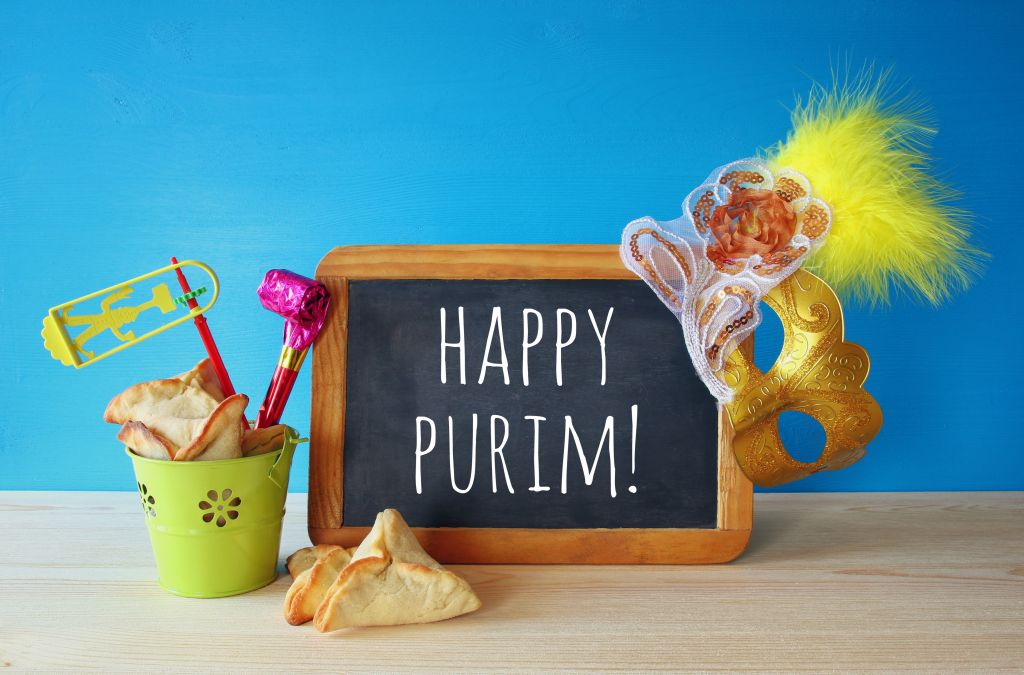
When the month of Adar arrives, we increase our joy – so teaches
the Talmud.
Yet here we are, in the Hebrew month of Adar, and life in lockdown – with an acute awareness of our own mortality – is hardly conducive to the emergence of feelings of joy.
For many of us, Purim last year is when the pandemic reached our communities and approaching this year’s celebration is complicated by the emotions anniversaries bring.
The Purim story is a historical novel. Read by Jewish communities who have, for millennia, lived with and understood Haman-like danger and longed for Esther-like heroism.
Although we see the festival as a children’s story, the heart of the story is inescapably dark, it’s an awfulness that is all too easy to know.
The combination of the horror of the Purim story, and the ideas it confronts, with the levity of celebration tells us something eternal about how people have coped with the existence of immense challenges.
Purim is a religious acknowledgement that confronting our deepest fears and most difficult experiences is a tricky business.
Outrageousness, laughter and the freedom from social expectations allows for a kind of truth-telling about the brutality of our experience of life that can only occur because of the way it is held within the festival and laced with silliness.
Purim offers a limited release from the heaviness of living with grief and an awareness of our own mortality. When everyday life is absurd, Purim is permission to acknowledge the upside-downness of the world rather than trying to carry on as usual, and to have cause to break from routine and expectation.
This year, more than ever, Purim gives all of us an opportunity to offer a religiously-sanctioned, two-fingered salute to the brutal reality of our situation and all of its frustrations.
Refusing to get out of bed, eating cake for breakfast, ‘losing’ all of the passwords to a day of Zoom school, all fit well within the expectation that everything is turned upside down for a day.
This year we don’t need to read the megillah to understand how fragile our lives are, but we can use Purim to remind ourselves a little of the absurd joy of living.
- Rabbi Deborah Blausten serves Finchley Reform Synagogue

Keep community journalism free.
Jewish News is free for everyone. No paywall. No barriers. Just trusted journalism for anyone who wants to stay connected to Jewish life in Britain.
If you value that, please support us.
From as little as £5 a month, you can help keep our journalism free and accessible to all.
Every day, we report on the issues that matter to our community. We celebrate achievements, support charities, challenge antisemitism and ensure Jewish voices are heard more widely.
From as little as £5 a month, you can help us continue to:
- Report on the stories shaping Jewish life in the UK and beyond
- Bring our community together through shared stories, events and campaigns
- Celebrate the people, culture and moments that define our community
- Support organisations doing vital work across Jewish Britain
You can make a one-off donation or become a regular supporter. Every contribution helps keep our journalism free, independent and accessible to all.
If everyone who values Jewish News gave a small amount, it would make a real difference to our future.





















