Prefer Jewish News on Google
Progressively Speaking! What does lockdown easing really mean for our community?
Rabbi Miriam Berger takes a topical issue and offers a Reform Jewish response
Lockdown is easing – but it doesn’t really feel that way. I’m struggling to understand the difference between what we “can” do and what we “should” do.
When we were in lockdown, it was easier to follow the rules. There were things we would have liked to do, but couldn’t. There were even things we felt were intrinsic to our lives that we were denied the chance to do, but we were “staying home and saving lives”. We tried to make the best of it knowing that everyone was in the same boat.
However, the government has deemed that easing restrictions is a necessity to get on with life and move towards a new normal. But just because we can, should we?
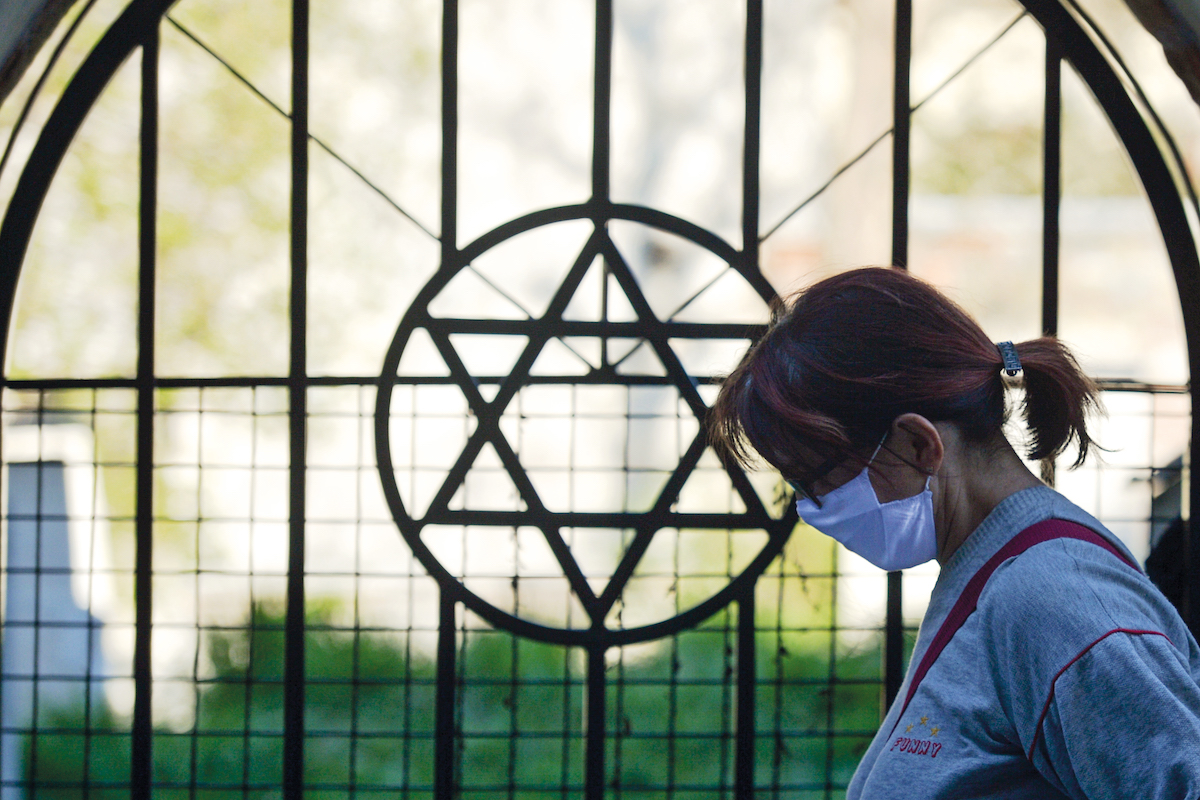
The guidelines for places of worship highlight that this isn’t about the pleasure of being with our community, but should only be about fulfilling a religious obligation.
No Kiddush. No singing. No socialising on the premises afterwards or allowing congregants to congregate. The latest move to permit places of worship to open is only about enabling people to perform their religious rituals.
With the creation of online minyanim reaching more Jews than ever before and providing the ability for people to fulfil their Jewish obligations without fear of infection, there is a persuasive argument for us to preserve our reluctant, but surprisinly successful, status quo.
However, with the most recent announcements from the government, I’m left completely bemused.
If we wanted to have Kiddush at Wagamama, it seems the government would happily subsidise half (terms and conditions apply). If we wanted to discuss and debate the finer points of the sermon after the service, it seems we would have to do so in our nearest Wetherspoons pub, and yet the guidelines for opening places of worship clearly state “no one should be permitted to pray anywhere except the designated area”.
We are living in a state of confusion, where you can help boost the economy at the same time as increasing the risk of bringing the country back into lockdown, should someone in your bar or restaurant be an asymptomatic carrier of the virus.
When choosing how and where you can fulfil your religious obligation, consider how you can avoid putting yourself or anyone else at risk and, importantly, remember the difference between “can” and “should”.
- Rabbi Miriam Berger serves Finchley Reform Synagogue

Keep community journalism free.
Jewish News is free for everyone. No paywall. No barriers. Just trusted journalism for anyone who wants to stay connected to Jewish life in Britain.
If you value that, please support us.
From as little as £5 a month, you can help keep our journalism free and accessible to all.
Every day, we report on the issues that matter to our community. We celebrate achievements, support charities, challenge antisemitism and ensure Jewish voices are heard more widely.
From as little as £5 a month, you can help us continue to:
- Report on the stories shaping Jewish life in the UK and beyond
- Bring our community together through shared stories, events and campaigns
- Celebrate the people, culture and moments that define our community
- Support organisations doing vital work across Jewish Britain
You can make a one-off donation or become a regular supporter. Every contribution helps keep our journalism free, independent and accessible to all.
If everyone who values Jewish News gave a small amount, it would make a real difference to our future.