Prefer Jewish News on Google
Red Alert: Drama series about horror and humanity of October 7 is for everyone who needs reminding
A Hollywood producer and an Israeli writer-director have recreated the tragedy of October 7 for a TV series
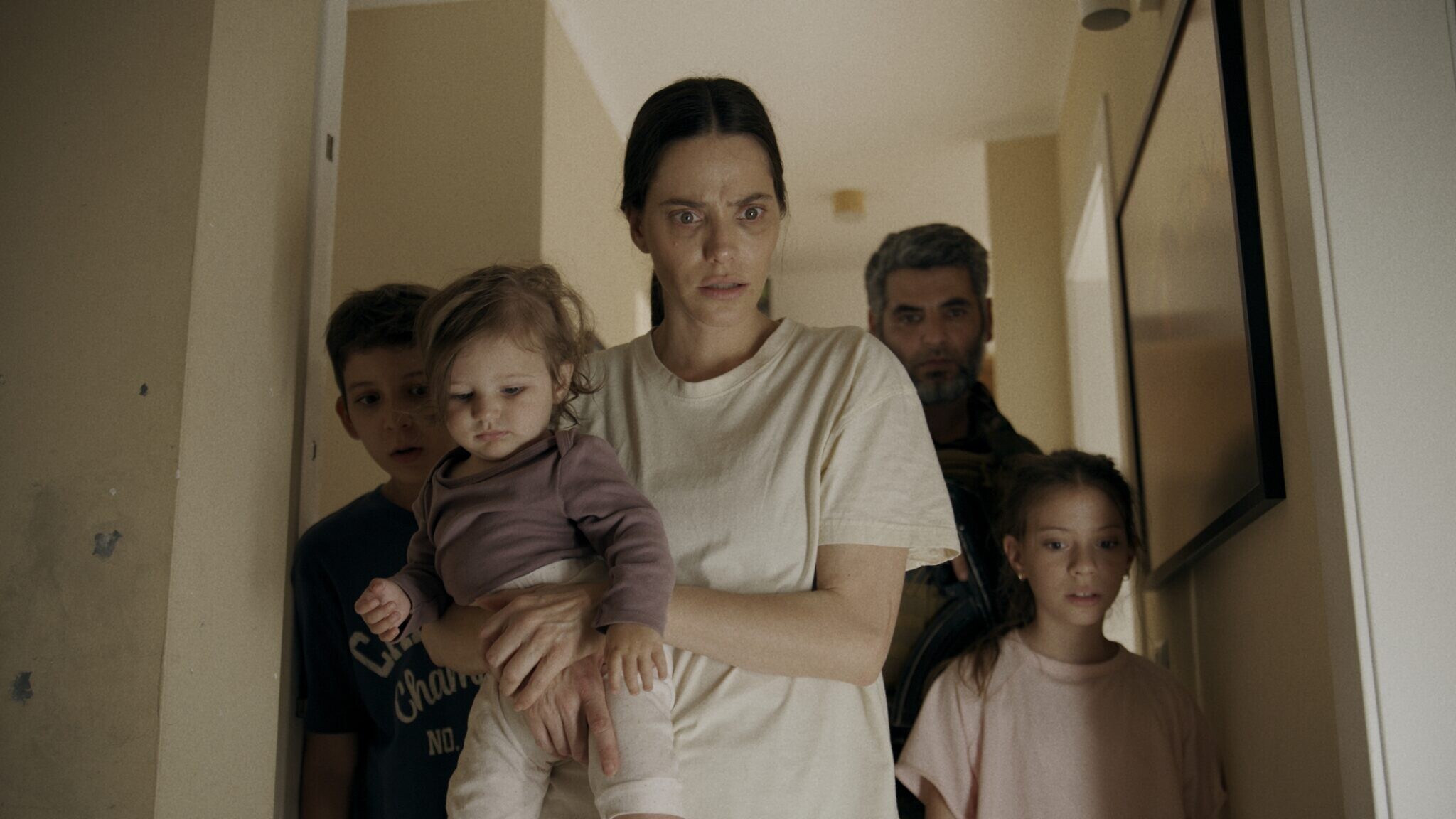
If the aim has been to get the world to acknowledge what happened on October 7, then a drama series with the title Red Alert might just achieve it. It’s a title which suggests the thrills and danger that attract the kind of audience who would not watch a show about the darkest day in Jewish history since the Holocaust. Should that ‘unlikely’ audience take the bait, their interest may be piqued when, 20 minutes into the first episode, a Palestinian woman is murdered. That she is murdered by Hamas terrorists is what they will have to compute.
The woman is the wife of Ayub, a Muslim Palestinian who has lived inside Israel for 20 years. Their baby is in the back seat when she is shot and killed beside her husband by terrorists with AK47s on motorbikes.
This opening isn’t fiction. It’s based on a true story — one of many that unfold in Red Alert, the new Paramount+ drama re-creating the Hamas terror attack on Israel. Born in Gaza, Ayub immigrated to Israel in his twenties. “He married a Bedouin Muslim wife,” explains director and co-creator Lior Chefetz. “He was in limbo in terms of getting his permanent residency because Israel can be slow in approving those requests. Every year he had to renew his ID card,and couldn’t apply for a driver’s licence. That’s why his wife drove him everywhere.”
Chefetz says Ayub’s story captures everything the show stands for – humanity caught in horror, complexity inside tragedy. “We wanted to open the series with a story that no one could politicise. You only feel compassion for this man. It’s about what happened to human beings that day.”
October 7, 2023, was Simchat Torah, one of the most joyful days in the Jewish calendar. Families were gathering for the holiday weekend, many already outside enjoying the early light. But by dawn, the celebration was over. Rockets streaked across the sky and the deadliest day was underway.
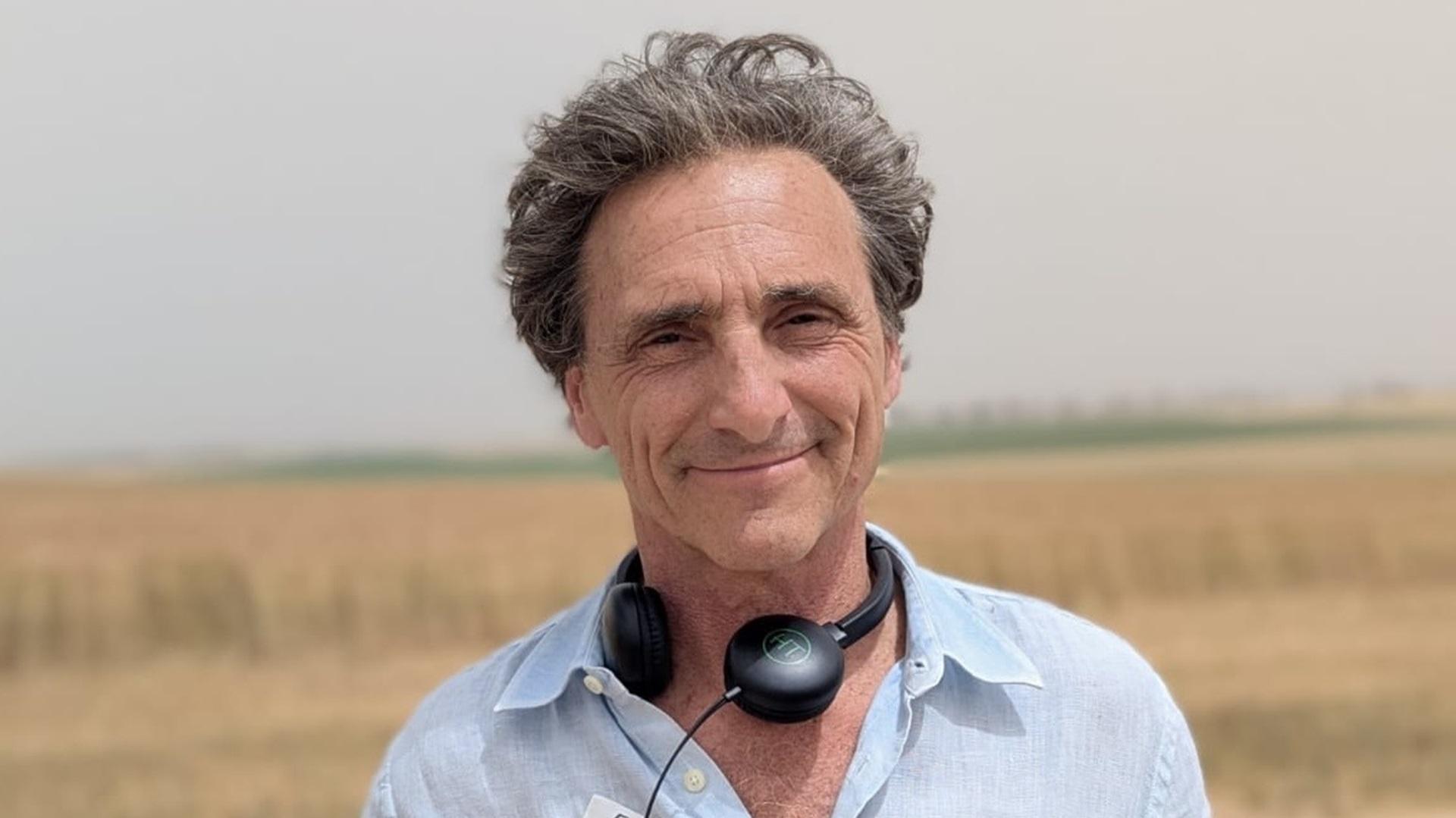
For Hollywood producer Lawrence Bender that day changed everything. The man behind Pulp Fiction, Inglourious Basterds and Good Will Hunting, who built his career on genre-defining hits, knew he had to do something.
“A few weeks after October 7, I was hosting survivors at my house, having them speak,” Bender recalls. “Early on, we were all asking ourselves, ‘What can we do to help?’” Then Avi Nir, CEO of Keshet, one of Israel’s largest media companies, came to give a presentation. “As an Israeli he was greatly affected on a personal level,” says Bender. “That morning, the government didn’t know what was going on, but Keshet had reporters already in the field, reading off their cell phone messages in real time: ‘There’s a terrorist in my kibbutz!’ ‘There’s a terrorist trying to break down my door!’ He was seeing it as it happened. It was extremely emotional, and afterwards I said to him, ‘Listen, we’re going to have a big problem. It’s already clear that the world is turning against us. We need to work together.’ And that’s how it began.”
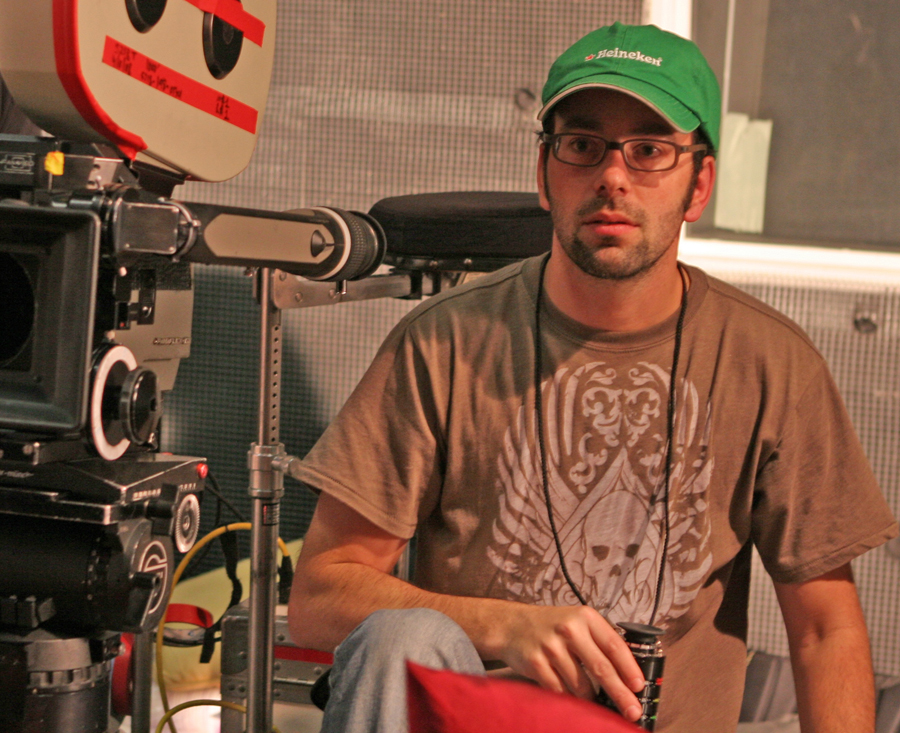
Red Alert dramatises the intersecting stories of Israelis who found themselves in the path of terror. Families from kibbutzim, Nova festival-goers, soldiers and first responders. Filming in Israel presented challenges unlike anything Bender had encountered in Hollywood. “The Israeli crew had a third of the amount of people needed, and we didn’t have the same access to equipment or technical toys but somehow, we had to accomplish the same amount,” he says. “But creativity is creativity. And the chutzpah! If there’s one minute left to get a shot and the director says, ‘I need this,’ the crew literally picks up the camera and runs up a hill. We get the shot, and that shot’s in the show.”
There were moments when fiction and reality collided. “We were filming a scene in the Gaza envelope with actor Rotem Sela, who plays real-life mother Bat Sheva Yahalomi. She’s with her daughter and baby, taking a breather as they’re escaping, and in the background, you hear bombs going off in Gaza. You actually hear the war going on. We had to carry portable concrete safe houses. If an alarm goes off, you have fifteen seconds to run into one. That’s the protocol.”
Chefetz describes writing the series as a kind of emotional survival. “In Hebrew, they say, ‘When the cannons fire, the muses are silent.’ In war, it’s hard to create, but after two or three months, I felt I needed to write something. I couldn’t just sit at home. Being passive and just absorbing news wears you down emotionally.” He refused Red Alert when Green Productions first approached him. “I said, ‘No, I can’t handle it. It’s too much.’ But by the end of December, I said yes.”
The creative challenge was to humanise an event already saturated with politics and headlines. “October 7 ended that day, but incited something huge that keeps rolling,” says Chefetz. “To put margins around it, dissect it, and focus on that event. We wanted a true representation of different communities. We approached survivors, asked if they wanted to talk. Some said no, sometimes yes,” Chefetz says. “With Bat Sheva Yahalomi, it took months to reach her because her son had just come back from captivity and her husband was still missing. When we finally met, she said, ‘The best way for me to tell you my story is to stand in the places where it happened and tell you.’”
Chafetz recalls the crew visit to Kibbutz Nir Oz, which was “completely abandoned. There are toys, books, dishes on the table, but everything is riddled with bullets and grenade marks. It’s incomprehensible.”
For Bender, those moments reinforced the purpose of the project. “The world needs to be reminded,” he says. “Half the world doesn’t even believe this happened or doesn’t know it happened.”
Neither Bender nor Chefetz wanted to sensationalise the horror. “In reality, it was so much worse than what we created,” Chefetz says. “The stories are so moving that we didn’t need to push the gore on screen. It’s implied. It’s dramatic. But it was important to us that we’re truthful.”
For Bender, the motivation is as clear – “I wanted to create something that says to the world: ‘Wake up!’”
If Red Alert is the wake-up call Bender hopes for, it’s done its job. Not with propaganda or politics, but testimony. Two years on, it arrives as both memorial and mirror to a day that began in joy and ended in terror.
Red Alert is on Paramount+

Keep community journalism free.
Jewish News is free for everyone. No paywall. No barriers. Just trusted journalism for anyone who wants to stay connected to Jewish life in Britain.
If you value that, please support us.
From as little as £5 a month, you can help keep our journalism free and accessible to all.
Every day, we report on the issues that matter to our community. We celebrate achievements, support charities, challenge antisemitism and ensure Jewish voices are heard more widely.
From as little as £5 a month, you can help us continue to:
- Report on the stories shaping Jewish life in the UK and beyond
- Bring our community together through shared stories, events and campaigns
- Celebrate the people, culture and moments that define our community
- Support organisations doing vital work across Jewish Britain
You can make a one-off donation or become a regular supporter. Every contribution helps keep our journalism free, independent and accessible to all.
If everyone who values Jewish News gave a small amount, it would make a real difference to our future.