Prefer Jewish News on Google
Religious education to join National Curriculum for the first time
Board of Deputies and PaJeS welcome plans for national RE standards while safeguarding the distinctive ethos of faith schools
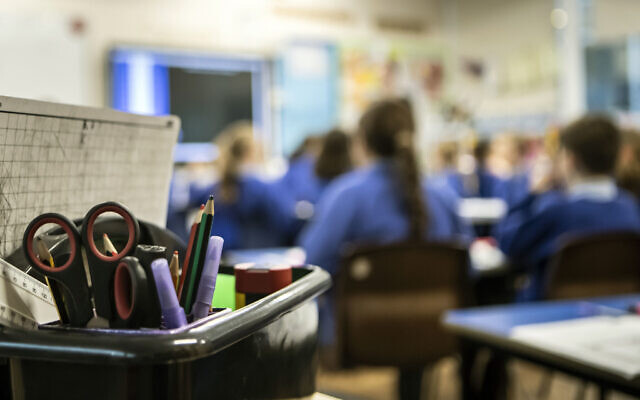
Religious education is set to become part of England’s National Curriculum for the first time after the Government reached agreement with faith groups on what pupils should learn.
Education Secretary Bridget Phillipson announced that a public consultation on the proposed curriculum will open in September, following what she described as a consensus reached by representatives from across Britain’s faith communities.
Although religious education is already compulsory in schools, it currently sits outside the National Curriculum, meaning its content is decided locally and can vary widely. Under the proposals, national expectations would be introduced for the subject while faith schools would continue to teach RE in line with their own religious ethos.
Announcing the reforms, Phillipson said: “Learning about the world’s great faiths and traditions teaches children not just about the world, but how to live alongside and tolerate one another within it.”
She added: “In such fractured times, it should be a source of hope that those representing the full spectrum of religion in this country have reached consensus on the most fundamental of points: what our children should learn about the world’s faiths, communities and traditions.”


The Board of Deputies, which has long campaigned for religious education to be included in the National Curriculum, welcomed the announcement.
Board Vice President Jeremy Michelson said: “Widespread religious literacy is important for social cohesion in the UK and good quality RE in schools plays a vital role in achieving this. We want to see every child taught to understand and respect difference, rather than let it divide us.”
The Board said its Education Officer, Anna Silver, helped develop the proposed programme of study through a Taskforce led by Dr Vanessa Ogden, alongside representatives from faith groups and education organisations.
PaJeS, the Jewish school support network, also welcomed the proposals, saying they strike an important balance between national consistency and the autonomy of faith schools.
Rabbi David Meyer, chief executive of PaJeS, said: “PaJeS welcomes the inclusion of Religious Education in the National Curriculum. RE plays a vital role in helping children develop the moral and ethical values that our society so greatly needs, and in fostering understanding and respect between communities.
“We have worked closely with the RE taskforce throughout this process, and this engagement has helped ensure that the long-standing arrangements for faith schools, which make up a third of state schools in England, have been protected. We are pleased that the Government has confirmed that schools with a religious character will retain the freedom to build on the national requirements in line with their own ethos and traditions.
“As the consultation on curriculum content progresses, we will continue to engage to ensure the right balance is struck between consistent, high-quality RE for all pupils and the protection of the religious freedoms that faith schools rely upon.”
According to the Department for Education, bringing RE into the National Curriculum will establish clearer expectations for what pupils are taught while allowing schools to build on those requirements. Pupils will study a range of religious and non-religious worldviews, alongside the beliefs, traditions and values that shape local, national and global communities.
The draft curriculum was developed with representatives from the Board of Deputies, the Office of the Chief Rabbi, the Catholic Education Service, the Church of England, the Association of Muslim Schools, Hindu and Sikh education leaders, Humanists UK, the Confederation of School Trusts, the Association of School and College Leaders and the National Association of Head Teachers.
The Government’s consultation on the proposed curriculum will begin in September before ministers decide on the final programme of study.

Keep community journalism free.
Jewish News is free for everyone. No paywall. No barriers. Just trusted journalism for anyone who wants to stay connected to Jewish life in Britain.
If you value that, please support us.
From as little as £5 a month, you can help keep our journalism free and accessible to all.
Every day, we report on the issues that matter to our community. We celebrate achievements, support charities, challenge antisemitism and ensure Jewish voices are heard more widely.
From as little as £5 a month, you can help us continue to:
- Report on the stories shaping Jewish life in the UK and beyond
- Bring our community together through shared stories, events and campaigns
- Celebrate the people, culture and moments that define our community
- Support organisations doing vital work across Jewish Britain
You can make a one-off donation or become a regular supporter. Every contribution helps keep our journalism free, independent and accessible to all.
If everyone who values Jewish News gave a small amount, it would make a real difference to our future.