REVIEW: Here There are Blueberries
Anonymous photos depict a side of life not seen before at Auschwitz
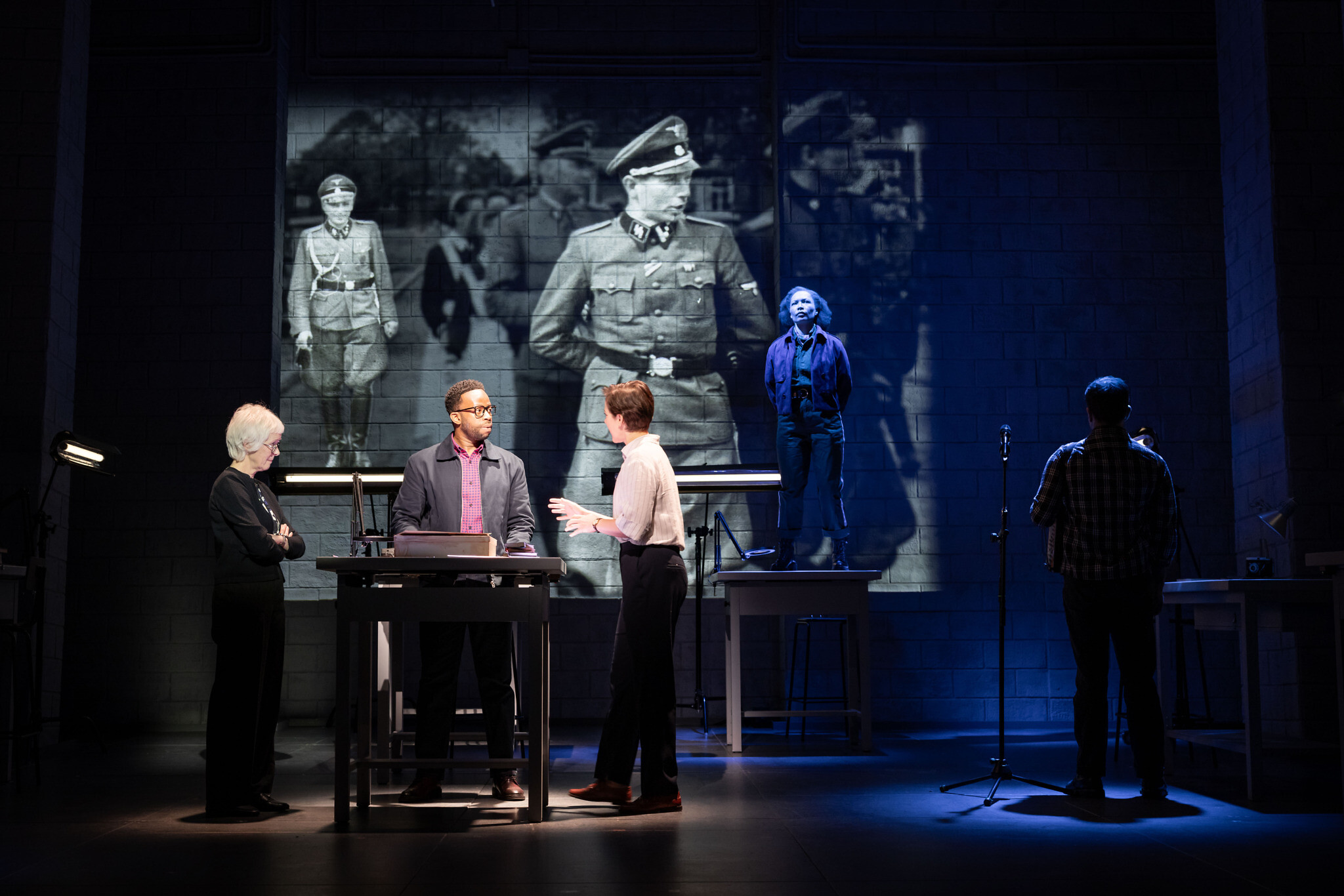
Here There are Blueberries is a stunning new theatre play that made its UK debut at Stratford East theatre.
Written by Moisés Kaufman, it tells the remarkable, and true, story of a photo album that set in a motion of a chain of events that revealed a completely new, and very revealing, side of life in the Auschwitz concentration camp.
It is set in 2007, when an anonymous person sent an album featuring Nazi-era photographs to a US Holocaust Memorial Museum archivist. As curators unravelled the shocking truth behind the images, the album soon made headlines and ignited a debate that reverberated far beyond the museum walls.
Painstaking research revealed that the album was a unique, never before seen, record of the lives of the Nazi men and women living in the camp. Their life was peppered with pleasure including stays in a holiday home, with food and luxuries at their disposal. But most importantly, by analysing and studying the images from each of the photos, the archivists could definitively show that everyone, regardless of their role in the camp, was complicit and knew precise details about the horrors and murders taking place in Auschwitz.
The title of the play is taken from one of the photos when a line-up of the “girls” who worked in the camp’s admin department are each eating a bowl of blueberries. One girl is pictured “crying” from her “distress” at her bowl being empty because she has finished eating all of her fruit.


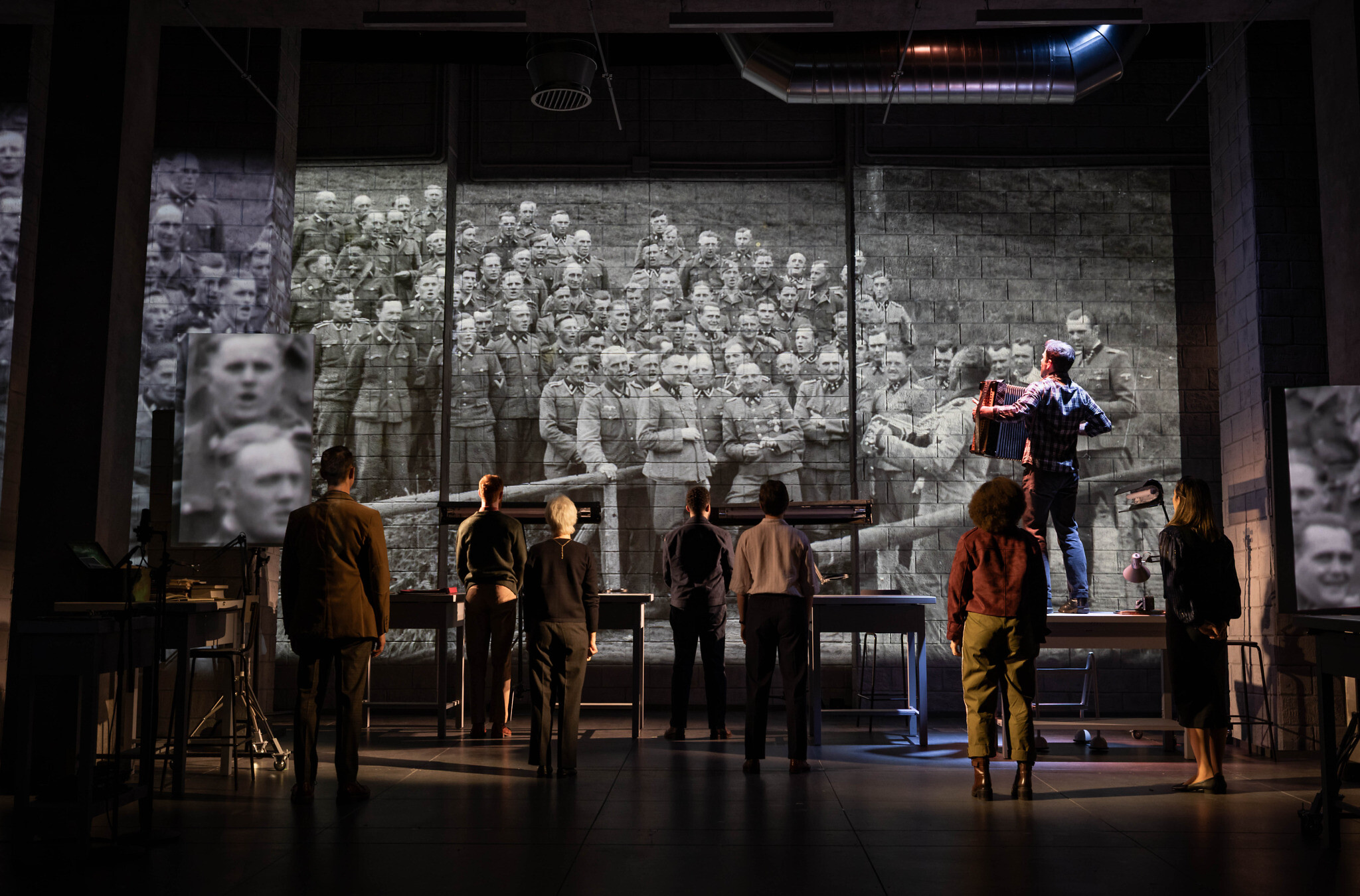
The play is beautifully performed with wonderful staging and lighting and shows how the actions of the Nazis can still reverberate through the generations. The storyline reveals how, when the story of the album is publicised in the press, one photograph is seen by a young man who, to his horror, recognises his grandfather. The audience sees the impact the revelation has on his life.
A haunting and salutary story, co-written by Venezuelan-American theatre director and filmmaker Moisés Kaufman and conceived and directed by him, with the Tectonic Theatre Project. The play raises many questions and moral issues. In recognition of this some performances were followed by Q and A sessions to help audience members explore the complex issues raised in the play.

Keep community journalism free.
Jewish News is free for everyone. No paywall. No barriers. Just trusted journalism for anyone who wants to stay connected to Jewish life in Britain.
If you value that, please support us.
From as little as £5 a month, you can help keep our journalism free and accessible to all.
Every day, we report on the issues that matter to our community. We celebrate achievements, support charities, challenge antisemitism and ensure Jewish voices are heard more widely.
From as little as £5 a month, you can help us continue to:
- Report on the stories shaping Jewish life in the UK and beyond
- Bring our community together through shared stories, events and campaigns
- Celebrate the people, culture and moments that define our community
- Support organisations doing vital work across Jewish Britain
You can make a one-off donation or become a regular supporter. Every contribution helps keep our journalism free, independent and accessible to all.
If everyone who values Jewish News gave a small amount, it would make a real difference to our future.