Prefer Jewish News on Google
Review: Speechless documentary
Before you send your child to university, watch this film. It may change how you see higher education.
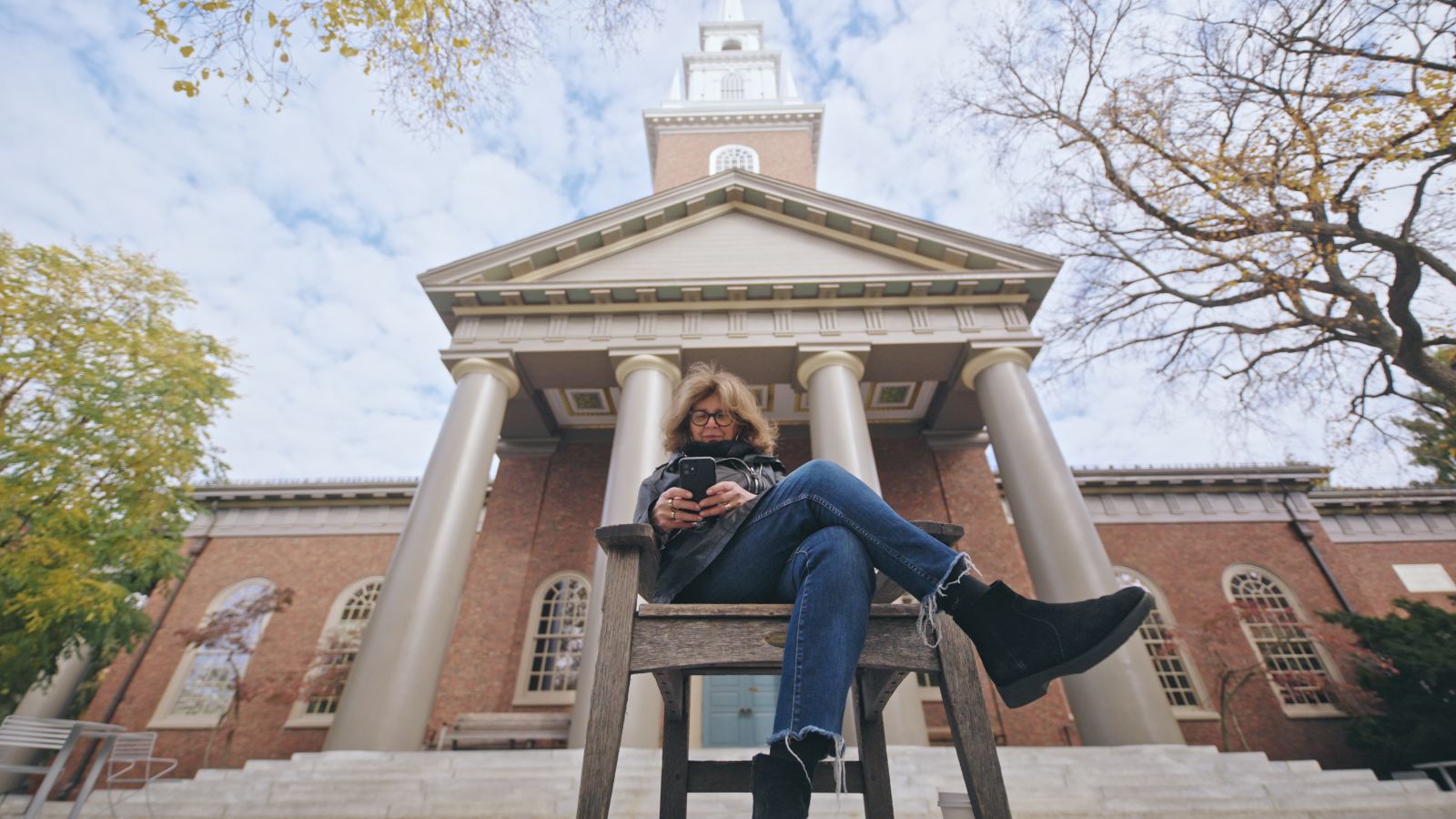
If your son or daughter is packing for university this autumn, Speechless may be the last documentary you want to watch. Or perhaps it should be the first. I missed it when it first aired back in April, possibly because the BBC barely promoted it – or even buried it. Why? One can only surmise. Perhaps asking whether ideology has replaced debate at university was simply too rich for Auntie’s taste.
Yet it was their film. It was commissioned and executive produced by Storyville’s talented Lucie Kon, who knew Emmy Award-winning filmmaker Ric Esther Bienstock would deliver an impactful and deeply unsettling two-part documentary. If only the Beeb had shared her belief.
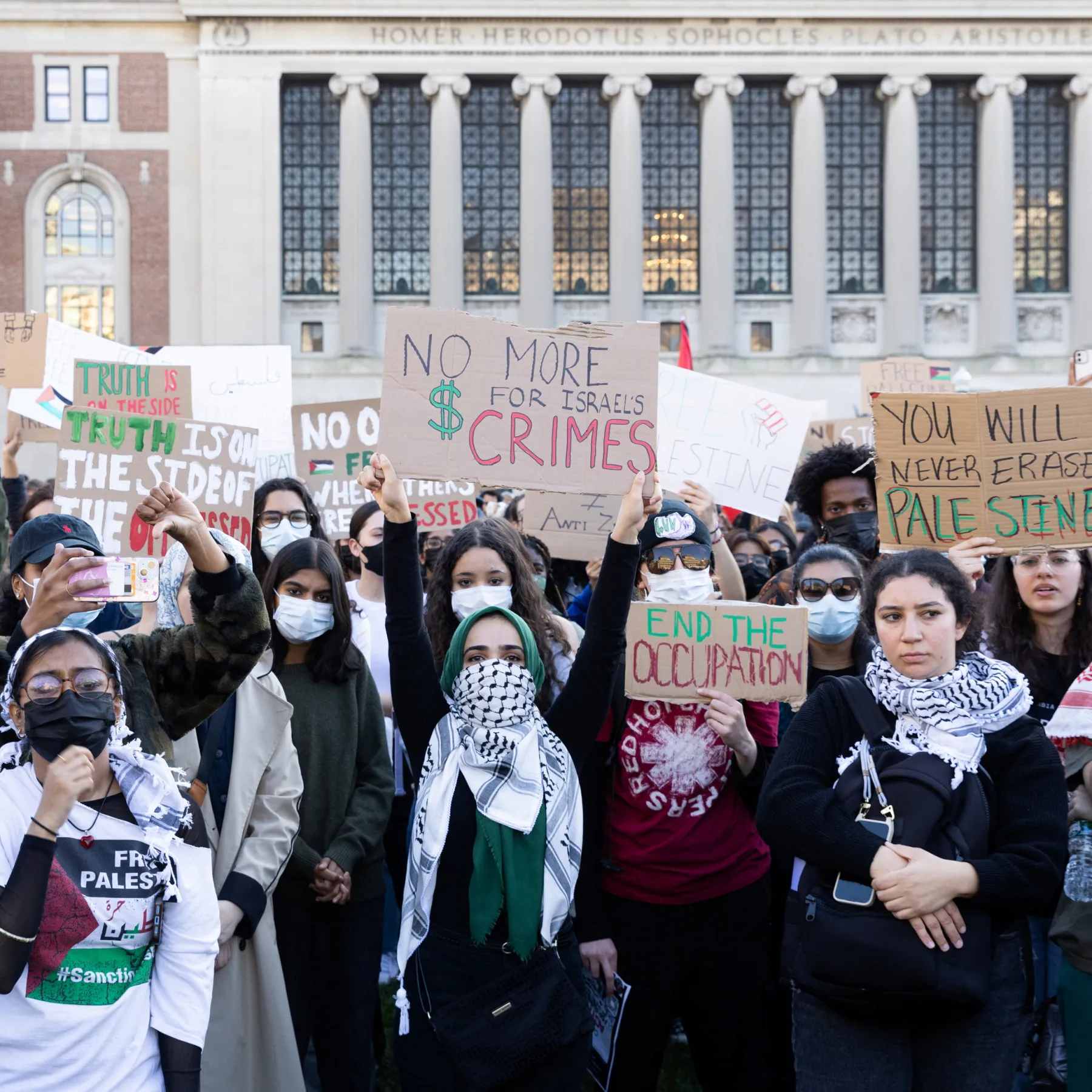
The documentary examines how universities across Britain and North America have become battlegrounds over free speech, identity politics, cancel culture and ideological conformity. More importantly, it asks whether institutions once dedicated to the fearless exchange of ideas are still living up to that ideal – and you get to decide for yourself.
For Bienstock, this was never simply another documentary commission. Her grandparents were murdered in the Holocaust and her mother escaped Nazi-occupied Europe. Her family history, which we learn more about in part two, gives the film its moral urgency. Not as a historical parallel, but as a warning about how quickly societies can normalise exclusion and silence dissenting voices.
Bienstock spent seven years making this film, and what struck me most was not only the student protests themselves, but the atmosphere they create.

I immediately sided with the academics. No surprise there.
None of those featured are extremists, just thoughtful, highly accomplished scholars making reasoned, evidence-based arguments. Yet time and again they are met with shouting, disruption and coordinated efforts to shut them down. Cancelling them is the objective of some students and, shamefully, they are joined in that mission by fellow academics.
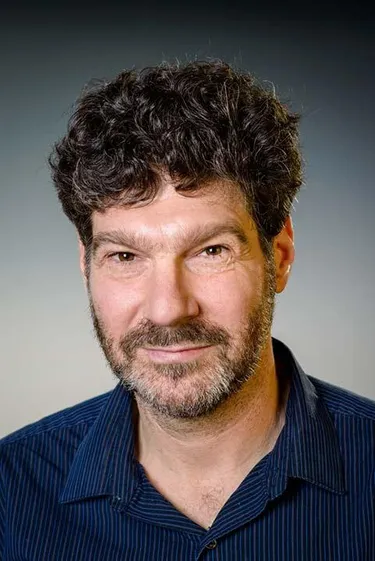
Trust me, you will find yourself shouting at the screen when you see Jewish evolutionary biologist Bret Weinstein, whose confrontation with student protesters at Evergreen State College became one of the defining moments in the modern campus free speech debate.
Other senior academics include Zach DePiero, the Penn State English professor who challenged mandatory DEI training; philosopher Kathleen Stock, who faced relentless protests over her views on sex and gender; Harvard evolutionary biologist Carole Hooven, who came under attack after defending the biological definition of sex; and communications professor Erec Smith, who questioned aspects of contemporary anti-racism and DEI ideology.
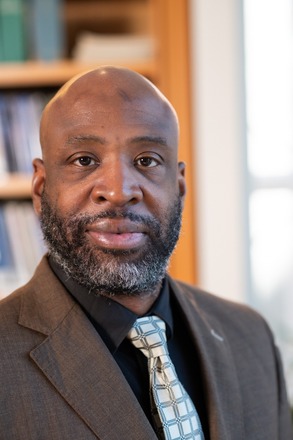
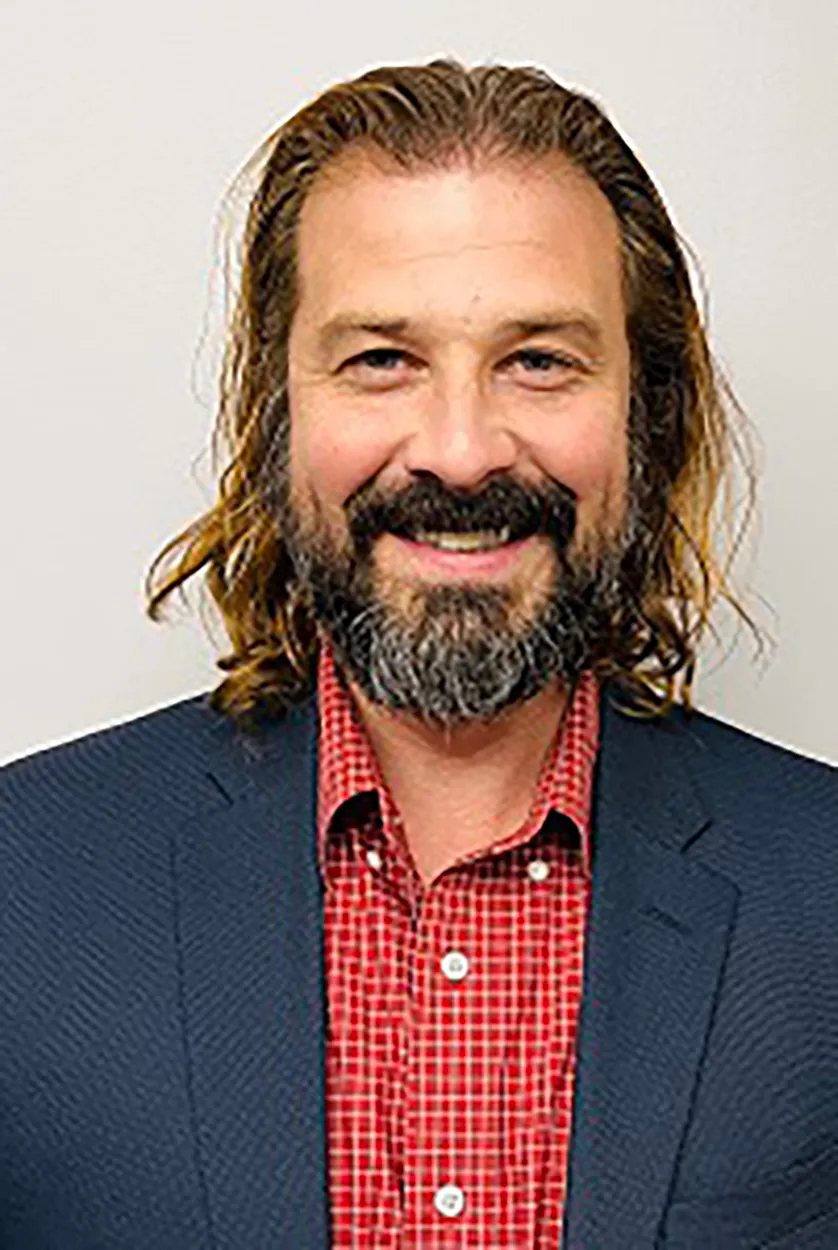
These educators spent decades teaching and researching. Their experiences differ, but the pattern is consistent: once ideological certainty takes hold, genuine debate becomes almost impossible.
Part two is where Speechless becomes its most confronting for Jewish audiences. It turns its focus to Israel, Zionism and Jewish identity on campus.
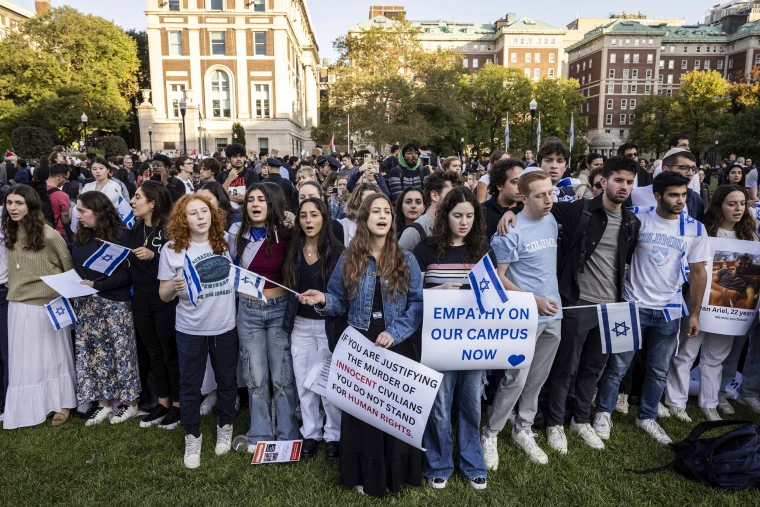
We see Jewish and pro-Israel students increasingly isolated, not simply challenged in discussion but, in some cases, hounded in public spaces, shouted down at events and made to feel that their identity is somehow a problem.
We know about all this, but it makes for deeply uncomfortable viewing to see young Jewish people being delegitimised. No longer confined to arguments about foreign policy, the question now is whether they can speak at all without fear of confrontation or exclusion. The film doesn’t sensationalise any of this because it doesn’t have to. It simply shows what many students are experiencing.
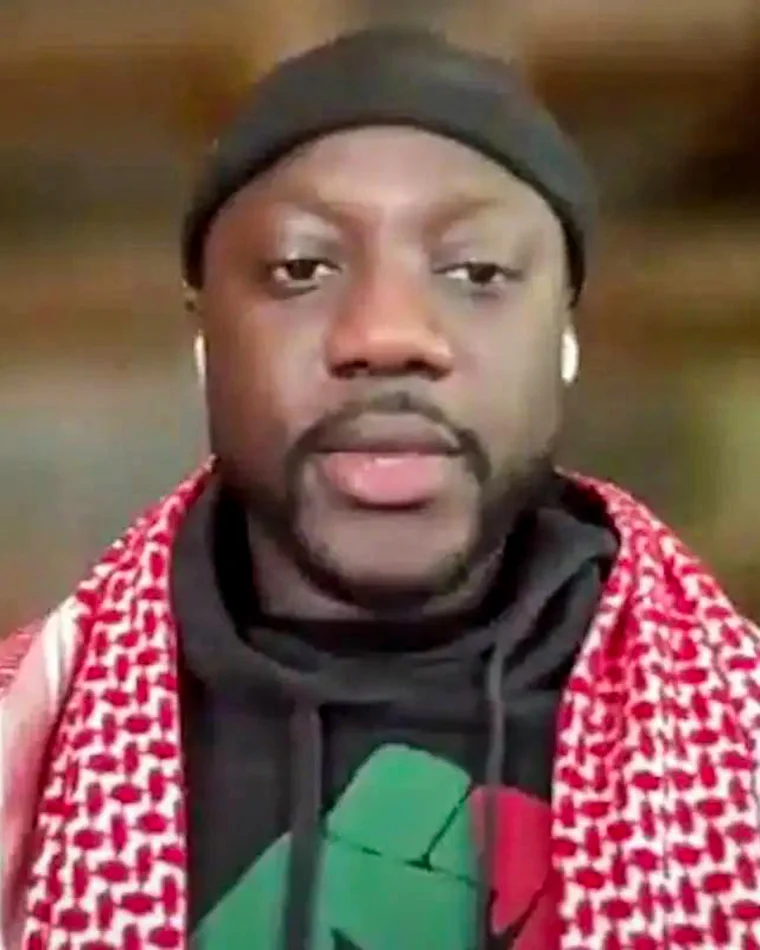
And then there is British-Gambian Cornell doctoral student Momodou Taal, whose uncompromising hostility towards Israel and Zionism I found among the most disturbing aspects of the documentary. He has no room in his head for debate, no willingness to entertain another viewpoint. Instead, he speaks with absolute certainty about his “intifada revolution”. During the film, Taal fears he may be deported because of his activism. That means he could be back in Britain. A sobering thought.
Bienstock does not narrate the viewer towards a conclusion. She simply allows events, testimonies and confrontations to speak for themselves. Then she asks us what we think.
I’ve never wavered from the belief that universities exist to encourage curiosity, disagreement and intellectual risk. Yet this documentary tragically suggests that too many now punish those who seek precisely that environment.
Would I have wanted to know all this before my own daughter went to university? Without question.
Nothing could have prepared me for the day my daughter told me she had been spat at simply because she was Jewish. The details remain too personal to recount here, but they changed forever the way I look at university.
I had naïvely imagined that when she began her studies she was entering a place of higher learning. A place she would love. Instead, she became the victim of antisemitism.
That’s behind us now and we’re on to new educational pastures.
But Speechless still hit me hard.
Watching Ric Esther Bienstock’s remarkable documentary, I realised my daughter’s experience was not simply an isolated act of hatred but part of a wider climate in which intolerance has become easier to express when directed at the “wrong” people.
Speechless is not simply a documentary about universities.
It is a documentary about the world our children are walking into.
In my opinion, every parent should watch it before they get there.
Watch Speechless on BBC iPlayer
https://www.bbc.co.uk/iplayer/episode/m002v2w6/storyville-speechless-1-the-new-campus-revolution

Keep community journalism free.
Jewish News is free for everyone. No paywall. No barriers. Just trusted journalism for anyone who wants to stay connected to Jewish life in Britain.
If you value that, please support us.
From as little as £5 a month, you can help keep our journalism free and accessible to all.
Every day, we report on the issues that matter to our community. We celebrate achievements, support charities, challenge antisemitism and ensure Jewish voices are heard more widely.
From as little as £5 a month, you can help us continue to:
- Report on the stories shaping Jewish life in the UK and beyond
- Bring our community together through shared stories, events and campaigns
- Celebrate the people, culture and moments that define our community
- Support organisations doing vital work across Jewish Britain
You can make a one-off donation or become a regular supporter. Every contribution helps keep our journalism free, independent and accessible to all.
If everyone who values Jewish News gave a small amount, it would make a real difference to our future.