Prefer Jewish News on Google
RIBA reveals forgotten stories of 200 refugee architects fleeing Nazi persecution
Correspondence provides historic 'archive and testimony' of artists from Czechoslovakia, Poland, Germany and Austria seeking refuge on the eve of the second world war
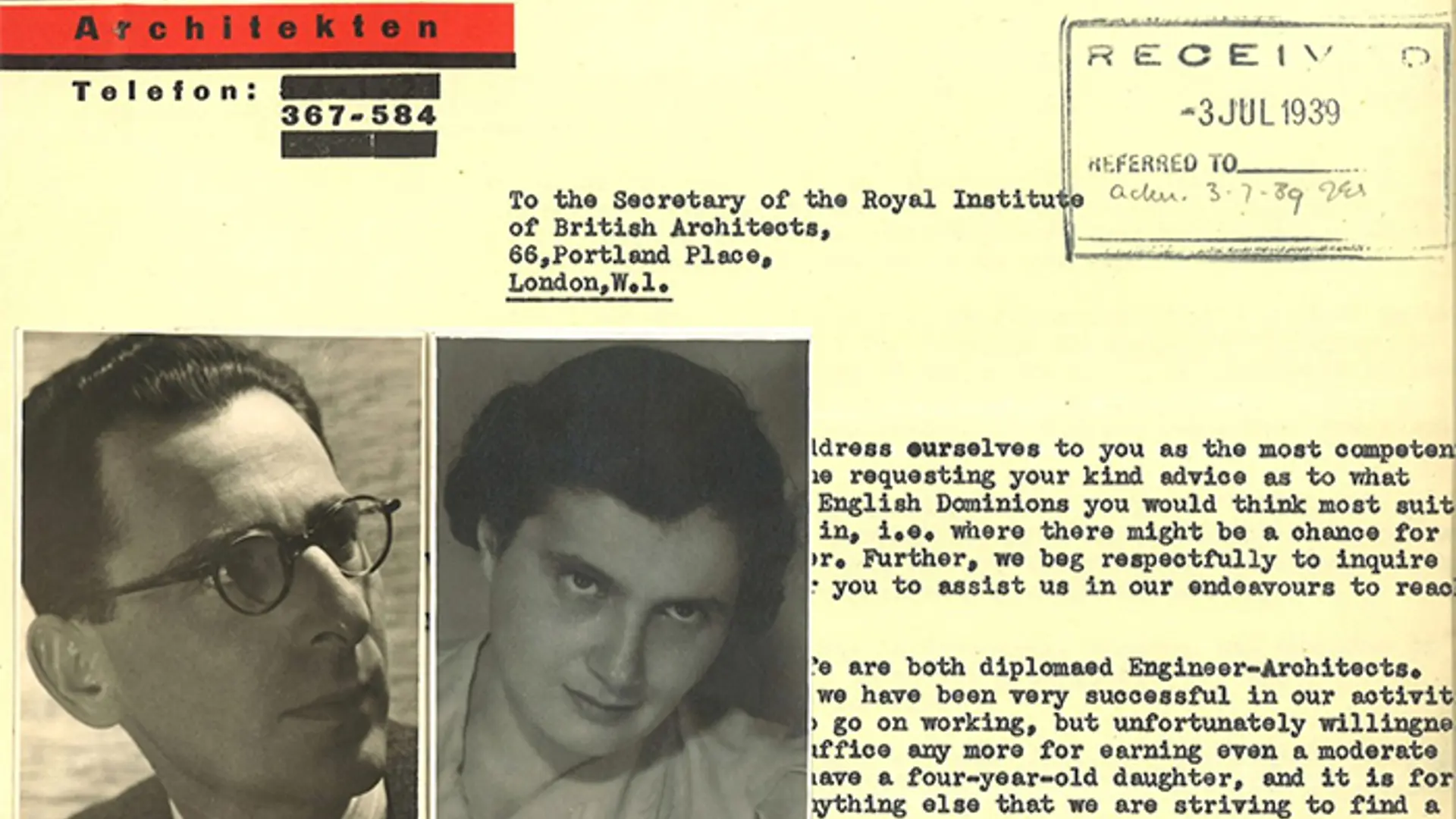
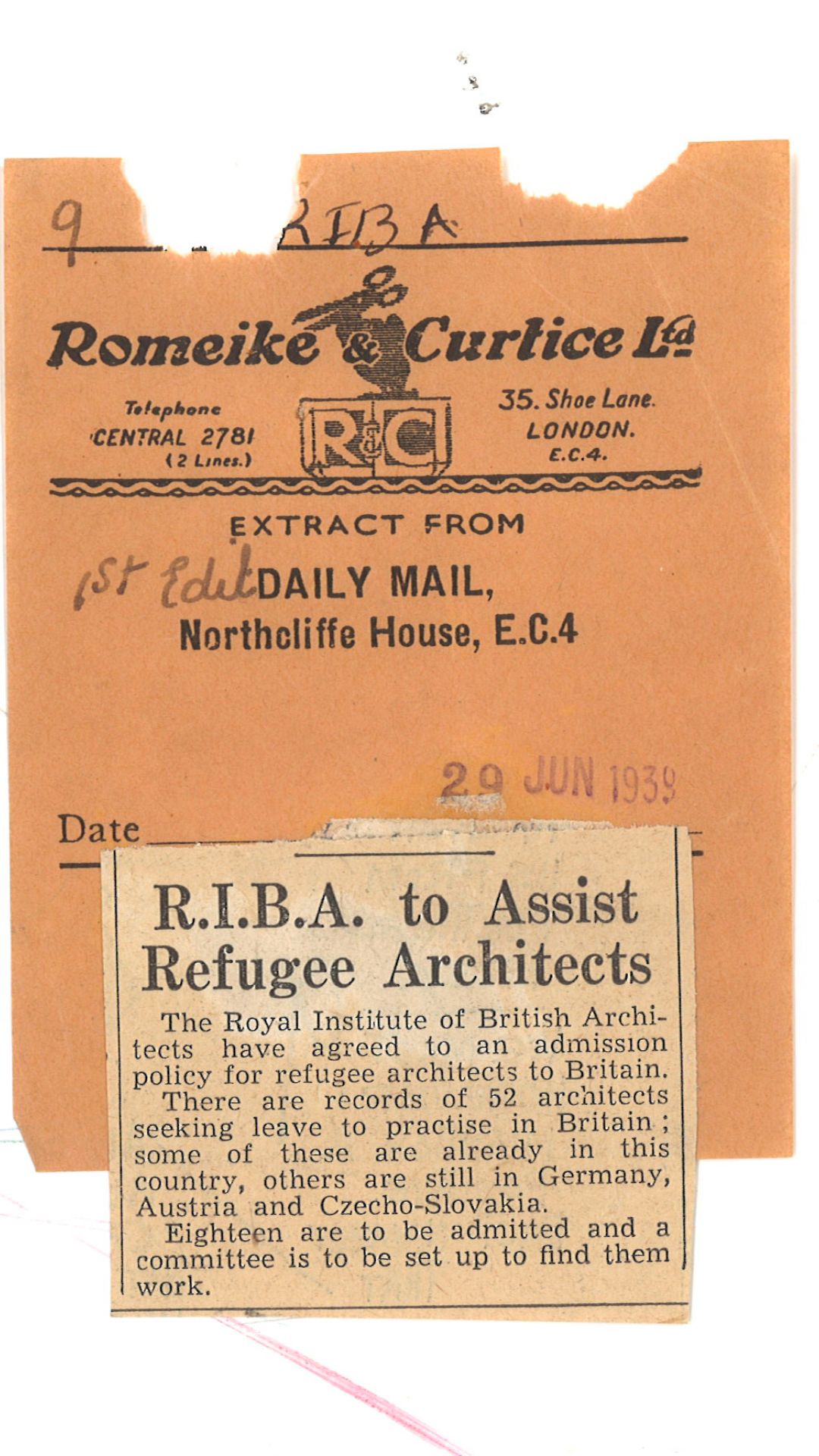
Correspondence documenting desperate attempts to save some of Europe’s most promising architects from Nazi persecution is now available to view through a new online database from The Royal Institute of British Architects.(RIBA).
In January 1939, in response to the growing refugee crisis in Nazi-occupied central Europe, the RIBA Refugee Committee served to assist architects with entry, employment and support in the UK.
The vital work and legacy of the committee has long been documented in the RIBA Refugee Committee papers, which reveal extensive correspondence between RIBA, other refugee organisations, and more than 200 individuals.
The online database of all people seeking refuge who came to the attention of RIBA between 1938 and 1941 now brings together entries for each committee applicant, most of whom were architects seeking to escape persecution in the late 1930s. These included both Jews and dissidents who were at risk from Nazi authorities.
Some succeeded in emigrating and rebuilding their lives abroad. Of those who stayed behind, many did not survive the war. Some, despite being recommended by the committee for labour permits or supported by prominent British architects, didn’t make it out in time.
Among them is notable Czech architect and graphic designer František Zelenka, who died at Auschwitz in 1944; German architect Eric Gloeden, who had been in London for a period in 1939, died a few years later with his wife at the hands of the Gestapo, having given shelter to one of the individuals involved in the failed 1944 plot to assassinate Adolf Hitler.
Other individuals found in the database include:
Walter Bor (Czechoslovakia, 1916-1999) A driving force behind the creation of Britain’s post-war new towns, he was a visionary architect and town planner who began his career at the London County Council before rising to Chief Planning Officer at Liverpool City Council;
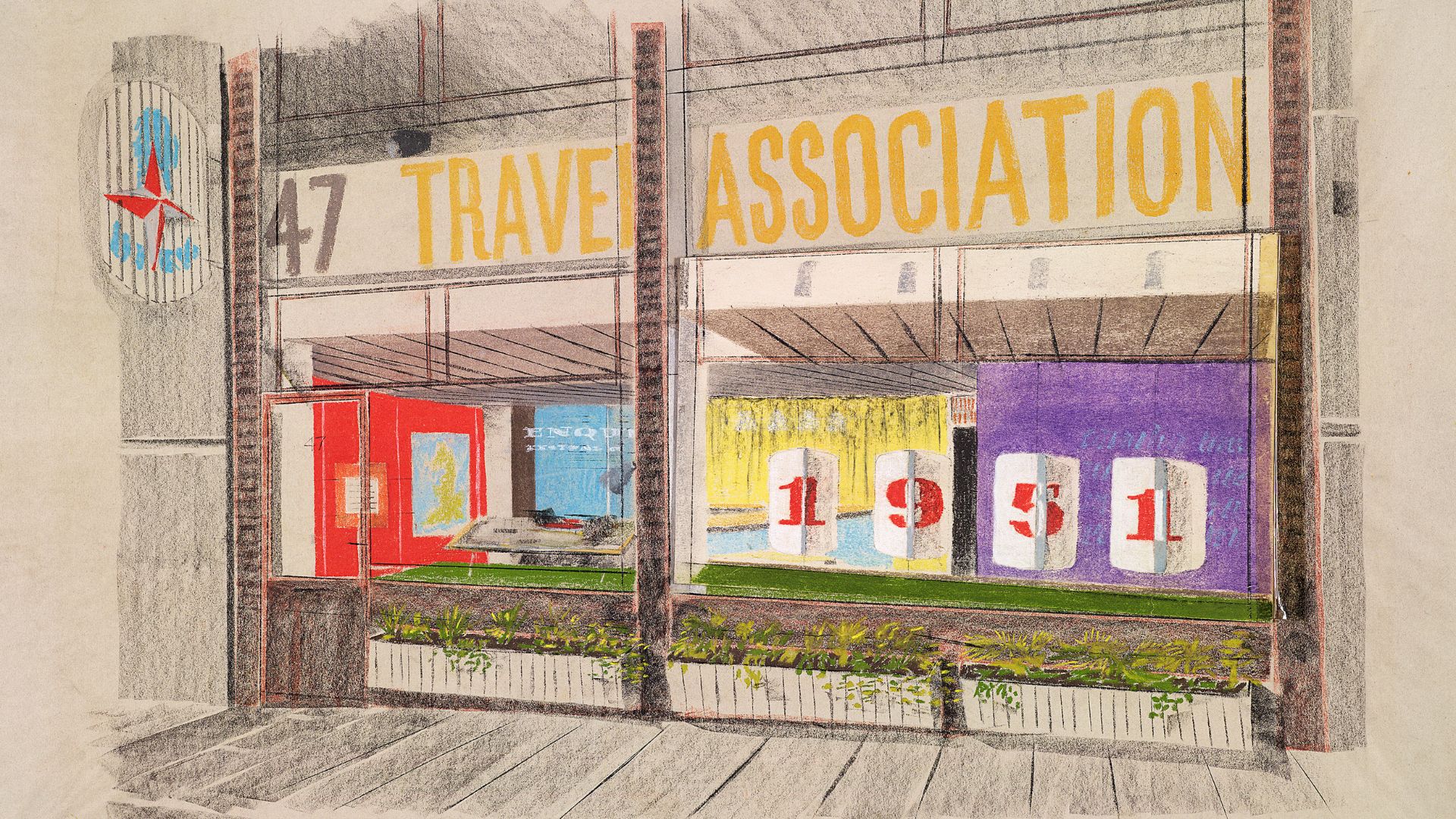
Bronek Katz (Poland, 1912-1960). A successful architect and exhibition designer, he was a key member of the celebrated Design Research Unit and, in partnership with Reginald Vaughan, co-designed the Homes and Gardens Pavilion for the Festival of Britain’s landmark South Bank exhibition in 1951;
Peter Moro (Germany, 1911-1998) An influential architect behind some of the most celebrated public buildings in Britain, including the Nottingham Playhouse, and part of the team who brought the Royal Festival Hall to life;
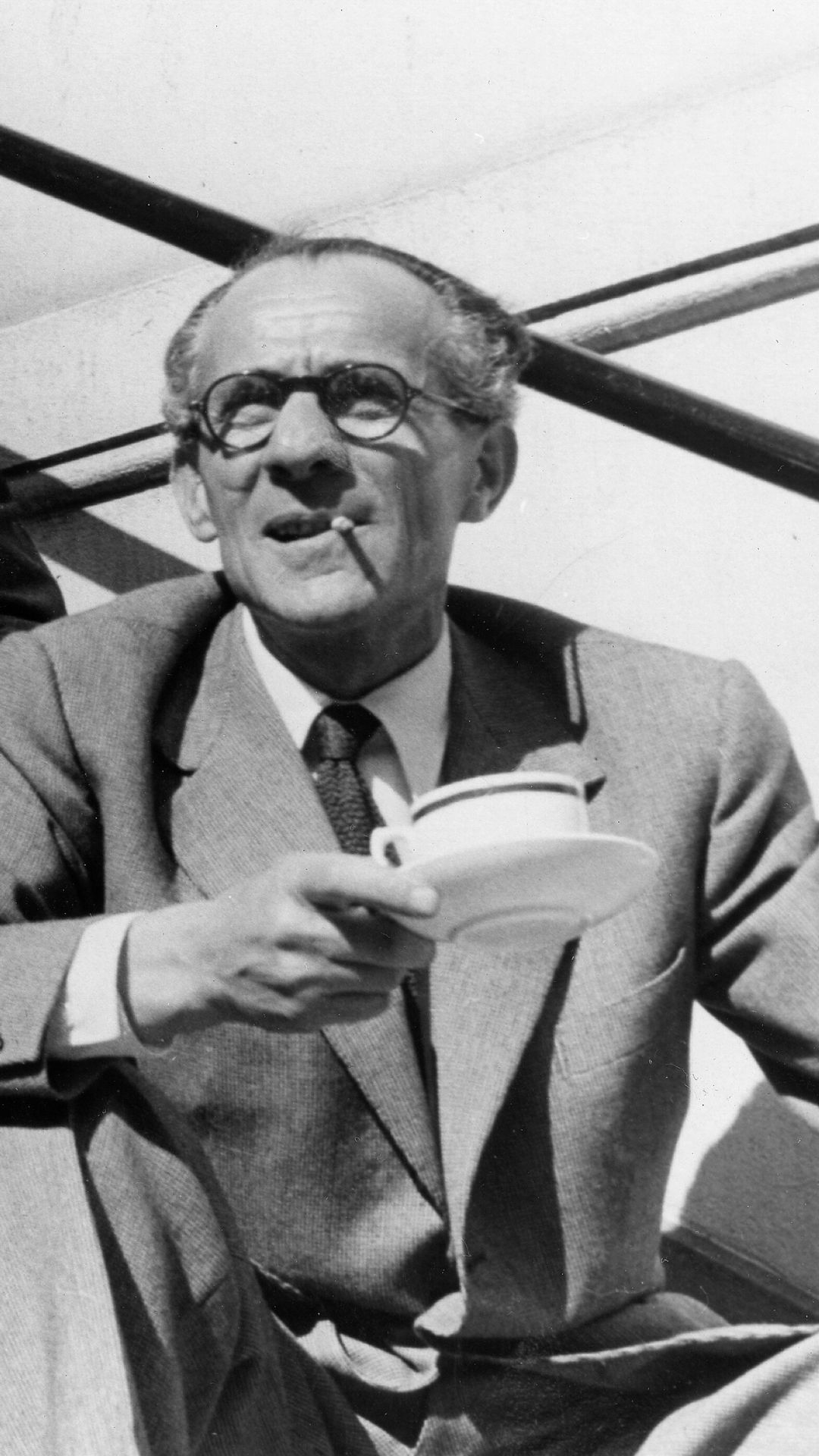
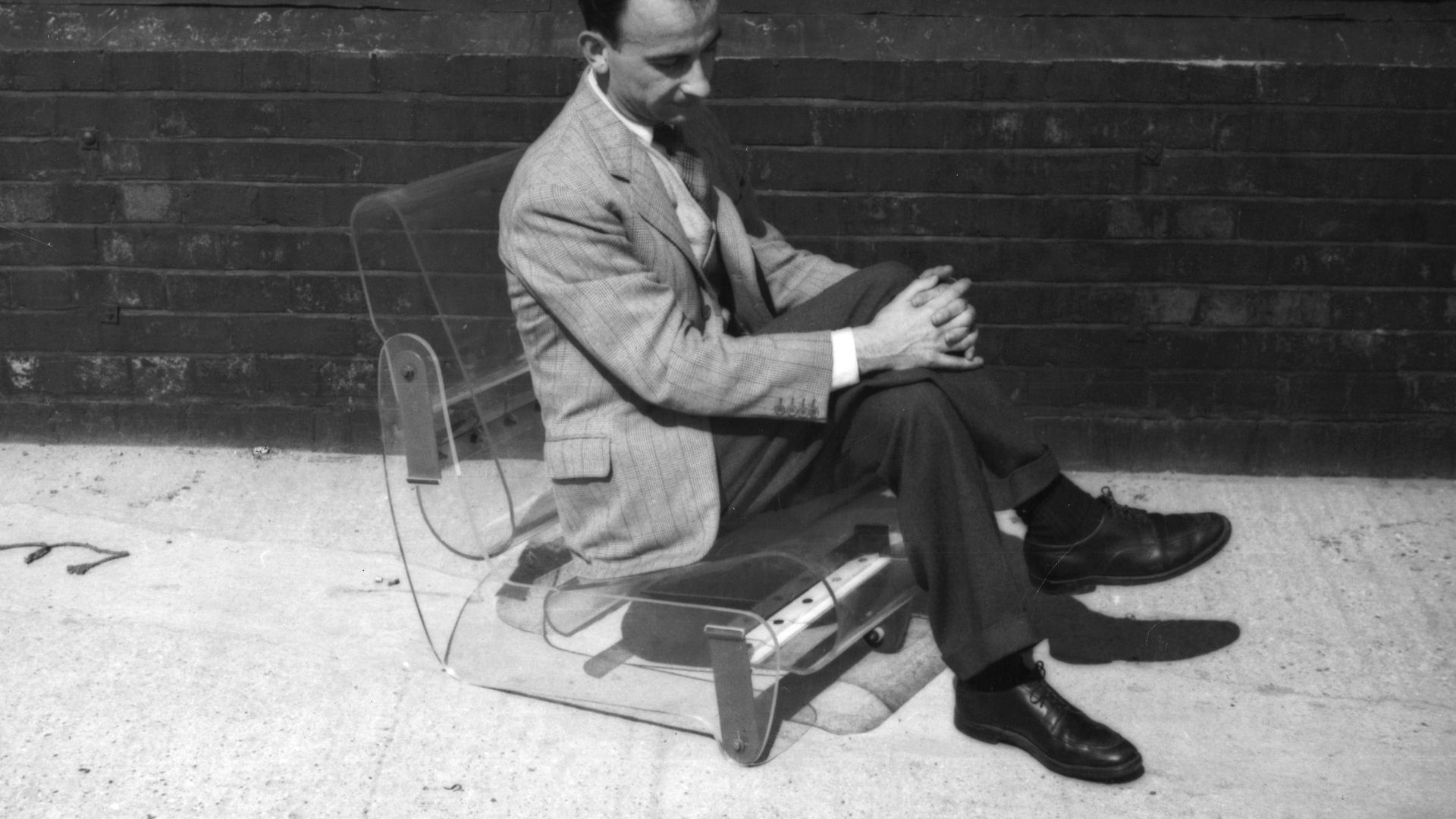
Egon Riss (Austria, 1901-1964) A leading figure of modern industrial architecture in the UK in his role as architect for the Scottish Coal Board in the 1950s. He also designed the famous Isokon Penguin Donkey bookcase, now regarded as one of the most iconic design objects of the era;
Eugene Rosenberg (Czechoslovakia, 1907-1990) An established architect in Czechoslovakia before the war, and after the war he founded YMR (Yorke, Rosenberg and Mardall), one of the most prominent British architectural practices of the second half of the 20th century. Notable projects from the practice include Gatwick Airport, Liverpool’s Electrical Engineering Building and the University of Warwick;
Ernest Wiesner (Czechoslovakia, 1890-1971) One of the most influential interwar period architects of Brno, he was both a pioneering architect and a respected academic, teaching at the University of Oxford before continuing his influence at the University of Liverpool.
Oliver Urquhart Irvine, executive director, architecture programmes and collections at RIBA, said the online database “documents a critical chapter in RIBA’s history” and “brings long-overlooked stories into light, gives a voice to these often-forgotten architects of this time, and celebrates their lives and ground-breaking work.”
He added: “At a time when conversations about migration and refuge, and antisemitism remain urgent, these records offer vital historical perspective, reinforcing organisations such as RIBA’s responsibility to safeguarding those in the profession during times of crisis.”
Architectural historian and curator Dr Irena Žantovská Murray described the database as “a remarkable collective endeavour”, standing as “both an archive and a testimony.
“Drawing together original wartime documents, it records acts of professional solidarity and civic responsibility at a moment of profound danger. Nearly a century later, ground-breaking research has extended this record to show how refugee architects helped to shape British post-war reconstruction, urban renewal, architectural education and the sharing of professional expertise.
“Equally, it preserves the memory of those architects at risk who could not be helped in time and whose loss remains an integral part of this history.”
- Click here to view The Refugee Committee Papers, which include related correspondence and record the committee’s activities.

Keep community journalism free.
Jewish News is free for everyone. No paywall. No barriers. Just trusted journalism for anyone who wants to stay connected to Jewish life in Britain.
If you value that, please support us.
From as little as £5 a month, you can help keep our journalism free and accessible to all.
Every day, we report on the issues that matter to our community. We celebrate achievements, support charities, challenge antisemitism and ensure Jewish voices are heard more widely.
From as little as £5 a month, you can help us continue to:
- Report on the stories shaping Jewish life in the UK and beyond
- Bring our community together through shared stories, events and campaigns
- Celebrate the people, culture and moments that define our community
- Support organisations doing vital work across Jewish Britain
You can make a one-off donation or become a regular supporter. Every contribution helps keep our journalism free, independent and accessible to all.
If everyone who values Jewish News gave a small amount, it would make a real difference to our future.