Prefer Jewish News on Google
Royal College of Psychiatrists follows Israeli research in depression treatment
Royal College cites trials in Israel as it endorses supervised ketamine use, while urging caution on other psychedelics
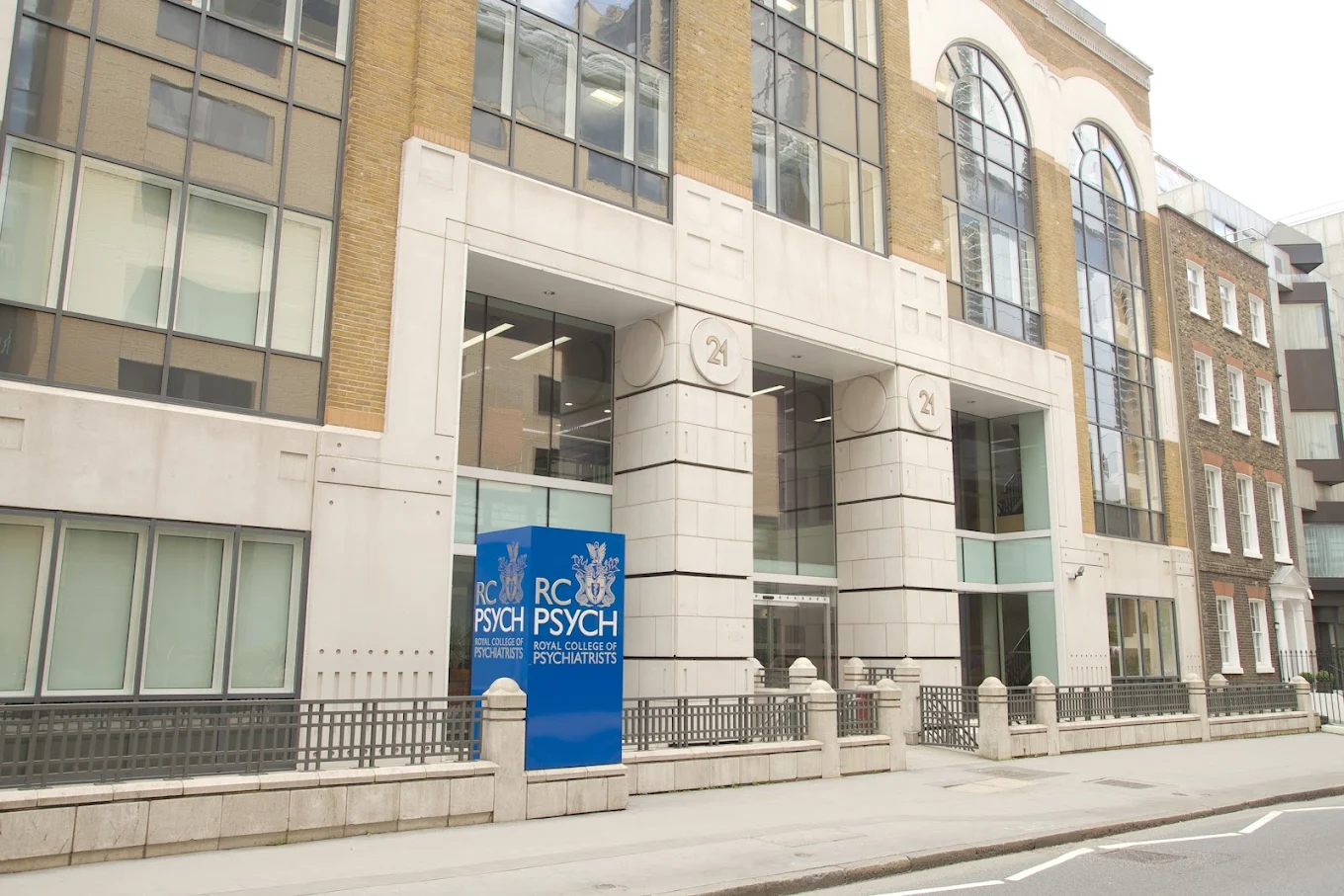
The Royal College of Psychiatrists (RCPsych) has endorsed ketamine-based medication for treating depression in clinical settings, following international research including pioneering trials in Israel.
The College said ketamine is the “most studied” psychedelic-related substance for the rapid relief of depressive symptoms, with evidence from large randomised controlled trials and thousands of patients, including Israeli-led studies. It stressed, however, that more research is needed before other psychedelics such as MDMA or psilocybin can be considered safe for routine clinical practice.
Experts said it is “vital” that new treatments for mental health conditions are developed, but warned against “hype” overtaking scientific evidence.
RCPsych laid out its stance on psychedelic and related substances – which include pharmacological versions of hallucinogens, ketamine and MDMA – in a new position statement.
A nasal spray derived from ketamine, known as esketamine, is already licensed in the UK for treatment-resistant depression. It is available on the NHS in Scotland but not in England.
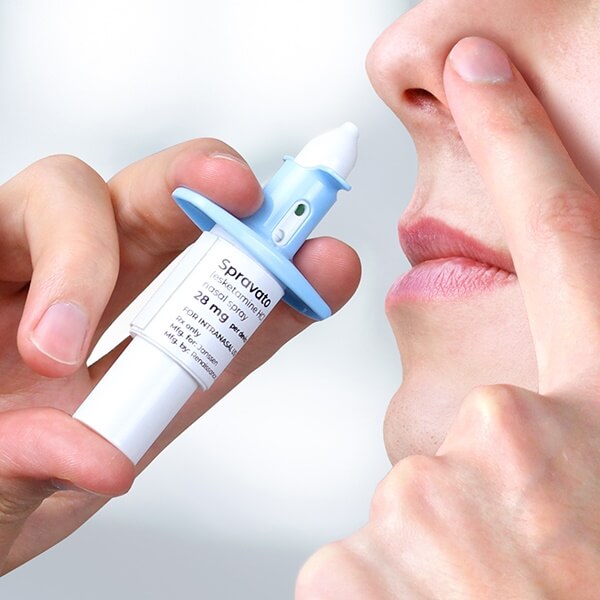
Credit: Preston Hollow Psychiatry Group
The College said it would “recommend the use of ketamine in specialist settings with appropriate oversight and long-term monitoring arrangements”.
However, it added that while early studies of other psychedelics are “encouraging”, problems remain with trial design, side effects, and the question of whether benefits are sustained.
“These factors combined with questions regarding validity amongst clinical populations mean the current evidence base is limited, and it is not recommended that they are used in routine clinical practice other than where licensed,” the College said.
Professor Oliver Howes, chairman of RCPsych’s psychopharmacology committee, said: “New treatments are very rarely developed for mental illnesses and disorders… it’s vital that that trend is reversed.
“We did some work in the last 10 years – on average, we get just one new treatment for mental disorders licensed and available for our patients, and that compares to four times as many in neurology and over 10 times as many in cancer. So there is a real gap there.”
Prof Howes added: “Why do we need new treatments for mental disorders? Well, we have effective treatments, but we know that for a fair proportion of patients, they either don’t work, or they’re not well tolerated, they get side effects, or they take a long time to work.”
He said there is a “huge amount of interest” in psychedelics and there is “a risk of claims jumping ahead of the evidence”.
The College said new findings are likely to emerge in the coming years and its position will require updating.
Countries including Israel, Canada and Australia already allow certain psychedelic substances in clinical settings. In Israel, ketamine has been used in trials for depression, obsessive-compulsive disorder, PTSD and substance misuse.
Studies worldwide are also examining LSD for anxiety and depression, ketamine-assisted psychotherapy for alcohol dependence, and MDMA-assisted psychotherapy for PTSD.
Prof Howes said RCPsych supports the use of licensed drugs in a clinical setting, but stressed the college does not recommend people “self-medicate” in “back-street clinics”.
He added: “It’s very clear that you need to do this in a controlled clinical setting.”
Professor Owen Bowden-Jones, RCPsych registrar, said: “Our guidance will help academics assess the effectiveness and safety of psychedelics and ensure patients receive the maximum possible benefit from their use.”
Celia Morgan, professor of psychopharmacology at the University of Exeter, said RCPsych’s position statement is a “very encouraging development for the onward progress of psychedelic-assisted therapy within mental health treatment in the UK”.
Dr Jo O’Reilly, chairwoman of RCPsych’s medical psychotherapy faculty, said properly trained staff are “key” in these treatments.
“Psychedelics can have a profound effect on the mind and may make some people more responsive to psychotherapy,” she said.
“Patients often find their psychological defences are lowered which allows traumatic and unpredictable material to emerge.
“The use of properly trained and supervised therapists is key to supporting patients in processing and finding meaning in their experiences. Patients can be in a particularly vulnerable state when under the influence of these substances and the therapeutic relationship is key to safe and effective practice, as with other psychological treatments.
“They should be supported through every step of their treatment, from initial preparation sessions to follow-up care.”

Keep community journalism free.
Jewish News is free for everyone. No paywall. No barriers. Just trusted journalism for anyone who wants to stay connected to Jewish life in Britain.
If you value that, please support us.
From as little as £5 a month, you can help keep our journalism free and accessible to all.
Every day, we report on the issues that matter to our community. We celebrate achievements, support charities, challenge antisemitism and ensure Jewish voices are heard more widely.
From as little as £5 a month, you can help us continue to:
- Report on the stories shaping Jewish life in the UK and beyond
- Bring our community together through shared stories, events and campaigns
- Celebrate the people, culture and moments that define our community
- Support organisations doing vital work across Jewish Britain
You can make a one-off donation or become a regular supporter. Every contribution helps keep our journalism free, independent and accessible to all.
If everyone who values Jewish News gave a small amount, it would make a real difference to our future.