Prefer Jewish News on Google
Royal Free ‘now faces surprisingly similar’ pressures to first Covid wave
London hospital's director of operations told Limmud attendees 'we are very, very busy indeed' and reveals generosity of community during pandemic
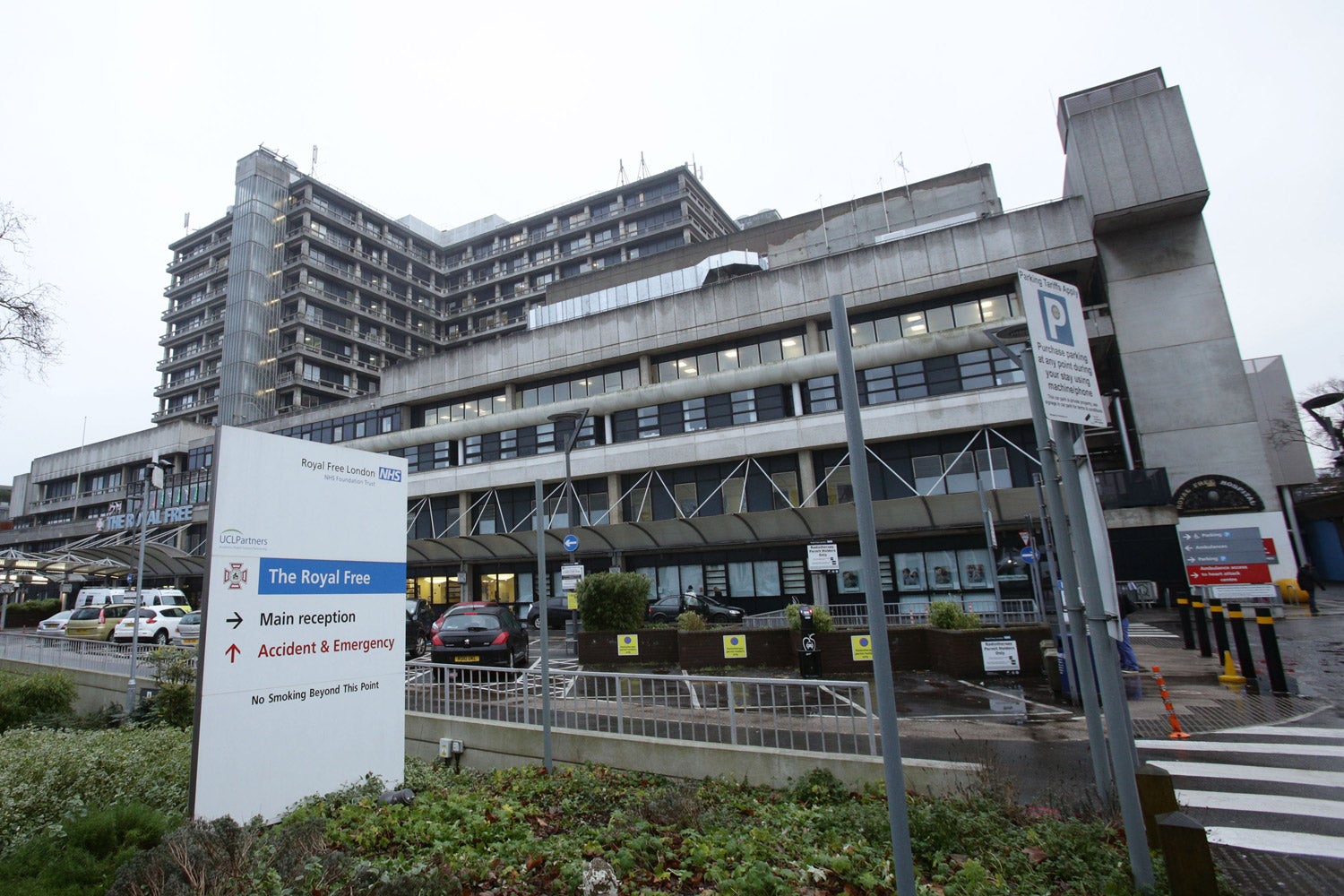
A senior manager at the Royal Free yesterday admitted her NHS Trust was facing “surprisingly similar” pressures to the first COVID-19 surge.
Rachel Anticoni, director of operations at The Royal Free Hospital, told Limmud attendees “we are very, very busy indeed” during a session on the response to the pandemic.
The hospital leader reflected that the first surge in cases “felt like a rollercoaster of mini-incidents- layers and layers of operational pressures that made day-to-day working especially hard.”
Anticoni added that the decision to shut the doors to visitors and relatives at the end of March was “without a doubt the most difficult decision we had to make.”
Acute staffing pressures also forced staff to weigh up between “answering the phone or caring for the sick”.
Joining Anticoni was Judy Dewinter, Chair of the Royal Free Charity, which provides services, research and equipment not covered by NHS funding.
An emergency appeal set up by the charity has raised over £2 million to support the work of the Trust.
“This included one donor who wanted to give 600 iPhone chargers! We also received six figure donations from very generous people in the community,” Dewinter explained to the 150 Limmud attendees.
The Royal Free London is one of the largest hospital Trusts in the UK, with 10,000 staff serving a population of over 1.6 million people.
During the first lockdown, Anticoni recalled that ‘toilet roll gate’ left staff facing empty supermarket shelves by the time their shifts ended. Colleagues found this “really difficult.”
The Royal Free Charity responded by creating a free supermarket for staff called ‘Free at the Free’.
“We repurposed one of our sites to provide food and other essential items to frontline staff at the beginning or end of their shift,” explained Dewinter.
“We received over 650,000 items in donations and were visited 55,000 times by staff over eight weeks.”
On the ‘Clap for Our Carers’ initiative, Anticoni recalled feeling “extremely emotional” and noticed a “real buzz the next day.”
“It made such a difference and really boosted morale among the staff.”
The pair also discussed mental health and wellbeing initiatives for colleagues, as well as the experience of having a BBC camera crew filming across the site for the popular ‘Hospital’ television show.
Dewinter concluded the discussion by issuing a plea for healthy individuals to visit www.royalfreecharity.org to register as a volunteer.

Keep community journalism free.
Jewish News is free for everyone. No paywall. No barriers. Just trusted journalism for anyone who wants to stay connected to Jewish life in Britain.
If you value that, please support us.
From as little as £5 a month, you can help keep our journalism free and accessible to all.
Every day, we report on the issues that matter to our community. We celebrate achievements, support charities, challenge antisemitism and ensure Jewish voices are heard more widely.
From as little as £5 a month, you can help us continue to:
- Report on the stories shaping Jewish life in the UK and beyond
- Bring our community together through shared stories, events and campaigns
- Celebrate the people, culture and moments that define our community
- Support organisations doing vital work across Jewish Britain
You can make a one-off donation or become a regular supporter. Every contribution helps keep our journalism free, independent and accessible to all.
If everyone who values Jewish News gave a small amount, it would make a real difference to our future.