Prefer Jewish News on Google

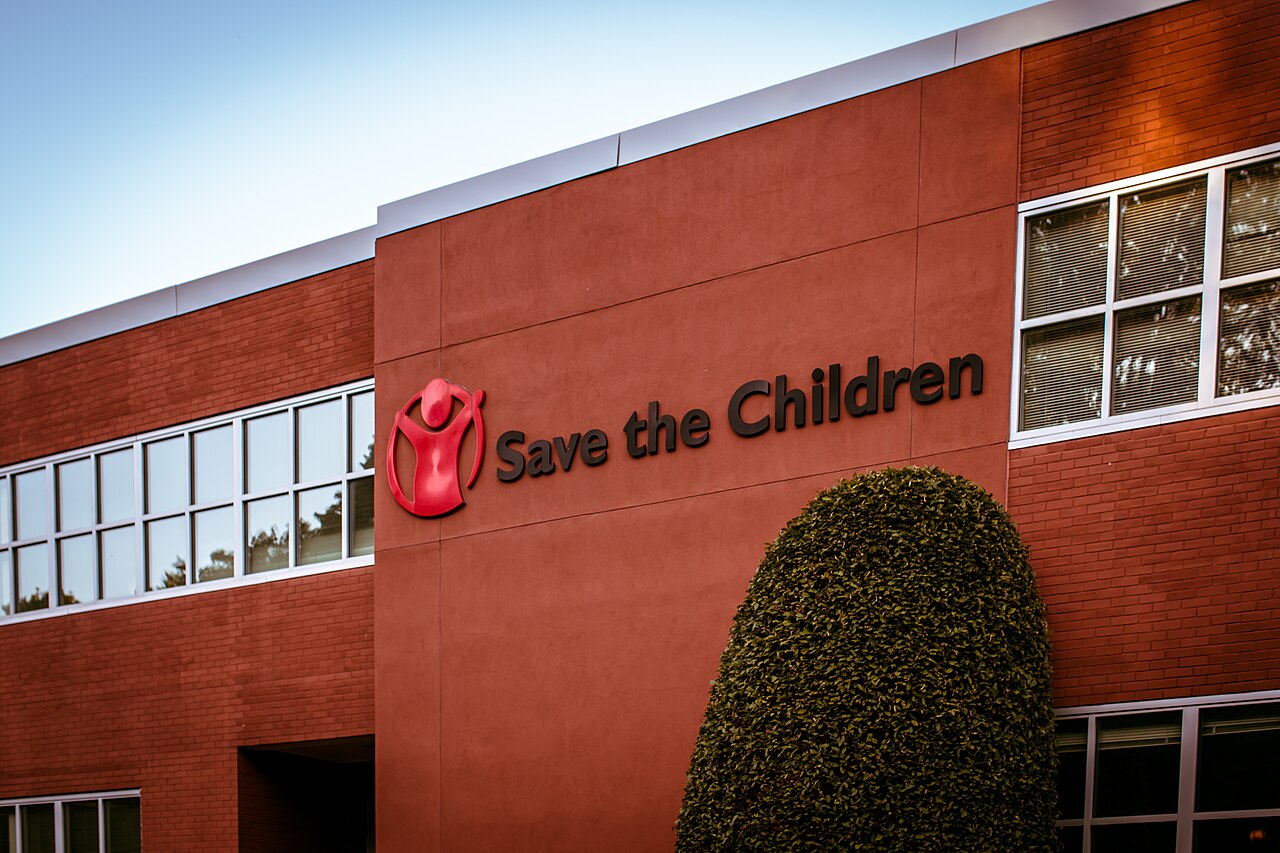
Save the Children UK has refused to adopt the International Holocaust Remembrance Alliance (IHRA) definition of antisemitism, despite an independent review raising serious concerns about the treatment of Jewish staff.
The charity has come under fire from politicians and former employees after declining a recommendation to adopt the widely recognised definition, which is also used by the UK government.
The review, carried out by consultants Global HPO, examined antisemitism and anti-Muslim prejudice within the organisation.
It found that “there appears to be a lack of appreciation and understanding of what constitutes antisemitism in the workplace”.
The findings also raised concerns that Jewish employees had struggled to speak openly about their experiences.

Instead of adopting the IHRA definition, Save the Children said it would continue using the Equality Act and guidance from the Advisory, Conciliation and Arbitration Service (Acas) to address religious and racial discrimination.
The decision has drawn criticism from Labour MP Jon Pearce, the UK’s special envoy for post-Holocaust issues, who accused the charity of failing its Jewish employees.
Speaking to The Telegraph, he said: “You cannot tackle a problem you are unwilling to identify, and Save the Children’s failure so far to adopt it is a deeply troubling indication of a wider cultural problem and a serious failure of leadership.”
He added: “The independent report raises fundamental questions about whether Jewish staff can expect the same dignity, respect and equality as their colleagues.”
Pearce called for the Charity Commission to intervene.
The IHRA definition includes examples of antisemitism such as comparing contemporary Israeli policies to those of Nazis. Critics argue that some of its examples risk restricting legitimate criticism of Israel.
The independent review also urged staff to “resist the use of Hitler, Nazi and Holocaust metaphors, distortions and comparisons” when discussing Gaza.
It recommended that the word “Zionist” be used “advisedly, carefully and never euphemistically or as part of personal abuse”.
However, the charity decided against introducing a separate policy covering such language, arguing that its existing rules were sufficient.
It said: “We agreed, and this was in line with our existing communications guidelines and code of conduct, which colleagues are expected to follow and which we continue to implement.”
A former employee, speaking anonymously to The Telegraph, claimed that concerns about the charity’s approach to Israel and Hamas had persisted despite the review.
The former staff member questioned why Israel was explicitly identified in some statements about Gaza while Hamas was not always named when discussing the 7 October attacks.
Save the Children disputed the suggestion, maintaining that it had previously identified Hamas and other Palestinian armed groups as responsible.
The row follows a separate controversy over a social media post in which the charity accused former prime minister Sir Keir Starmer of complicity in Israel’s actions in Gaza.
Foreign Office minister Baroness Chapman described the post as “divisive, provocative, and factually inaccurate”.

The Charity Commission subsequently opened a regulatory compliance case examining concerns about the post and confirmed to The Telegraph that it was engaging with the charity’s trustees.
George Graham, Save the Children UK’s director of global impact, apologised to employees who had experienced discrimination.
He said: “We are deeply sad and sorry that colleagues experienced any form of hatred – whether antisemitism, anti-Muslim hate or other – in the workplace, as was found in the review we commissioned in 2024.”
He insisted the charity remained committed to tackling antisemitism and had strengthened its rules around social media use and discussions of sensitive subjects.
“There is still work to do and we are not complacent,” he said.

Keep community journalism free.
Jewish News is free for everyone. No paywall. No barriers. Just trusted journalism for anyone who wants to stay connected to Jewish life in Britain.
If you value that, please support us.
From as little as £5 a month, you can help keep our journalism free and accessible to all.
Every day, we report on the issues that matter to our community. We celebrate achievements, support charities, challenge antisemitism and ensure Jewish voices are heard more widely.
From as little as £5 a month, you can help us continue to:
- Report on the stories shaping Jewish life in the UK and beyond
- Bring our community together through shared stories, events and campaigns
- Celebrate the people, culture and moments that define our community
- Support organisations doing vital work across Jewish Britain
You can make a one-off donation or become a regular supporter. Every contribution helps keep our journalism free, independent and accessible to all.
If everyone who values Jewish News gave a small amount, it would make a real difference to our future.