Prefer Jewish News on Google
Starmer, Burnham, Rayner, Streeting… who do business leaders trust most?
As Britain faces political turbulence and economic uncertainty, industry experts tell Candice Krieger which Labour voices, if any, can best support the UK economy
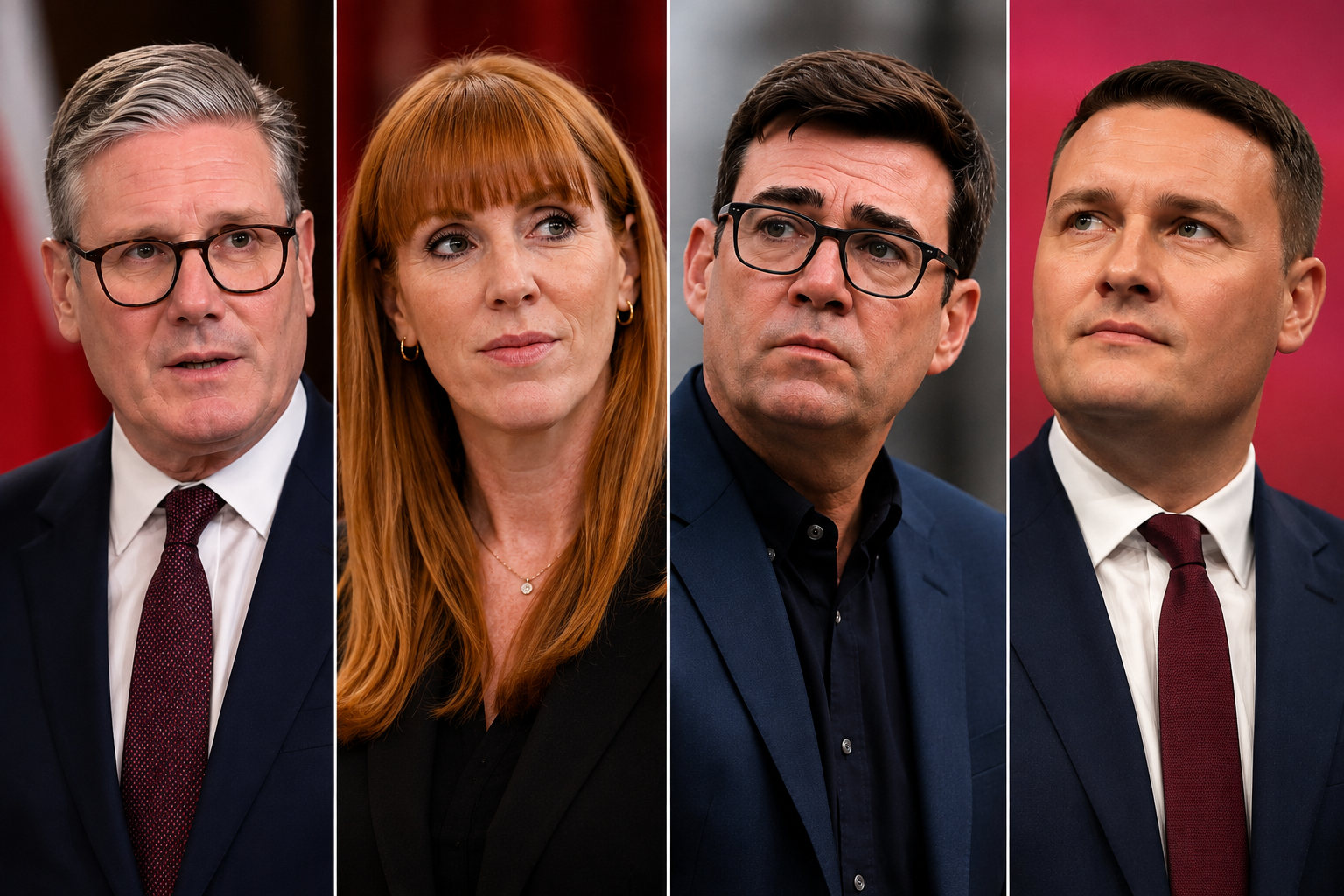
Sir Martin Sorrell, founder & executive chairman, S4 Capital plc
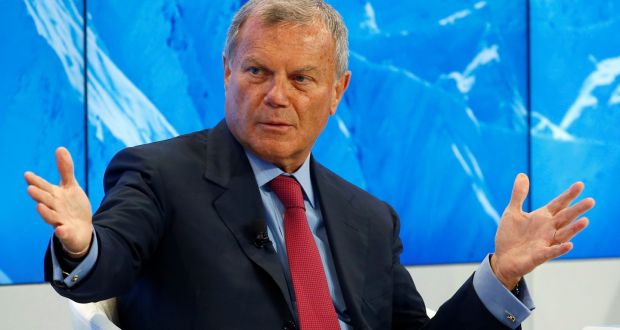
“I really don’t think business can really “trust” any of these Labour leaders [Sir Keir Starmer, Andy Burnham, Angela Rayner and Wes Streeting]. None of them are really, deep down sympathetic to business. They only went through the motions prior to the Election.
“Sir Keir recently resorted to Gordon Brown and Harriet Harman. In the same vein, I’d bring back Sir Tony Blair. He’s the one who should be brought back, if anyone should be. He gets business and its importance to growth and investment.
“Failing that I’d turn back, in due course, to Kemi Badenoch.”
Alex Brummer, City Editor, Daily Mail


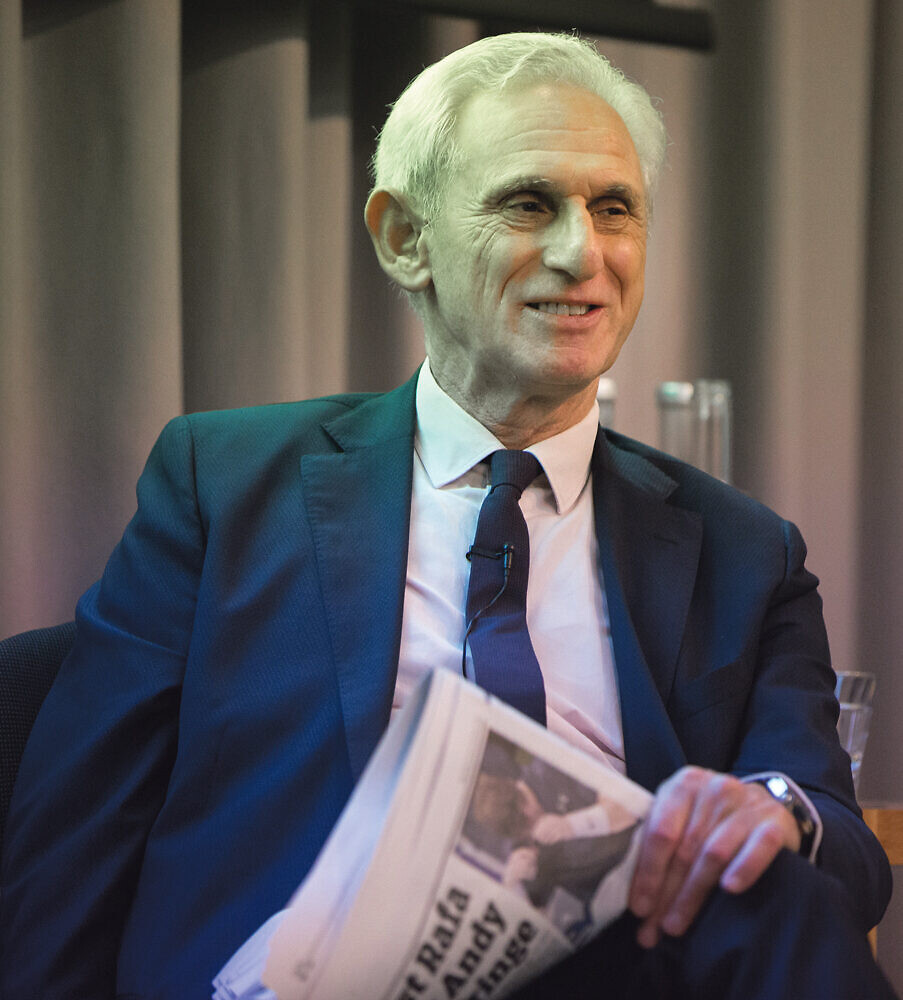
“Burnham has demonstrated in Greater Manchester an ability to work with business and scale up investment. The north-west has become the fastest growing region of UK (outside London) but his ideas on more public ownership are not popular or feasible.
“Streeting is more middle-of-the-road Labour but lacks Burnham’s track record in regions or in government, but he isn’t scared of the private sector, as shown with the NHS.
“Starmer is the ‘devil business knows’. He could revive business prospects with a new Chancellor that is less liable to keep punishing businesses and city and wealth creation with higher taxes.
“Rayner – anathema. She is the author of hated employment rights acting hock to unions and favours even higher wealth taxes. She would drive entrepreneurs overseas.”
Leah Stern, CEO, Stern Power Strategies

“If we are talking about large corporates, banks, institutional investors – the people who care most about stability and predictability – Starmer is still the safer bet on paper. He’s spent three years trying to kill the chaos premium that accumulated through Brexit and Truss, and by and large it’s held. Boring, maybe. But boring has value right now.
“The problem is the infighting is doing real damage. The sense I’m getting from business circles is that Starmer could still be the answer, if he can get the party to calm down and get back to governing. But most people think that window is closing fast. If it shuts, Streeting becomes the credible fallback for those who want continuity without the chaos.
“Where it gets more interesting is in growth sectors: tech, healthcare innovation, life sciences, public-private partnerships. Streeting has a more compelling story there anyway. He’s more comfortable talking about reform, more willing to shake things up. The irony is the candidate markets are less instinctively comfortable and might be the one with the sharper growth agenda.
“What business wants right now isn’t a name. It’s an end to the uncertainty. Whoever gets there needs to move fast, because the goodwill window will be short.”
Daniel Rubin, founder of Dune
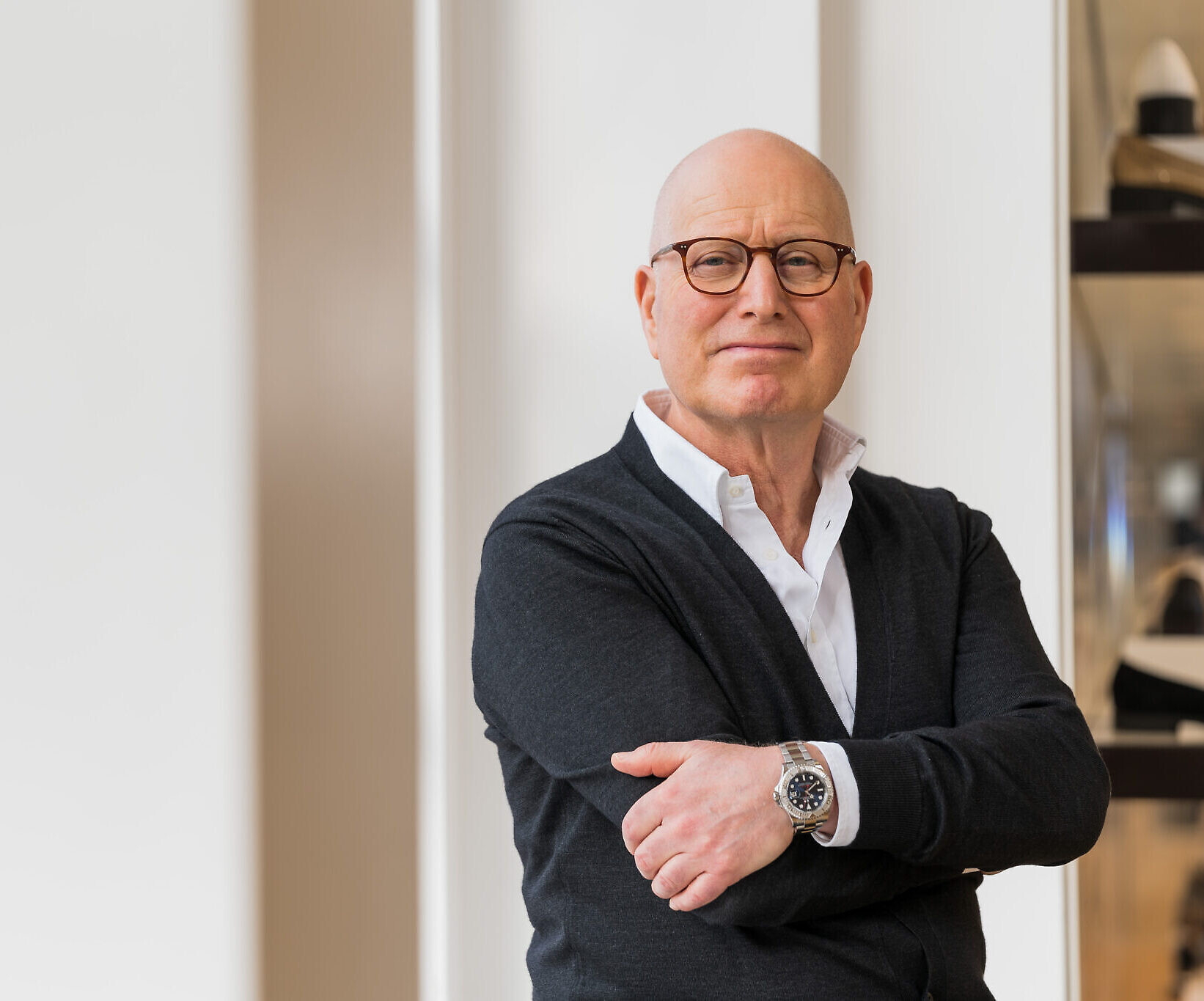
“The whole process is a distraction that we can ill afford. We want the Government to get on and govern and deliver what they promised – growth. This period of uncertainty helps no one.
“The candidates on the left, Angela Rayner and Andy Burnham are a real concern. Talk of wealth taxes, more pain for business and not dealing with the unaffordable welfare system will damage the economy and spook the markets.
“Wes Streeting’s policies are more business friendly and his commitment to rejoin the EU make good sense. However, it is doubtful that he will have the votes, given Labour MPs and the party seem to be leaning towards the left.
“Keir Starmer has been a disappointing Prime Minister, but I would prefer that he stays in power and the party stays in the centre than we have a left leaning Prime Minister and the damaging policies they will pursue.”
Emma Sinclair, founder and CEO Enterprise Alumni
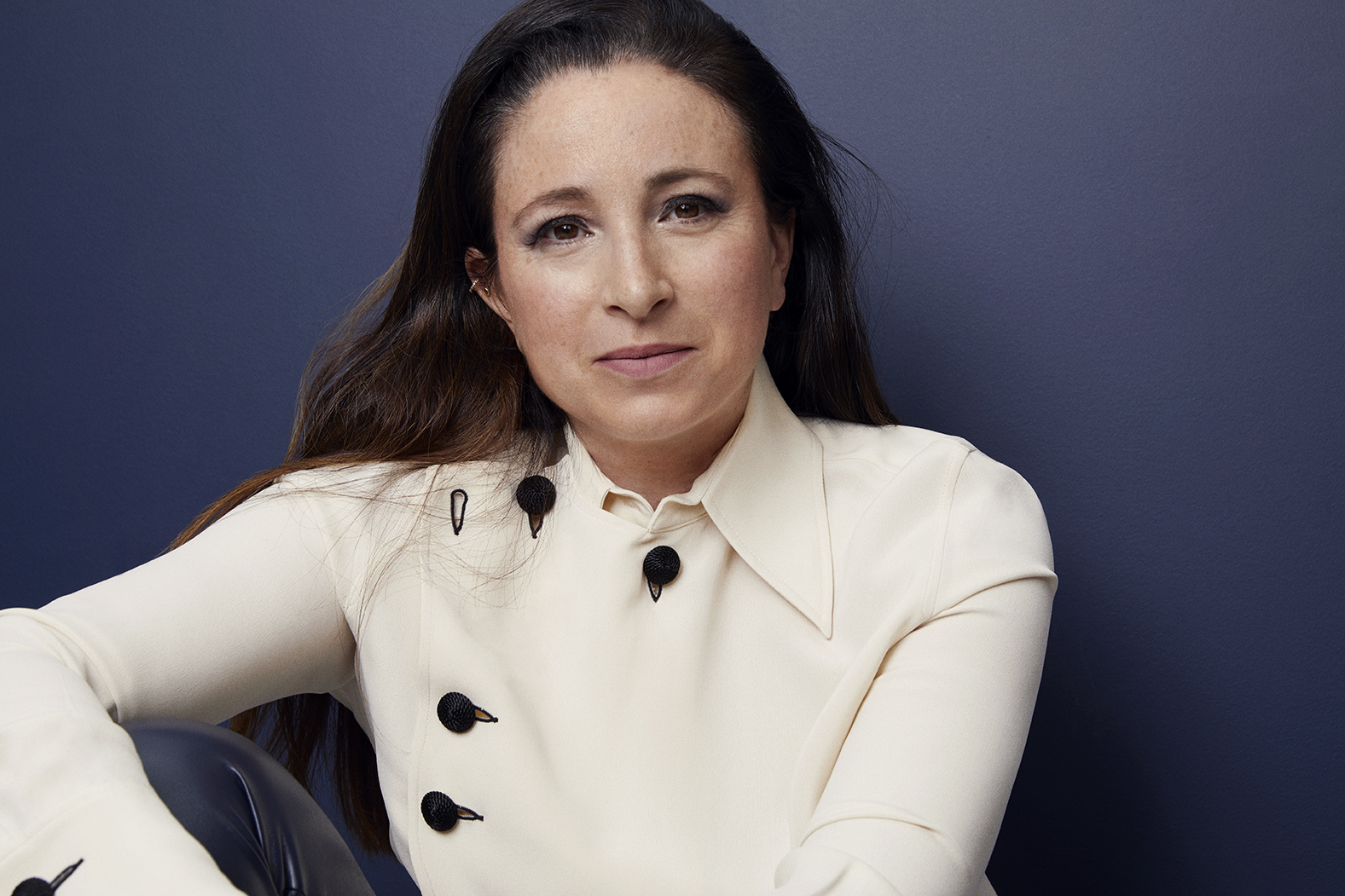
“My dad [Neil Sinclair] often talks to me about the Labour Party of the 1970s and how much they damaged the economy. It’s hard to believe they had to go to the IMF for an emergency loan.
“Today’s Labour Party are no better and from my perspective offer no hope of economic success – none of them. Putting a Business Secretary in place who, with the greatest of respect, has no material business experience but rather comes from non profit and charity world to shape our national industrial and trade strategy is foolhardy. And it has got consistently worse ever since.
“I am an entrepreneur so I typically veer towards optimism but I know the impact the current Government have made as regards EnterpriseAlumni’s strategy, hiring and outlook in the UK … and it’s not pretty.
“I don’t know a single CEO with a business of scale or with international outlook who doesn’t agree.”
Mark Pollack, co-founder Aston Chase
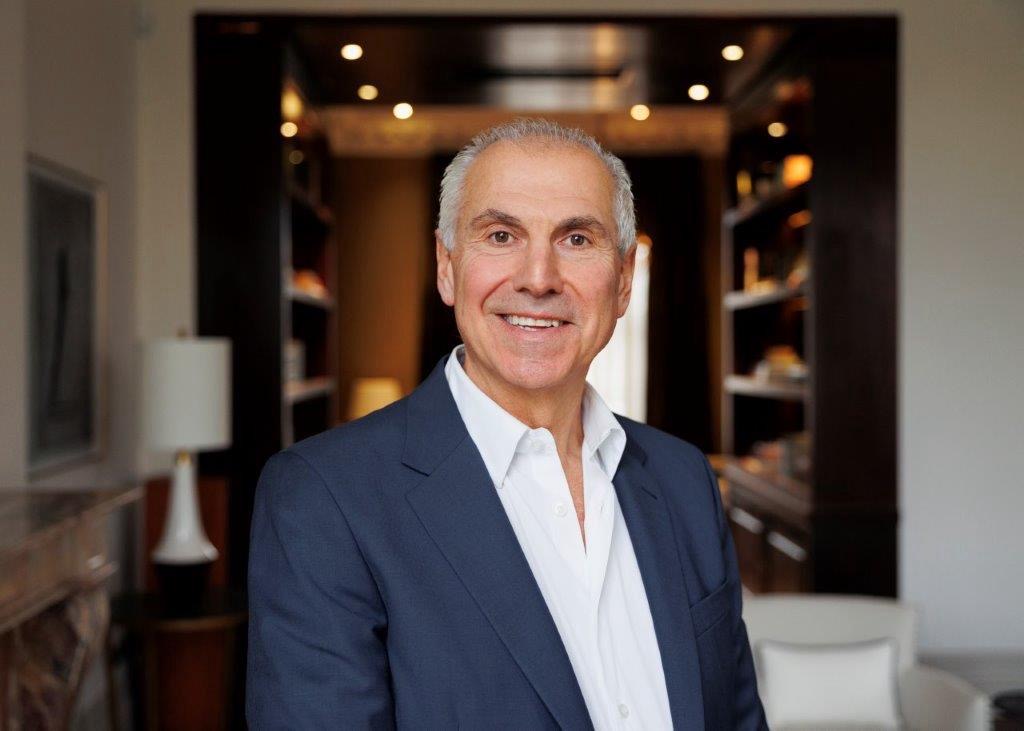
“I am not convinced that any of the candidates would be ‘best for British business’. The Labour Government’s policies have already proved to damaging to the economy as have, in particular, the non-dom and inheritance tax legislation which have been directly responsible for an alarming flight of wealth creators that has proved to be pretty catastrophic for the prime property market.
“In a property context, less is arguably more so retaining the existing status quo of Keir Starmer as Prime Minister would arguably result in less instability which is what the market needs right now given the backdrop of ongoing geopolitical and macroeconomic uncertainty.
“However, of all the candidates, Wes Streeting is most likely to be positively viewed by the high end property market in London and the South-East given his pro-business stance and his pro-Europe stance which would presumably be viewed positively by international capital and overseas buyers.
“From past experience, markets invariably favour politicians seen to be fiscally credible and business friendly rather than ideologically interventionist.
“Ironically, Nigel Farage’s Reform party’s promise to abolish SDLT (which has also recently been suggested by Kemi Badenoch on primary residences) would undoubtedly do the most to stimulate the residential market across the country but that possibility is still, realistically, at least three years away so for now, I would probably opt for stability over a further period of political in-fighting and uncertainty which will only result in the UK losing further credibility around the globe.”

Keep community journalism free.
Jewish News is free for everyone. No paywall. No barriers. Just trusted journalism for anyone who wants to stay connected to Jewish life in Britain.
If you value that, please support us.
From as little as £5 a month, you can help keep our journalism free and accessible to all.
Every day, we report on the issues that matter to our community. We celebrate achievements, support charities, challenge antisemitism and ensure Jewish voices are heard more widely.
From as little as £5 a month, you can help us continue to:
- Report on the stories shaping Jewish life in the UK and beyond
- Bring our community together through shared stories, events and campaigns
- Celebrate the people, culture and moments that define our community
- Support organisations doing vital work across Jewish Britain
You can make a one-off donation or become a regular supporter. Every contribution helps keep our journalism free, independent and accessible to all.
If everyone who values Jewish News gave a small amount, it would make a real difference to our future.