Prefer Jewish News on Google
Superdrug drops Ahava products over West Bank settlement concerns
Retailer blocks future sales of Israeli Dead Sea skincare brand following claims about activity at disputed site
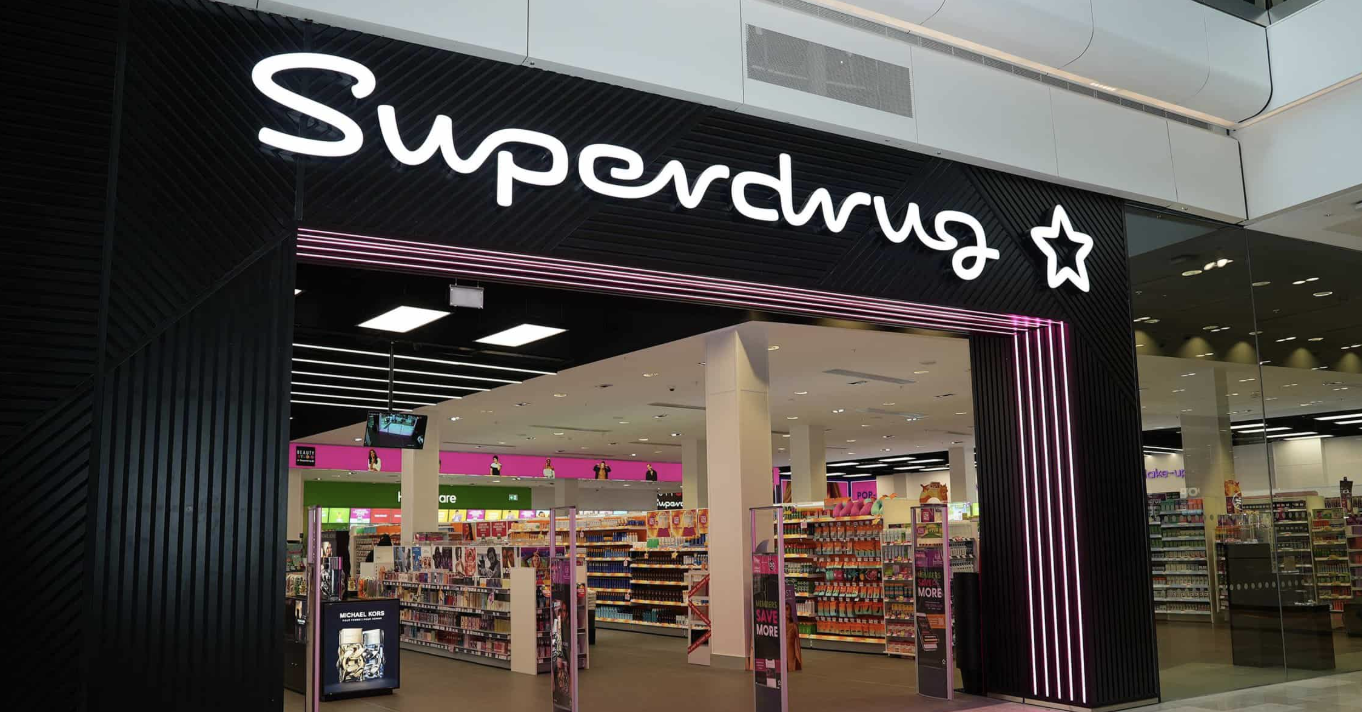
Superdrug has removed Israeli skincare brand Ahava from its online marketplace and blocked future sales after questions were raised about the company’s alleged links to a West Bank settlement.
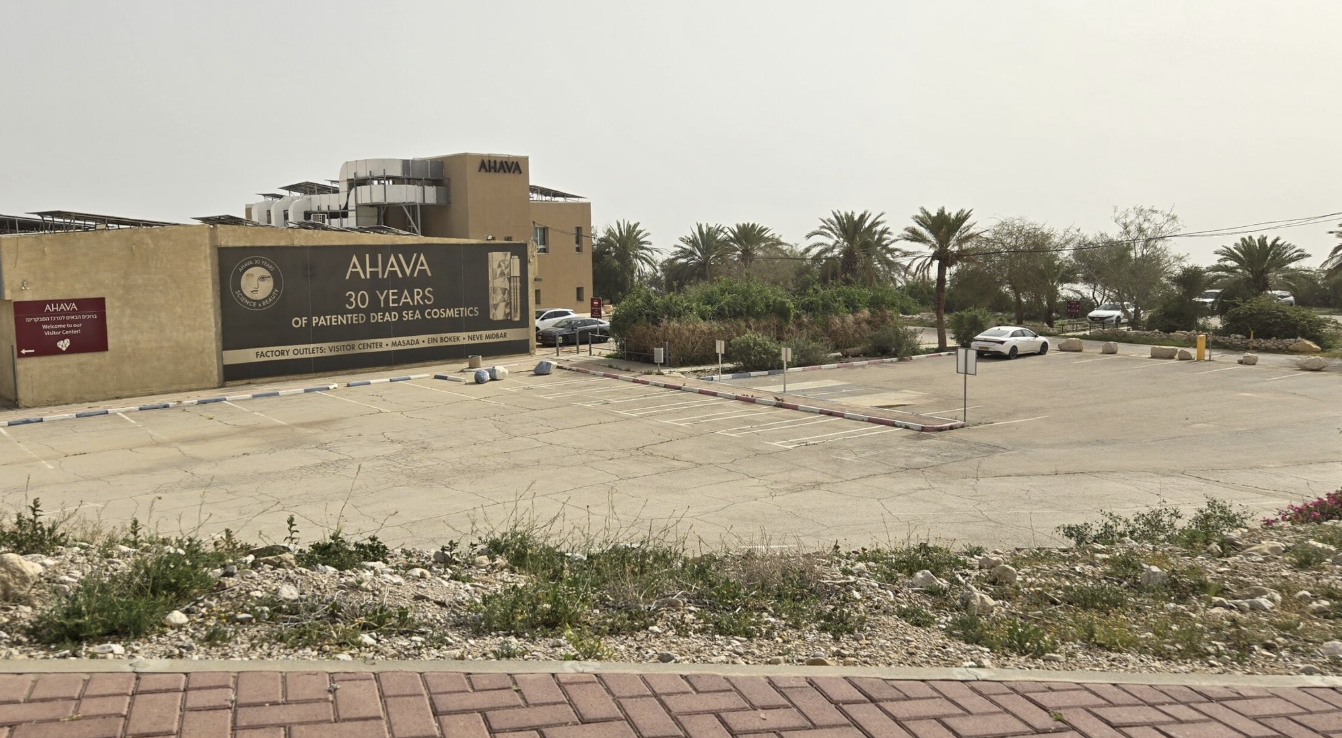
Ahava, which produces Dead Sea-based beauty products, has long been criticised by pro-Palestinian campaign groups over its historic connection to Mitzpe Shalem, an Israeli settlement near the Dead Sea.
The latest controversy follows the publication of photographs from the site, obtained by the American Friends Service Committee (AFSC) and first reported by Sky News. The images appear to show chemical containers carrying 2025 and 2026 dates, alongside large piles of earth that researchers believe may be Dead Sea mud used in cosmetic products.
After being alerted to the images, Superdrug removed Ahava products from sale.
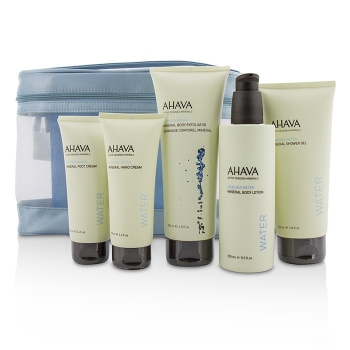
A spokesperson told Sky News: “We have now removed the SKU (stock keeping unit) and implemented additional system actions that will block and prevent any future listings of this brand from all sellers.”


The products had been sold through a third-party seller on Superdrug’s marketplace rather than directly by the retailer.
Ahava products remain available through a number of other UK and international online retailers.
The company denied that it operates a production facility at the Mitzpe Shalem site and said all manufacturing activities were moved into internationally recognised Israeli territory several years ago.
Chief executive Ron Michael told Sky News: “As previously communicated publicly, by 2022, all production activities were consolidated within internationally recognised Israeli territory.”
The company also said the site is owned by a local kibbutz and that the mud, salts and botanicals used in its products are sourced from what it describes as “undisputed Israeli territory”.
The move comes during continuing debate over trade with Israeli settlements in the West Bank. The UK government considers the settlements illegal under international law and says they undermine efforts to achieve a two-state solution. Israel disputes that position and argues the settlements are lawful.
Earlier this year, MPs on the Foreign Affairs Committee called for a ban on imports from Israeli settlements, while the Business and Trade Committee pressed ministers on what action they were taking over settlement trade.
Ahava has previously been the focus of protests in the UK. Its Covent Garden store closed in 2011 after years of demonstrations, and its products were also removed from John Lewis stores that year.
In September 2025, Ahava and its parent company, Chinese conglomerate Fosun International, were added to a United Nations database of companies linked to activities connected with Israeli settlements.
Responding to the move, Ahava said: “The inclusion of Ahava in the UN High Commissioner for Human Rights’ database in September 2025 does not accurately reflect the current factual or legal situation of our operations. We have engaged constructively with the relevant UN bodies and provided extensive clarification and supporting documentation. We are actively working to rectify this classification.”
Michael added: “We remain committed to transparency, compliance, environmental responsibility, and respectful dialogue.”

Keep community journalism free.
Jewish News is free for everyone. No paywall. No barriers. Just trusted journalism for anyone who wants to stay connected to Jewish life in Britain.
If you value that, please support us.
From as little as £5 a month, you can help keep our journalism free and accessible to all.
Every day, we report on the issues that matter to our community. We celebrate achievements, support charities, challenge antisemitism and ensure Jewish voices are heard more widely.
From as little as £5 a month, you can help us continue to:
- Report on the stories shaping Jewish life in the UK and beyond
- Bring our community together through shared stories, events and campaigns
- Celebrate the people, culture and moments that define our community
- Support organisations doing vital work across Jewish Britain
You can make a one-off donation or become a regular supporter. Every contribution helps keep our journalism free, independent and accessible to all.
If everyone who values Jewish News gave a small amount, it would make a real difference to our future.