
 Prefer Jewish News on Google
The diabetes challenge is clear. Now we must act
A senior public health professional and policy advisor says prevention and early intervention offer the best chance to improve community health
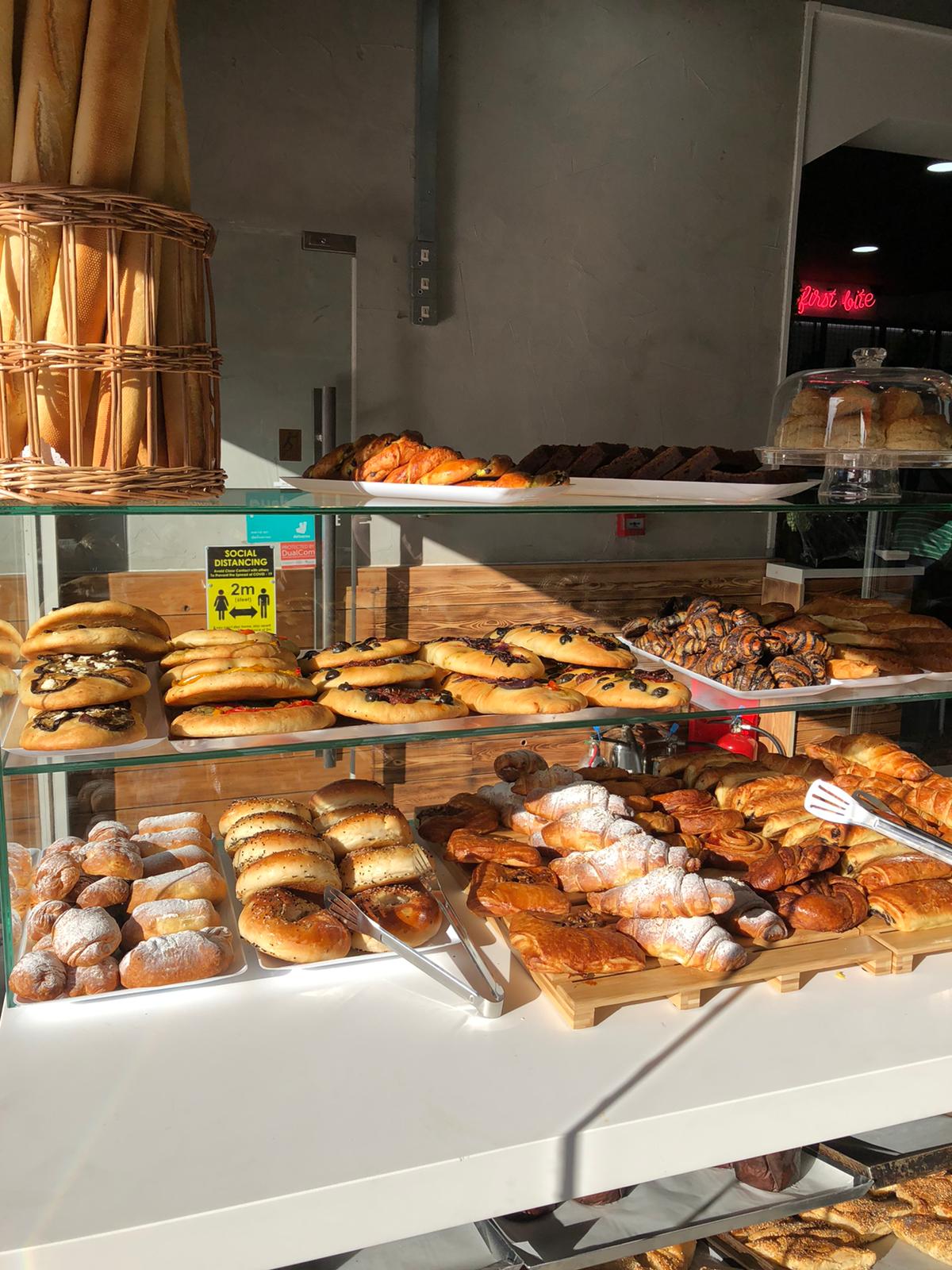
We all know we should eat a bit more healthily and do a bit more exercise. We all also know it’s easier said than done — especially in our community, where a love of food is stitched into our DNA. One more piece of challah, one more bagel, one more kneidel… I’ve heard myself say it more times than I care to admit.
There are many reasons — physical and mental — why a healthier diet and being more active matter. The current campaign by Jewish Blind & Disabled (JBD), focusing on Type 2 diabetes in our community, highlights one of the most important. Diabetes is a growing and serious risk as we get older, but increasingly it affects younger people too, driven by lifestyle and the food environment around us.
As Director of Public Health in Newham for many years, I worked closely with communities — particularly South Asian, African and Caribbean communities — where diabetes rates were significantly higher than the national average. My aim was always to ensure people had the right information to manage their health. It is never about blame. We all lead complicated lives shaped by pressures outside our control. But with the right knowledge, insight and a non-judgemental approach that empowers rather than shames, people can take control and make changes that genuinely improve their lives.
Closer to home, the same message applies to our own Jewish community. As JBD has highlighted, diabetes is more common among Jewish people than in many other groups. That’s why their campaign is so timely and so welcome.
The most important step is simply knowing your risk. If you’re over 40, you’re entitled to periodic health checks from your GP. Alongside blood pressure and cholesterol, your GP will check your HbA1c — a measure of blood glucose. This tells you whether your levels are healthy, whether you’re at risk of developing diabetes, or whether diabetes is already present.
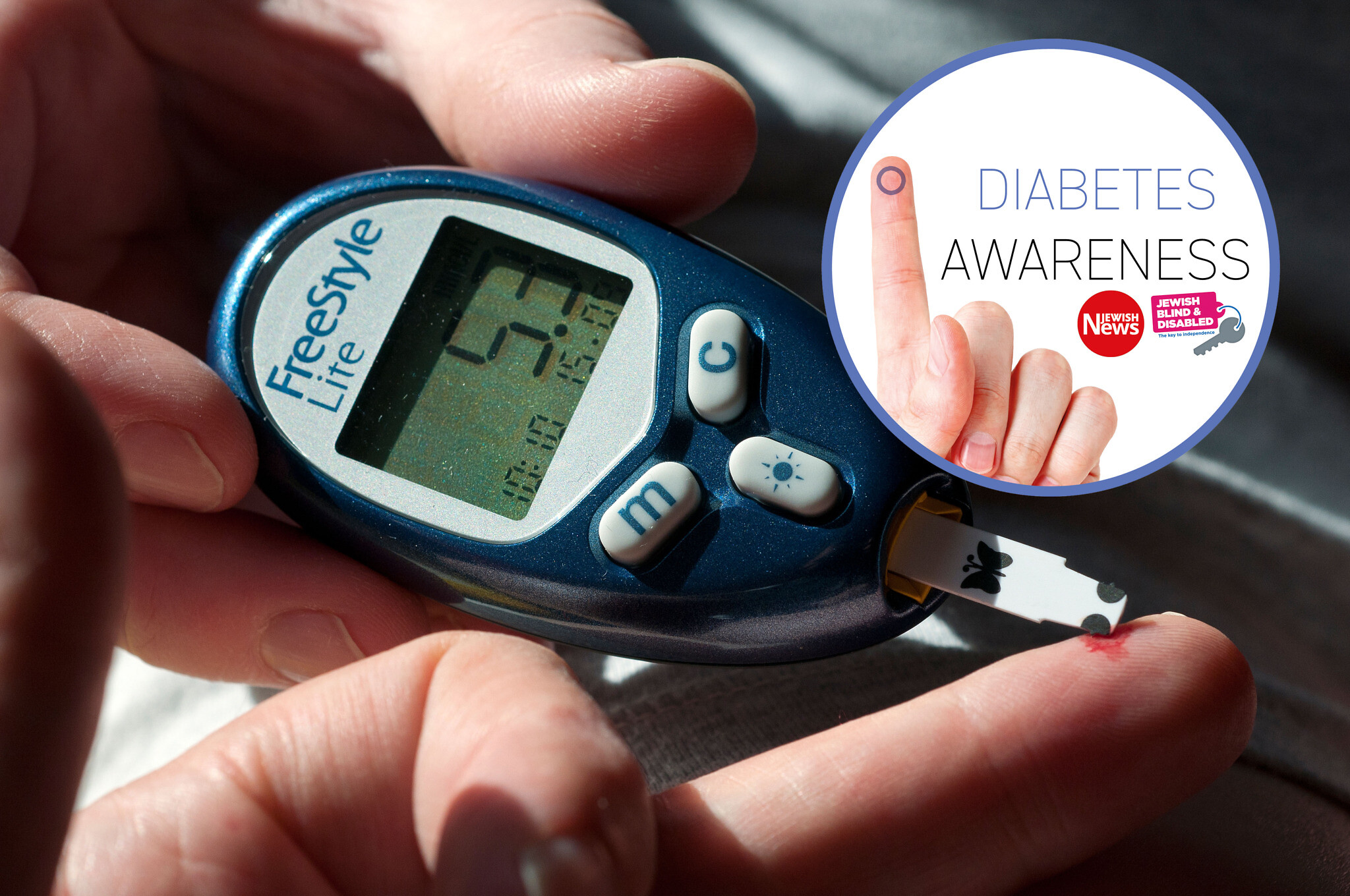
The good news — and it really is good news — is that diabetes can often be substantially slowed or even reversed. Knowing your numbers shouldn’t be feared; it’s an opportunity to take control. If you need support, your GP can help, and there is excellent evidence-based advice from trusted sources like the NHS and Diabetes UK.
Prevention and early intervention have become increasingly important to policymakers, too. Getting prevention right is a classic win-win. First and foremost, it is best for people to identify risks early, take action and avoid the suffering that chronic illness can cause. But it is also better for our NHS, which is managing an unsustainable burden of preventable health conditions. That is why we are seeing greater investment in community diagnostics, more focus on identifying those at highest risk and better support to help people make lasting lifestyle changes.
But the responsibility shouldn’t fall solely on individuals. We all know how hard it is to maintain a healthy diet when unhealthy options are everywhere. As a community, we pride ourselves on looking out for one another. So what more can we do to support each other on this journey?
Small changes to our shared food environments can make a huge difference — and they send a powerful message that we care about each other’s health. From kiddush to simchas, Friday nights to bagel lunches, offering a few more healthy options gives people real choice and control. And what could be more in keeping with our values than that?
Ultimately, the prize is something we all care deeply about: our own health and the health of those we love. The consequences of diabetes are serious, from sight loss to disability and with a major contribution to cardiovascular disease and early death. But we now know how much of this can be prevented.
This is a moment to be bold. For ourselves, for our families and for our community, we can change the story on diabetes. Jewish Blind & Disabled are showing the way – and we should follow.
- Jason Strelitz is a senior public health professional and policy adviser

Keep community journalism free.
Jewish News is free for everyone. No paywall. No barriers. Just trusted journalism for anyone who wants to stay connected to Jewish life in Britain.
If you value that, please support us.
From as little as £5 a month, you can help keep our journalism free and accessible to all.
Every day, we report on the issues that matter to our community. We celebrate achievements, support charities, challenge antisemitism and ensure Jewish voices are heard more widely.
From as little as £5 a month, you can help us continue to:
- Report on the stories shaping Jewish life in the UK and beyond
- Bring our community together through shared stories, events and campaigns
- Celebrate the people, culture and moments that define our community
- Support organisations doing vital work across Jewish Britain
You can make a one-off donation or become a regular supporter. Every contribution helps keep our journalism free, independent and accessible to all.
If everyone who values Jewish News gave a small amount, it would make a real difference to our future.





















