Prefer Jewish News on Google
The historian turning religion into a force for peace in Israel’s most divided cities
Prof. Uriel Simonsohn believes faith leaders can help Israel’s fractured communities – even in wartime
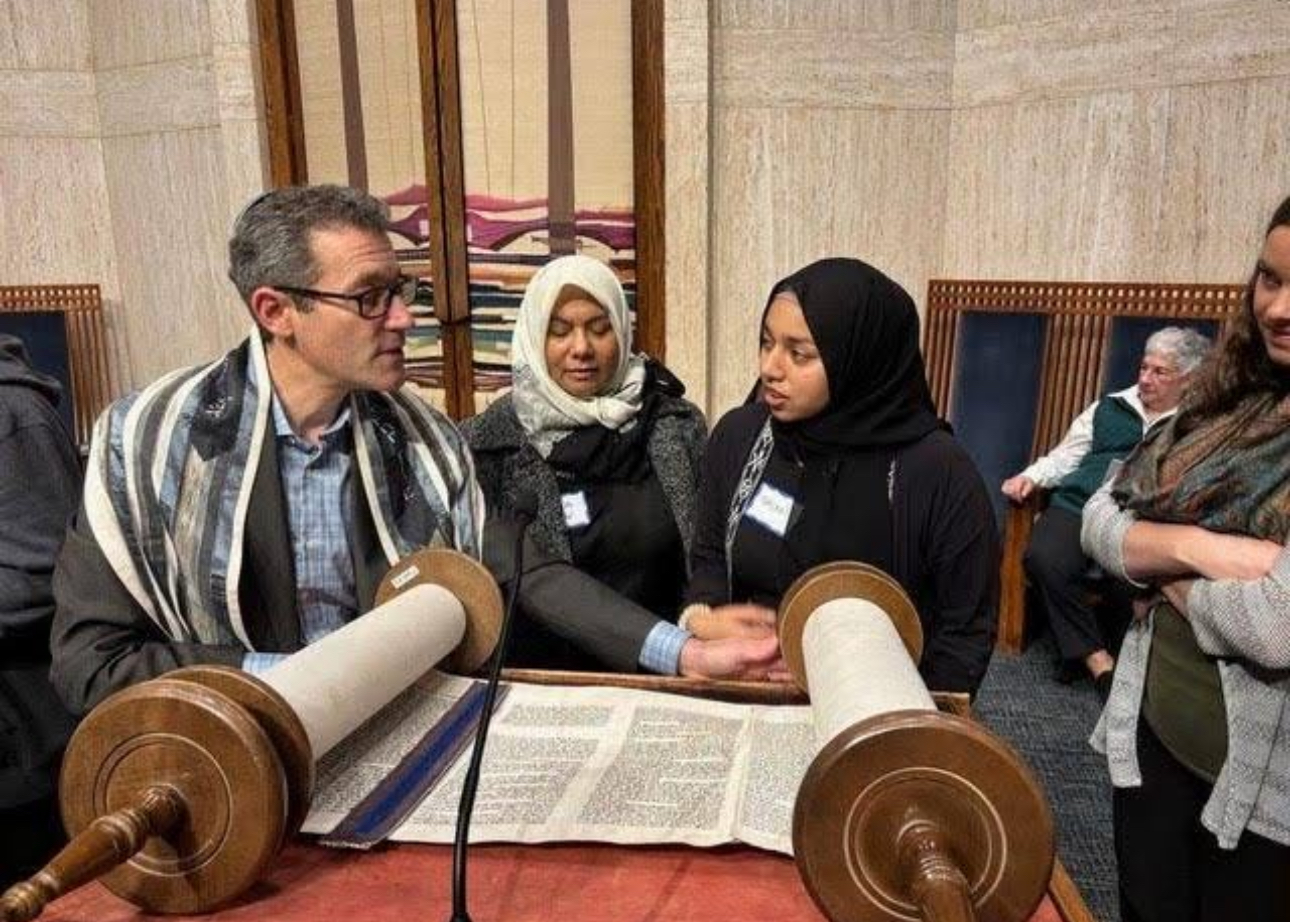
Prof. Uriel Simonsohn is not the kind of academic content to stay tucked away in his office.
A historian of Islam and interreligious relations at the University of Haifa, he has instead found himself at the heart of one of Israel’s most ambitious grassroots peace efforts.
“I feel I no longer have the privilege to remain in my office, reading, and writing,” he tells Jewish News. “We have a greater mission, and we should leverage our expertise and relative social station to advance things that are close to heart.”
His laboratory, founded five years ago, is called the Haifa Laboratory for Religious Studies (HLRS). On paper it is an academic project, but in practice it has become something much bigger: a hub where faith leaders, teachers, students, and researchers work together to challenge mistrust and build empathy across religious and ethnic divides.
When war broke out nearly two years ago and intercommunal relations collapsed, most assumed dialogue would grind to a halt. Instead, Simonsohn doubled down.
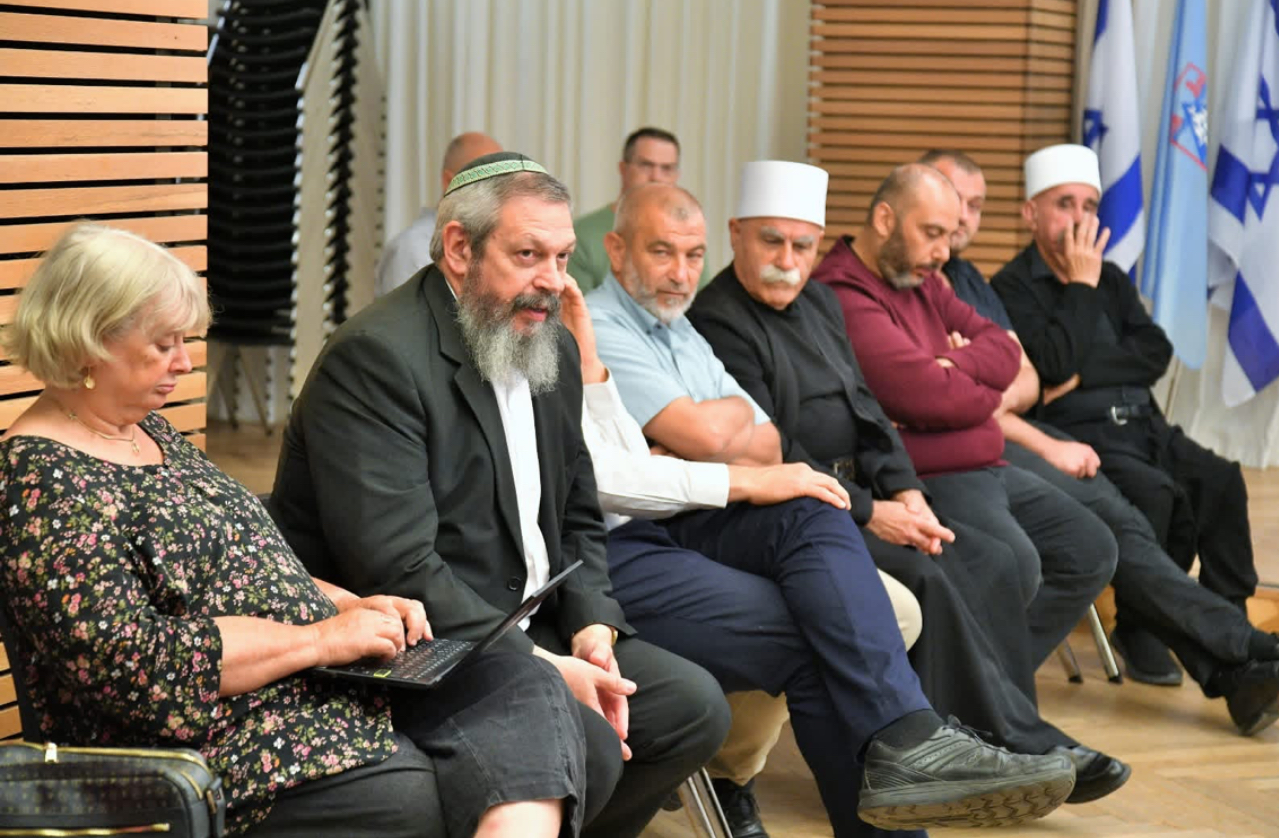
In September 2024 he brought together more than 100 Jewish, Muslim, Christian, and Druze leaders at Haifa City Hall for the launch of the city’s first Multifaith Council. The mayor endorsed it. Senior rabbis, priests, imams, and sheikhs attended. And, at a time of extraordinary strain, the council issued a declaration of solidarity.
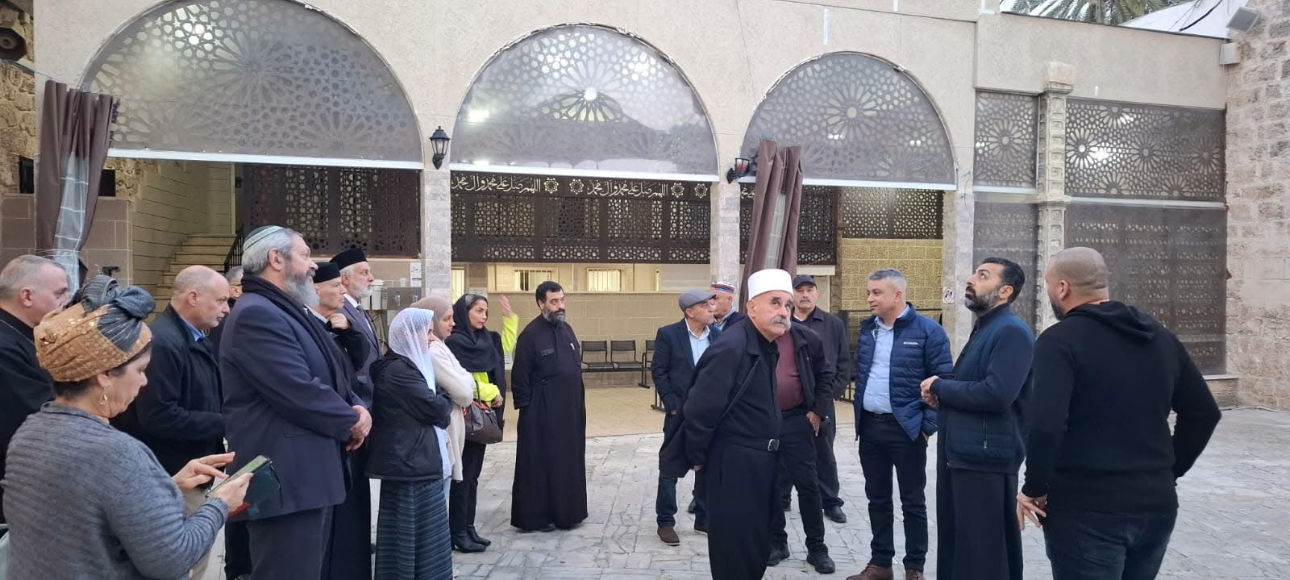
“It was incredibly challenging,” Simonsohn recalls. “The amount of lack of trust, suspicion, and prejudice – people came with preconceptions. So, you start small. You get people simply to talk to each other, to realise there is a person behind the title, with fears, hopes, and aspirations. Empathy can only grow if people expose vulnerability. And that requires a safe space.”
The model soon spread.
New councils were set up in Acre and Ramla, both cities scarred by outbreaks of Jewish-Arab violence in recent years. These groups met behind closed doors, sometimes for the first time, to discuss how to prevent the next eruption.
From there came another bold step: bringing religious leaders into schools.
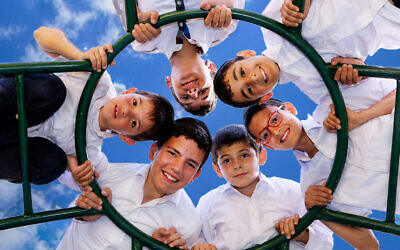
“In Israel the education system is highly segregated,” Simonsohn explains. “Religious Jews, secular Jews, Arabs, Druze – they all go to different schools. These children grow up into young adults who know almost nothing about the traditions of other communities.”
HLRS began small, inviting leaders to speak to classes of tenth and eleventh graders. “At first they talk about upcoming holidays,” he says. “But then students ask: why are you working together at such a terrible time of war, when you would expect the opposite? That’s when the real conversation begins.”
Credit: Haifa Laboratory for Religious Studies/Facebook
The educational strand has gone further still. Earlier this year HLRS launched Israel’s first MA programme in religious studies and interfaith dialogue designed for religious leaders only.
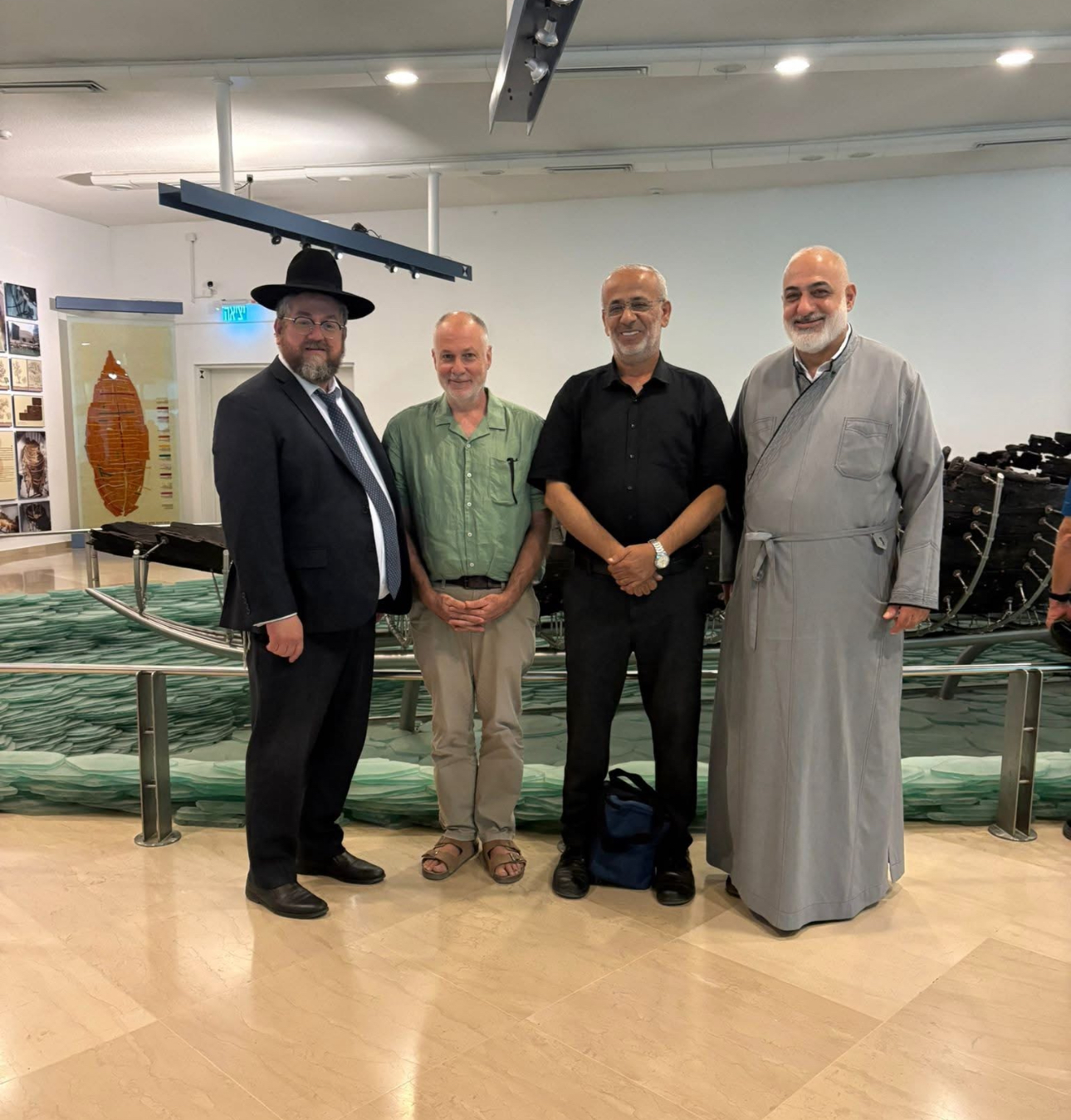
Its first twelve graduates included Orthodox rabbis, Druze sheikhs, and Christian priests. They studied side by side for three semesters and took part in fieldwork together. Now, Simonsohn says, the aim is to support them as they begin grassroots projects within their own congregations.
“Just recently two Orthodox rabbis in Jerusalem invited their classmates from other faiths into their own communities,” he says. “That would have been unimaginable before.”
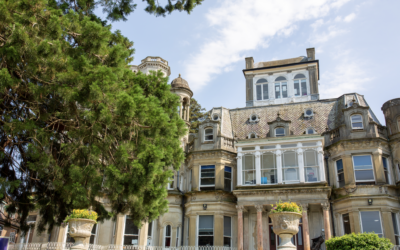
The University of Haifa provides a unique backdrop for his work. Known as “the University of the North”, it is the most diverse campus in Israel. Forty-five percent of its undergraduates are Arab or Druze, and half are the first in their families to attend higher education. It also has the highest proportion of low-income students in the country, making it widely seen as a driver of social mobility.
HLRS is a flagship project of the university’s Home Again campaign, which focuses on rebuilding northern Israel after the war, with an emphasis on community resilience and rehabilitation.
For Simonsohn, the risks are not abstract. Interfaith work attracts suspicion from hardliners and criticism even within academic circles. He has been accused of betrayal and warned against engaging with sceptical or radical voices.
Credit: Haifa Laboratory for Religious Studies/Facebook
But he insists that this is exactly where the work must take place. “We need to cross these divides and get people to talk to one another, even if there are great differences between them,” he says.
What drives him, after years of scholarship and activism, is surprisingly simple. Asked what message he would want Jewish, Muslim, Christian and Druze students to take away from his work, he pauses only briefly before answering.
“Be curious,” he says.
It is not a slogan, but an approach – one rooted in quiet courage, lived experience, and the belief that even in war, peacebuilding cannot wait.

Keep community journalism free.
Jewish News is free for everyone. No paywall. No barriers. Just trusted journalism for anyone who wants to stay connected to Jewish life in Britain.
If you value that, please support us.
From as little as £5 a month, you can help keep our journalism free and accessible to all.
Every day, we report on the issues that matter to our community. We celebrate achievements, support charities, challenge antisemitism and ensure Jewish voices are heard more widely.
From as little as £5 a month, you can help us continue to:
- Report on the stories shaping Jewish life in the UK and beyond
- Bring our community together through shared stories, events and campaigns
- Celebrate the people, culture and moments that define our community
- Support organisations doing vital work across Jewish Britain
You can make a one-off donation or become a regular supporter. Every contribution helps keep our journalism free, independent and accessible to all.
If everyone who values Jewish News gave a small amount, it would make a real difference to our future.