Prefer Jewish News on Google
The Jewish mother from hell and the daughter who forgave her
Gayle Kirschenbaum was criticised and shouted at for most of her life but is now caring for her elderly mum
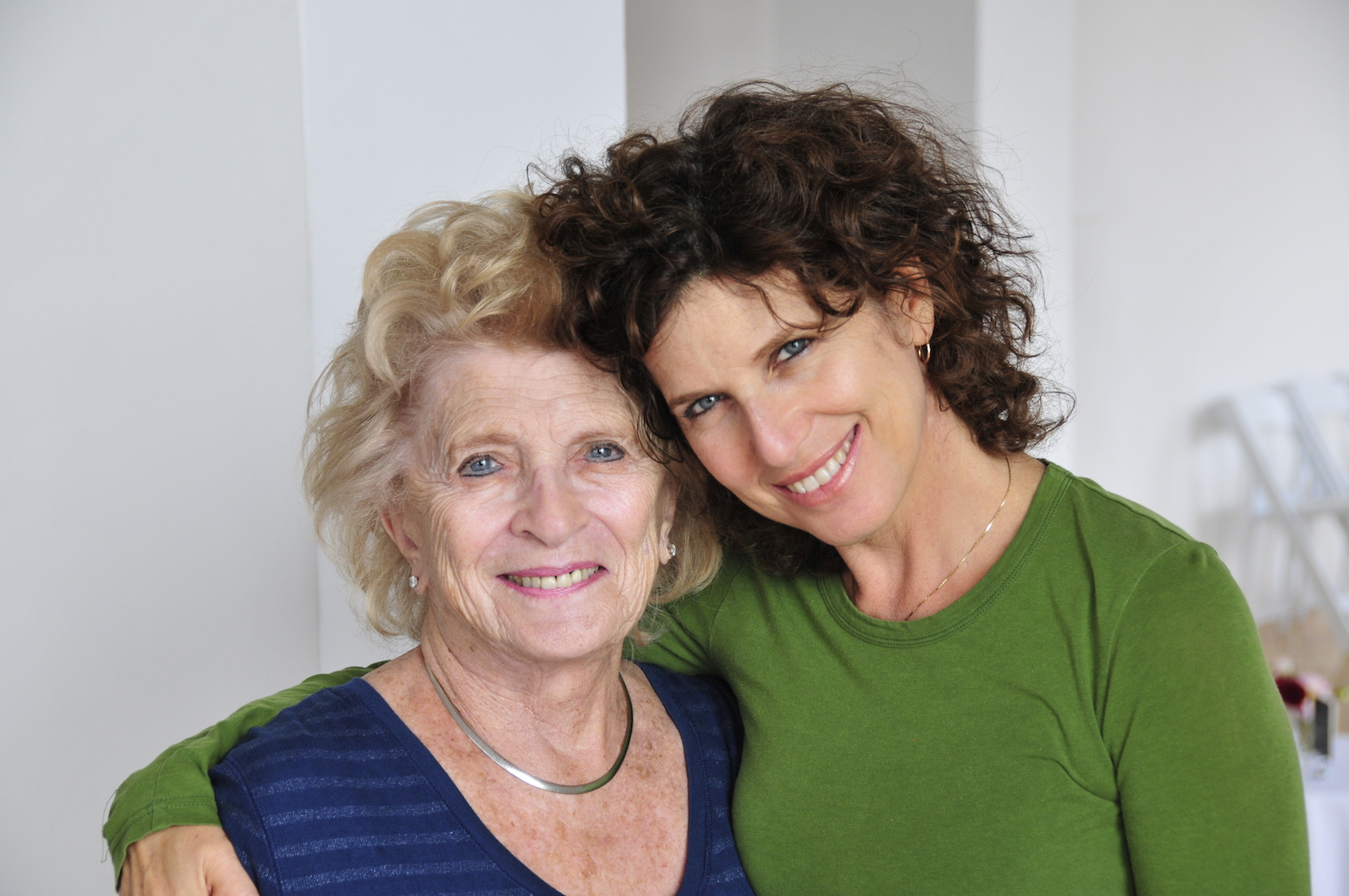
It took Gayle Kirschenbaum until middle age to forgive the mother who made her childhood hell to the extent she wished her dead. But it took the ever-carping matriarch until she was nearly 100 to forgive herself. “She was 99 before she acknowledged what she had done to me,” says the Emmy-winning film-maker, whose chronicle of family abuse first aired to Brits at the UK Jewish Film Festival in 2015.
And as Mildred Kirschenbaum lives on she continues to surprise the daughter who has put her professional life on hold to become her carer while detailing in print her journey from victim to ultimate forgiver. As we chat about her just-released memoir Bullied to Besties, Gayle reveals she has extended that forgiveness to the brothers she calls her mother’s “enforcers”, as well as to the Mommie Dearest still trying to call the shots at 102.
“Today was so poignant because I saw her well up as I described how ill what she did to me had made me,” says Gayle over Zoom from Florida, where she has been finalising the plans to celebrate Mildred’s big day. “She’s always been defensive and never normally expresses her emotions; it was the most open and vulnerable I have ever seen her.”
But Mildred will doubtless crack a smile for the camera as she blows out the candles on her cake. Birthday plans include a sponsored kiddush at Palm Beach Synagogue to be followed by a bash at Mildred’s favourite bar in Boca Raton, where she lived independently until a few years ago. Then one fall too many prompted Gayle to up sticks in New York and move in with the mother she once couldn’t wait to get away from.
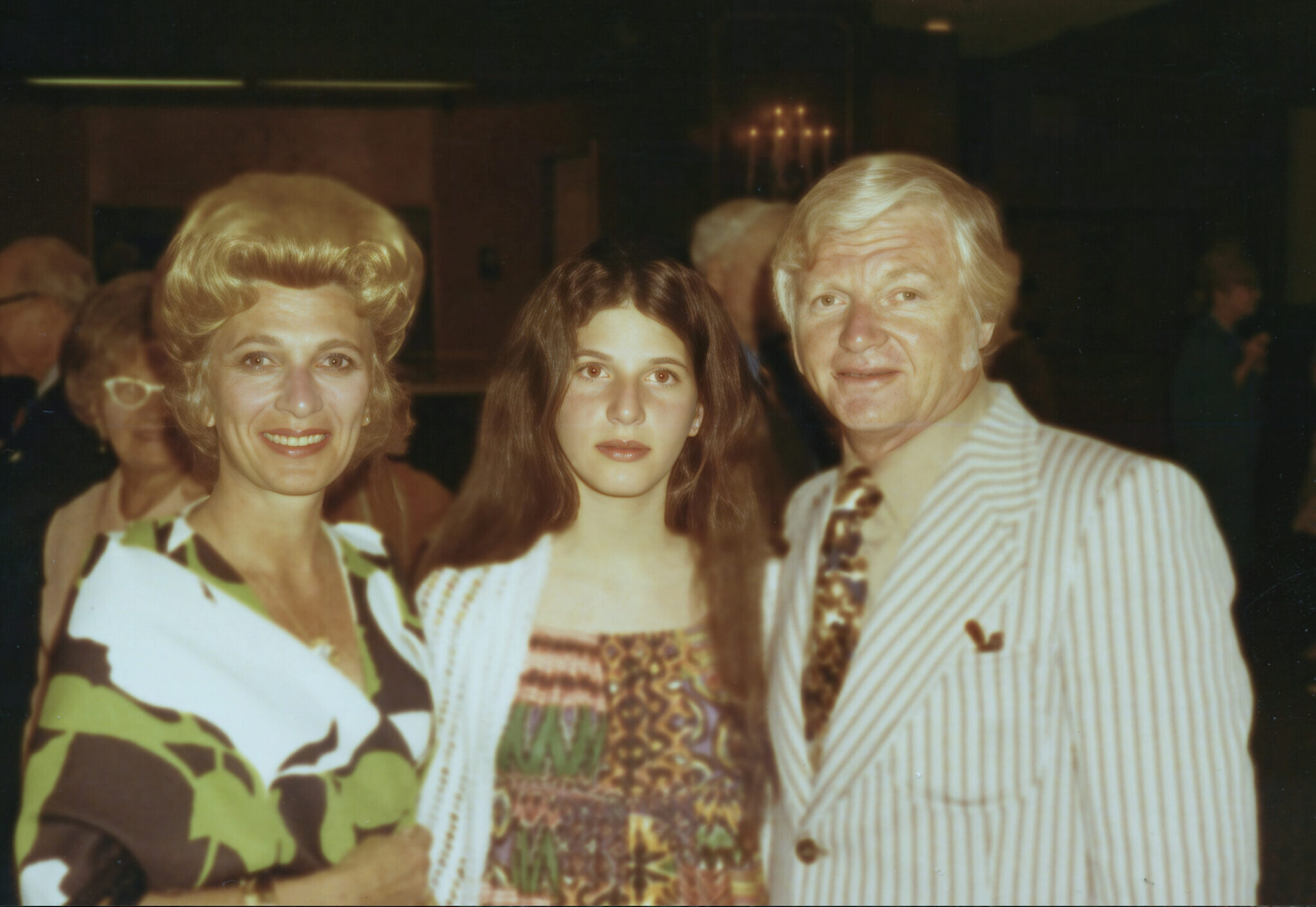
Gayle was born in 1954, the last of three children. “She only today admitted for the first time that she was depressed after I was born. I can’t help but wonder if it was because she was expecting and hoping for another boy.”
In the event she was tolerated but criticised and shouted at, warned not to expect to be the little princess of the family. She lays this out even more vividly in her book than her film, Look At Us Now, Mother. “I wasn’t a daughter. I was an object – something to control, punish, dismiss. I was only seen when it served a purpose.”
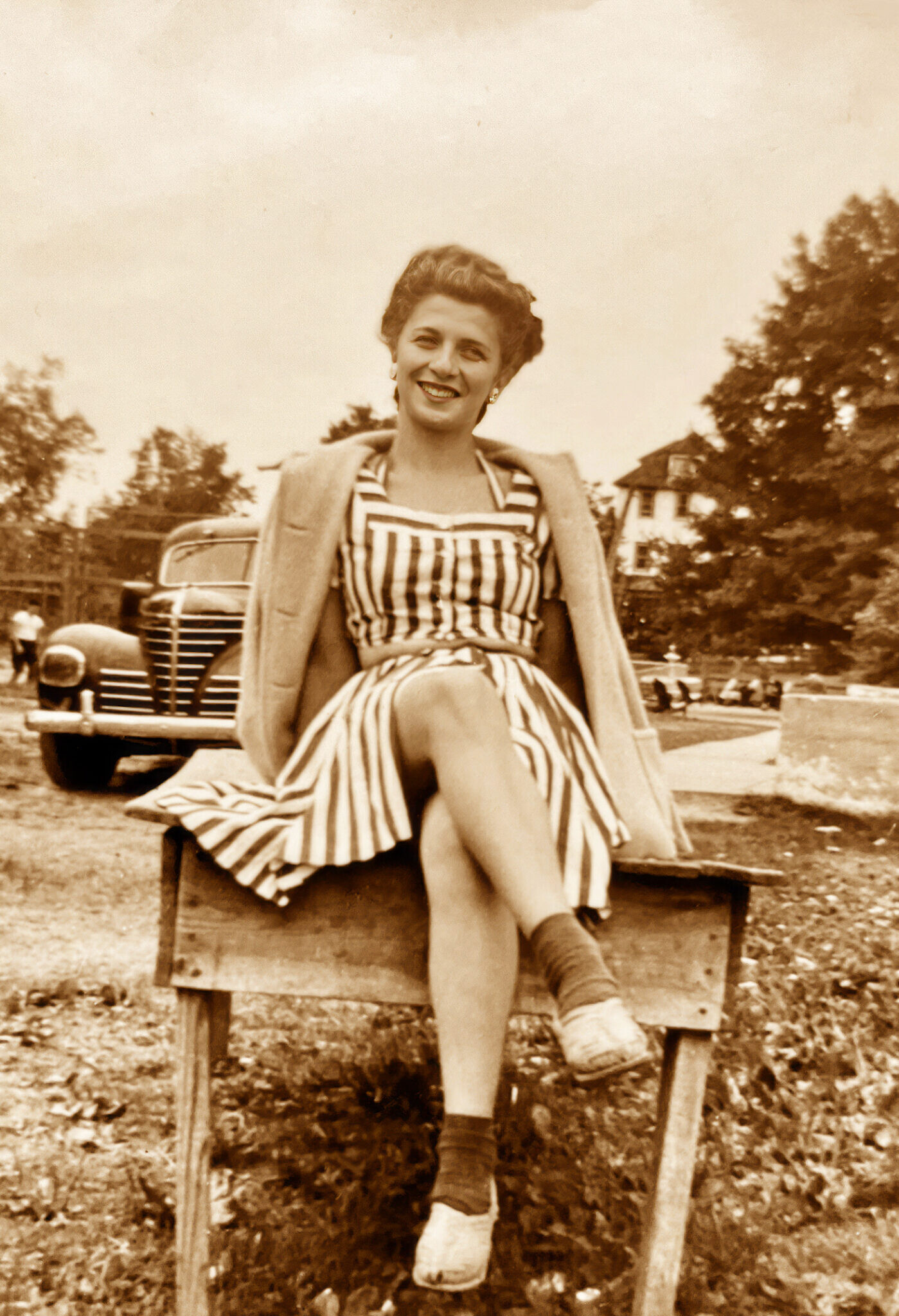
Unsurprisingly, Gayle wanted out: “Anything but living under the same roof as my mother and her obedient bouncers, my brothers.” She comforted herself by dreaming of a world without Mildred: “When she went away with my father, I thought if the plane crashed I would be free.
“The criticisms, the humiliation, the mind games – they stretched across decades. I carried them with me into every room I entered, into every relationship and into adulthood.”
Riddled with headaches, dizzy spells and an eating disorder – “when you’re in a constant state of fear, everything goes into your body” – and still fighting skin problems, Gayle, like her mother still a beauty in her 70s, never married. But she did yearn for closure, which first became a distant possibility when a newly-widowed Mildred surprised Gayle by asking to travel with her to a film festival. Surviving their first ever solo trip together, the daughter felt inspired to investigate and document the relationship which had caused her a lifetime of pain.
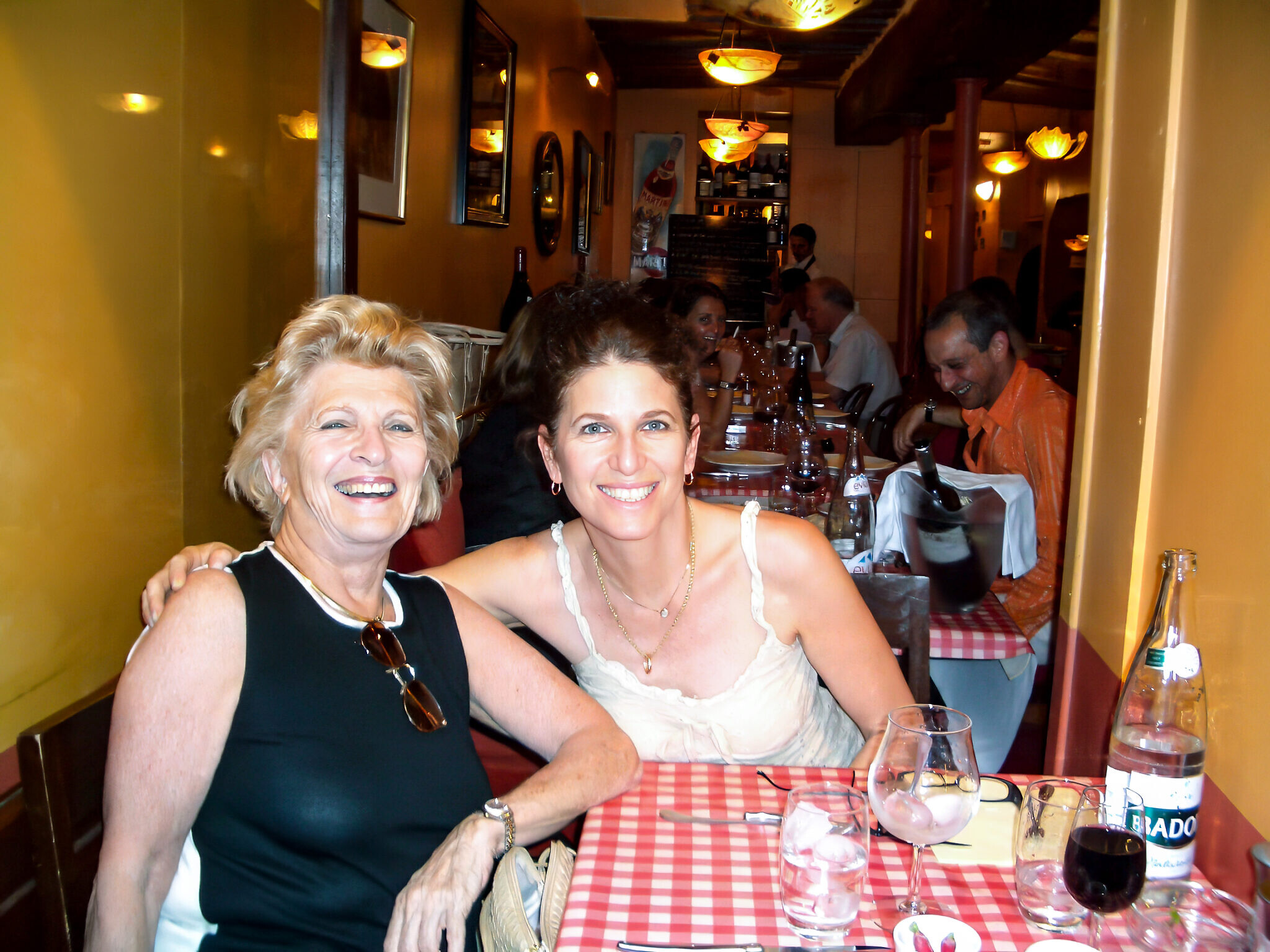
It began with My Nose, a short film about Mildred’s lifelong nagging of Gayle to get a nose job (she never gave in). One reviewer’s brutal comments about Mildred’s relentless bullying delighted, rather than devastated, the unashamedly narcissistic mother. “Bad press is better than no press – I’m on the cover of the Washington Post,” she announced triumphantly.
Capitalising on her mother’s penchant for attention, Gayle persuaded Mildred to join her in therapy for public consumption on film, and after many years of tweaking out family secrets only reluctantly given up, the result was Look At Us Now, Mother! A private screening, which got a standing ovation, prompted Mildred, who had never asked to see the film ahead of time, to wisecrack to the audience: “I never knew I was such a bitch!” Even Robert, the surviving brother who now joins Gayle and Mildred on an annual birthday cruise, had tears in his eyes as he told his sister: “I realised that you couldn’t do anything right and I couldn’t do anything wrong.”
The years of working on their relationship with more than one therapist transformed Gayle into a forgiveness coach who has run workshops in many different cities for other daughters of difficult mothers. Women from wildly diverse cultures have come up to her after screenings to tell her how much they relate to her story. And she has made Mildred an influencer by putting her in front of a phone camera to tell how she handles life as a centenarian.
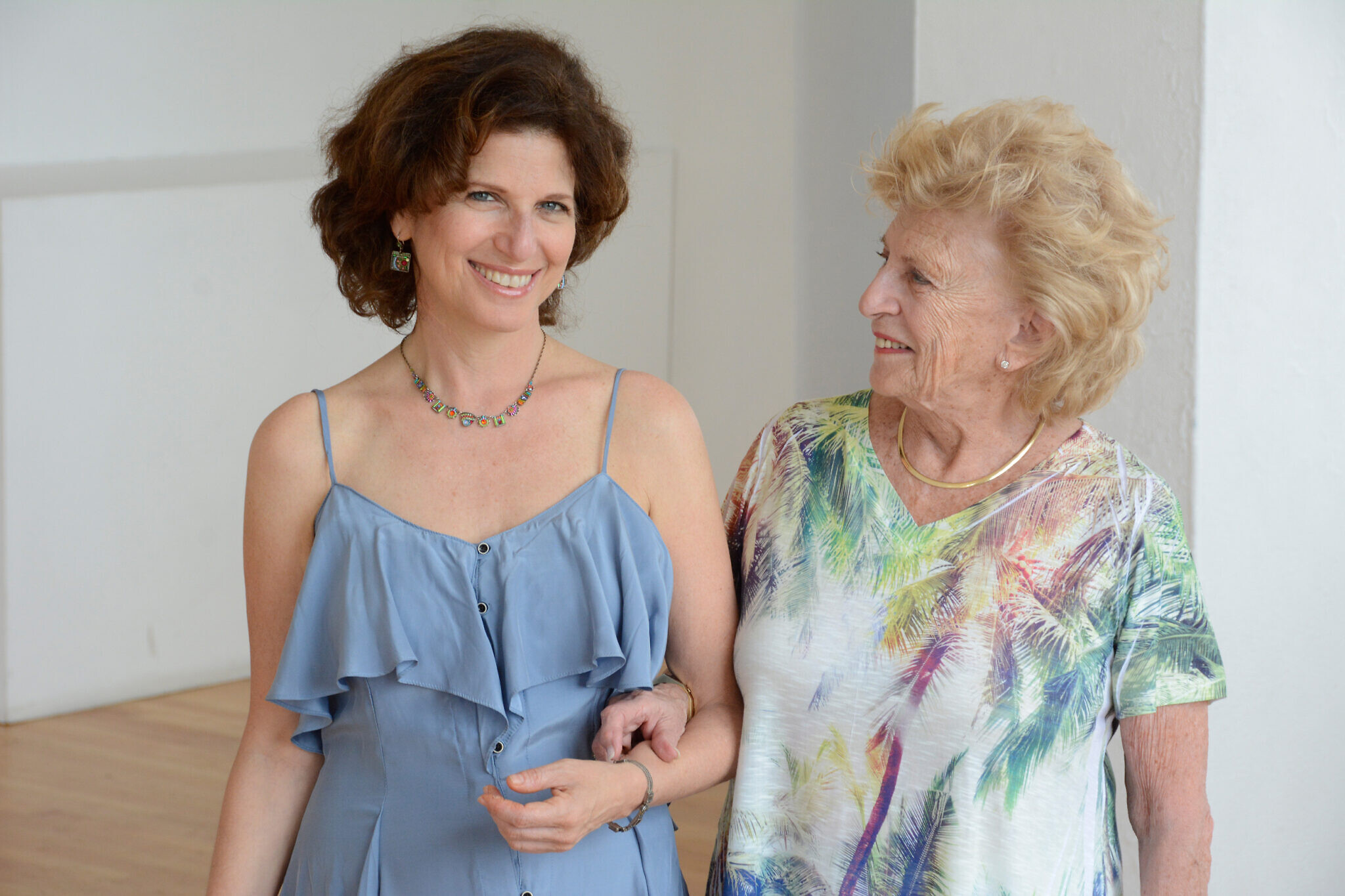 Now Gayle is dealing with a new dynamic; she sees the increasing frailty of a tough old mother turning her into the one who loses patience the way Mildred did with her when they first started going to the gym together. “Dressed in her workout clothes she shouted, ‘you’re slow as shit!’ as I struggled to keep up,” she recalls.
“She wore everyone down with her relentless energy, but now the woman who once yanked others forward has slowed to the point where each button, each step, each breath takes effort. And then I hear myself, her voice echoed in mine: ‘Stand up straight, Mother! Pinch your shoulder blades together.’ It comes out like a drill sergeant’s bark – so familiar it startles me.”
As the daughter who left home at 16 contemplates with dread life beyond the loving relationship she never imagined possible, she admits: “Watching her fade has been hard. Caring for her has been harder – but strangely healing. Forgiveness, which gave me back my mother and allowed me to reclaim the part of myself I had hidden away, is what makes it possible. Without it I couldn’t sit beside her with tenderness now.”
Bullied to Besties is available on Amazon.

Keep community journalism free.
Jewish News is free for everyone. No paywall. No barriers. Just trusted journalism for anyone who wants to stay connected to Jewish life in Britain.
If you value that, please support us.
From as little as £5 a month, you can help keep our journalism free and accessible to all.
Every day, we report on the issues that matter to our community. We celebrate achievements, support charities, challenge antisemitism and ensure Jewish voices are heard more widely.
From as little as £5 a month, you can help us continue to:
- Report on the stories shaping Jewish life in the UK and beyond
- Bring our community together through shared stories, events and campaigns
- Celebrate the people, culture and moments that define our community
- Support organisations doing vital work across Jewish Britain
You can make a one-off donation or become a regular supporter. Every contribution helps keep our journalism free, independent and accessible to all.
If everyone who values Jewish News gave a small amount, it would make a real difference to our future.