Prefer Jewish News on Google
The publishing world has rolled out the red carpet for one type of hatred
While Jews - both Israelis and those in the diaspora - are shunned, authors whose virulent bigotry is unvarnished are feted

It was 2.45am when I saw the tweet. I was blearily making my way home from the public shelter after Iran’s latest barrage during the twelve-day war when I read the words: “You spend years thinking you needed therapy but, as it turns out, what you really needed was to watch Tel Aviv burn.”
Not much shocks me anymore, but this was a tweet from Susan Abulhawa, author of Mornings in Jenin, a mainstream author whose work a client of mine had acquired for publication in a European country just two weeks earlier. I am a literary scout, originally from London, based in Tel Aviv for the past eight years, and I advise clients in fifteen countries of the most exciting forthcoming books to acquire for translation.
I immediately attached a screenshot and emailed it to the client with the subject line “Hate Speech”, expecting a horrified, or at the very least mortified, response, and assuming the contract would be swiftly cancelled. This kind of behaviour is not tolerated in the genteel world of publishing.
Instead, I was told that the tweet had either been deleted or must have been fake, that the client did not regret acquiring the book, and that while they were sorry for what I was experiencing in Israel, Netanyahu was to blame and it would be better for me to leave the country as soon as possible.
This from a client of twenty years, once among my most Israel-friendly publishers, from a country my ancestors had fled generations earlier, now telling me where I should go.
It should not really have shocked me that Abulhawa’s tweets are hateful and antisemitic; a quick glance at the rest of her X account confirms that her tweets would not look out of place in Mein Kampf.
She calls Israel “a malignant cancer that has to be exorcised if humanity is to have any hope of a moral future”; she calls Israelis demons, vampires and ghouls, worse than Nazis, asserts that “the whole world is Zionist-occupied, apart from Palestine”.
Even the staunchly antizionist mayor of New York Zohran Mamdani was forced to publicly condemn Abulhawa’s rhetoric when defending his wife for having illustrated her essay “A Trail of Soap”.
No, what horrifies me is how invisible her (and most other) racist antizionism has become to the publishing industry at large. Susan Abulhawa’s first two books have just been awarded a splashy reissue deal by Simon & Schuster in the states, and she boasts a long list of international publishers who have come on board at frequent intervals since 7 October, her most recent Slovenian deal being announced just this month.
Nothing about this is seen as even mildly controversial in an industry which has fully embraced “Gazology”, a term coined by Free Press journalist and author Matti Friedman, to describe “a literature of Jewish evil…whose origins lie not in journalism or academic enquiry but in the pseudosciences that have sprung up over the centuries to explain the problems of humanity with stories about the malevolence of this group of people.”
Working in the international publishing industry since 7 October, I have witnessed almost daily announcements of deals for books that are obscenely biased, poorly fact-checked and inciteful against any Jew who values their connection to Israel.
It has often felt as though this supremely well-educated, affable community has been selectively lobotomised, its collective knowledge of the region’s history excised. I have been left baffled by the inability of agents and publishers to recognise an audience for books that grapple with complexity and nuance, relate historical fact, or speak about the conflict from any perspective other than an antizionist one.
I have watched groups like Fossil Free Books intimidate literary festivals and prize-giving institutions into divesting from any company or author with even the slightest investment in the Jewish state. This blatant bullying and cancellation of an entire people is scarcely spoken about within publishing circles. There has been an intellectual capitulation: a willingness to celebrate and platform venomous demonisation while trafficking in the tokenisation of the most fringe Jewish voices and the ostracising of the mainstream.
What the current state of affairs has urgently highlighted is the need to push back: to call out anti-Jewish racism, insist on a multiplicity of viewpoints, and begin building the pipeline and infrastructure needed to ensure that Jewish and Israeli voices are not silenced.
What the wider Jewish community can do in this moment is demonstrate the demand for Jewish stories: pre-order and buy the Israeli and Jewish books that do secure publishing deals.
Request them online and in bookshops, ask literary supplements to review them, attend author events, buy the books as gifts, and make it known that the People of the Book are a commercial force that will no longer tolerate the distortion of public discourse about their identity.
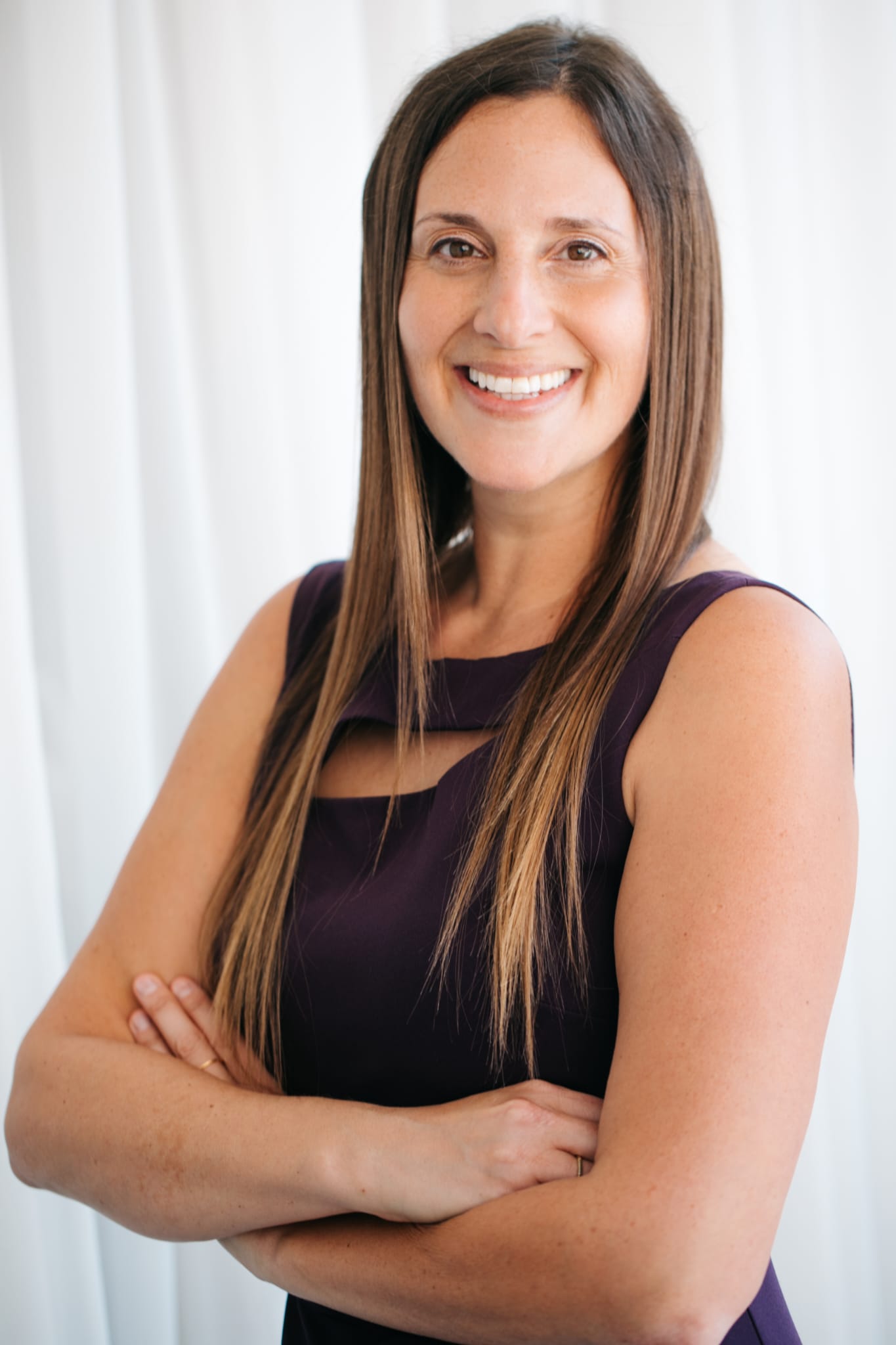
- Lucy Abrahams is an international literary scout based in Tel Aviv.

Keep community journalism free.
Jewish News is free for everyone. No paywall. No barriers. Just trusted journalism for anyone who wants to stay connected to Jewish life in Britain.
If you value that, please support us.
From as little as £5 a month, you can help keep our journalism free and accessible to all.
Every day, we report on the issues that matter to our community. We celebrate achievements, support charities, challenge antisemitism and ensure Jewish voices are heard more widely.
From as little as £5 a month, you can help us continue to:
- Report on the stories shaping Jewish life in the UK and beyond
- Bring our community together through shared stories, events and campaigns
- Celebrate the people, culture and moments that define our community
- Support organisations doing vital work across Jewish Britain
You can make a one-off donation or become a regular supporter. Every contribution helps keep our journalism free, independent and accessible to all.
If everyone who values Jewish News gave a small amount, it would make a real difference to our future.