Prefer Jewish News on Google
The realities of being neurodiverse
After 16 years raising an autistic son, Shona Bergson shares why families need understanding, earlier support and less bureaucracy
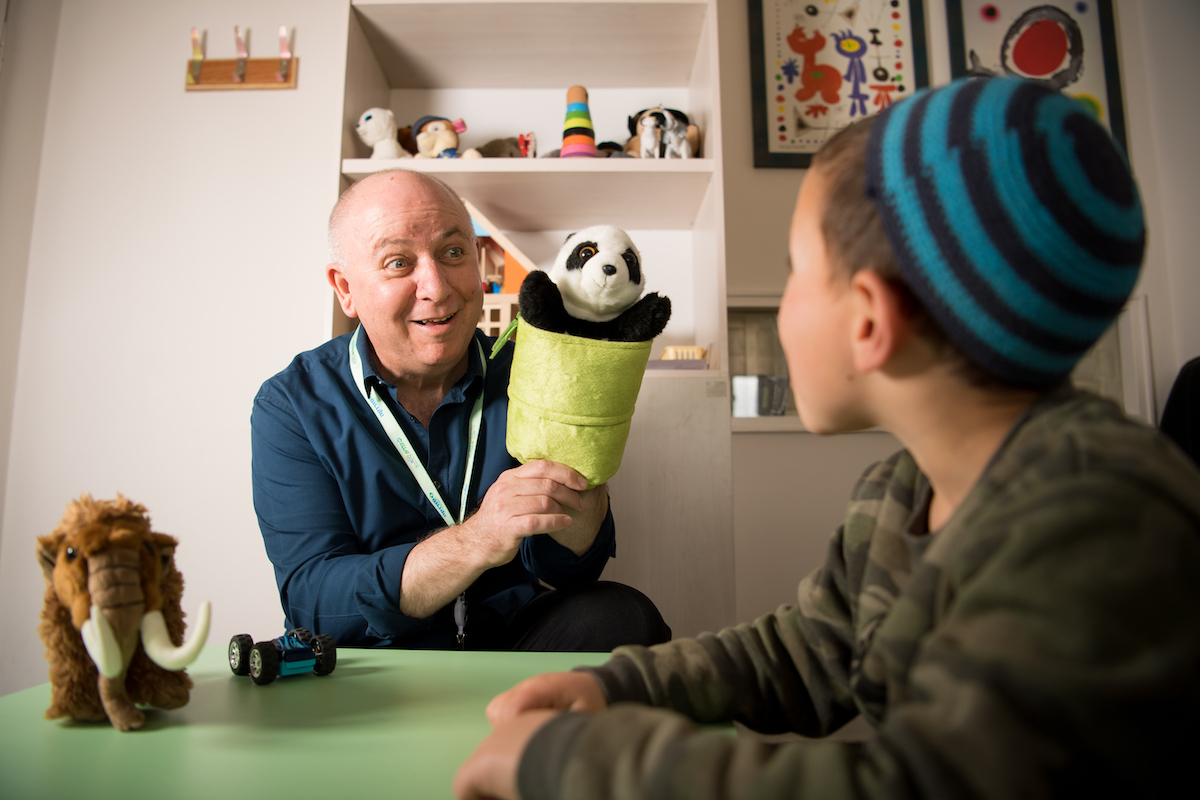
Living with someone who has autism is the hardest job a parent can face. There are some parents who know that there is something different about their child and want to seek help. Other parents are in denial, thinking it is perfectly normal for their child to act a certain way or do inappropriate things that they regard as acceptable, until one day they such children get into a whole heap of trouble and they are unaware of what they are doing and do not know how to get themselves out of it.
In today’s society, more people have been and are being diagnosed with autism, and it presents itself in different forms of behaviour. According to the latest stats, there are about 700,000 individuals in the UK who have some form of autism. Some have official diagnoses, and some are bending over backwards to fight for one. Even though there is more awareness about what this condition is, it is still a struggle to fight the local authority for funding to get our autistic people the help that they need to function properly. This means constantly chasing up professionals, whether they are teachers, psychologists, health professionals, speech therapists or occupational therapists.
If you’re lucky enough to pay privately, your person with autism will be ok. The reality is that many parents cannot afford private help, so they have to go through a whole heap of struggle to convince the local authority that their person is entitled to the necessary help over another person. This means countless meetings and reading multiple reports to make sure that what is in them makes sense and has the right information, so that professionals can design targets based on what the person needs. Then, after all that, it is not guaranteed that they will deliver on what they say they are going to do. This means more chasing and more fighting.
Our kids and young people have been failed by a system that they get lost in, and as a result, these people become increasingly anxious, their behaviour can get worse, and some attempt suicide. This is because they get so depressed that they feel life is not worth living anymore.
We parents are left to deal with difficult behaviour such as crying, hitting, spitting, shouting and constant repetition. Many parents give up and give in because they do not know how to put boundaries in place so that everyone can lead a stress-free, uncomplicated life. There are some autistic people who cannot stop talking. They are unaware of what they are doing. They do this to get their voice heard, but if they cannot communicate effectively, people will not have the patience to listen. This creates feelings of frustration and anger because their anxiety is so high that they end up shutting down, and their behaviour can get worse. By the time they are adults, they struggle with the resilience to cope in the big, wide world where they must contribute to society and live independently. The people who fight get somewhere, and the people who don’t continue to live with the challenges, which may or may not affect their overall mental well-being and stability.
There are 2 types of autistic people: the ones who are social and want friends, and the ones who are quite happy being on their own because they do not like anyone interfering in their own rigid little world. This stops them from forming healthy relationships and being in social situations because they do not understand that other people’s viewpoints are different from theirs. Therefore, in both cases, society stays away. The neurotypical do not have the capacity, understanding and patience to let the neurodiverse join in their social network. This is another example of why the neurodiverse are at risk of depression and social isolation, because they do not feel part of something or feel accepted. They end up being school refusers, where they are so traumatised they literally can’t cope with the demands of school life, or are being bullied. They are judged for showing behaviours that do not conform to the social norms of society. Furthermore, if these behaviours are not dealt with, autistic people can struggle to find a job and continue in it. They can end up doing nothing and wasting time day after day instead of doing something meaningful.
Some autistic people find it difficult to cope with unexpected change. Some have pathological demand avoidance, which means that every tiny demand is a challenge. They refuse to see that if they at least try, they might achieve something, which could better them in some way. Unfortunately, many autistic people have a rigid style of thinking, and there is nothing you can do to change their particular mindset. They have to take control of the situation themselves. Most of them refuse to even try because of their high anxiety. They can’t perceive what it means to have a goal and feel good when they have achieved it. Looking at the other side, they might have specific interests that they want to achieve. If it’s not absolutely perfect, they do not like it when something is out of place, or they are feeling so overwhelmed that they feel like they have failed.
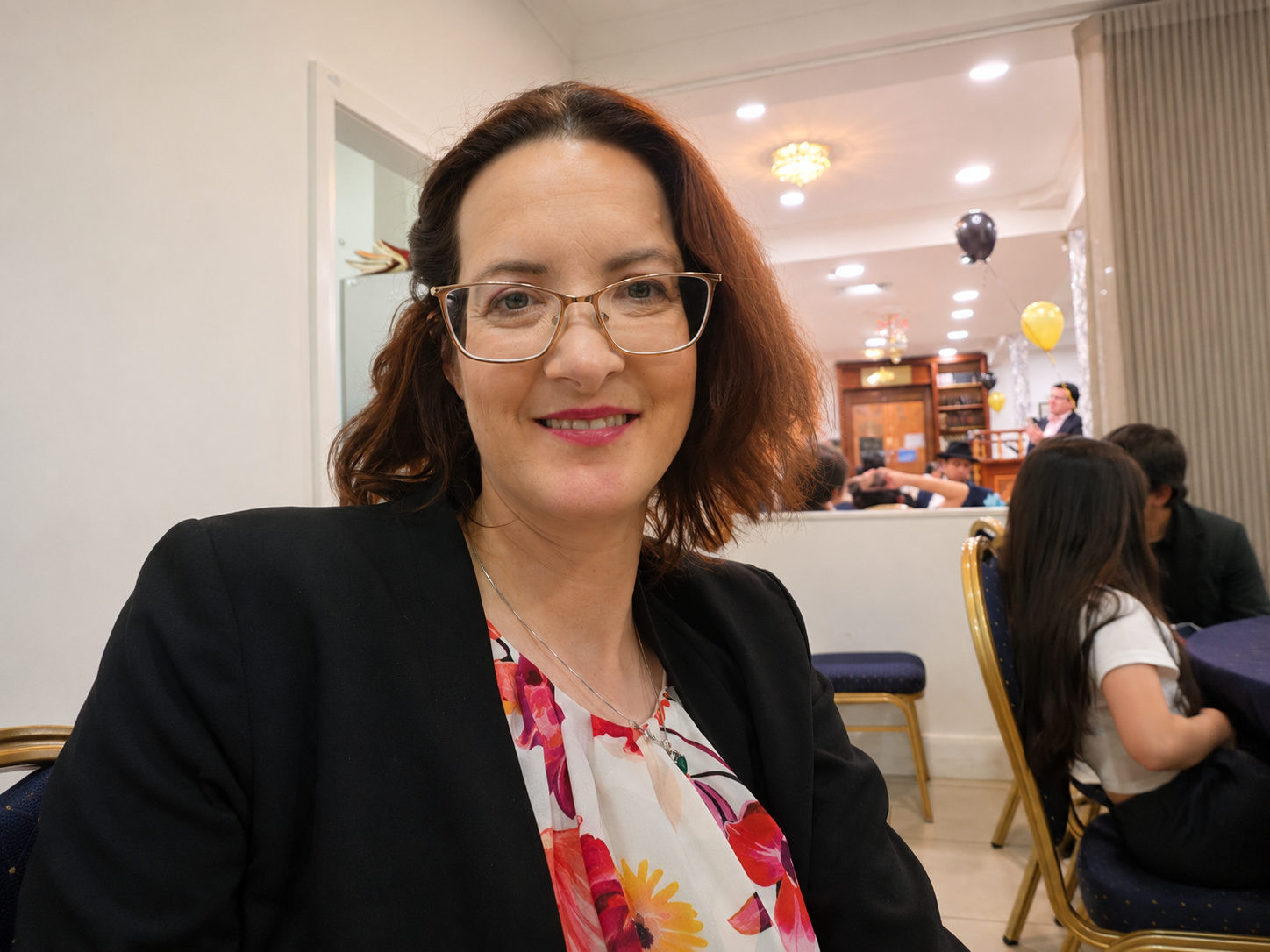
It is shocking how many people have autism or are in the process of getting diagnosed. We should not have to fight so hard. It is so difficult to get the support needed for our children and young people to lead an independent, functional life.
There has been a lot of research done to find out the root cause of autism and how the brain works. If professionals understood this more, then there would be more understanding and acceptance that these people need help. Carers will have the education that it’s ok for their autistic person to be different and manage the situation the best way they can. If local authorities are educated on how the brain works, then carers who fight will be able to get the funding needed for support, and the process will not take as long. If there is trust, then let’s get our autistic people the right support and the right diagnosis so that they can become independent, confident and productive members of society and be part of a world that is accepting and tolerant.
Read our accompanying feature: ‘We shouldn’t have to fight so hard’: Jewish mother’s plea for better autism support, here.
- Shona Bergson is a mother of five who wrote this personal reflection to raise awareness of the challenges families face accessing autism support and services.

Keep community journalism free.
Jewish News is free for everyone. No paywall. No barriers. Just trusted journalism for anyone who wants to stay connected to Jewish life in Britain.
If you value that, please support us.
From as little as £5 a month, you can help keep our journalism free and accessible to all.
Every day, we report on the issues that matter to our community. We celebrate achievements, support charities, challenge antisemitism and ensure Jewish voices are heard more widely.
From as little as £5 a month, you can help us continue to:
- Report on the stories shaping Jewish life in the UK and beyond
- Bring our community together through shared stories, events and campaigns
- Celebrate the people, culture and moments that define our community
- Support organisations doing vital work across Jewish Britain
You can make a one-off donation or become a regular supporter. Every contribution helps keep our journalism free, independent and accessible to all.
If everyone who values Jewish News gave a small amount, it would make a real difference to our future.