Prefer Jewish News on Google
The serial entrepreneur who keeps fixing broken industries
After raising more than $250 million across his companies - including backing from Sir Richard Branson - Jay Bregman believes the prescription drugs market could be his biggest challenge yet
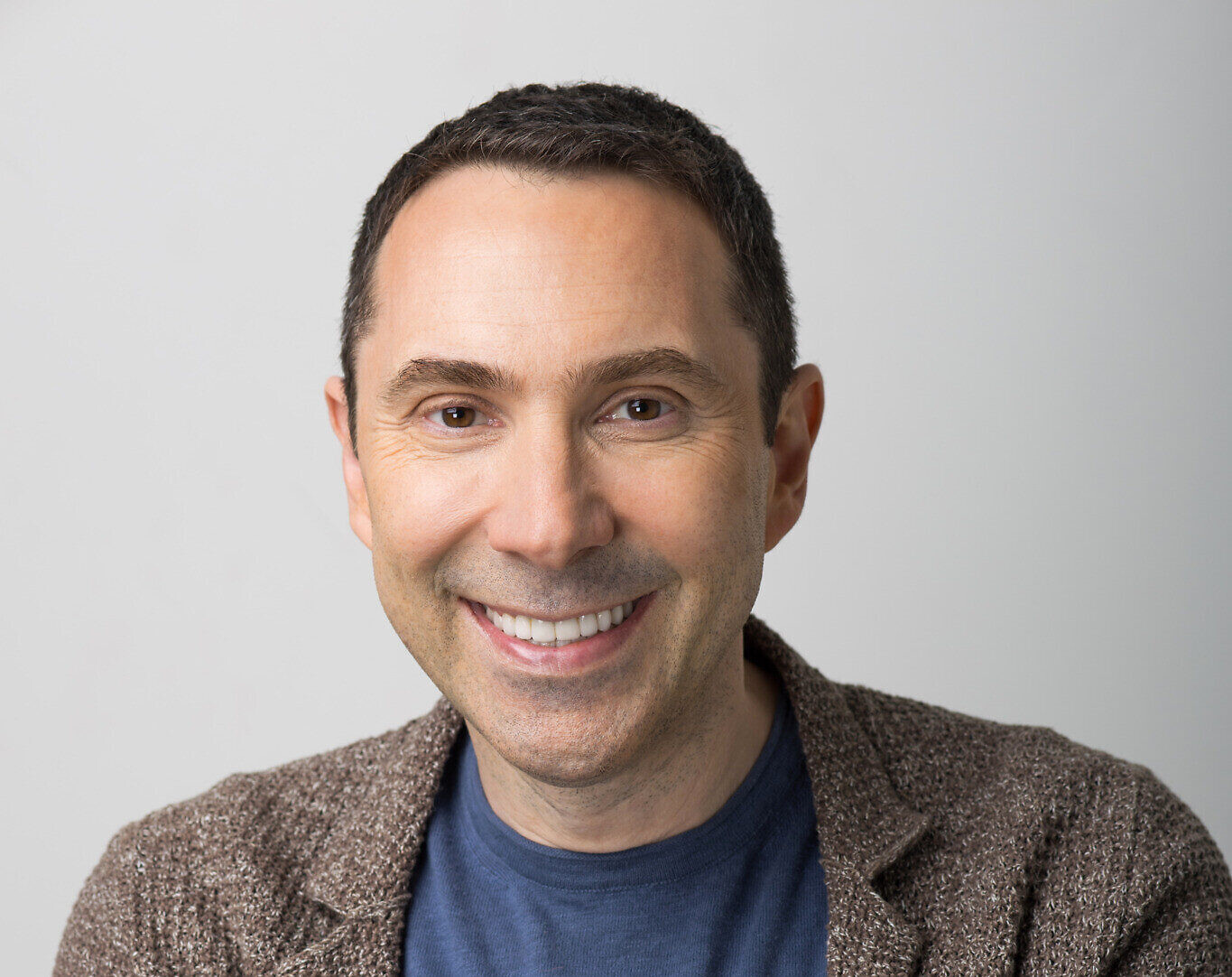
Before booking taxis through an app became part of everyday life, serial entrepreneur Jay Bregman co-founded Hailo, a platform that connected passengers with London’s black cabs.
Before on-demand delivery became the norm, he was building eCourier, one of Britain’s earliest same-day delivery businesses.
And before digital insurance became mainstream, Bregman was helping reshape the market through Thimble, a technology-driven insurance platform for small businesses.
Now, after raising more than $250 million across four companies – including backing from Sir Richard Branson – the American entrepreneur is taking on his biggest challenge yet: prescription drugs.
His latest venture, Andel, aims to transform how high-cost medicines are bought and paid for, targeting what he describes as a market approaching $1 trillion in size and still organised “medievally”.
For New York-based Bregman, however, the common thread is not transport, insurance or healthcare. It’s a fascination with challenging broken industries that others have simply learned to live with.
“The world is a tremendously inefficient place,” Bregman tells Jewish News. “Most people are blinded to that. They just accept the way things are.”
That philosophy has shaped a career that has taken him from the United States to Britain and back again.
Raised in a medical family – Bregman’s father was a heart surgeon who helped invent the intra-aortic balloon pump, while his mother is a nurse anaesthetist. Yet medicine was not the path he chose. “I grew up in the 80s and it was a difficult time for physicians, who in many cases, were the unhappiest they had been.”
After studying at Dartmouth College, he considered becoming a lawyer and secured an internship at Harvard Law School’s Berkman Centre. “I would speak to students and most of them told me they didn’t really want to be lawyers,” recalls Bregman. “They wanted to be entrepreneurs.”
Bregman found himself drawn to technology after taking philosophy classes focused on artificial intelligence in the late 1990s. When the dotcom crash hit and opportunities in the US dried up, he moved to London to study at the London School of Economics – a decision that would ultimately lead to more than 13 years in Britain.
It was in London that he launched eCourier, developing technology to make same-day deliveries more efficient – years before smartphones and on-demand logistics became commonplace.
“I never wanted to be typecast as an entrepreneur. Some people just want to do food, or just AI. I always thought that was boring.” He adds: “Your feet get cold a bit. You stop seeing the angles on a market when you’ve been in it for so long.”
That mindset would eventually lead him to Hailo.
The concept was simple: connect passengers with London’s black cabs through a smartphone app. Convincing investors it could work was another matter.
“When I first pitched it to venture capitalists, I was given a zero percent chance of pulling it off.
“The problem was: how do you get thousands of black-cab drivers to actually download and run the app before you ever have a single customer?”
His answer? Three black-cab drivers – Terry, Russ and Gary, who became co-founders and helped recruit fellow drivers one by one.
By the time Hailo launched, around 3,000 drivers were already using the platform.
“The minute we put it in the App Store, it blew up instantaneously.
Hailo’s rapid growth soon attracted high-profile investors, including Sir Richard Branson.
Introduced through investor Toby Coppel, who managed Branson’s technology investments at the time, Bregman was invited to meet the Virgin founder at a café in New York.
“I was very nervous. But he was so disarming.”
Asked how much Branson invested, Bregman laughs and admits he “can’t actually remember the exact figure. I think it was around $1million.” What he does remember is the meeting itself.
“’Everybody’s been talking about you,’ he told me.
“As a relatively young entrepreneur, it was great to have somebody like that be so positive about what we were building. And I thought he was a class act.”
The investment helped fuel Hailo’s growth into one of Britain’s best-known technology businesses. The company later merged with Daimler-backed mytaxi, by then part of a rapidly changing global ride-hailing market.
Today, however, Bregman is focused on a challenge that he believes could dwarf even Hailo.
“Healthcare is probably the worst market, for its size, that exists in the whole world.
“We’ve become so much better at coming up with new drugs.There are drugs in the FDA approval process now that can cure cancer, can cure obesity. More and more drugs are coming out, especially with AI, but paying for them doesn’t work.
“The market is still run through layers of intermediaries, limited transparency and very little control for the people actually paying the bill. A market of this size should not be run this badly.”
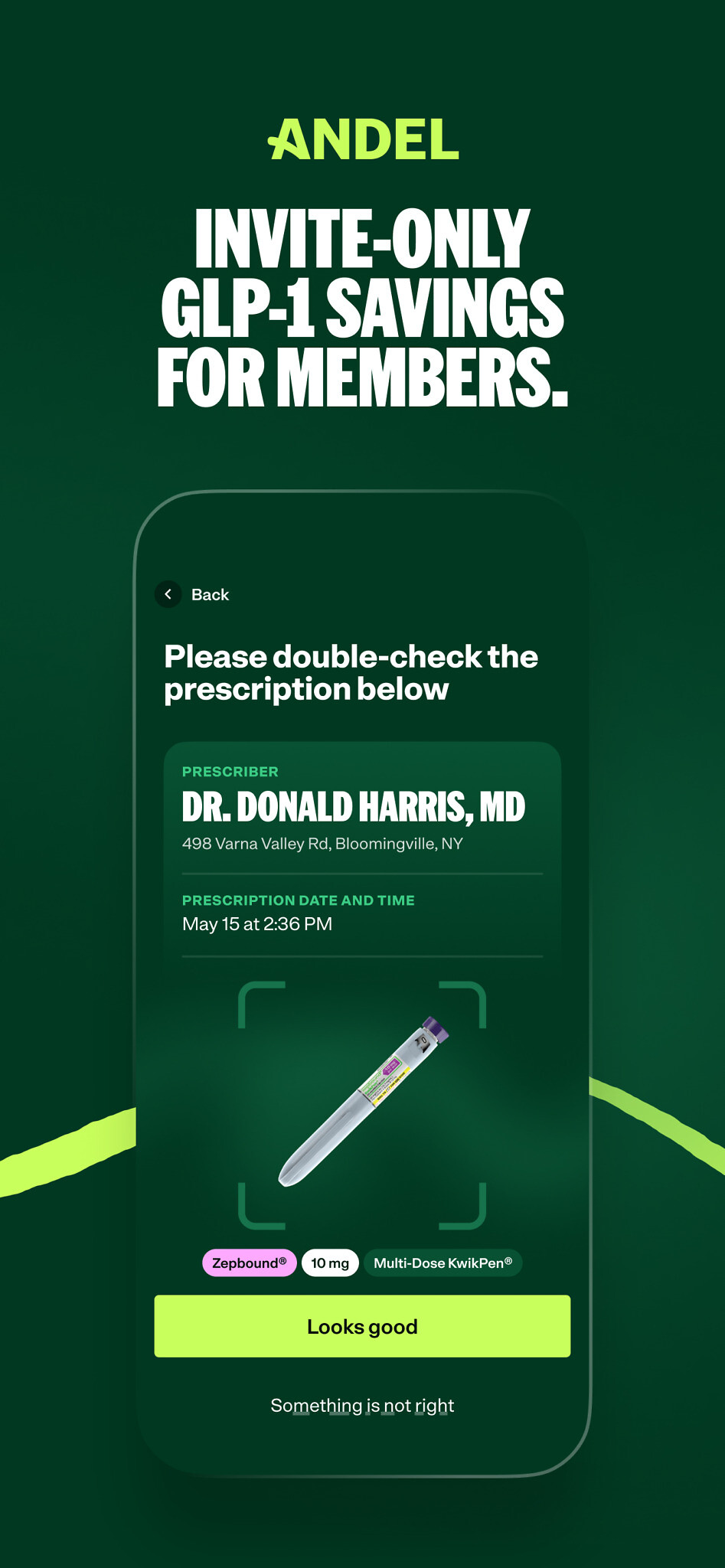
Through Andel, Bregman hopes to create a more direct route between pharmaceutical companies and the organisations funding treatment.
A Danish word, Andel refers to the member-focused cooperatives across Scandinavia.
Andel acts as a cooperative marketplace, allowing employers and healthcare providers to access expensive medicines directly from manufacturers, while giving members access to lower-cost drugs through Andel’s own pharmacy network.
The company recently launched with a $4.5 million funding round and an anchor manufacturer relationship with pharmaceutical giant Eli Lilly
“My whole family is in medicine,” he says. “I’m the black sheep who went into markets instead. Andel is where the two finally meet.”
While the company is initially focused on the US, Bregman sees Europe as one of its biggest long-term opportunities.
“There’s less and less money in the NHS to supply drugs, but more and more demand for them. So who is going to fill that gap?”
As new medicines come to market, he believes that pressure will only intensify.
“If you have a drug in the NHS and they can’t give it to you, you are kind of screwed and have to pay for it.”
That imbalance, he argues, could create significant opportunities for alternative models of access.
“Europe is a great phase two for us,” he says. “I think it will be a very vibrant market.”
So what still drives him after more than two decades of entrepreneurship?
“To fix broken systems. To do things that people say are impossible.
“Everybody thinks fixing the prescription drug market is impossible. I’d like to give it a shot.”

Keep community journalism free.
Jewish News is free for everyone. No paywall. No barriers. Just trusted journalism for anyone who wants to stay connected to Jewish life in Britain.
If you value that, please support us.
From as little as £5 a month, you can help keep our journalism free and accessible to all.
Every day, we report on the issues that matter to our community. We celebrate achievements, support charities, challenge antisemitism and ensure Jewish voices are heard more widely.
From as little as £5 a month, you can help us continue to:
- Report on the stories shaping Jewish life in the UK and beyond
- Bring our community together through shared stories, events and campaigns
- Celebrate the people, culture and moments that define our community
- Support organisations doing vital work across Jewish Britain
You can make a one-off donation or become a regular supporter. Every contribution helps keep our journalism free, independent and accessible to all.
If everyone who values Jewish News gave a small amount, it would make a real difference to our future.