Prefer Jewish News on Google
This is the music the Nazis tried to bury
For composer John Altman, Forbidden Voices was a celebration of survival in notes of defiance
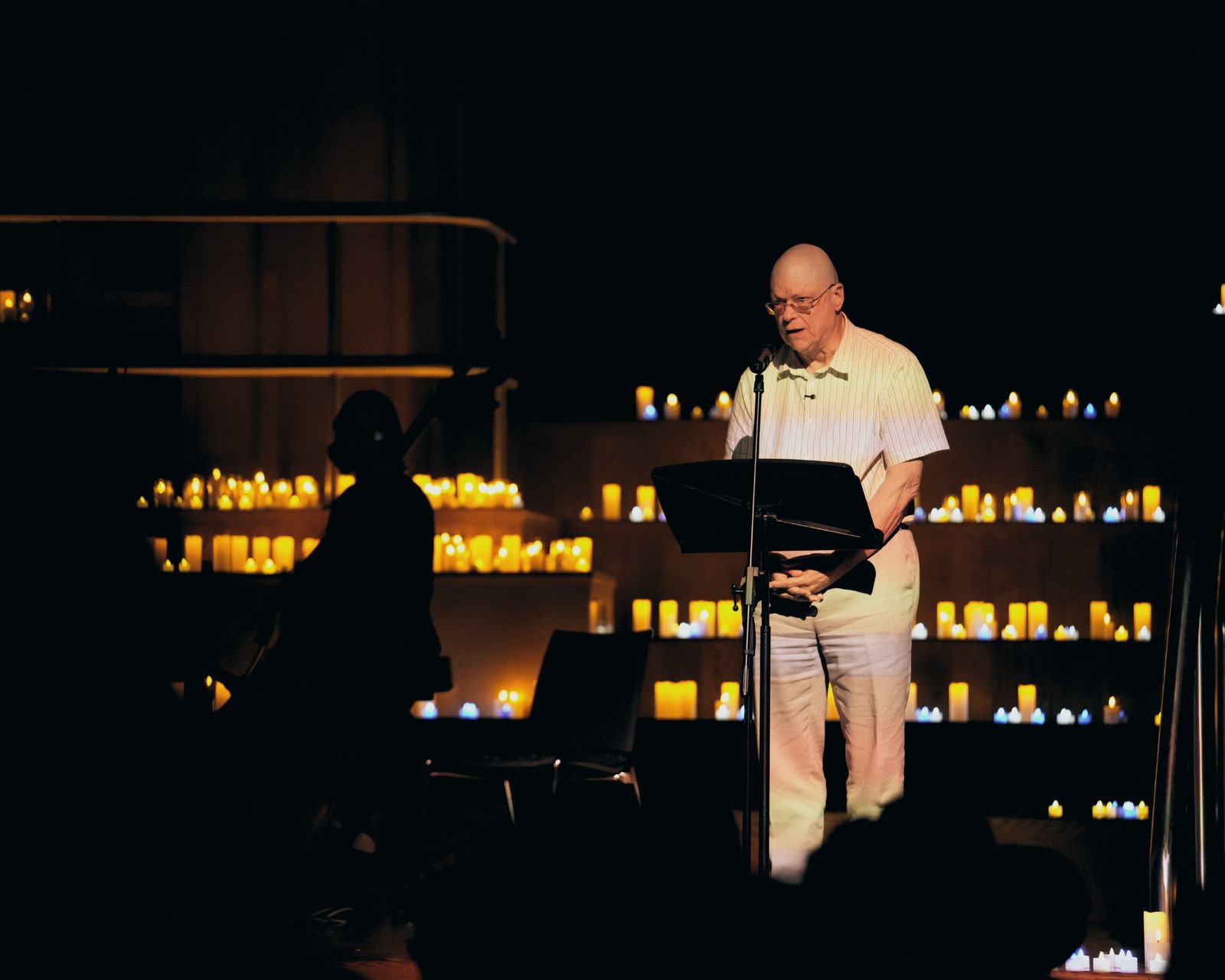
As the composer of more than 50 film scores, it’s hard for me to imagine a world in which my music could simply be banned. Unthinkable, perhaps. Yet as a Jew, had I been living in Nazi Europe, that may well have been my fate. The idea that music could be judged not on its merit but on the religion, heritage or perceived identity of its creator is both chilling and deeply personal. That is why I was delighted when Nathan Neuman invited me to be part of Forbidden Voices.
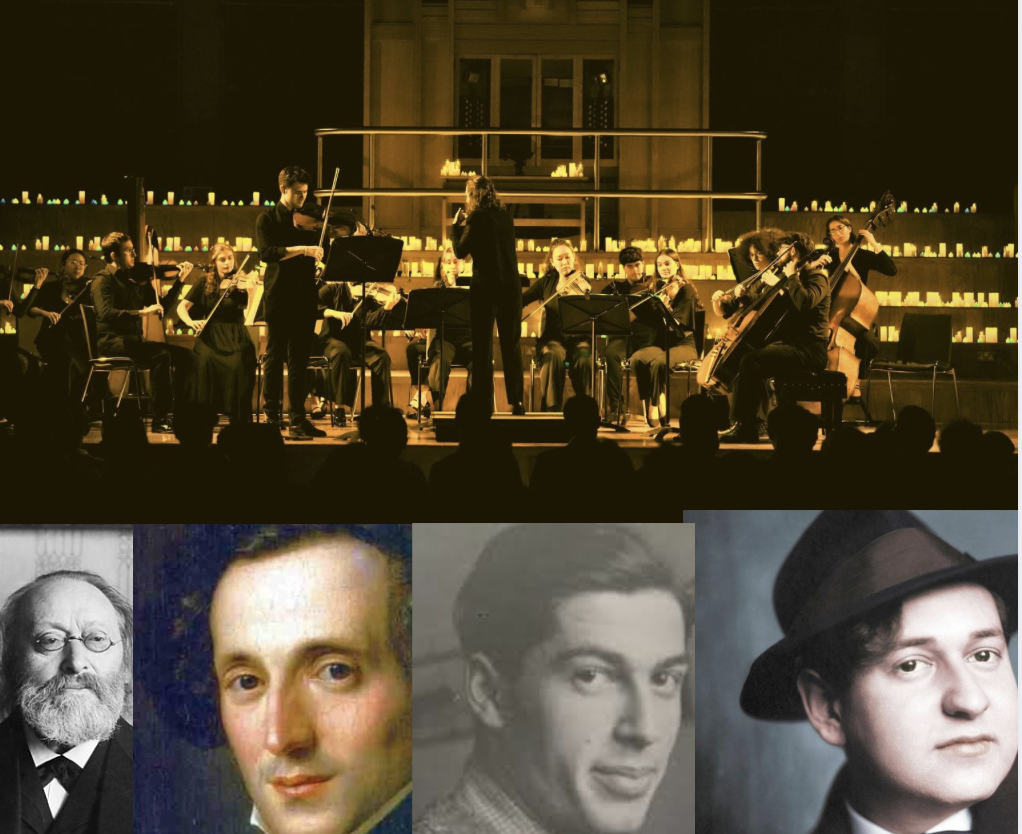
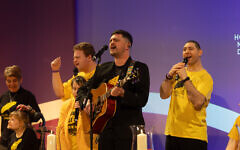
It was my absolute privilege in fact, on a sweltering Sunday night, to be at my alma mater, the City of London School as the presenter at a concert celebrating music that was banned, suppressed, persecuted and, in some cases, almost lost during the Second World War. It was a remarkable programme of music organised by The Jewish Brand in support of Yad Vashem that Neuman had carefully selected and was expertly performed by a young and enthusiastic ensemble under the baton of brilliant young conductor, Michal Oren.
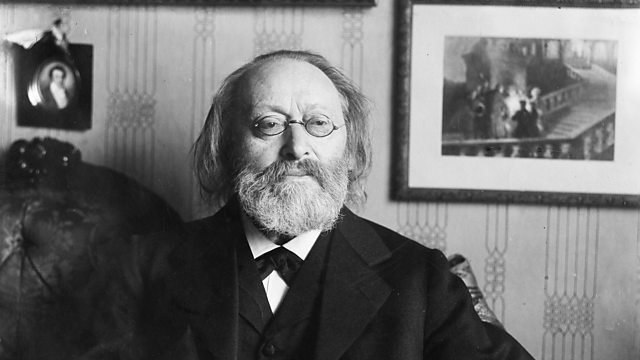
The evening was divided into three sections – Beauty, Sorrow and Legacy. Beauty gave us Max Bruch’s Kol Nidre, written for cello but performed by the excellent Jaren Ziegler on viola – it is a definitive example of the absurdity of Nazi cultural policy. Bruch was not Jewish, but his admiration for Jewish music was enough to see the work condemned.
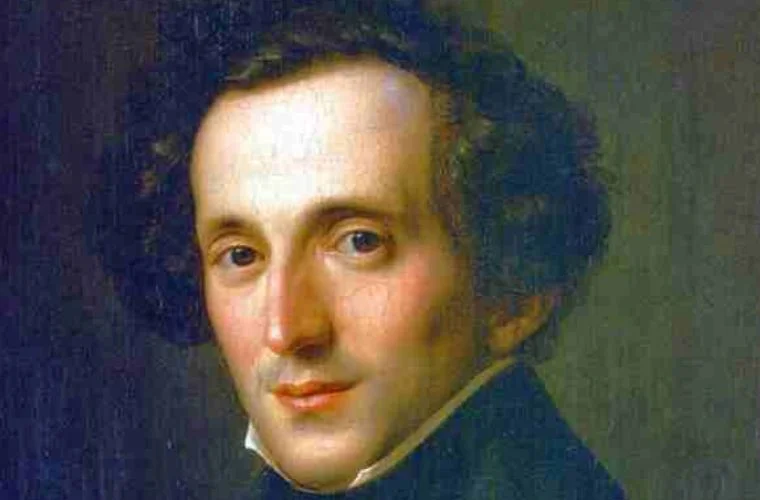
Mendelssohn’s Konzertstück for clarinet and basset Horn No.1, was beautifully realised by Stefan Bulyha and Amit Shavit. Listening to it, one was reminded how little facts mattered to those intent on persecution.Mendelssohn had been baptised and raised as a Christian, yet his music was swept aside all the same.
The second section, Sorrow, was devoted entirely to Gideon Klein’s extraordinary Partita for Strings arranged by Vojtěch Saudek’s. For me, and I suspect others in the audience, this was the emotional heart of the evening.
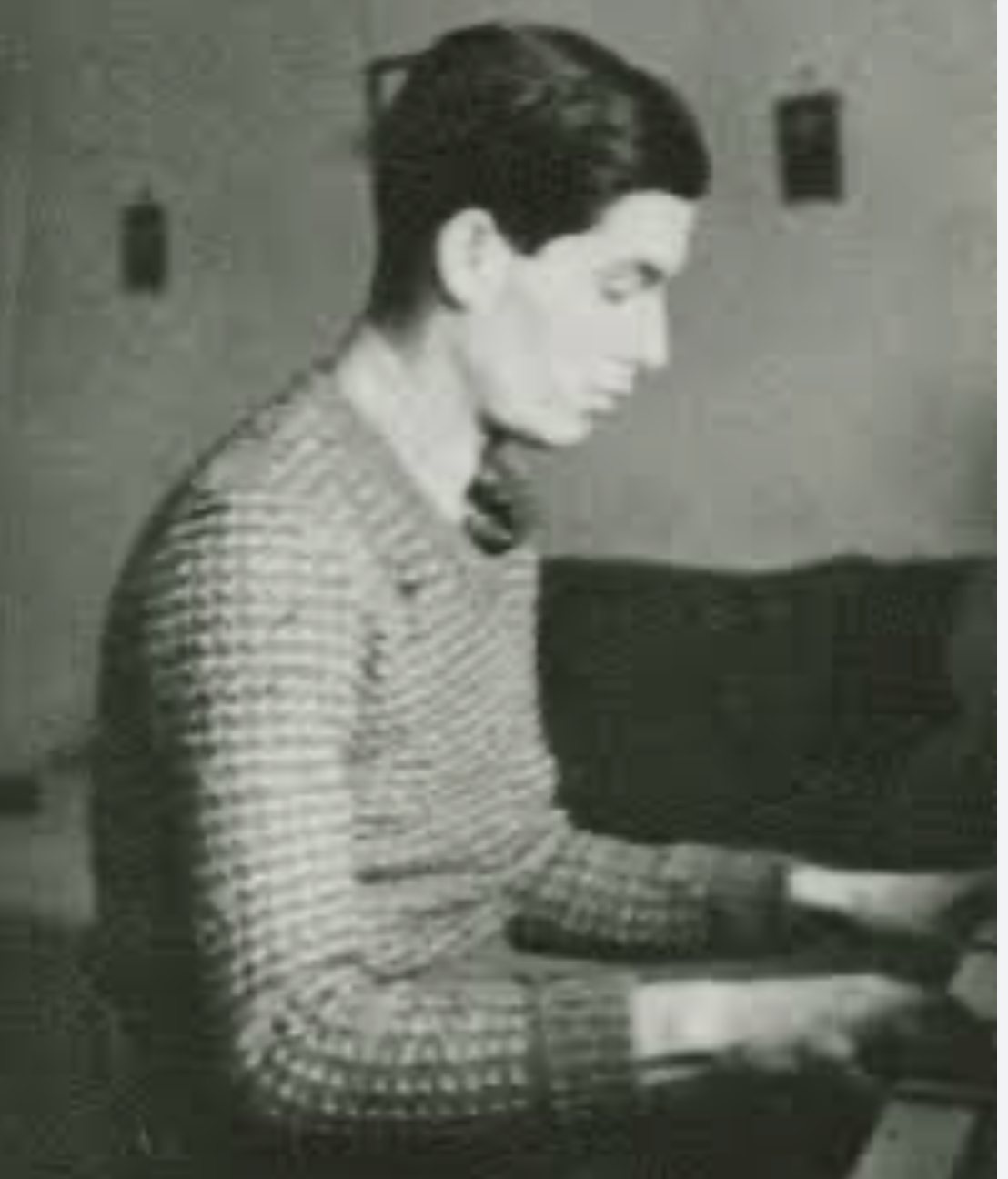
The music itself is remarkable, but hearing it with the knowledge that Klein completed it only nine days before being deported to Auschwitz, where he was murdered at the age of 25, was profoundly moving.
One cannot listen without wondering what else he might have achieved. Yet there was something uplifting too. The Nazis failed in their ultimate aim. Klein’s voice survives and his music still speaks to us. More than 80 years later, a London audience sat in silence listening to his work. That, in itself, felt like a victory.
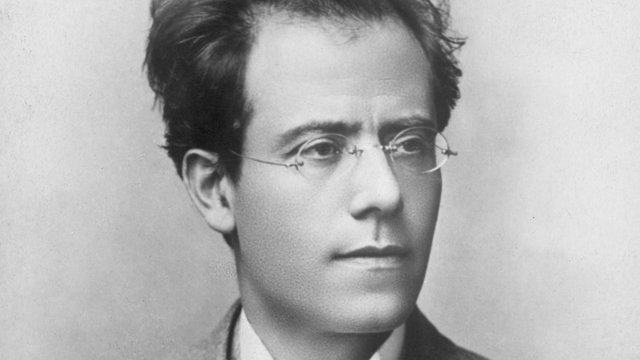
Legacy brought us to Gustav Mahler’s stunning Adagietto from the 5th symphony which is such a familiar work that we sometimes forget it too fell victim to Nazi ideology. Mahler’s conversion to Christianity proved no protection whatsoever from those determined to erase Jewish influence from European culture.
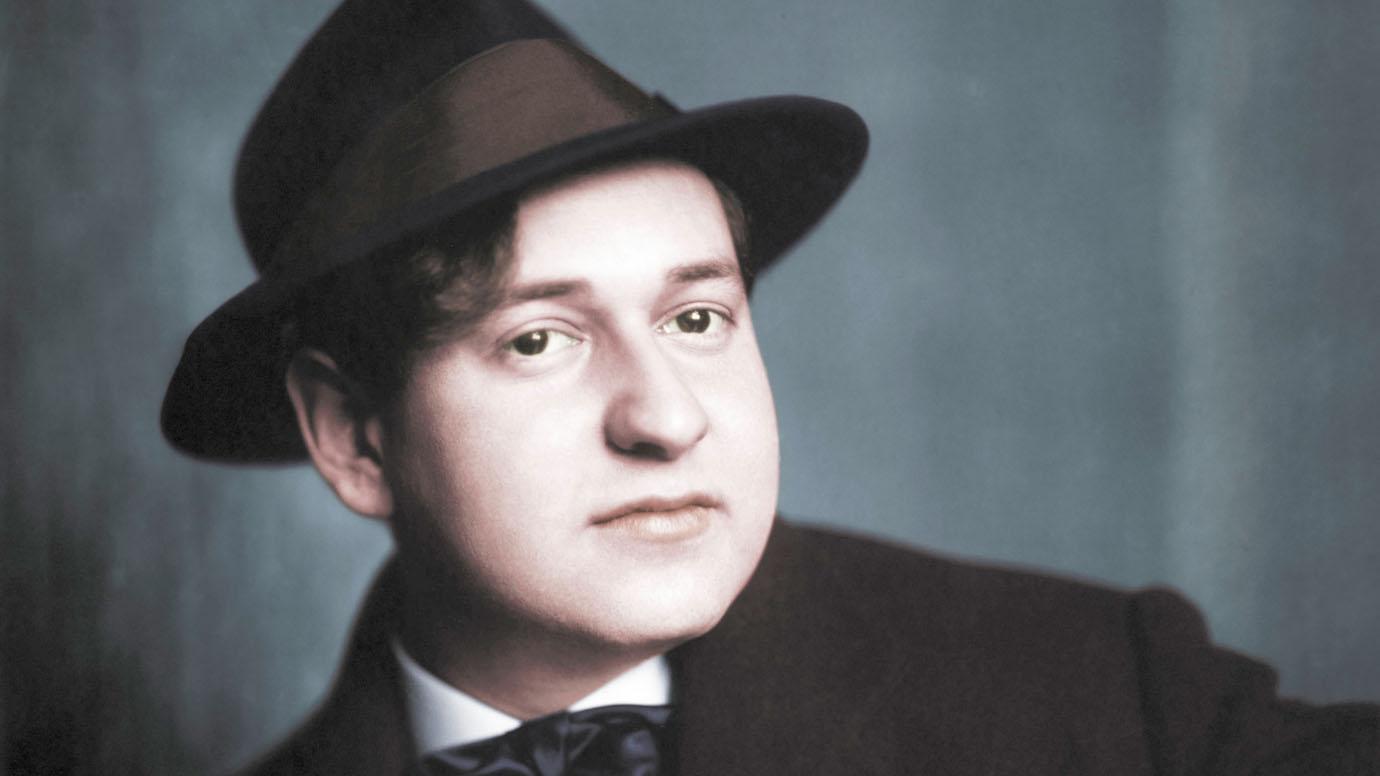
The evening concluded with Erich Wolfgang Korngold’s love theme from The Adventures of Robin Hood which is the music I choose whenever anyone asks me to name the greatest film score ever written. Listening to it again reminded me why. Korngold’s music still sounds fresh, adventurous and utterly cinematic. Along with fellow émigrés who fled Europe in the 1930s, he helped shape the sound of Hollywood itself. The tragedy is that such artists were driven from the countries that should have celebrated them. The blessing is that they survived long enough to transform another world entirely.
It is thanks to Nathan Neuman, Mark Forstater, The Jewish Brand and Yad Vashem that these ‘Forbidden Voices’ were heard and I was proud to have played even a small part in a concert that was a reminder that great art has a resilience that hatred can never match.

Keep community journalism free.
Jewish News is free for everyone. No paywall. No barriers. Just trusted journalism for anyone who wants to stay connected to Jewish life in Britain.
If you value that, please support us.
From as little as £5 a month, you can help keep our journalism free and accessible to all.
Every day, we report on the issues that matter to our community. We celebrate achievements, support charities, challenge antisemitism and ensure Jewish voices are heard more widely.
From as little as £5 a month, you can help us continue to:
- Report on the stories shaping Jewish life in the UK and beyond
- Bring our community together through shared stories, events and campaigns
- Celebrate the people, culture and moments that define our community
- Support organisations doing vital work across Jewish Britain
You can make a one-off donation or become a regular supporter. Every contribution helps keep our journalism free, independent and accessible to all.
If everyone who values Jewish News gave a small amount, it would make a real difference to our future.