
 Prefer Jewish News on Google
Transnistria’s Jews find themselves caught in a Soviet time warp as Ukraine war rages next door
The breakaway republic within Moldova is incredibly impoverished but humanitarian agency World Jewish Relief is determined they will not be forgotten or left behind
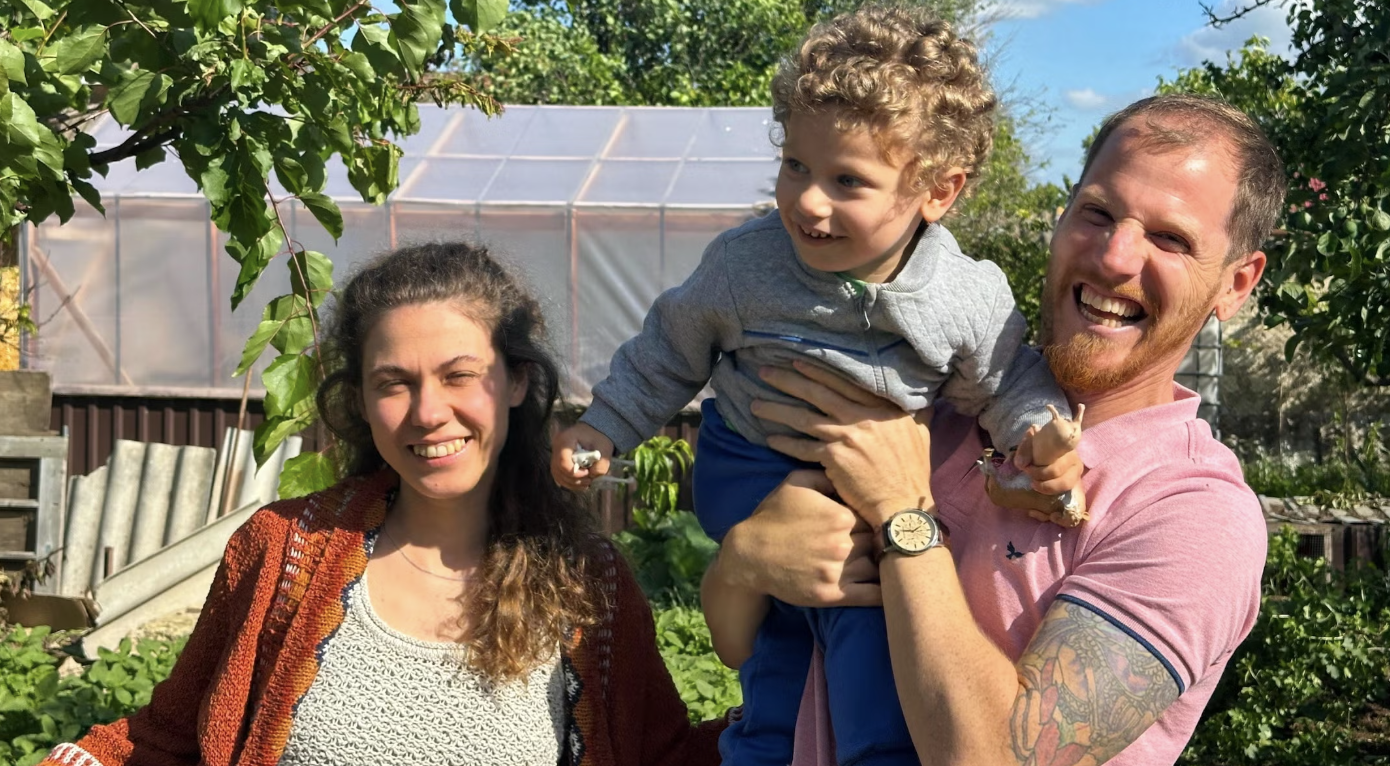
NOVOKATOVSK, Transnistria — In this tiny, hardscrabble village that could easily be mistaken for the fictional Anatevka in “Fiddler on the Roof,” farmer Or Cohen, 35, lives with his wife, Anya, and their 3-year-old son Adam, in a 100-year-old house built of clay.
In the backyard, Cohen raises chickens, turkeys and vegetables, while Anya, 31, works remotely for an Israeli startup developing online platforms for genetic testing. For extra income, they’ve fixed up a guest room to accommodate the occasional tourist adventurous enough to end up in this outpost of civilisation less than 300 meters from the Ukrainian border.
“Just a few nights ago, we could hear the Russians bombing Odesa, and on the Telegram app, we saw they were ordering people into shelters,” said Cohen, a former taxi driver in Israel who has the Hebrew word “emet” (truth) tattooed into his right forearm. “But we have no fear here.”
Cohen is the only Jew in Novokatovsk, itself half an hour’s drive east of Tiraspol, capital of the self-declared “Pridnestrovian Moldavian Republic.” This breakaway region of Moldova, known to the rest of the world as Transnistria, is home to about 465,000 people — down 35 percent from the 706,000 who lived there in 1990, one year before the Soviet Union fell apart.
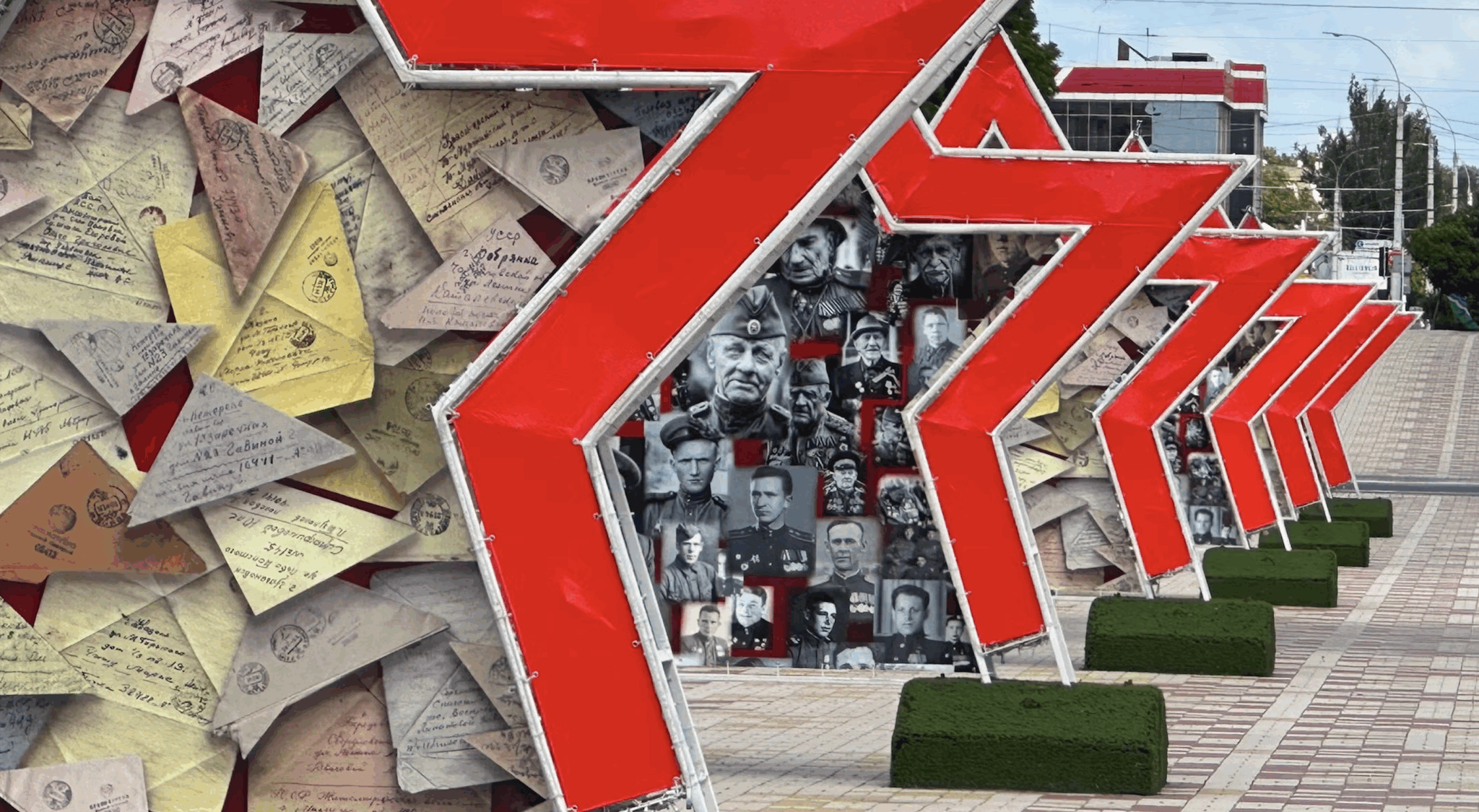
Yet the USSR still lives on here in Transnistria. Statues of Lenin and Stalin dominate the main square of Tiraspol, as does a Soviet T-34 tank prominently displayed on a pedestal. Enormous red stars line Pokrovskaya Street across from the Alexander Suvorov Monument, named after the Russian general who founded Tiraspol in 1792.
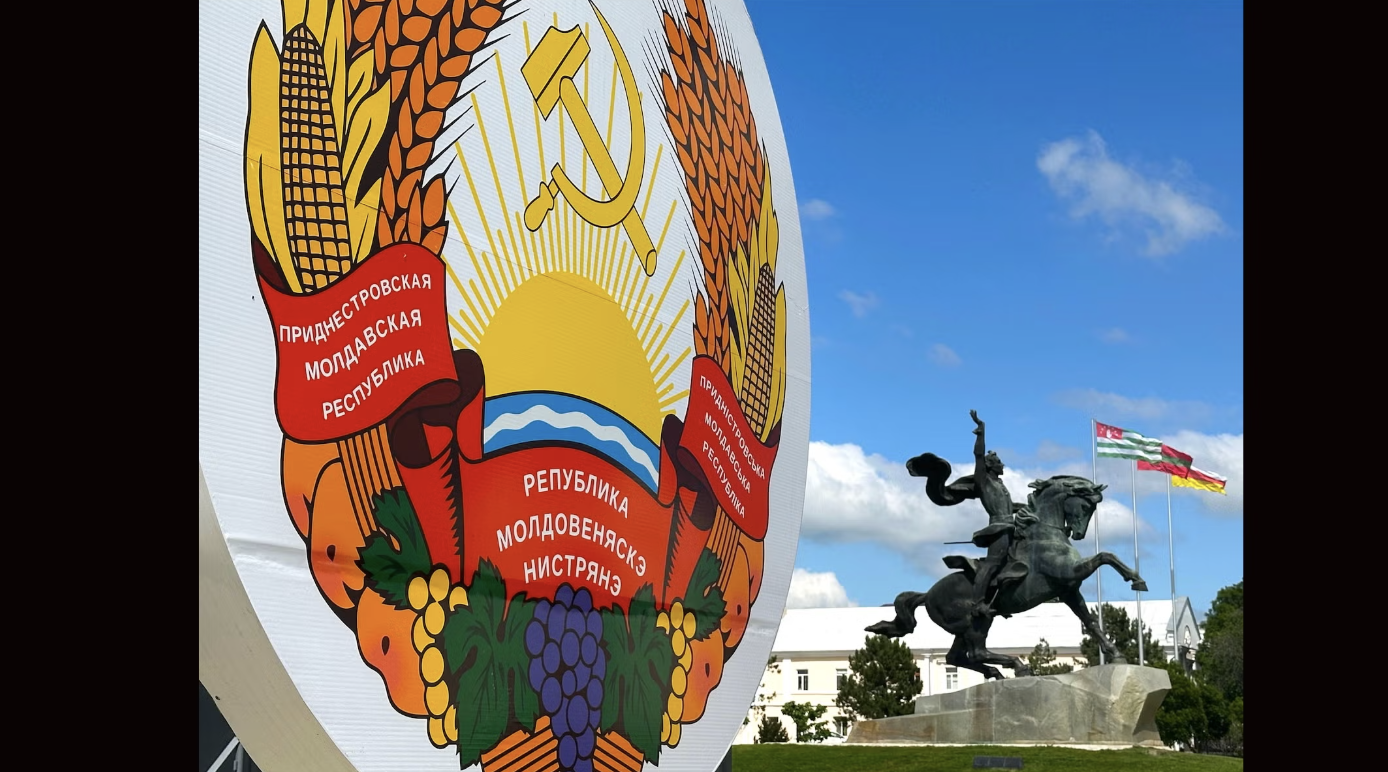
In fact, Transnistria — which means “beyond the Dniester” — is the world’s only entity whose national coat of arms includes the hammer and sickle. It’s so communist that half a dozen travel agencies in Moldova’s capital, Chisinău, offer “Back in the USSR” day trips to see this sliver of Marxist nostalgia wedged between the Dniester River to the west and Ukraine to the east.
“I find it really safe to live here,” Cohen said. “At night, we don’t lock the doors of our house. But I realise it’s not for everyone.”
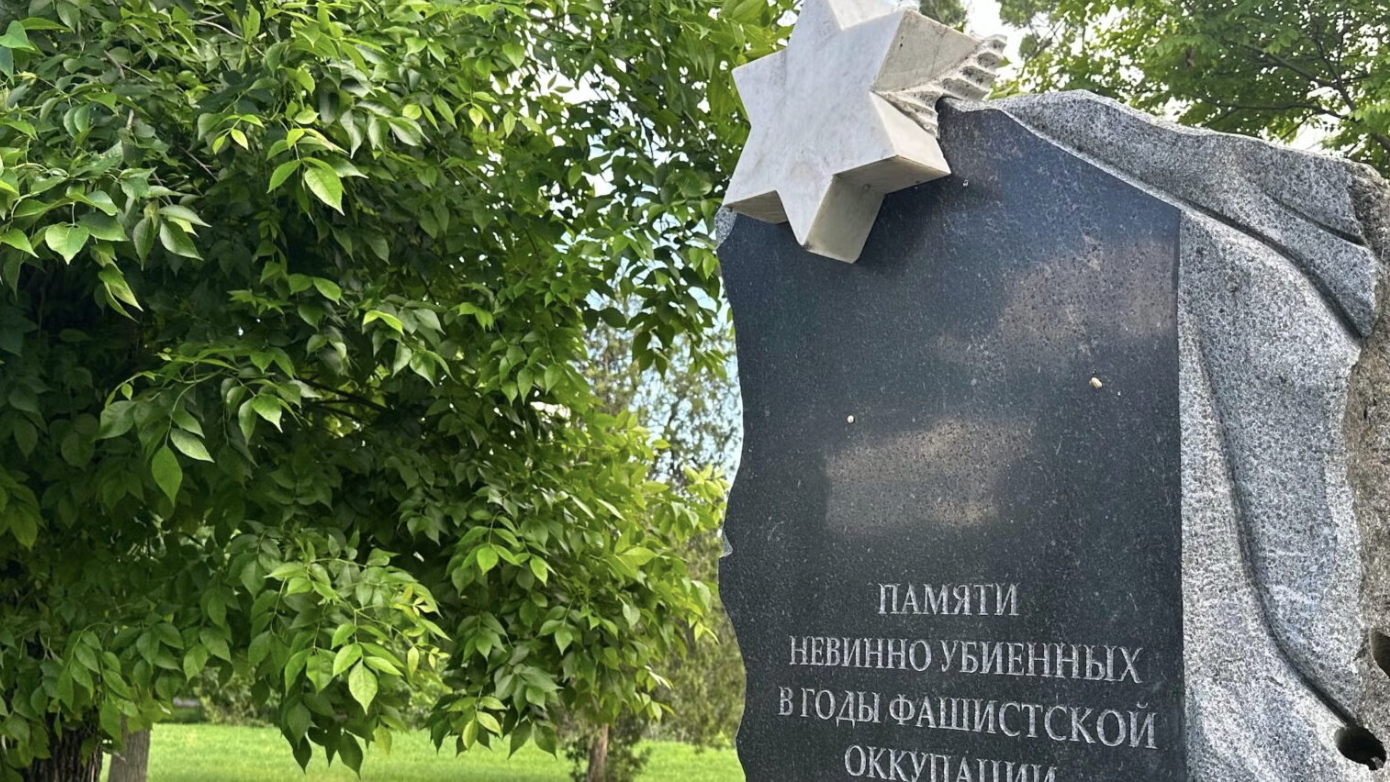
Before 1939, Rhode Island-sized Transnistria was home to around 300,000 Jews. But after Nazi troops occupied the area in July 1941, they began carrying out mass executions — not only of local Jews but also those who had previously fled Bessarabia from the advancing Germans.
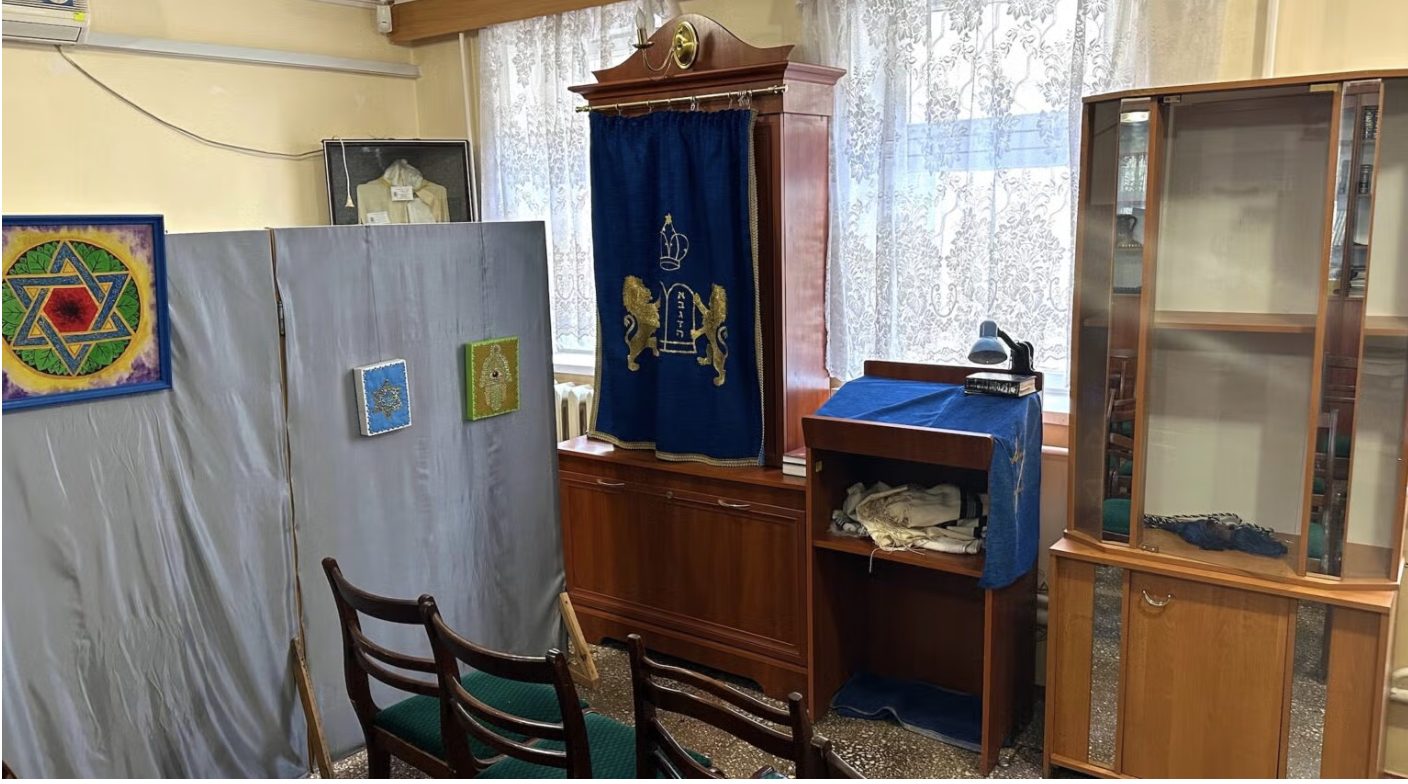
Today, only 2,000 Jews live here as defined by Israel’s Law of Return, including the territory’s prime minister, Aleksander Rosenberg. Almost none are religiously observant or keep kosher. Tiraspol, which once boasted 11 synagogues, today has only one that functions.
In 1930, half the residents of Bender — just past the Russian-controlled checkpoint on the main highway from Chisinău to Tiraspol — spoke Yiddish as their mother tongue. Ninety-five years later, only one synagogue is in use, a remote outpost of the Chabad-Lubavitch movement that is the main provider of Jewish life in the former Soviet Union.
Transnistria’s current situation began in 1989, when a decree establishing Moldovan in Latin script as the sole state language infuriated Russian-speaking communities. On 2 September, 1990, local authorities proclaimed the Pridnestrovian Moldavian Soviet Socialist Republic, or PMSSR, to preserve the Soviet model, though it lasted less than a year.
Growing tensions between pro-Moldovan forces and separatists supported by the Russian 14th Army led to the Transnistrian War, which lasted from November 1990 until a ceasefire was declared in July 1992. Russian troops were deployed to the region as a peacekeeping force.
Even though Transnistria is recognised internationally as part of Moldova, it has nonetheless maintained de facto independence for the past 33 years, with support coming from Russia. Information is hard to come by, in part because journalists are forbidden from entering without advance permission, which is rarely given.
And while Moldova considers the deployment of Russian military forces illegal, the United Nations won’t officially call it “occupied territory” because of the political sensitivities involved.
Oxana Zalunina, 37, is a full-time manicurist and pedicurist in Tiraspol. Jewish on her mother’s side, she has a 16-year-old son, Daniel, who attends the youth camp at the local Hesed Jewish Community Center. Both she and her son participate in all aspects of Jewish life in Transnistria.
“My grandmother, who was born in Ukraine in 1929, was also Jewish. She lived a very difficult life and remembered all the horrors of World War II,” said Zalunina, who at the age of 15 enrolled in a program that would allow her to spend four years in Israel — an experience she called “one of the brightest memories of my life.”
The biggest problem facing Transnistrian Jews these days isn’t antisemitism or Holocaust denial, but abject poverty.
Already the poorest place in Europe due to rising prices and stagnant pensions, Transnistria has seen conditions worsen dramatically since the Russians invaded Ukraine in February 2022. This past January — in the middle of a harsh winter — Russia’s Gazprom decided to stop supplying subsidised gas to Transnistria, thereby creating a crisis that could potentially destabilise Moldova’s pro-European government ahead of parliamentary elections next month.
As a result, Transnistria’s per-capita income has fallen by 12 percent this year, according to official statistics, and gas prices have doubled. In 2020, the average pension of £72 a month was barely enough to cover the £77 needed for basic necessities like food, medicine and utilities.
But in 2025, the average pension comes to only £84— covering only half the cost of those same necessities, which now cost £161. And that doesn’t include clothing, hygiene items, transportation and unexpected expenses like home repairs or medical emergencies.
“It’s very unfortunate that this situation has developed,” Zalunina said. “Personally, I try to remain calm and focus on my family and loved ones. I concentrate on what I can manage in my own life.”
Unlike Zalunina, most Jews in Transnistria are elderly and neglected, with an average age of 80 — including some Holocaust survivors as well. Many lack access to medicines and are lonely. Homes are often old and deteriorated, with no central heating. Power outages are frequent.
“I never imagined that after retiring, I would have to struggle again—not with war, but with cold, a lack of medicine, and loneliness,” said Valery Apter, 85, a former factory worker.
This is where humanitarian organisation World Jewish Relief has stepped in as the main agency on the ground. Through the ‘Active Longevity Project’, deployed through trusted local partners, it supports older members of Transnistria’s Jewish community to meet regularly in their Jewish community centre.
Here they socialise and take part in various lectures, creative masterclasses, and activities, including a recently launched walking group whose members go for picnics, visit Jewish places of interest or Jewish communities in other cities.
Community members have also started organising gatherings in each other’s homes, around such activities as growing fruits and vegetables in their gardens. The project visits homebound members of the community, especially in the small town of Grigoriopol.
WJR chief executive Paul Anticoni says their work in Transnistria demonstrates “firsthand the importance of investing in community life, especially for senior members whose connection to their heritage and each other is vital for their wellbeing. Our Active Longevity Project aims to combat loneliness and social isolation — issues that can have devastating effects on mental and physical health — through meaningful activities, education, and social engagement.”
This past winter, according to a report prepared for the American Jewish Joint Distribution Committee, heating was cut off for extended periods, forcing seniors to sleep in their coats, relying on makeshift heaters and doing whatever they could to endure the cold. An electric heater costs the equivalent of £104 and electricity for the winter about £148. Add the cost of a warm blanket, bedding and basic repairs, and that comes to around £667 for the winter.
“For most seniors, these amounts are impossible,” said Natalia Tutorskaya, a Hesed social worker. “Winter isn’t just cold — it’s a threat to health and life.”
Cohen, who ended up in Transnistria somewhat by accident, is originally from Nesher, a city southeast of Haifa in Israel. In 2017, he met Anya while traveling in Ukraine and fell in love. The next year, they got married in her native Odesa and moved to Israel. But life was hard for the new couple, and they decided to go back to Ukraine.
Three months after their return, the war started.
“I woke up the first day of the war to buy groceries, and there was a checkpoint outside my street,” Cohen recalled. “In the evening, they declared a curfew and we were ordered to shut all the lights off and use just a candle. Anya was already pregnant. Four days after the war, we left with our two dogs and a cat.”
They ended up just over the border in Novokatovsk, the next village over from Pervomaisk, where Anya’s family lives. Anya isn’t Jewish, but nonetheless has taken a course in Hebrew, lights Shabbat candles every Friday night and bakes her own challah from scratch.
Cohen isn’t religious but says he feels very strongly Jewish — hence his tattoo. He also looks forward to visits by Moldovan Chief Rabbi Pinchas Zaltsman for holidays and special events.
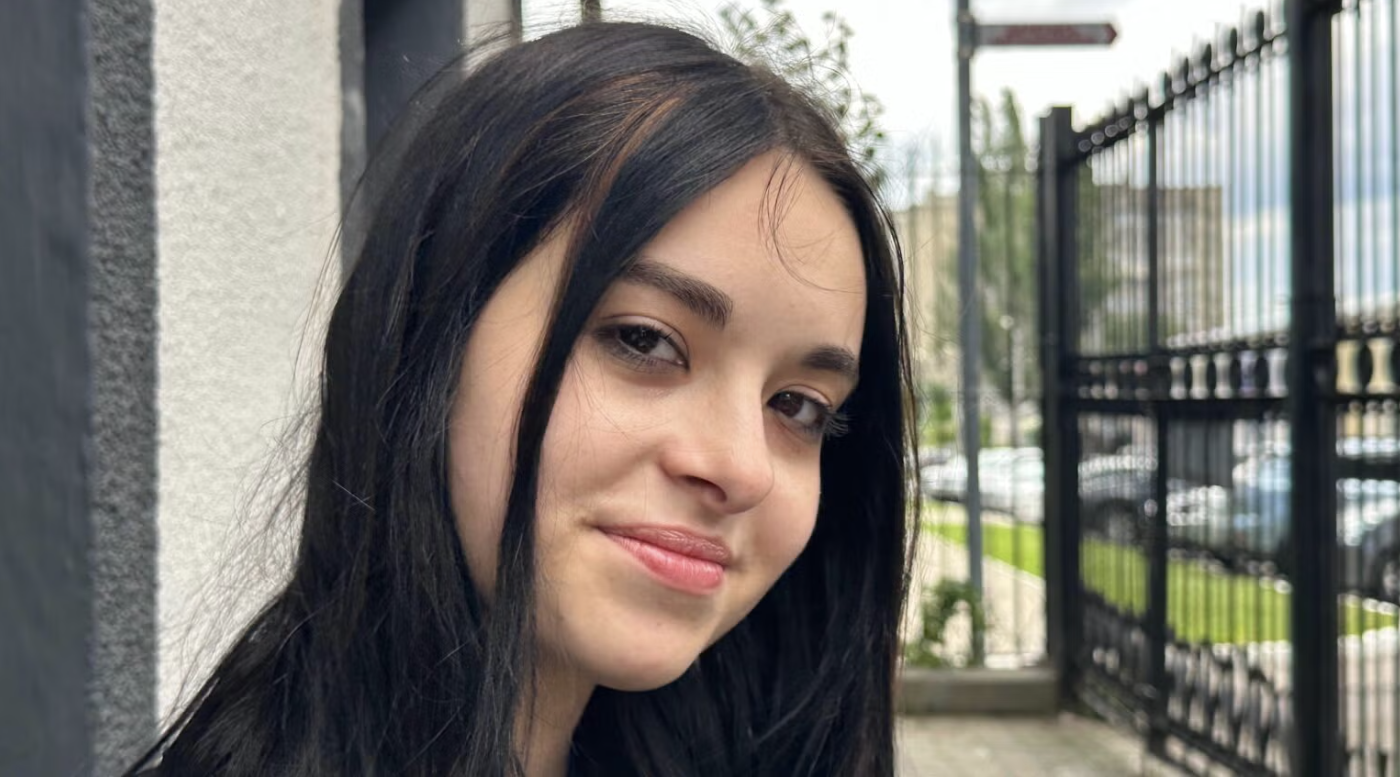
It’s not clear whether Jews have a future in this breakaway republic, frozen in time. But if they do, it’ll be largely thanks to young people like Katya Kreichman, a first-year music major at the University of Tiraspol.
Kreichman, 20, also works at a kindergarten and volunteers as a counsellor at a Jewish summer camp in Hungary for Eastern European teens.
“I was 15 when I decided to leave Transnistria. But I came back partly to help my family celebrate Jewish holidays,” she said, recalling her four years on an Israel study program. “I care about what’s happening in Israel but also in my country. I really like Jewish traditions and want them to continue.”

Keep community journalism free.
Jewish News is free for everyone. No paywall. No barriers. Just trusted journalism for anyone who wants to stay connected to Jewish life in Britain.
If you value that, please support us.
From as little as £5 a month, you can help keep our journalism free and accessible to all.
Every day, we report on the issues that matter to our community. We celebrate achievements, support charities, challenge antisemitism and ensure Jewish voices are heard more widely.
From as little as £5 a month, you can help us continue to:
- Report on the stories shaping Jewish life in the UK and beyond
- Bring our community together through shared stories, events and campaigns
- Celebrate the people, culture and moments that define our community
- Support organisations doing vital work across Jewish Britain
You can make a one-off donation or become a regular supporter. Every contribution helps keep our journalism free, independent and accessible to all.
If everyone who values Jewish News gave a small amount, it would make a real difference to our future.





















