Prefer Jewish News on Google
Type 2 diabetes is a ticking time bomb in the Jewish community
Jewish Blind and Disabled CEO Lisa Wimborne warns 17 percent of Jewish over-65s report diabetes -more than double national levels
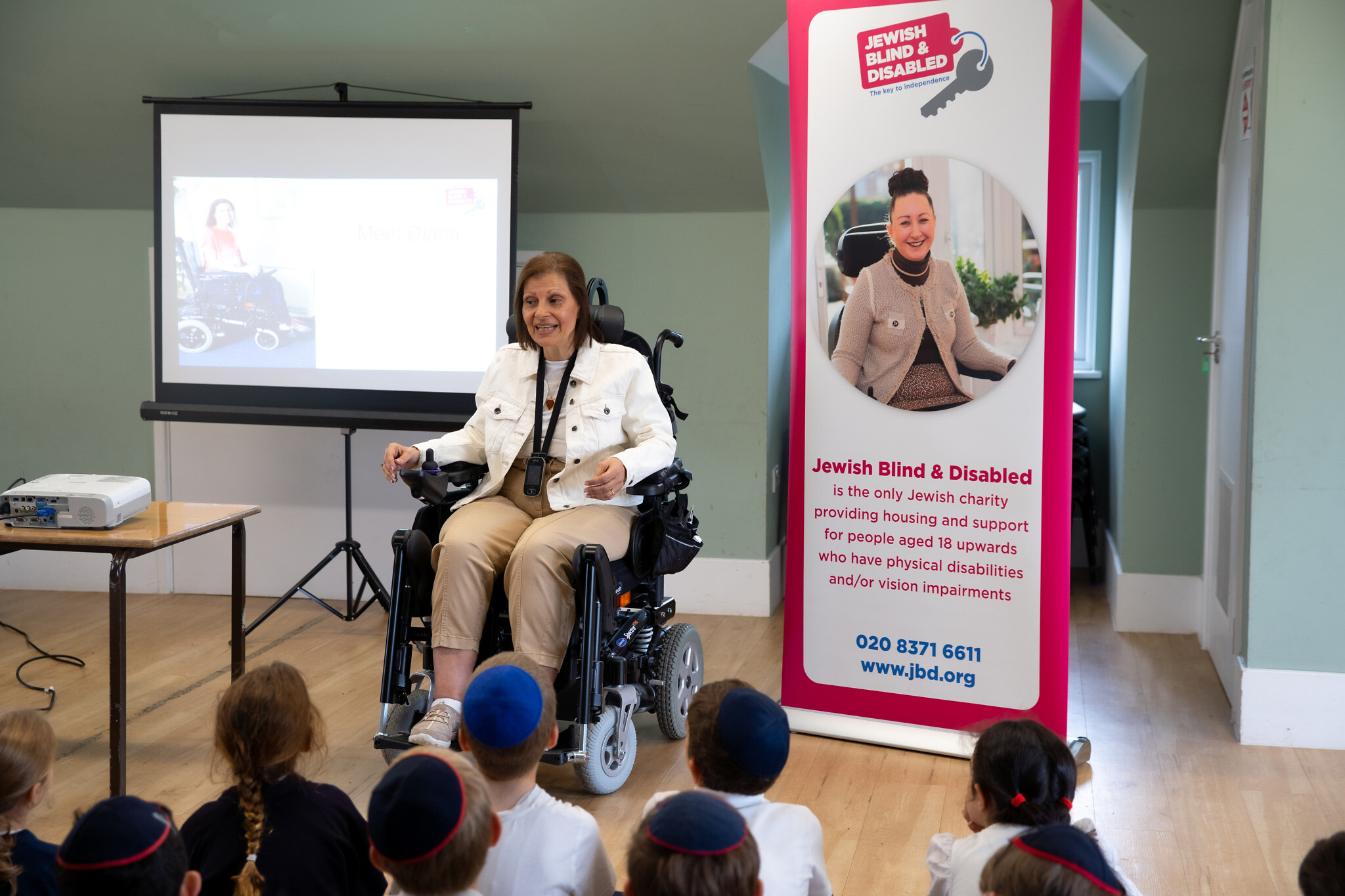
For almost 60 years Jewish Blind & Disabled’s work has centred around helping Jewish people live well with sight loss and physical disability. But we are increasingly concerned about something that sits earlier in the story: rising levels of type 2 diabetes.
Unmanaged type 2 diabetes is, quite simply, a ticking time bomb and can be a gateway to life-changing complications. We see, first-hand, the human cost when sometimes preventable health issues become permanent impairment. That is why, as a charity, we feel we have a duty to raise awareness and educate.
Our campaign focuses solely on type 2 diabetes because, unlike type 1, it can often be prevented or better managed through early detection, regular health checks and lifestyle changes.
The scale of the issue is sobering. In England alone, National Diabetes Audit figures show the number of people living with type 2 diabetes (and other non-type 1 diabetes) increased by around 13 percent in the four years between 2017-18 and 2021-22. Diabetes UK estimates that more than 5.8 million people in the UK have diabetes, including almost 4.6 million with a diagnosis, and around 90 percent of diagnoses are type 2. It also estimates that 1.3 million people living with type 2 diabetes have yet to be diagnosed. This matters because an earlier diagnosis means a better chance of avoiding the complications that can steal independence.
For Jewish readers, this is not an abstract national trend. Applying Diabetes UK’s national figures to the Jewish population of England and Wales (287,360) suggests that around 25,000 Jewish people may be living with diabetes, the majority with type 2.
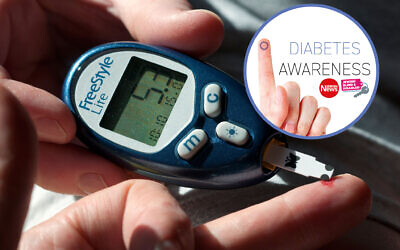
Furthermore, in 2021, as part of our work to better understand patterns of health and disability in Jewish communities, JBD commissioned Jewish Policy Research (JPR) to analyse the data. The stand-out finding was diabetes: 17 percent of Jewish people aged 65+ reported diabetes, compared with 8 percent of the general population.
This figure is shocking. Whilst it could be in part attributed to our community’s older age profile, let’s be frank – our Jewish lifestyle probably has had an impact on these figures.
We are a community that likes to celebrate with a big meal, another doughnut or latke and challahs and bagels by the dozen. Whilst gym culture might have become a defining feature of Gen Z, if I were to generalise, I would argue that exercise hasn’t traditionally been something that our community has been known for.
I am aware of the need not to fall into simplistic labels or blame. Type 2 diabetes is influenced by various risk factors, including age, weight and ethnicity – and it is surrounded by misconceptions. But we also need to be honest about the realities of modern Jewish life: long working hours, stress, too little movement, and diets that can be heavy in refined carbohydrates and sugar. Food is central to our culture, and many traditional dishes were shaped by the cheap ingredients that were available to our parents and grandparents. Today, with knowledge and support, we can keep the joy of those traditions while making healthier choices.
Over the coming weeks, JBD is bringing this conversation into the heart of the community. I encourage you to attend one of our free diabetes awareness events and to take part in our Jewish community diabetes survey. Alongside educating and raising awareness, we want to listen. We want to understand what support Jewish people who are at risk of or are living with type 2 diabetes may need. We want to identify how, by working together, we can reduce the rapid increase of type 2 diabetes and support people living with this condition to manage it as best they can.
Whilst we remain 100 percent committed to providing housing and support for Jewish people living with sight loss and physical disabilities, if there is anything we can do to prevent people from having to turn to us for support, we will. Not because we don’t want to provide the support, but because we know prevention is always better than a cure.
This article is part of Jewish News’ diabetes awareness campaign in partnership with Jewish Blind and Disabled.
- Lisa Wimborne is the CEO of Jewish Blind and Disabled

Keep community journalism free.
Jewish News is free for everyone. No paywall. No barriers. Just trusted journalism for anyone who wants to stay connected to Jewish life in Britain.
If you value that, please support us.
From as little as £5 a month, you can help keep our journalism free and accessible to all.
Every day, we report on the issues that matter to our community. We celebrate achievements, support charities, challenge antisemitism and ensure Jewish voices are heard more widely.
From as little as £5 a month, you can help us continue to:
- Report on the stories shaping Jewish life in the UK and beyond
- Bring our community together through shared stories, events and campaigns
- Celebrate the people, culture and moments that define our community
- Support organisations doing vital work across Jewish Britain
You can make a one-off donation or become a regular supporter. Every contribution helps keep our journalism free, independent and accessible to all.
If everyone who values Jewish News gave a small amount, it would make a real difference to our future.