Prefer Jewish News on Google
UK government discussing full ban on illegal Israeli settlement goods
Middle East minister Hamish Falconer confirms talks with partners during Commons Urgent Question on proposed E1 settlement expansion
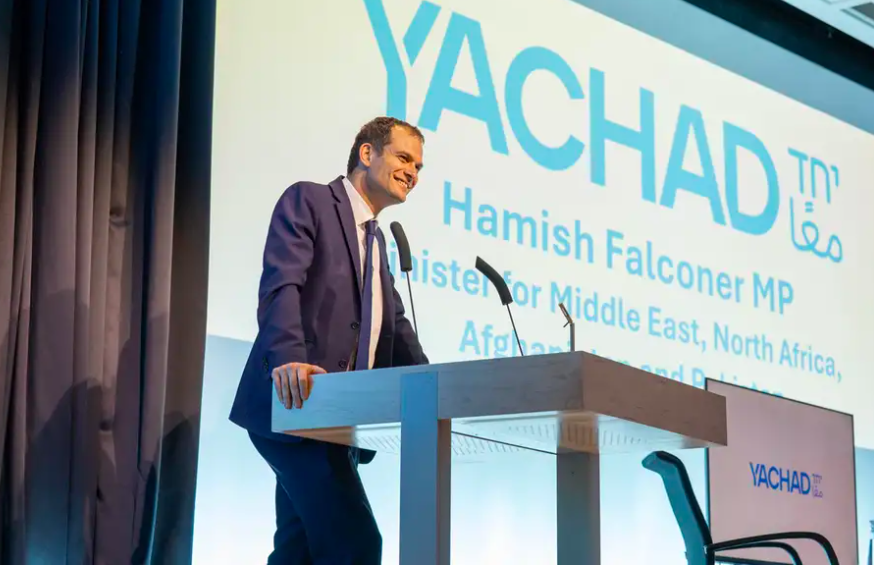
The UK government is engaged in discussions with international partners about how a full trade ban on goods produced in Israeli settlements in the West Bank “might work,” Middle East Minister Hamish Falconer has confirmed.
Despite cross-party calls from MPs for the UK to implement such a ban, Falconer acknowledged “technical difficulties,” especially among European Union member states. “I am confirming today that we are in discussions about such measures,” he told Parliament.
During an urgent question in the House of Commons regarding Israel’s proposed expansion of the E1 settlement, Falconer emphasised that there has been “condemnation of settler violence at the highest levels of Israeli society.”
He cautioned against “tarnishing the entire state” as supportive of such actions.
With antisemitism rising in the UK, Falconer stressed: “I do not think that the policy of settlements is supported across the whole of Israel; that is very clear in the discussions about the upcoming elections. There are many voices in Israel who recognise the terrible harm being done to the state of Israel by the expansion of settlements.”


On antisemitism, he added: “We must be really careful in our language. There are many, many Israelis, and indeed many, many British Jews, who can see the terrible damage done by violent settlements, and we must not tar communities in this country or the whole nation of Israel with the same brush.”
Labour MP Peter Prinsley urged those wishing to support the Palestinian cause to also support progressive voices in Israel.
Outlining possible steps towards a full ban on the sale of settlement goods, Falconer reiterated: “We are in discussions with partners on how bans on settlement trades might work.”
Responding to a question from Emily Thornberry MP on why the UK had not yet followed other countries in implementing a full ban, Falconer said: “In our discussions with counterparts, there are a number of technical difficulties that people are encountering, particularly those in the European Union. But I would just be clear to the House, as I have in my statements, I am confirming today that we are in discussions about such measures.”
Thornberry, who chairs the Commons Foreign Affairs Committee, had said allies, including the Netherlands, Ireland and Norway, have introduced a “full trade ban on Israeli goods coming from illegal settlements”.
The Labour MP for Islington South and Finsbury said those countries had decided it was “the right thing to do”, asking when the UK would join them.
Falconer also expressed concern about efforts to advertise settlement property in the UK and reports of charitable links between the UK and the settlements. “I have written to the Advertising Standards Authority and spoken to the Charities Commission on these issues,” he said.
A full ban on imports of goods from illegal West Bank settlements would represent a significant departure from the UK’s current policy, which relies on differentiation, tariffs, labelling rules, and voluntary guidance.
It would introduce an outright legal prohibition on bringing such goods into the UK market. Spain has already implemented such a ban, while Ireland is in the process of attempting to do so.

During the Commons session, Conservative MP Mark Pritchard praised both Keir Starmer and Falconer for the UK’s decision to recognise a Palestinian state last year.
However, Conservative shadow minister Wendy Morton expressed concerns about the lack of dialogue with Israel resulting from the UK’s current stance.
She was met with jeers from some MPs after acknowledging that “settlement expansion in the West Bank is not helpful for achieving the long-term peace we all want to see.”
Left-wing Labour MP John McDonnell added that he hoped to live long enough to see Benjamin Netanyahu brought before the criminal courts.
Falconer noted there were claims that a timetable was now in existence on E1 expansion, and said he wished to warn both the Israeli government ahead of an election later this year, and businesses over going ahead with the move.
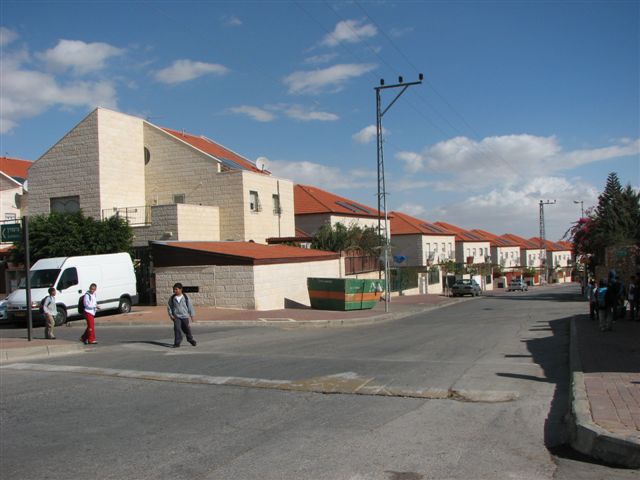
He criticised the E1 project, which would see Israel build more than 3,000 homes in the West Bank, which Falconer said would divide the area “in two” and “mark a serious breach of international law”.
During the urgent question, Falconer also confirmed the Foreign Office unit tracking potential breaches of international law by Israel was not closed, after previous reports suggested it had been.
He said: “The unit was not closed, it was moved. The function still remains within the Foreign Office. We still receive assessments. There has been some reorganisation within the department.”
Matt Western, Labour MP for Warwick and Leamington, who recently travelled to the West Bank and Israel, called for the UK to suspend its free trade agreement with the Jewish stare.
A succession of MPs who had visited the region as part of a delegation with the pro-peace advocacy group Yachad, spoke of their experience there.
“The proposed settlement would absolutely and permanently destroy any prospect of a true two-state solution,” Western told the Commons.
“It is a large area of land which would split the West Bank from north to south, severing connections between Palestinian communities and East Jerusalem.”
He added: “It is clear Israel is systematically and deliberately doing all it can to make a two-state solution impossible, and its impunity must end.”

Keep community journalism free.
Jewish News is free for everyone. No paywall. No barriers. Just trusted journalism for anyone who wants to stay connected to Jewish life in Britain.
If you value that, please support us.
From as little as £5 a month, you can help keep our journalism free and accessible to all.
Every day, we report on the issues that matter to our community. We celebrate achievements, support charities, challenge antisemitism and ensure Jewish voices are heard more widely.
From as little as £5 a month, you can help us continue to:
- Report on the stories shaping Jewish life in the UK and beyond
- Bring our community together through shared stories, events and campaigns
- Celebrate the people, culture and moments that define our community
- Support organisations doing vital work across Jewish Britain
You can make a one-off donation or become a regular supporter. Every contribution helps keep our journalism free, independent and accessible to all.
If everyone who values Jewish News gave a small amount, it would make a real difference to our future.