Prefer Jewish News on Google
What happened during the Holocaust to the high society Jewish Parisian family immortalised by Renoir?
Catherine Ostler's new book 'The Renoir Girls' moves between lavish ballrooms, escape routes and Auschwitz
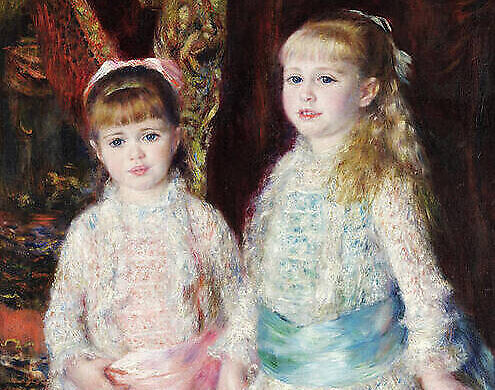
As a relative of Parisians rounded up and deported to Auschwitz for no reason beyond being Jewish, the story of the Cahen d’Anvers sisters resonated with me. But while my great-uncle was the patriarch of an ordinary working-class family, the Renoir girls were members of the “haute Juiverie” – the spoiled, wealthy scions of a gilded age lavish almost beyond imagination.
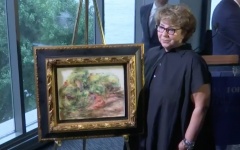
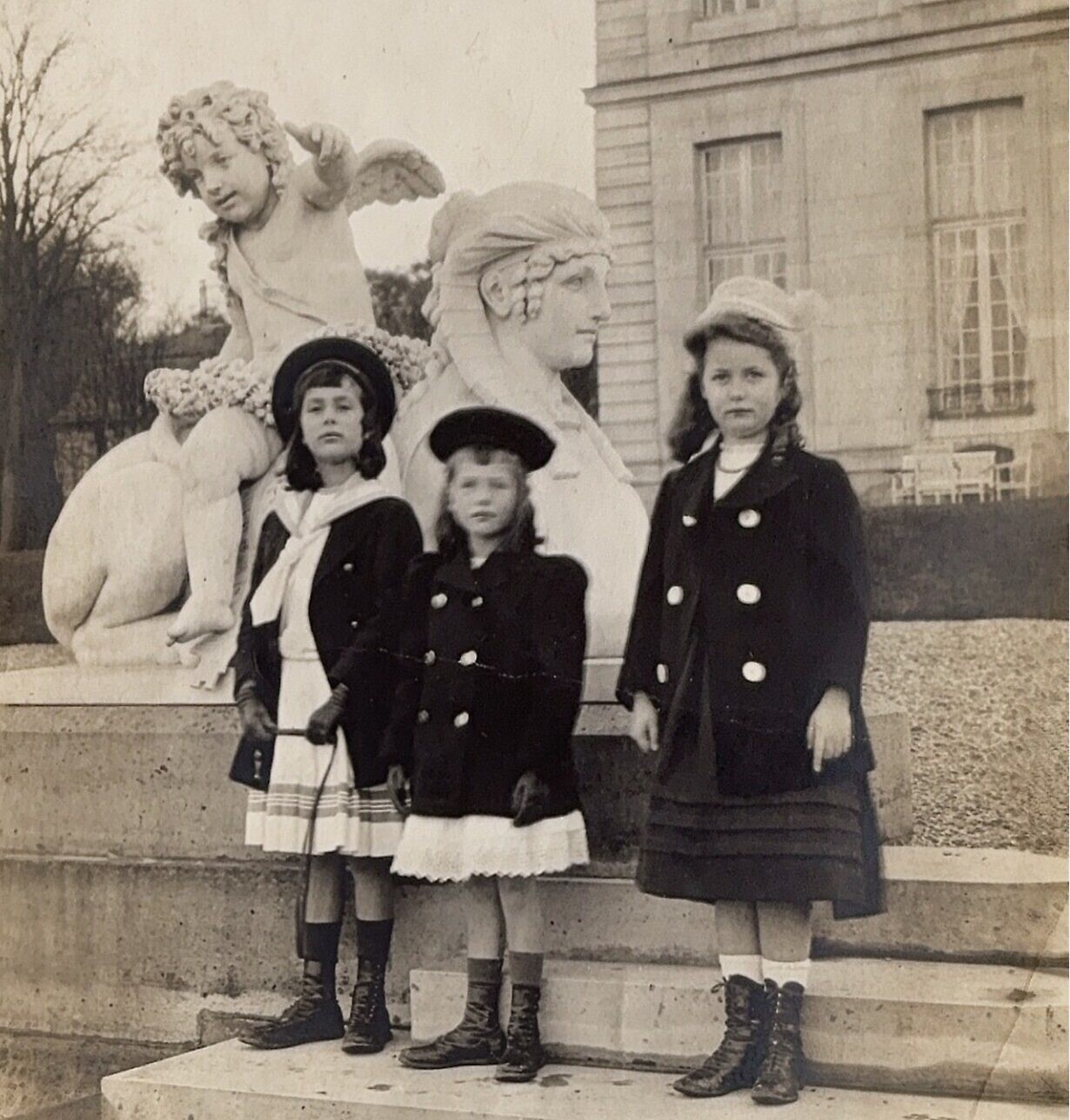
Dressed in clouds of silk and lace, floating from belle époque townhouse to chateau with parents whose life was a non-stop round of balls, hunting weekends, trips to the opera and summer spa retreats, little Alice, Elisabeth and Irene Cahen d’Anvers were immortalised in paint by the famous chocolate box Impressionist Pierre-Auguste Renoir. Alice, then only four, was the “pink” in Pink and Blue of 1881, the blue-sashed Elisabeth six, while their elder sister had been captured on her own in the eponymous Little Irene a year earlier.
In two of the world’s most beloved pictures, they remain forever young, adored for their depiction of innocence by an art-loving public. Yet neither their wealth, connections nor even marrying out could protect every one of them after the Nazis took Paris – and it is this heartbreaking contrast between their idyllic childhood and a totally unforeseen battle for survival in old age which compelled Catherine Ostler to tell their story.
“I really wanted to conjure up this beautiful Proustian world and what it was like to live in – the rustle of silk across marble floor, the privilege and luxury, the sense of fragile security and wanting to be part of France,” she explains. “It was a manic helter-skelter – you were at the races, the salons, the balls, then you went to Deauville and came back and held another ball in the country – a constant round of social activity above the deep divisiveness beneath.”
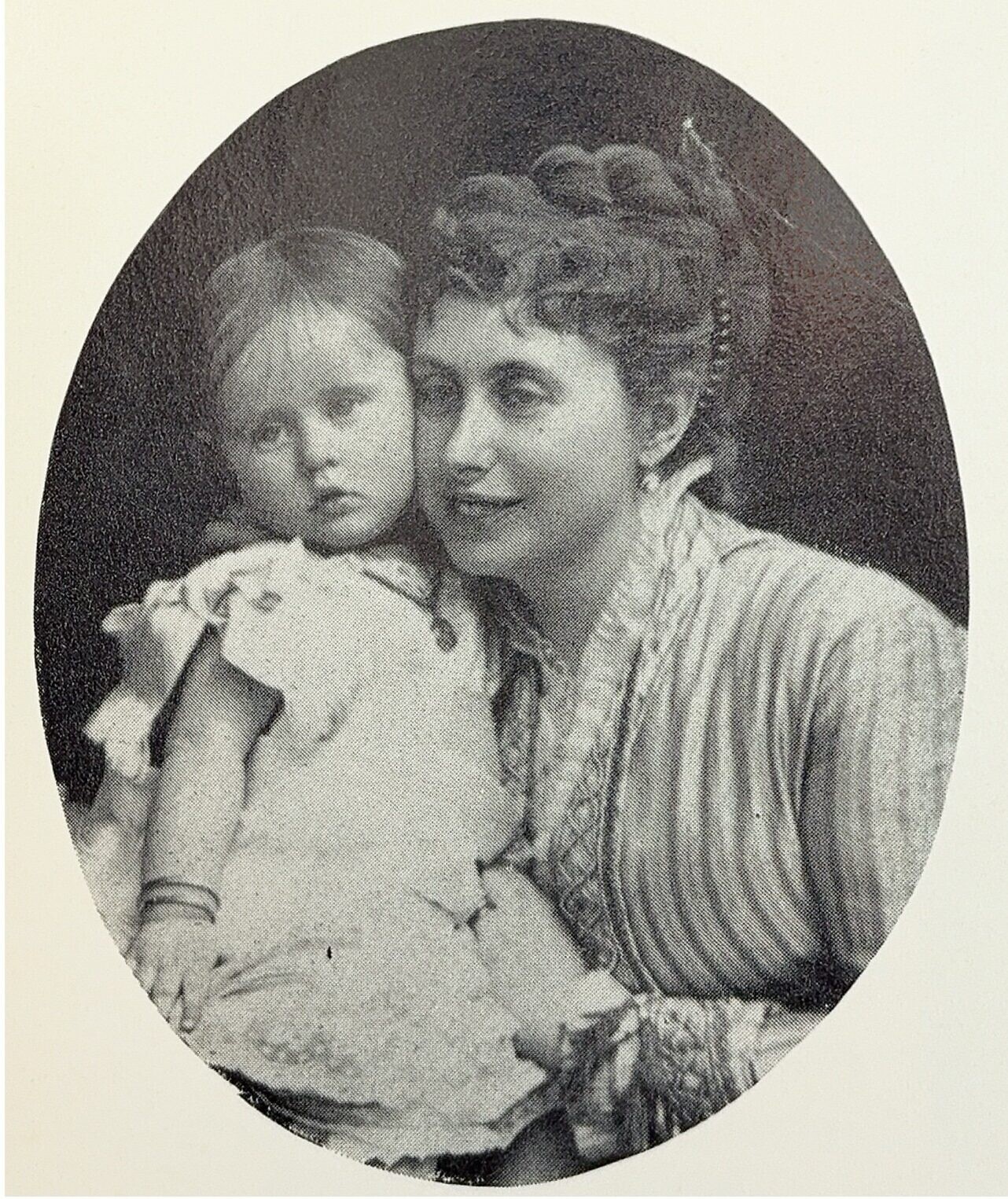
In this companion piece to Edmund de Waal’s The Hare With Amber Eyes, which details the ostentatious high life of his own Parisian banking family, the brightest star of The Renoir Girls is their mother, Louise Cahen d’Anvers, memorialised by de Waal as the beautiful mistress of his art- collecting ancestor Charles Ephrussi. Ostler acknowledges his role in drawing her into their story – “there’s one line about the painting in his book saying ‘one of these girls died in Auschwitz’, which horrified me” – and that of a pre-Dreyfus Paris where antisemitism was rife, yet no bar to socialising with aristocracy.

Dressing for success was part of the game. Ostler, a former Tatler editor, provides a must-read record of fin de siecle Paris, including the fabulous outfits which will thrill every reader with even a soupçon of interest in clothes. The book allows you to savour every detail of who wore what where.
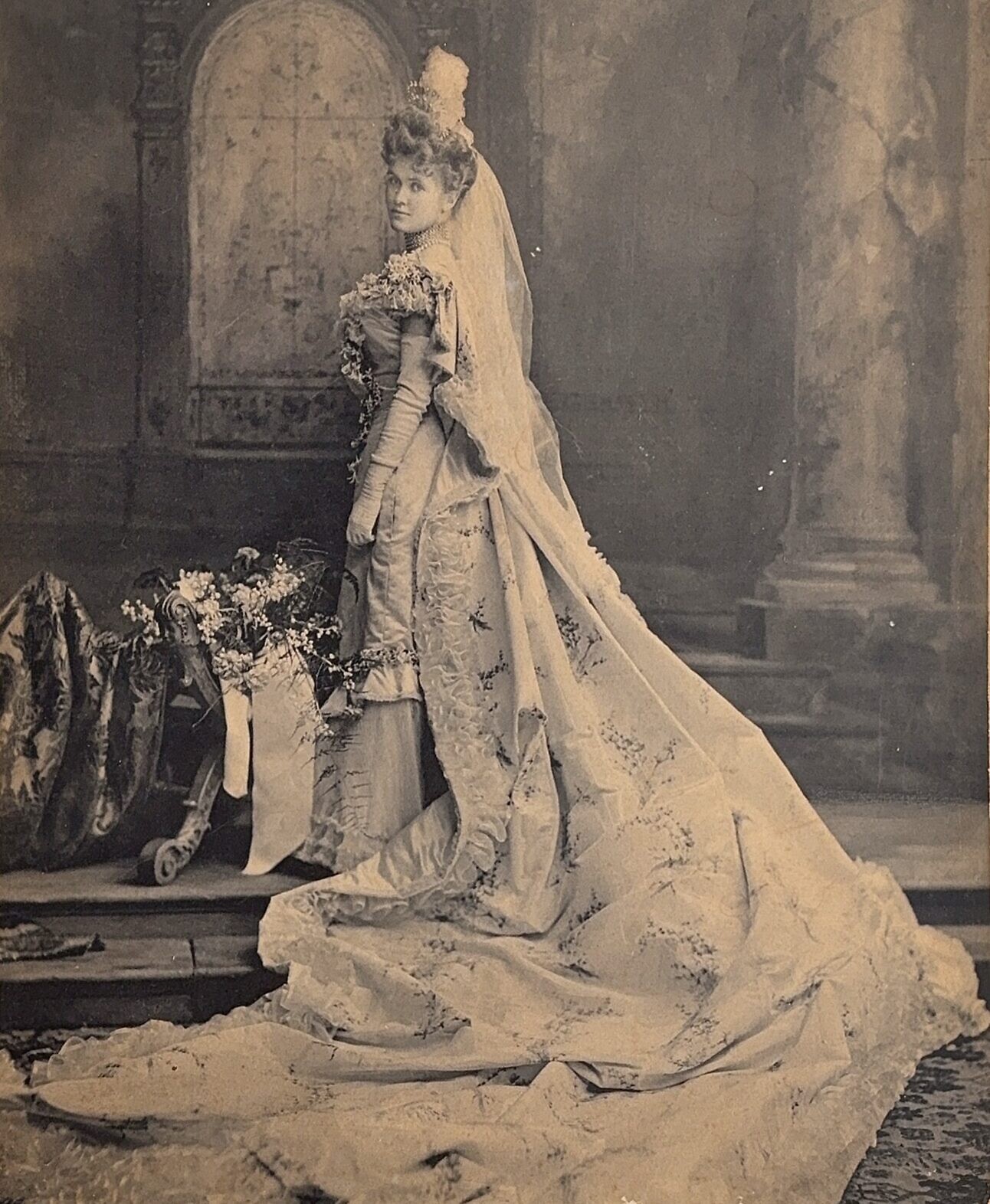
“In the early days of couture, these outfits are museum pieces, works of art,” she says of Louise’s ensembles, sensational enough to make the papers, like her black satin robe accentuated with a white feather boa and topped with a sky-blue velvet turban embellished with jet worn to a theatre premiere. No wonder Renoir got commissioned to paint her daughters’ portraits: “He was for a while a fashion illustrator. His mother was a seamstress and his father a tailor and he could catch the light on fabric and the richness and texture better than anyone because he had grown up with it,” says Ostler.
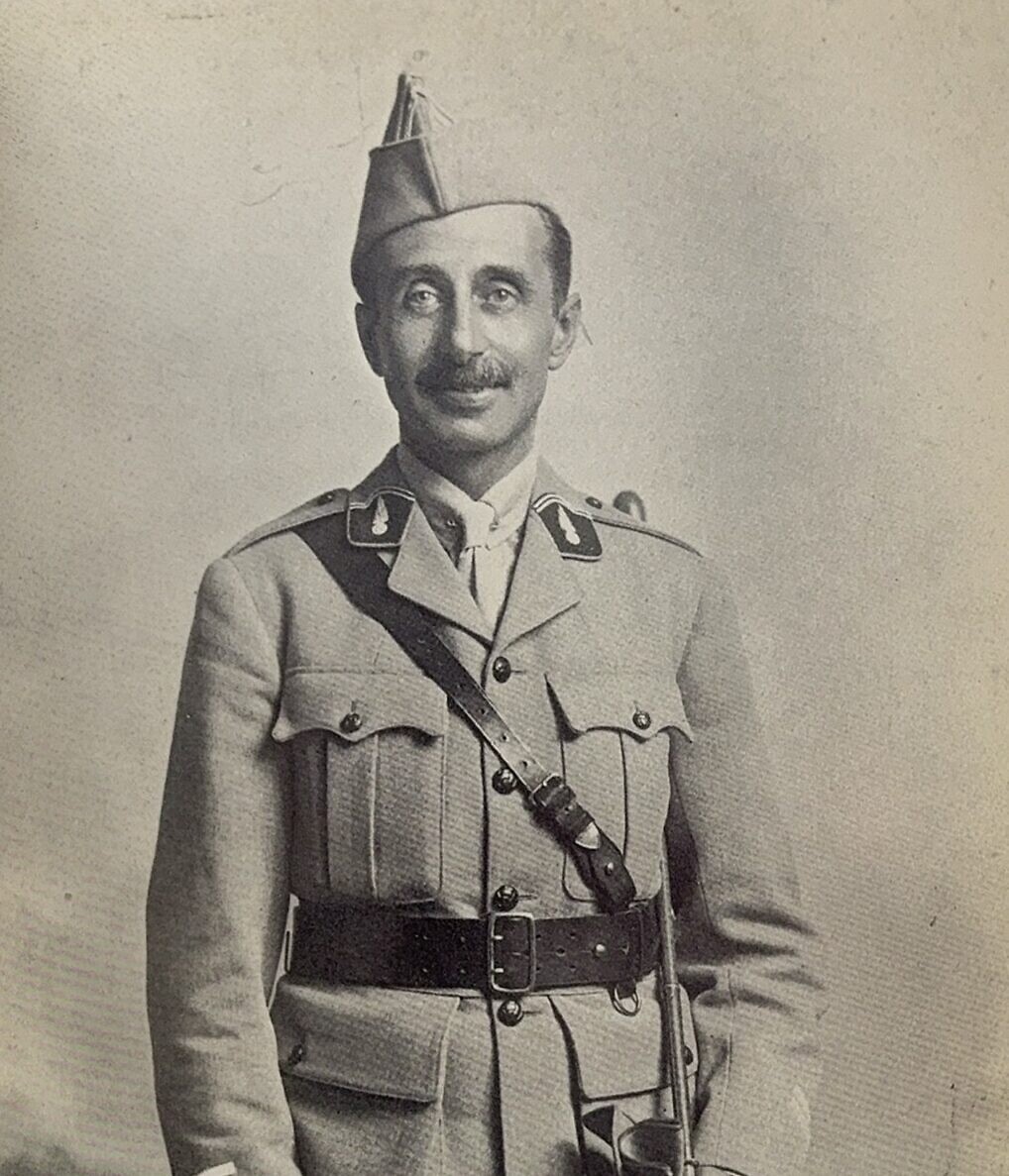
Even during the 12 years of the Dreyfus affair the Cahen d’Anvers, like the Ephrussis, made good from humble origins before arriving in Paris to thrive on Napoleonic emancipation and build the great mansions which survived them, kept calm and carried on despite the open denigration of Jews in many French publications. But while Alice, wife of an English military hero, was safe in England by the time the Nazis occupied France, Elisabeth, the former countess, was reduced to the same tactics as my great-aunt and her surviving daughters – forced into hiding in an ultimately futile bid for survival, while Irene assured her own future with steps which led virtually her whole family to condemn her as a collaborator and shun her for the rest of her life.
The Renoir Girls is also a mystery tale, exploring the century-long rumour that Alice, despite being the favourite daughter of Louis Cahen d’Anvers, was actually the child of Louise’s long-time lover, Charles Ephrussi. Ostler landed a coup by managing to explore the theory with Alice’s surviving granddaughter, Lady Bayliss, who in her 90s offered to finally shine a light on the truth in the age of DNA testing.
Marina owes her life to Alice, who in an incredibly brave move risked her own by travelling through France in June 1940 as a known Jew to evacuate her two grandchildren to England at the age of 64. Her reward was the happy ending denied Elisabeth, denounced by the antisemitic mayor of the village where she was living in 1944 and one of the last French Jews to be deported in the run-up to her 70th birthday; she died in Auschwitz.

As Ostler so poignantly recounts: “Elisabeth Cahen d’Anvers, raised in the salons and splendour of Paris, in the chateaux, the Opera House, painted at six in all the light and privilege of her childhood by the greatest portraitist of the Impressionists, her life a round of ponies, couturiers and cotillions, had – after the slow-burning suspicions and loathing of the Dreyfus affair… been rounded up and murdered at the hands of the Third Reich.”
Alice poignantly paid tribute to her at the Tate, which exhibited Pink and Blue in 1954: “Marina said she liked to stand next to it to tell strangers it was her and her sister in the portrait,” says Ostler. And only Alice was forgiving enough to reconcile with Irene – ironically the only daughter to wed in a synagogue in the first of two ill-fated marriages – who escaped Nazi persecution by denying her Jewish antecedents to the disgust of other family members, and lived to 91.
The conundrum of what it meant to be a wealthy, well-connected Jew in pre-war France – gilded and safe until it wasn’t – is summed up by Ostler’s description of the White Ball of 1922 attended by both Irene and the aristocratic, virulently antisemitic Marquis de Juigne who denounced her sister 20 years later, just as their mother had rubbed shoulders on the dance floor with antisemites of her own generation. “For four generations they had spun under the same crystal chandeliers. What intergenerational resentment, historic jealousy or hatred would prompt the mayor to betray Elisabeth?” she asks.
Perhaps the final irony was the grand Paris townhouse of the Cahen d’Anvers being harnessed by the Nazis to hold Jewish prisoners in the run-up to their deportation, considered ideal because of a hidden top floor where they could interrogate their doomed captives in secret. It’s part of the dark underbelly of the City of Light that Ostler ponders whether the French have ever come to terms with in this gripping tale of antisemitism and war.
*The Renoir Girls: A Hidden History of Art, War and Betrayal by Catherine Ostler is published by Simon & Schuster on 9th April (£30, hardback).
Catherine Ostler is in conversation about The Renoir Girls with Simon Sebag Montefiore at the V&A on 13 April, tickets: vam.ac.uk/whatson; and with James McAuley at Hatchards Bookshop, London on 14 April. Tickets: www.hatchards.co.uk/events.

Keep community journalism free.
Jewish News is free for everyone. No paywall. No barriers. Just trusted journalism for anyone who wants to stay connected to Jewish life in Britain.
If you value that, please support us.
From as little as £5 a month, you can help keep our journalism free and accessible to all.
Every day, we report on the issues that matter to our community. We celebrate achievements, support charities, challenge antisemitism and ensure Jewish voices are heard more widely.
From as little as £5 a month, you can help us continue to:
- Report on the stories shaping Jewish life in the UK and beyond
- Bring our community together through shared stories, events and campaigns
- Celebrate the people, culture and moments that define our community
- Support organisations doing vital work across Jewish Britain
You can make a one-off donation or become a regular supporter. Every contribution helps keep our journalism free, independent and accessible to all.
If everyone who values Jewish News gave a small amount, it would make a real difference to our future.