
 Prefer Jewish News on Google
What last year taught me about Jewish-led theatre in the UK
Seeing a show a week gave me a real insight into how much creative talent we have. It must be championed
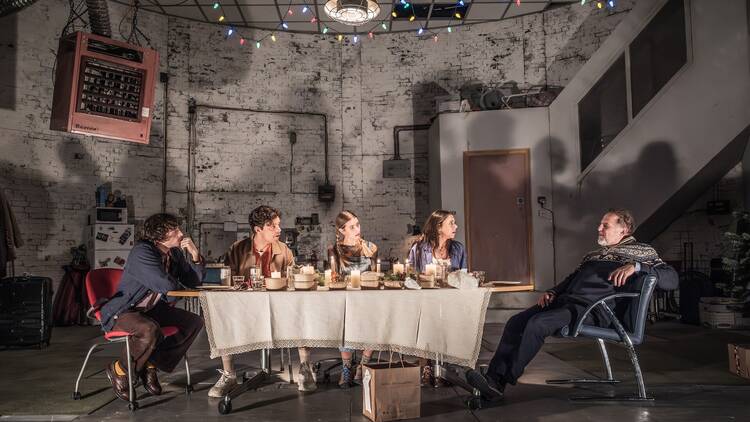
Following the events of October 7 I set myself a challenge – to see at least one Jewish-themed performance or a show featuring Jewish creatives every week. I managed it and as we embark on a new year I have reflected on what it taught me.
I learned a tremendous amount. About remarkable Jewish women like the amazing French surrealist photographer, sculptor, and writer Claude Cahun (Southwark Playhouse) – a resistance worker and propagandist; Sarah Wesker (Wimbledon Studio Theatre) a trade unionist and life-long campaigner; women like artist Lee Krasner (Park Theatre) and composer Fanny Mendelssohn (Kings Head, Islington) who played second fiddle (pun unintended) to a man (for Lee her husband, for Fanny her brother Felix), and in doing so allowed their own talents to be eclipsed.
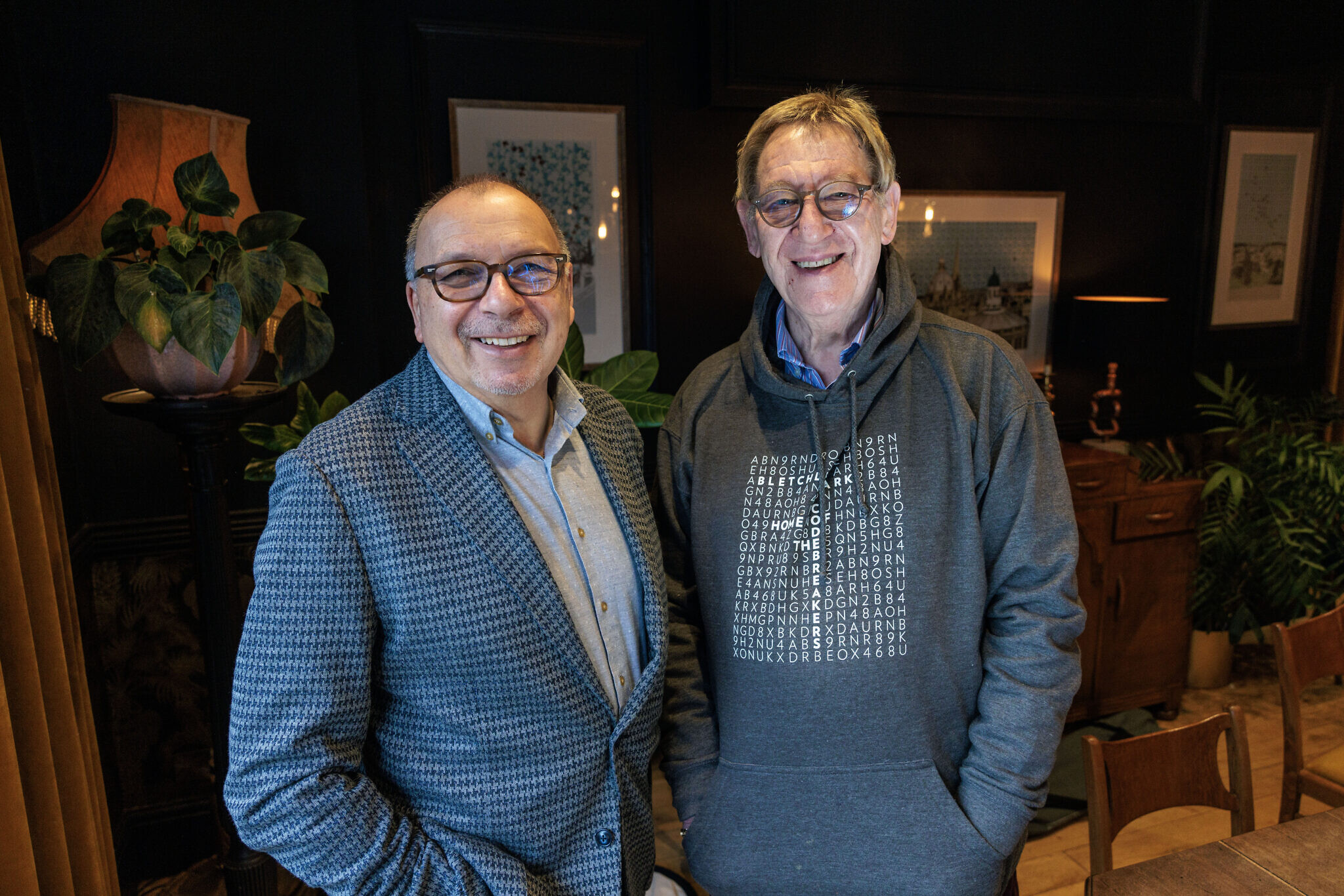
I pondered on how different history might have been had a certain Mrs Hitler taken her Jewish doctor’s advice, and let Adolf, her nervous, bedwetting son, visit a Dr Sigmund Freud to treat his behavioural problems (Upstairs at the Gatehouse).
There was laughter, thanks to a stable of talented Jewish comedians, many of them female, who showed us that there is still plenty to giggle about. But some of the hilarity was been tinged with regret when, responding to audience concern, comedians felt it necessary to create safe comedy gigs where Jewish fans aren’t subjected to an onslaught of antisemitic, and hostile sentiments, from the performers.
I saw glorious musicals with catchy tunes (Barbican and Garrick theatres) that audiences are still humming, long after the shows have ended.
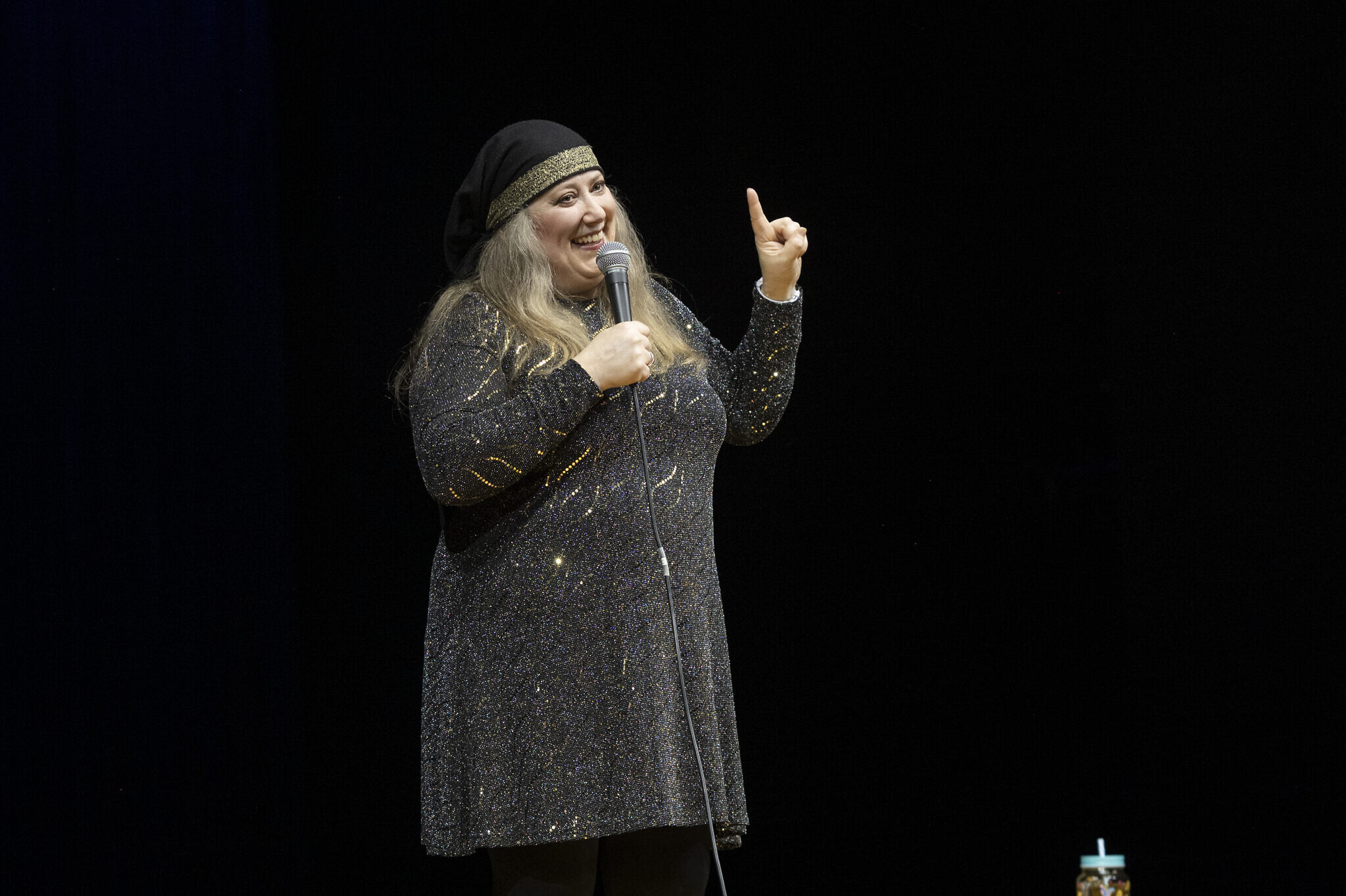
And I experienced outrage and anger when the Edinburgh Fringe Festival shows of Jewish comedians Rachel Creeger and Philip Simon were cancelled; the performers’ only crime being their religion.
I experienced discrimination first hand, when a theatre company was only too happy to be interviewed by me, and wanted me to publicise their performance, just so long as it wasn’t in a Jewish newspaper.
And there were tears. Many at Holocaust themed work. In this, the 80th anniversary year of the end of World War Two, there were so many plays, staged in so many different guises, from so many perspectives, yet all featuring Holocaust stories. The stunningly beautiful and wonderfully moving balletic opera The Lost Music of Auschwitz (Bloomsbury Theatre) told the story of the bravery and determination of the musicians in Auschwitz who preserved their music on tiny fragments of paper.

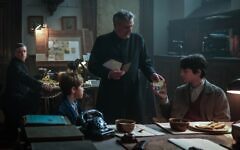
I also saw Kindness, a verbatim testimony of Hungarian survivor Susan Pollack, (Finchley Synagogue); the gripping wartime drama Goodbye Mr Haffman (Park) and As Long As We Are Breathing, a play that began with an immersive mindfulness session (Arcola).
And yet another perspective was the Der Yidisher Hunt / The Jewish Dog (Camden People’s Theatre) the events of the Holocaust seen through the eyes of a dog living in Berlin.
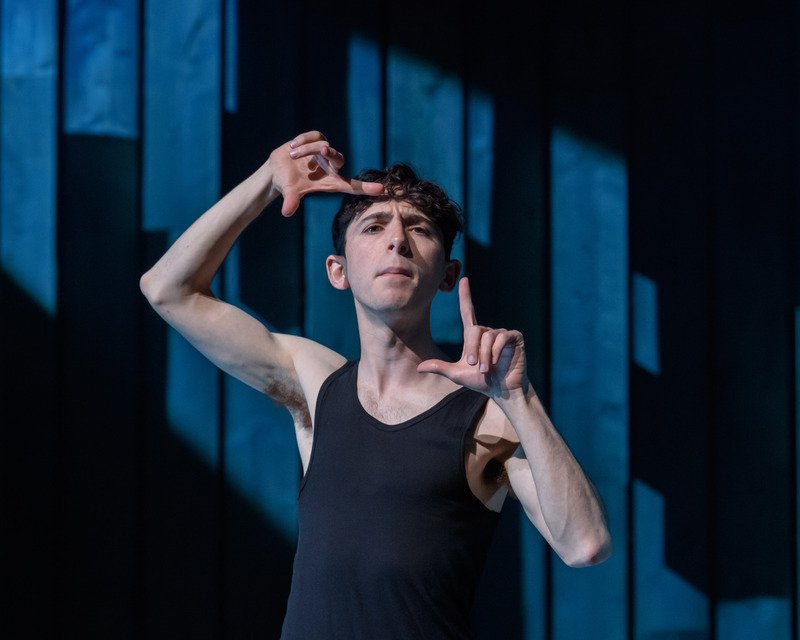
There were performances calling out 21st century injustice, like Faygele (Marylebone) based on the tragic and true story of a young man ostracised in the religious Jewish community for being gay.
The Orthodox Jewish community has featured on stage in several productions including When We Talk about Anne Frank and The Wanderers (Marylebone Theatre).
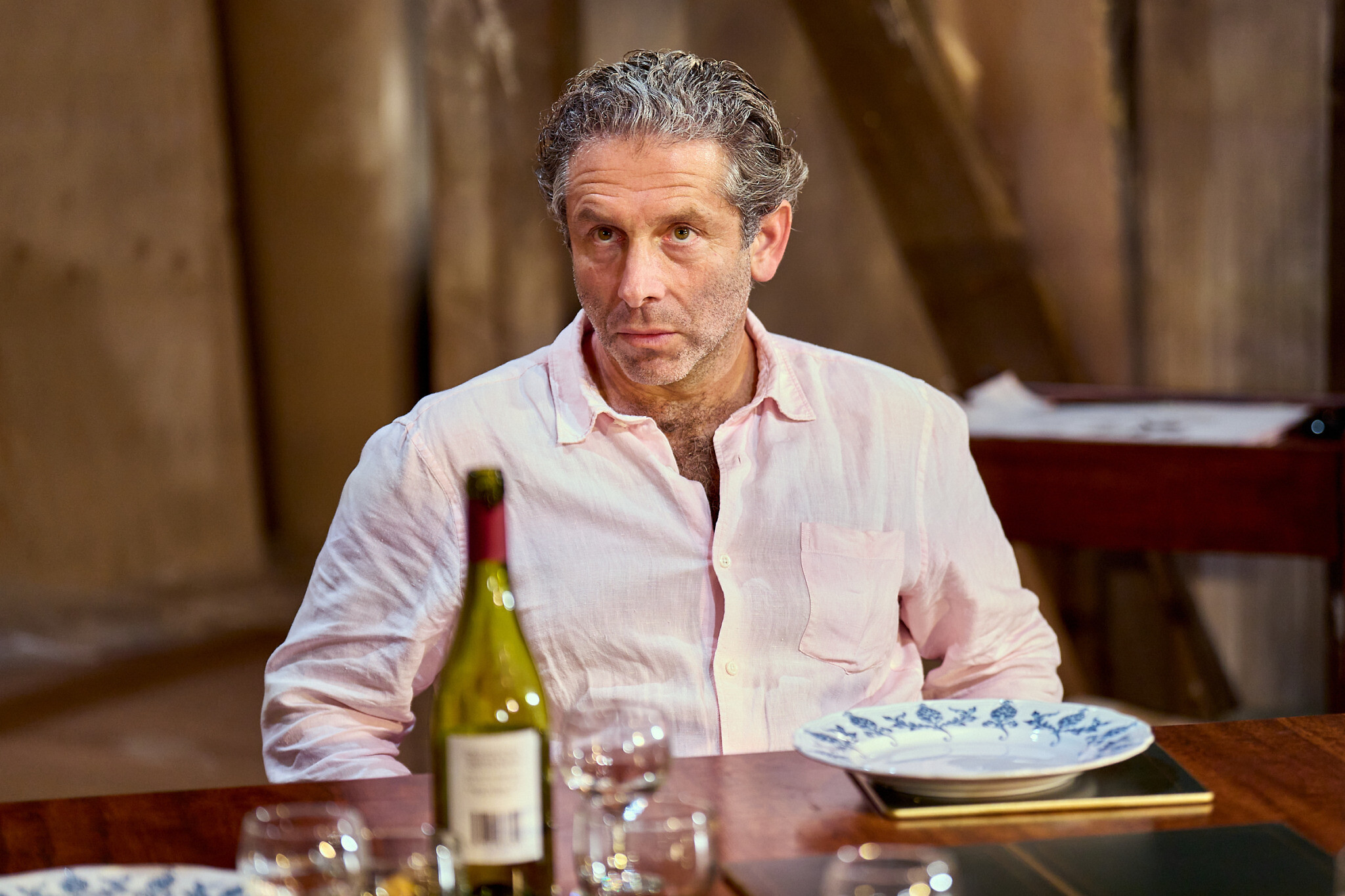
Yes, there has also been division. In plays like Giant (Harold Pinter Theatre) and Christmas Day (Almeida) antisemitic rhetoric is part of the script, and the storyline of Steinberg v Steinberg (JW3) is based on the true story of Jewish father who abused his own daughters.
There was been revelation. How many people knew that it is to the Israel Defence Force (the IDF) and to Israel, that gay people living in Gaza can turn to for refuge when they need to flee persecution in Gaza (The Bridge House Theatre)?
And the appalling ignorance of people championing a cause that they know so little about. Waving flags and supporting the very people whose intolerance would threaten their very existence. The flags hauled out at curtain calls, the watermelon and “River to the Sea” badges and the spontaneous chanting at the end of a performance.
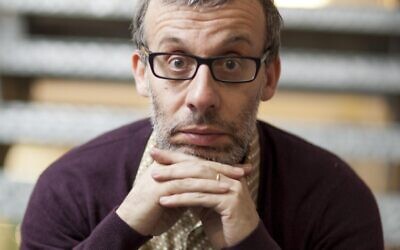
There was renewal, with actor and comedian David Schneider joining with fellow Yiddish-speaking enthusiasts, to create the Yiddish Theatre Troupe (University College London).
Panto was been celebrated in true Jewish style with the family-friendly Cinderella and the Matzo Ball (JW3) and for adult audiences the saucy Queer Jewish Yankl and the Beanstalk (Pleasance Theatre).
And there was been innovation with theatre companies pushing boundaries, engaging audiences in immersive performances (Playhouse East) and futuristic love stories (White Bear).
And for me there was been appreciation too, of the many theatres and venues who welcomed Israeli theatre companies and Jewish themed work.
Of course, not all the performances were of the same standard. But that’s the wonderful thing about theatre. The contract starts the minute you receive your ticket. You never know what you are going to see. Every performance is always different, and possibly there is, in truth, no such thing as the perfect play.
Here at the start of 2026, I am filled with hope and positivity. A new theatre, The Circle and Star, is opening in Hampstead and will be featuring Jewish themed work. New writing initiatives are promising some wonderful plays with diverse storylines. Several young Jewish theatremakers tell me they feel an urgency and a duty, as the last generation to meet Holocaust survivors, to tell their stories. The newly launched Jewish Arts Foundation has started the Big Arts Conversation, the Jewishstage is a new listings and networking website highlighting Jewish-themed plays and the work of Jewish creatives, and Tsitsit the Jewish fringe festival goes from strength to strength.
The overarching message that each of these initiatives sends out is that there is a staggering amount of talent in our theatremakers and that, luckily for the rest of us, they want to continue to create outstanding and groundbreaking work in the coming year.
Caroline Friedman is a theatre journalist. A theatre producer and writer, she is the founder of Scenesaver the world’s largest free theatre streaming site, an executive member of the Fringe Theatre Awards, a trustee of Book, Music and Lyrics and an assessor for OffWestEnd theatre awards.

Keep community journalism free.
Jewish News is free for everyone. No paywall. No barriers. Just trusted journalism for anyone who wants to stay connected to Jewish life in Britain.
If you value that, please support us.
From as little as £5 a month, you can help keep our journalism free and accessible to all.
Every day, we report on the issues that matter to our community. We celebrate achievements, support charities, challenge antisemitism and ensure Jewish voices are heard more widely.
From as little as £5 a month, you can help us continue to:
- Report on the stories shaping Jewish life in the UK and beyond
- Bring our community together through shared stories, events and campaigns
- Celebrate the people, culture and moments that define our community
- Support organisations doing vital work across Jewish Britain
You can make a one-off donation or become a regular supporter. Every contribution helps keep our journalism free, independent and accessible to all.
If everyone who values Jewish News gave a small amount, it would make a real difference to our future.





















