Prefer Jewish News on Google
New film about Israel’s most famous architect and her daughter
ADA - My Mother The Architect is a beautiful, fascinating love letter to filmmaker Yael Melamede's award-winning mum
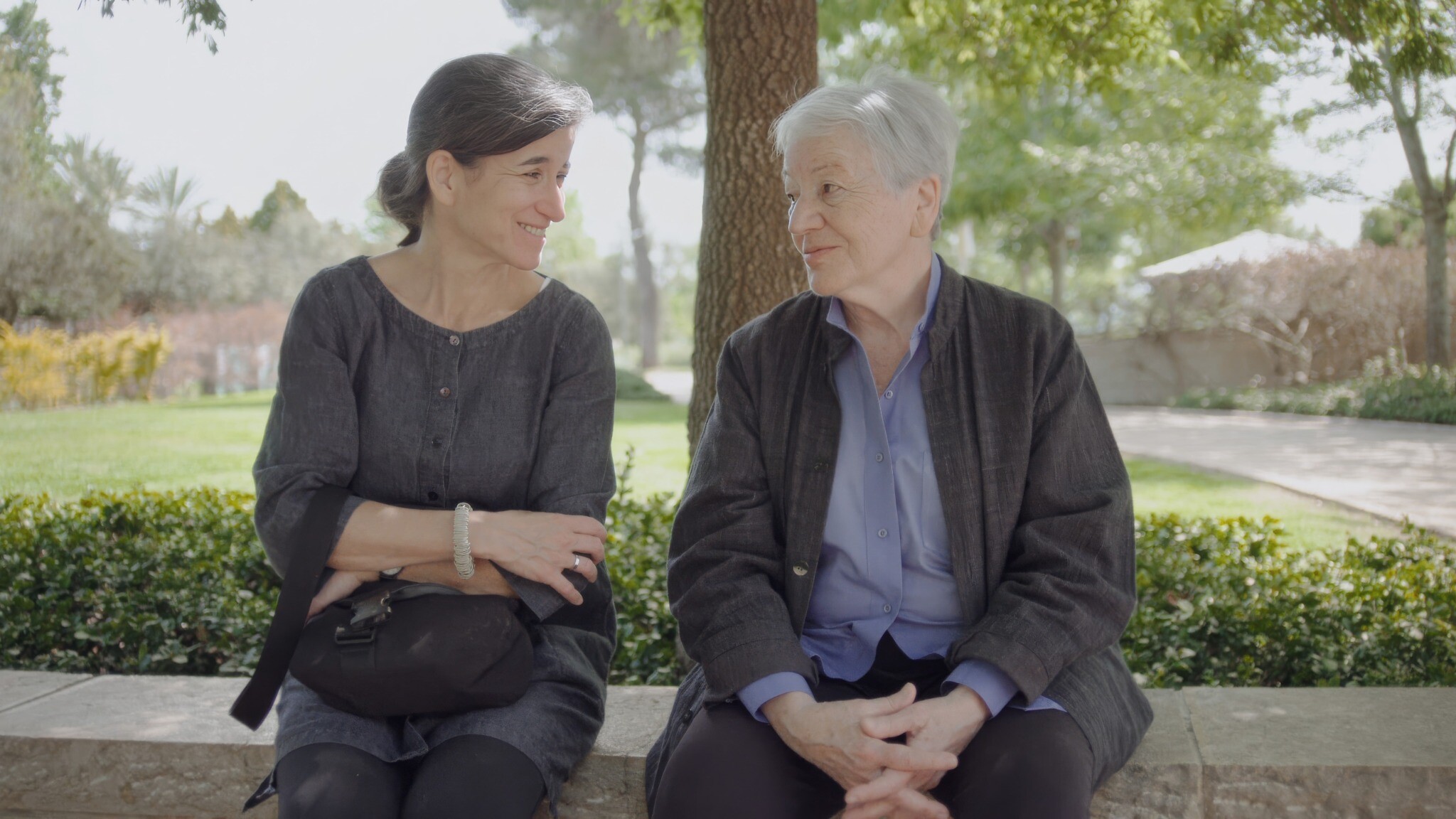
It starts as a tribute to Israel’s most famous female architect, a feisty octogenarian who seems reluctant to be filmed. But ADA – My Mother The Architect transforms into something else as it slowly unfolds – a psychodrama about the mother who left home in New York when her film-maker daughter was 14, to pursue professional opportunities in the land of her birth.
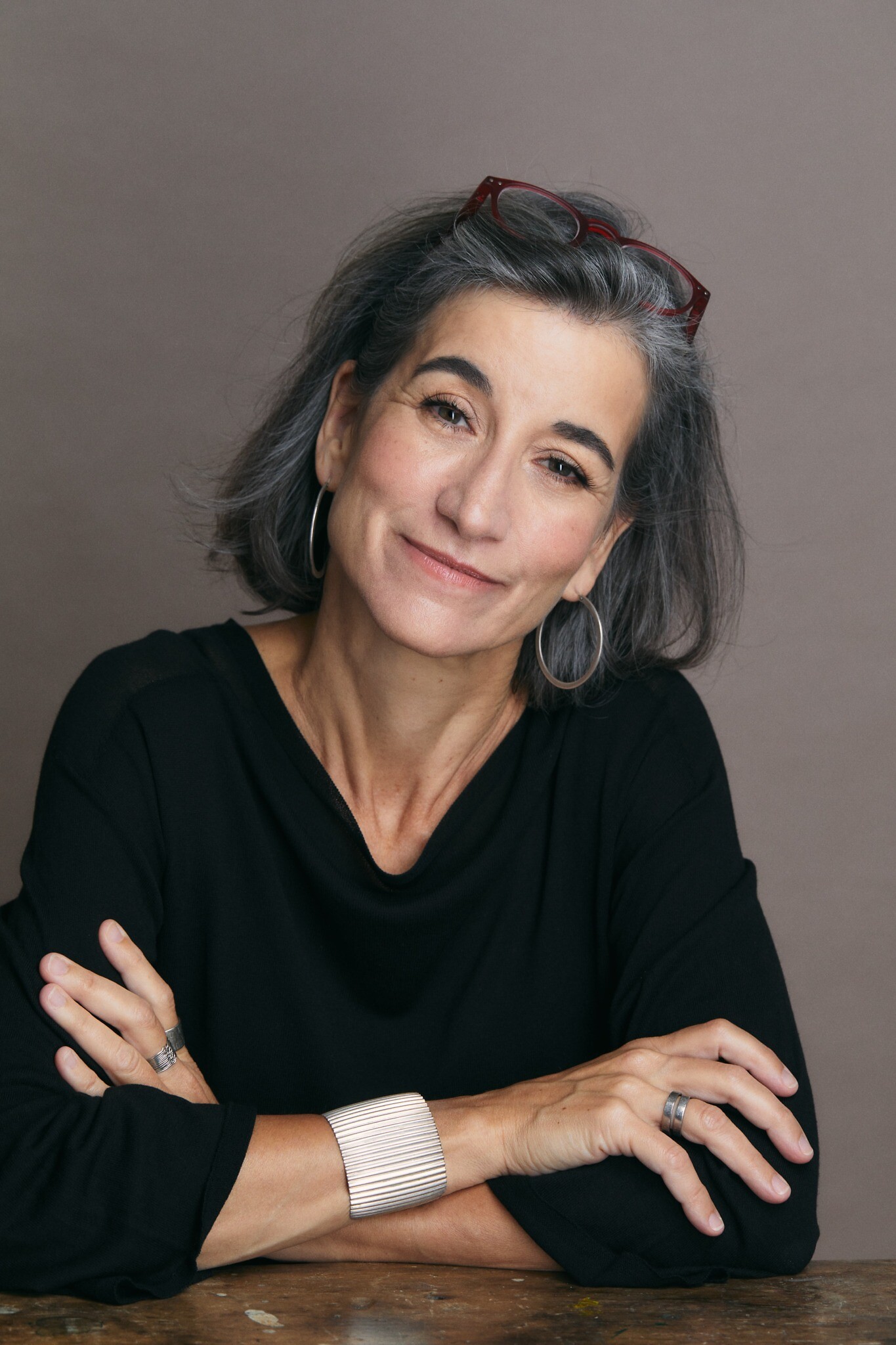
However, to Emmy-winning director Yael Melamede no drama with mama is intended – she sees the tribute she filmed over several years from 2017 as a love letter to the mother who, at 89, she wishes could remain the workaholic she was for six decades: “I find people who are completely obsessed by their work and see all the world’s mysteries through that lens so interesting. My mother and I did get closer as we made the film through spending so much time together, but I didn’t make it to explore our relationship.”
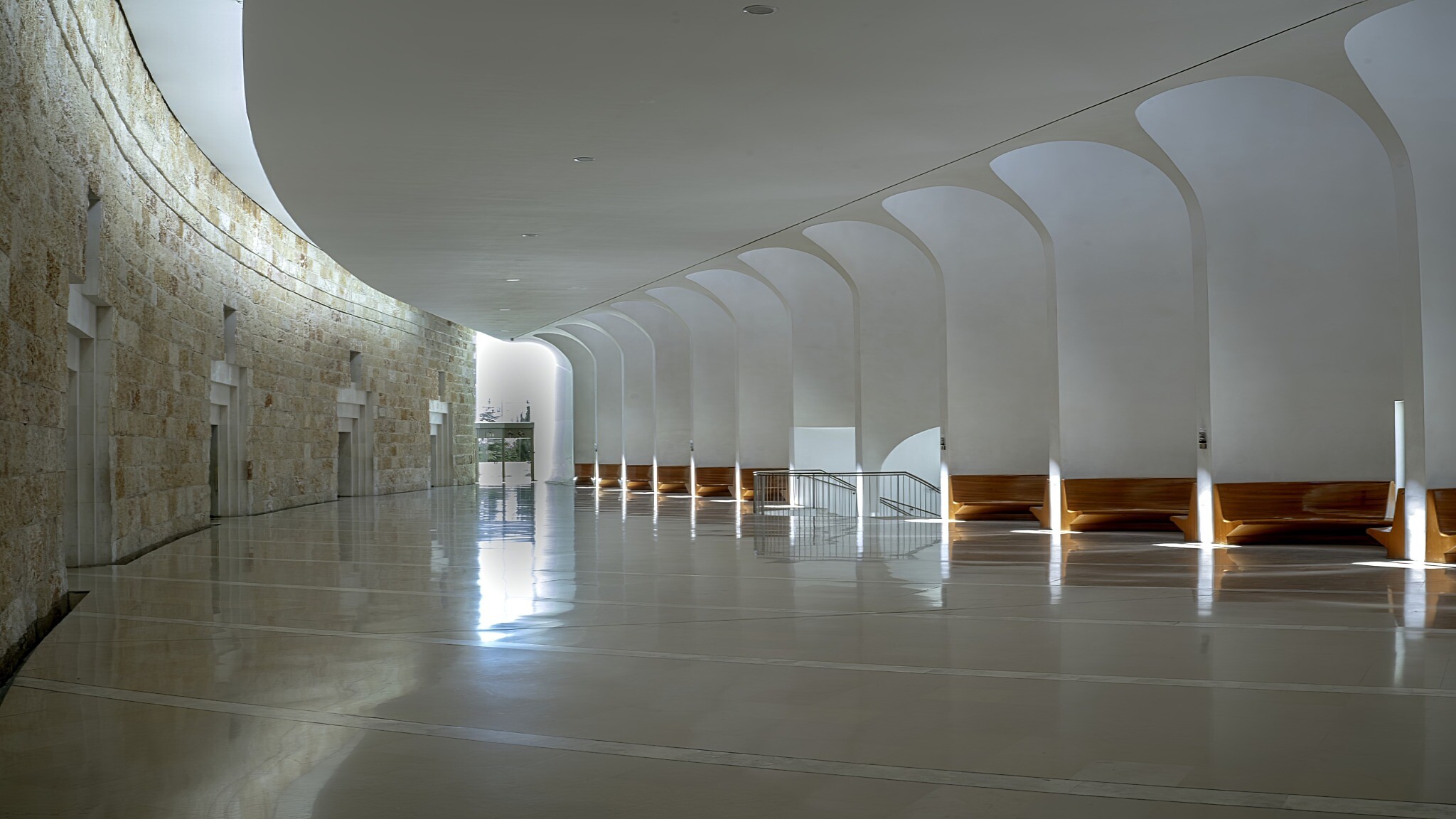
Ada Karmi Melamede is Israeli architecture royalty. She is the daughter of Dov Karmi, who won the Israel Prize a generation before his daughter, who received it for her own design, with her brother Rami (already a recipient of the country’s highest honour) in the field of Jerusalem’s stunning Supreme Court.
Yet none of her astonishing buildings for Israel, which include the soaring central terminal of Ben Gurion Airport and the exquisite Ramat Hanadiv Visitor Centre in Zichron Ya’akov, might have come to be had she not been snubbed by Columbia University, where she taught for 14 years after moving from Israel to New York with her husband Amos in pursuit of furthering his career.
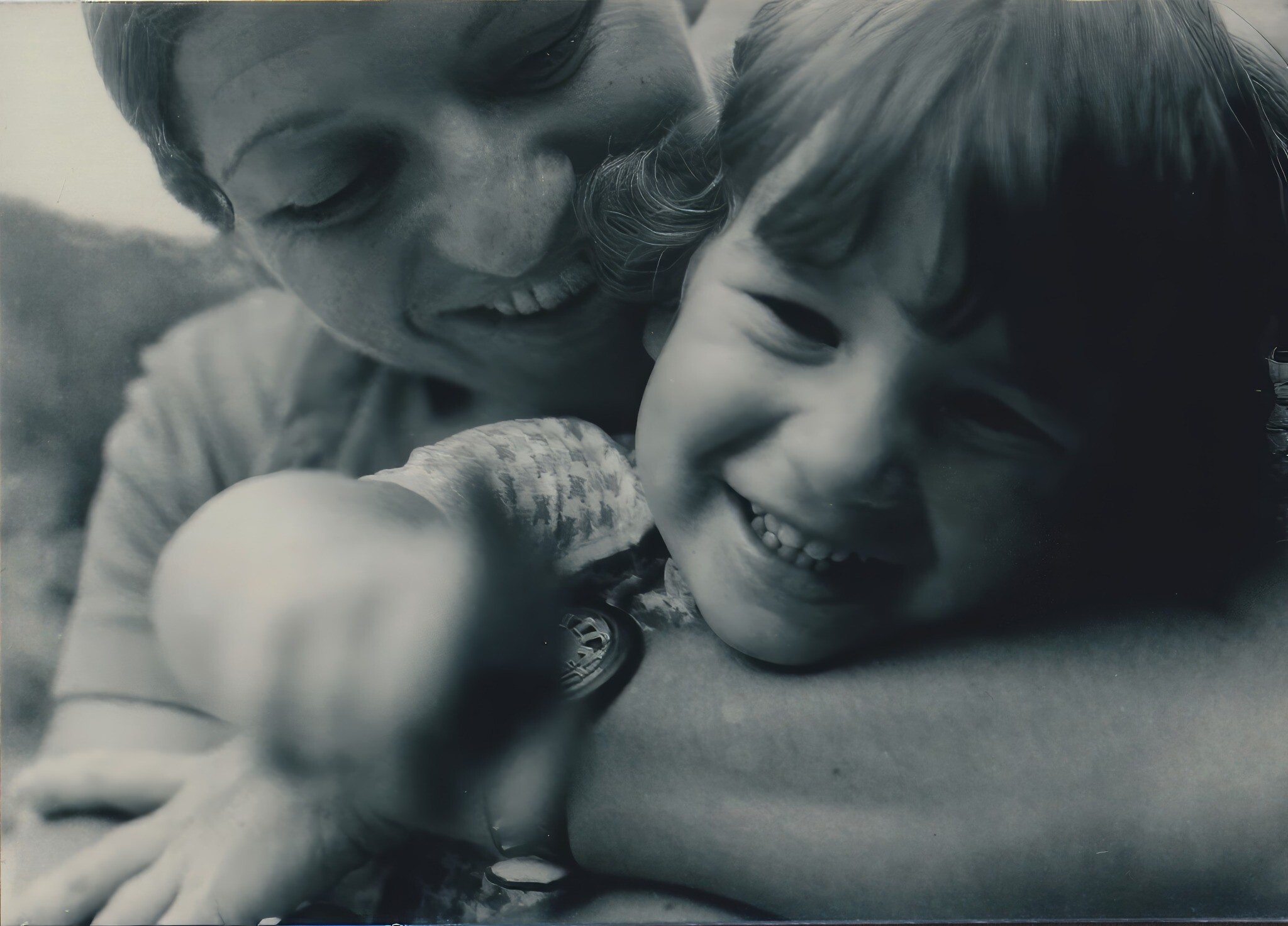
They had three children – Yael is the youngest – before, denied tenure after many years of influencing hundreds of architecture students, Ada felt compelled to find a professional future for herself elsewhere.

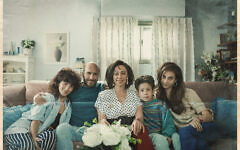

She headed home to Israel, leaving Yael in the care of a father who was also frequently absent for work, though looking back, the 58-year-old says: “They left me to my own devices in a way I thought was pretty wonderful. And I always felt loved; my mother was back and forth a lot for the first couple of years, my brother and sister were already out of the house, and at 16 I left myself for college.” This included a stint at London’s Architectural Association, where Ada also studied, following Yael’s architectural studies at Yale.
Things became more complicated when Ada and Rami entered a competition to design Israel’s Supreme Court in 1985. They won – on the promise that Ada would not leave Israel for more than a few weeks a year – and by the time the project, which took seven years filled with conflict between the siblings to complete, was finished, the family had been split for nearly a decade.
Ada, who had not expected her career to take off to the extent it did, never went back to New York to live, and was not by the side of her beloved Amos when he died on his birthday. Poignantly, this was a few hours after the kind of dinner party they had enjoyed for so many years as a couple, with friends like renowned architect Moshe Safdie, who contributed to the film along with the late Frank Gehry, another of Ada’s starchitect admirers.
While viewers cannot help but feel sad for Yael – in a heart-wrenching moment she produces the letters her mother decorated with cat illustrations which she has treasured until today – she accepted that her mother was not coming home and joined her in Tel Aviv, updating the apartment designed by Dov which had not been touched in 50 years. “She felt it was too emotional to do herself, so asked me to do it, which was an amazing gift,” says Yael. She also designed her mother’s Tel Aviv office – “she had been working in the basement of the rundown building where her father had worked, so there was lots of nostalgia, but it was time for her to move somewhere better” – before leaving architecture altogether a year later.
By that time the siren call of film-making which had first attracted Yael was insistently beckoning. “I did not intend to become an architect, but fell in love with photography before applying to both film and architecture school. I did not get into film school, but I’m very glad I got educated in architecture, although I eventually felt that film was much more my language.”
ADA, which won a cinematography prize at the Jerusalem Film Festival, is a must-see for any lover of architecture with its extraordinary views of the interior of the Supreme Court, light moving across its walls as the sun changes direction in the way it shifts around the interior of the Pantheon in Rome, to Ada one of the most beautiful and important buildings in the world.
And when it comes to the years they spent apart, Yael insists: “We had a wonderful relationship before, and we have a wonderful relationship now. I never felt she wasn’t available to me, even though she was far away; it was more painful for her than for me. She was always very affectionate and supportive towards the three of us; there were lots of dinners with lawyers and architects and business people, and we were always made to feel welcome.”
Ada, who is finally spending time back in the USA with her children and six grandchildren now she is no longer able to work – “if she could work till her very last breath she would, and I wish she could”, says Yael – does not want to focus on love and loss when invited to talk about how she feels about being absent when Amos died, and nor does their daughter, saying only: “When it comes to the choices and sacrifices my mother made for her architecture I think the sacrifice was worth it 1,000 per cent.
“I would not want her to have done anything differently. My only wish is that she would be more aware of what she sacrificed.”
*ADA – My Mother The Architect is on Amazon Prime and iTunes.

Keep community journalism free.
Jewish News is free for everyone. No paywall. No barriers. Just trusted journalism for anyone who wants to stay connected to Jewish life in Britain.
If you value that, please support us.
From as little as £5 a month, you can help keep our journalism free and accessible to all.
Every day, we report on the issues that matter to our community. We celebrate achievements, support charities, challenge antisemitism and ensure Jewish voices are heard more widely.
From as little as £5 a month, you can help us continue to:
- Report on the stories shaping Jewish life in the UK and beyond
- Bring our community together through shared stories, events and campaigns
- Celebrate the people, culture and moments that define our community
- Support organisations doing vital work across Jewish Britain
You can make a one-off donation or become a regular supporter. Every contribution helps keep our journalism free, independent and accessible to all.
If everyone who values Jewish News gave a small amount, it would make a real difference to our future.