Prefer Jewish News on Google

When it comes to hate, context, patterns, intent and impact all matter
Antisemitic and anti-Muslim hate crime have both soared in recent years. But official statistics tell only a fraction of the story
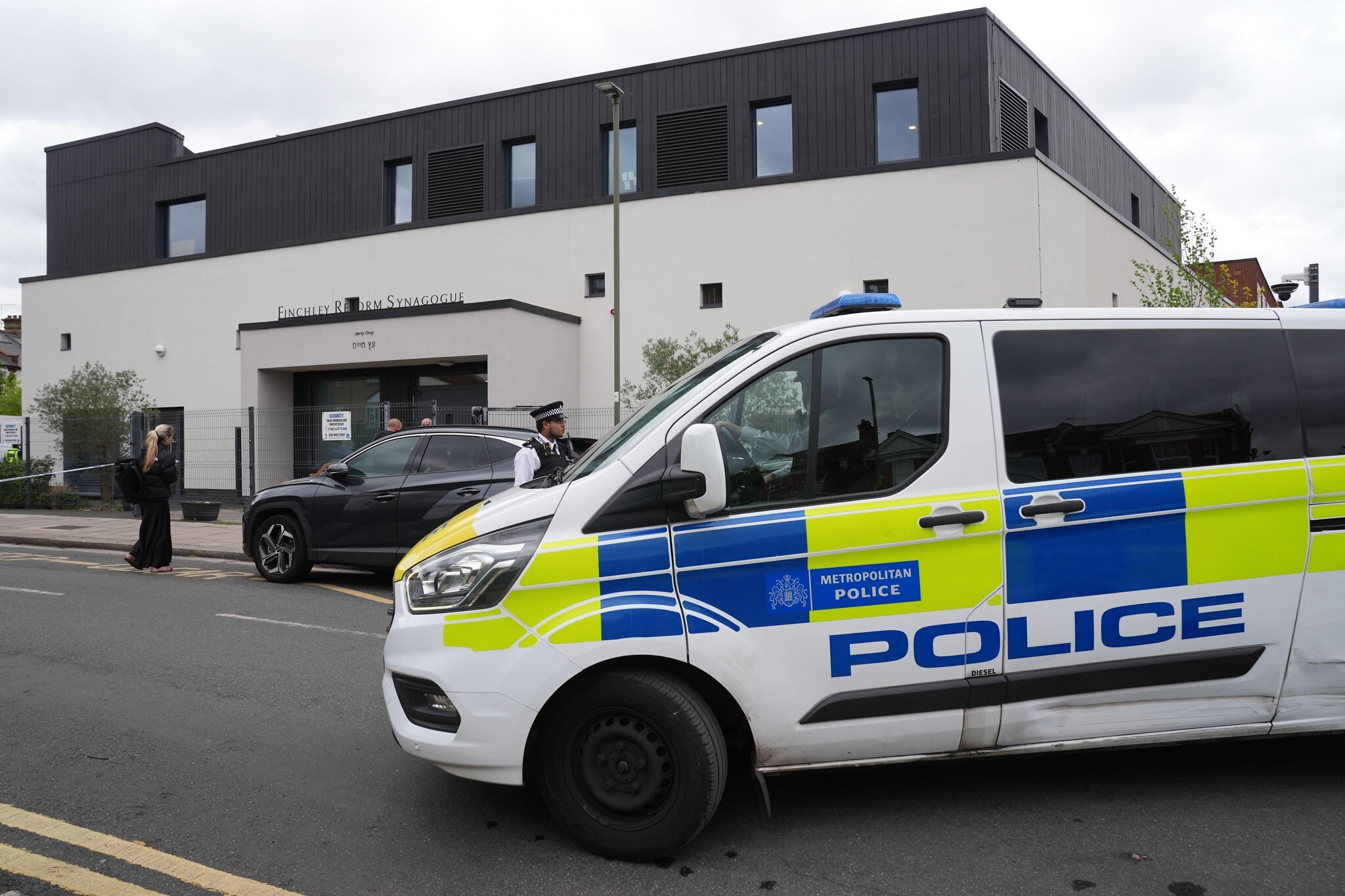
Now is not a great time to be a minority in Britain. In many ways, that is a tragic sentence to write, but it is nonetheless what the past year has illustrated very clearly to us at BMT. Hatred and hostility are rising, and both Jewish and Muslim communities are feeling the effects. Likewise other minorities.
The evidence is there in the official data. Religious hate crime has risen for a fifth year in a row to its highest level since records began. Antisemitic and anti-Muslim hate crime both recorded significant double-digit increases. But official statistics tell only a fraction of the story. Not every hateful incident crosses a criminal threshold, and more importantly, many incidents are never reported at all. At the British Muslim Trust much of our work involves going into the community to raise awareness about the importance of reporting hate –and letting victims know they are not alone; that they will be supported. That is important because we cannot respond to a problem we do not fully understand. Nor can we allow the scale or impact of hatred to disappear simply because much of it happens beyond the reach of government statistics.
However, this is not a new phenomenon – Britain has confronted this problem before. The Macpherson Inquiry, set up after the murder of Stephen Lawrence and the catastrophic failures that followed it, established an important principle: a racist incident should be recorded where it is perceived to be racist by the victim or another person. The lesson was simple but profound: institutions should not begin from the assumption that minorities have misunderstood or exaggerated the prejudice directed at them. They should listen to the people experiencing it.
I think that principle matters just as much today. Hate does not organise itself according to neat categories. An incident does not cease to concern a synagogue or mosque because it happened twenty yards outside its front door. Nor should hatred somehow cease to count because the wider protest or gathering in which it occurred was “mostly peaceful”. In other words, context matters, patterns and intent matters – so does impact.
A threat directed at a place of worship does not just affect the person who receives it. An assault outside a synagogue or mosque can reverberate through an entire community. When visible symbols of our existence are attacked – our synagogues and our mosques – the message is loud and clear: you are not welcome here. It can change how we feel walking the streets, how much freedom parents are prepared to give their children, it can make us question every daily interaction. This chips away at our lives and it hangs around for years.
That is why community monitoring is crucial. Organisations rooted in affected communities understand the impact of these incidents and see patterns that may not be visible from individual police reports. They understand the language, symbols and context through which hatred is expressed. This is not peculiar to any one community. The Community Security Trust has demonstrated over many years the importance of dedicated monitoring of antisemitism, helping Britain understand both its scale and its changing forms.
At the British Muslim Trust, we are clear that antisemitism is real, serious and growing. Jewish people should not have to moderate their concerns about antisemitism to make them acceptable to others. They should not have to prove repeatedly that their fear or anger is legitimate before the rest of society takes notice. When we see mindless attacks like the stabbings in Golders Green we stand with those affected by antisemitism and we thank those in the Jewish community who feel exactly the same way when they see the targeted stabbings in Edinburgh and the rising tide of anti-Muslim hatred. That solidarity makes a huge difference – I cannot stress this enough.
I have spent the past year learning more about hatred in all its ugly forms, and I think the truth is that if any hatred is normalised, every minority becomes less safe.
Macpherson established this important principle and it should apply to all – when communities tell us that they are experiencing prejudice, we must listen.
And there’s another principle that really matters – standing up to hate isn’t about picking a side, it’s a question of principled opposition to the forces of hatred and intolerance that seek to divide us. I hope and pray I can do this on a personal level and that we at BMT continue to work with anyone committed to building a better, fairer, more tolerant Britain where we are all seen and live as equal members of society, free from racism, hatred and prejudice.
Shabir Randeree CBE is the Chair of the British Muslim Trust

Keep community journalism free.
Jewish News is free for everyone. No paywall. No barriers. Just trusted journalism for anyone who wants to stay connected to Jewish life in Britain.
If you value that, please support us.
From as little as £5 a month, you can help keep our journalism free and accessible to all.
Every day, we report on the issues that matter to our community. We celebrate achievements, support charities, challenge antisemitism and ensure Jewish voices are heard more widely.
From as little as £5 a month, you can help us continue to:
- Report on the stories shaping Jewish life in the UK and beyond
- Bring our community together through shared stories, events and campaigns
- Celebrate the people, culture and moments that define our community
- Support organisations doing vital work across Jewish Britain
You can make a one-off donation or become a regular supporter. Every contribution helps keep our journalism free, independent and accessible to all.
If everyone who values Jewish News gave a small amount, it would make a real difference to our future.