Prefer Jewish News on Google
Why did Marilyn Monroe like working with Jewish photographers?
A major new exhibition of portraits of the blonde icon has opened in London with images by Sam Shaw, Milton Greene and Bert Stern
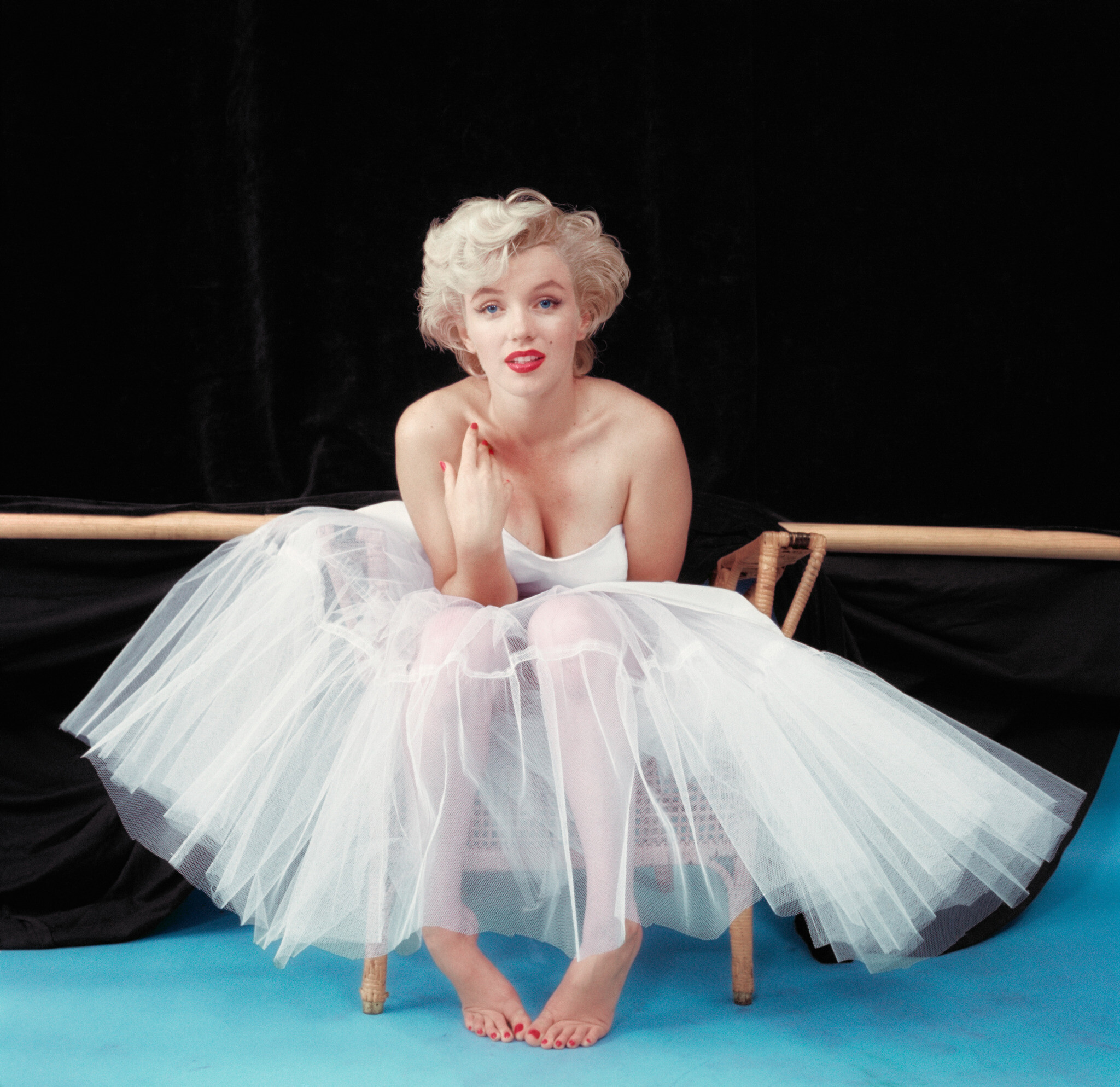
Drawn to Jewish men who had the intellect to which she aspired herself, Marilyn Monroe had many to thank for shaping her image and career as well as filling an emotional hole in her psyche.
The blonde bombshell described playwright Arthur Miller, her third husband, for whom she converted, as the first man with whom she had been really in love, and you don’t have to travel far to learn what half a dozen more Jewish snappers brought to the party.
All are showcased in a shimmering new exhibition at London’s National Portrait Gallery, but only in LA can you get an insider’s analysis from Peter Fetterman, the London-born art dealer who spent two years researching his own show of images by acclaimed photographers, many sharing an immigrant outsider background like his own.
“Empathy is so aligned with Jewish beliefs and is a trait of many of the photographers who shot Marilyn,” explains the self-described “poor boy from Hackney” who started life in Hollywood as a film-maker. “Those who struggled in their own lives and careers identified with other people who struggled.”
And the former Norma Jeane was emotionally handicapped from the moment she was born to a mentally unstable film-cutter, who surrendered her daughter’s care to others within two weeks. “She was a natural subject because of her innate beauty, but when you delve into the story of her life – being put into an orphanage, having a crazy mum and an absent father – it’s something to which these photographers were very sensitive,” says Peter.
This is why Bert Stern’s image of what looks at first glance like a crucified Marilyn, whose shock suicide at 36 was officially recorded by the coroner as “questionable”, resonates with viewers aware that her rumoured affair with JFK had made her as much of a loose cannon in political circles as Diana was to the Royal Family before her own conspiracy-surrounded death at the same age.
But the jarring, lipstick-coloured cross staking Marilyn’s body in the Stern image from her last professional shoot – his pictures were published in Vogue a week after she died – only seems imbued with baggage in light of her untimely death. Peter says: “She actually crossed that shot out; she didn’t like it, and for years had had editing rights.”
It was Milton Greene, who met her way back in 1949 and in whose family she sought refuge from studio conflicts, who first convinced Marilyn she could take control of her own image, says Peter: “He became her quasi-business manager, convincing her that she had the clout to control her own destiny. They set up a production company together.”
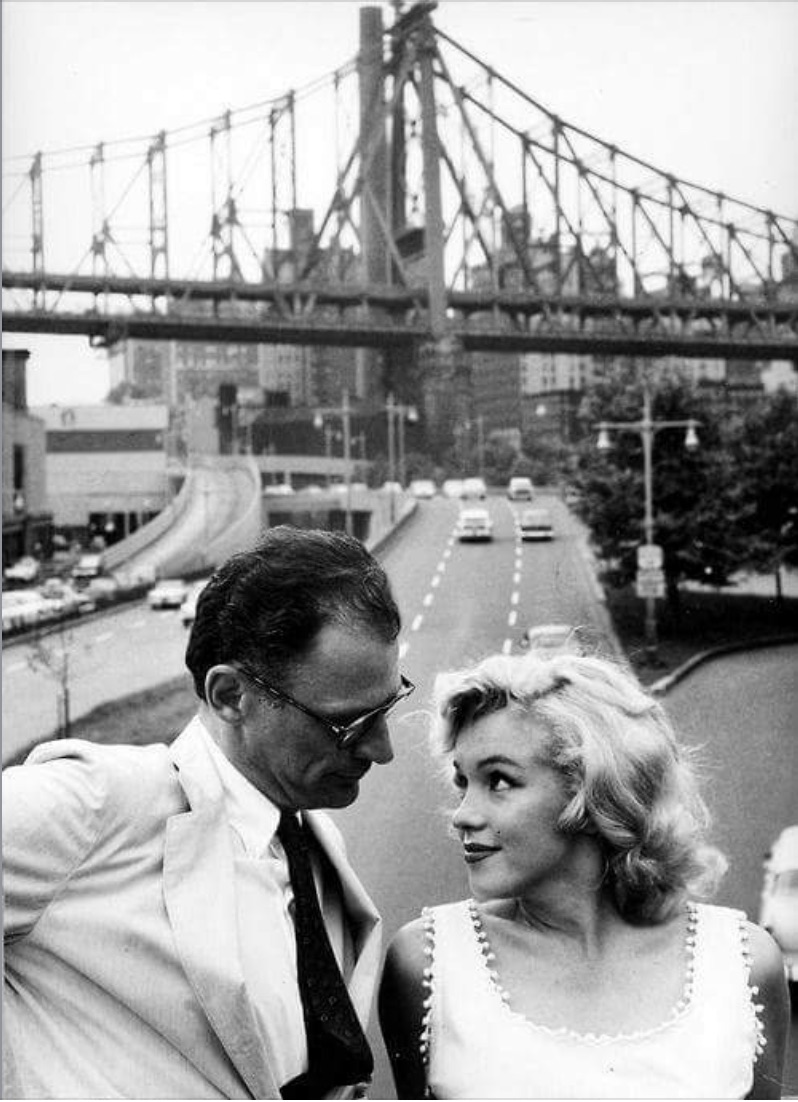
But it was Sam Shaw, whose portraits of Miller with his new Jewish bride are the most tender and intimate in both the Fetterman and London shows, who helped her to gain the respect she sought as a serious woman who was never taken seriously as she thought she deserved.
“He was a very talented, intelligent man, who was part of that New York intellectual circle Marilyn wanted to be part of. She studied at the Actors’ Studio with Lee and Paula Strasberg, and Shaw and Arthur Miller moved in that same circle. Shaw’s pictures of Marilyn and Miller are very moving, and knowing how the story ends, very sad,” adds Peter of their marriage, which despite being her longest, lasted less than five years. Marilyn invited Shaw to the couple’s Connecticut country home during the early years of their marriage, as the NPG’s tender portraits of the couple picking flowers reveal.
Even after they broke up, Marilyn stayed close to her Jewish father-in-law, bringing Isidore Miller to Madison Square Garden as her guest when she famously sang Happy Birthday to JFK in 1962, the year after her divorce.
It there is one thing that connects all the photographers who captured Marilyn so intimately, it is their intellect and a desire to create something special, says Peter, who sees them as a body of kindred spirits: “So many came from nothing and struggled to make it – great photographers with immigrant stories. That’s what makes America – the country where you can still come and achieve your dreams,” adds the man whose own career was built on self-belief after he became disillusioned with Hollywood. “Here you can always reinvent myself, and I set up my first gallery out of the back of my little Honda.”
However not every Jewish creative working with Marilyn was in love with her, notably Billy Wilder, whose rant about her “unprofessionalism” on the set of her most critically and commercially successful film Some Like It Hot, has been unveiled in a new Marilyn Monroe exhibition at Hollywood’s Academy Museum.
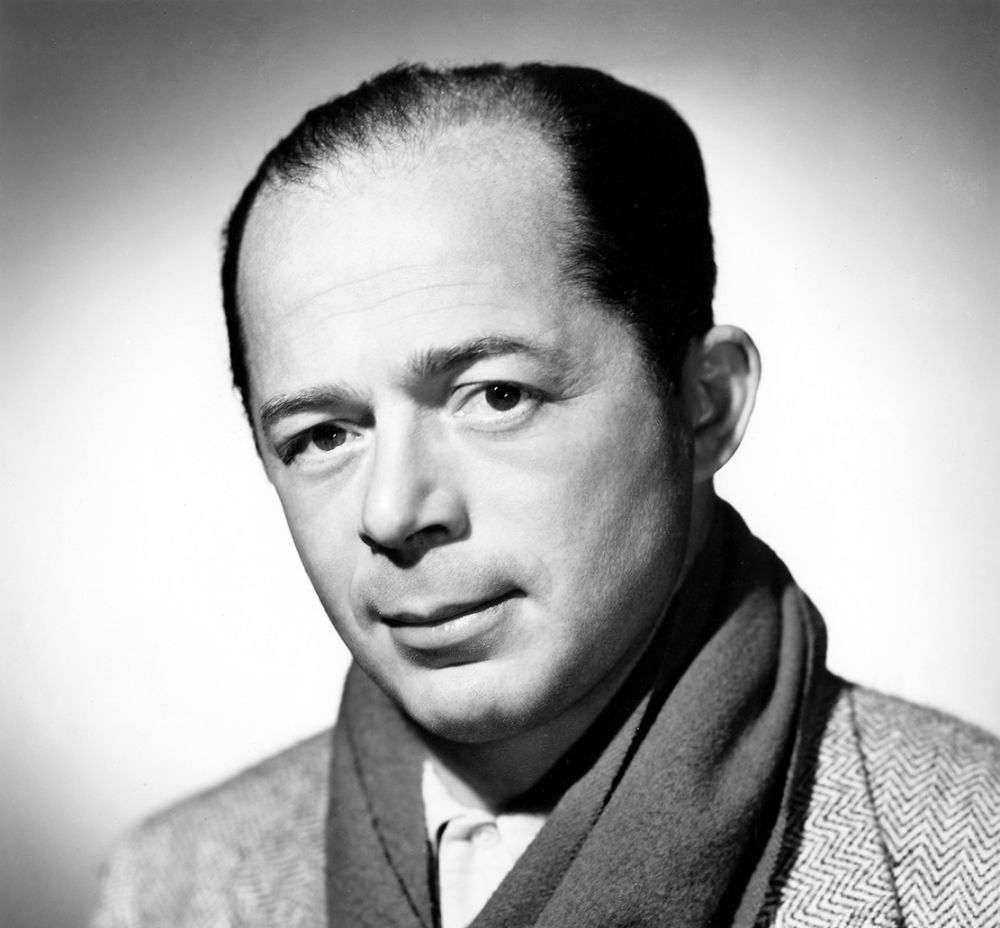
“From the first day… her chronic tardiness and unpreparedness cost us 18 shooting days and hundreds of thousands of dollars,” he complained about the troubled shoot that culminated in his pregnant star’s miscarriage. The director’s whining telegram to Miller provoked a robust rebuff: “I cannot let your vicious attack on Marilyn go unchallenged,” the loyal husband telegraphed back. “You were officially informed by Marilyn’s physician that she was not able to work a full day. You chose to ignore that fact during the making of the film and worse yet, assiduously avoided mentioning it in your attack on her.”
Commenting that her miscarriage began within 12 hours of the last shooting day,” he continued: “Now that the hit for which she is so largely responsible is in your hands and your income for it assured, this attack on her is contemptible… you are an unjust man and a cruel one.”
With typical barbed wit, Wilder sent his own return telegram: “In order to hasten the burial of the hatchet I hereby acknowledge that good wife Marilyn is a unique personality and that I am the beast of Belsen.”
Marilyn Monroe: A Silent Life is at the Peter Fetterman Gallery in LA until 5 September; Marilyn Monroe: A Portrait is at the National Portrait Gallery until 6 September

Keep community journalism free.
Jewish News is free for everyone. No paywall. No barriers. Just trusted journalism for anyone who wants to stay connected to Jewish life in Britain.
If you value that, please support us.
From as little as £5 a month, you can help keep our journalism free and accessible to all.
Every day, we report on the issues that matter to our community. We celebrate achievements, support charities, challenge antisemitism and ensure Jewish voices are heard more widely.
From as little as £5 a month, you can help us continue to:
- Report on the stories shaping Jewish life in the UK and beyond
- Bring our community together through shared stories, events and campaigns
- Celebrate the people, culture and moments that define our community
- Support organisations doing vital work across Jewish Britain
You can make a one-off donation or become a regular supporter. Every contribution helps keep our journalism free, independent and accessible to all.
If everyone who values Jewish News gave a small amount, it would make a real difference to our future.