Prefer Jewish News on Google
Why faith leaders’ words carry real consequences in tense times
The Archbishop of York’s recent remarks on Israel and Palestine reflect a deep concern for human suffering
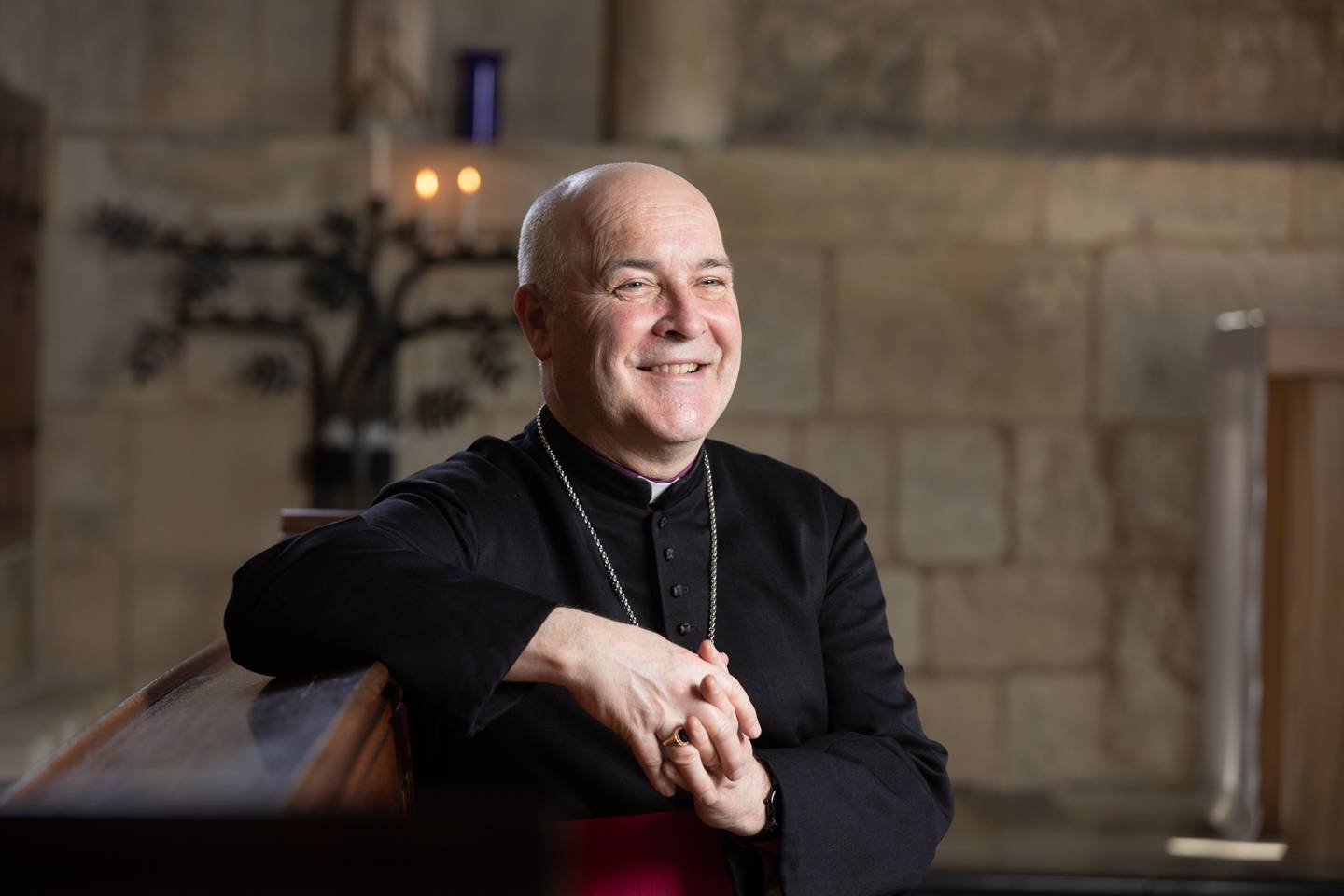
Witnessing the devastation in Gaza, the hardships faced by Palestinians in the West Bank, and the particular vulnerabilities of Christian Palestinians moves the conscience of anyone who engages with these realities. Compassion for the suffering of others is a core calling for faith leaders, and it is right to name it publicly.
At the same time, the language he chose in describing Israeli actions in Gaza as “genocidal acts” and events in the West Bank as “ethnic cleansing” carries consequences beyond the immediate audience.
Words spoken from the highest levels of the Church reach communities across the UK, and in moments like these, they are felt keenly.
Jewish and Muslim communities are already living with fear, grief, and heightened anxiety. Antisemitism and Islamophobia are rising, and charged language, however well-intentioned, can unintentionally magnify those fears.
Public statements should highlight injustice, call for accountability, and affirm human dignity while avoiding expressions that single out or expose particular communities to blame or fear. Leadership in a plural society comes with responsibilities that extend beyond intention: it requires attention to effect, as well as principle.



We cannot ignore that 7 October brought unimaginable violence. The Hamas attacks on Israel murdered civilians, created trauma, and left families grieving. Hostages remain in captivity, and the ongoing threat of terrorism continues to shape fear across Israel and among Jewish communities worldwide. These realities are central to any ethical reckoning. Moral clarity must confront them as fully as it confronts the suffering of Palestinians. Leadership that ignores the harm caused by Hamas risks appearing selective or partial, which undermines the trust needed to hold communities together.
Language shapes the environment in which social cohesion can flourish. If words inflame, they undermine the very purpose of faith leadership. If carefully considered, they can help communities preserve fragile relationships and create space for dialogue. The difference is not abstract; it is deeply practical. People’s sense of safety and belonging is influenced by the way public figures speak.
Recognising suffering and calling for accountability are vital, but they are most effective when expressed in ways that do not close off dialogue or exacerbate fear. Language matters because it touches lives directly. Choosing our language well is as much a part of leadership as the compassion that inspires it.
The work of sustaining trust and understanding between communities is ongoing. It is carried out quietly, in everyday spaces where people meet, listen, and support one another. This work is neither optional nor simple, but it cannot bear the weight of public polarisation.
Interfaith engagement is not a symbolic exercise. It is a long-term, relational practice that requires deliberate support.
Faith communities in the UK already possess the knowledge and networks to hold these difficult conversations. They do not need a new blueprint or an “Interfaith 2.0”. They need recognition and resources to continue the work they are already engaged in.
- Rabbi Charley Baginsky and Rabbi Josh Levy are Co-Leads of Progressive Judaism

Keep community journalism free.
Jewish News is free for everyone. No paywall. No barriers. Just trusted journalism for anyone who wants to stay connected to Jewish life in Britain.
If you value that, please support us.
From as little as £5 a month, you can help keep our journalism free and accessible to all.
Every day, we report on the issues that matter to our community. We celebrate achievements, support charities, challenge antisemitism and ensure Jewish voices are heard more widely.
From as little as £5 a month, you can help us continue to:
- Report on the stories shaping Jewish life in the UK and beyond
- Bring our community together through shared stories, events and campaigns
- Celebrate the people, culture and moments that define our community
- Support organisations doing vital work across Jewish Britain
You can make a one-off donation or become a regular supporter. Every contribution helps keep our journalism free, independent and accessible to all.
If everyone who values Jewish News gave a small amount, it would make a real difference to our future.