Prefer Jewish News on Google
Why will no one screen October 8?
Director Wendy Sachs’ explosive documentary is finally available to rent in the UK - but the US box-office hit has been shunned by British broadcasters
October 8 was the number one documentary in America on its opening weekend and went on to finish 2025 as the fifth highest-grossing documentary of the year. In Britain, no cinema wants to screen it. Director Wendy Sachs’ forensic account of what followed the October 7 massacres has struggled to find UK platforms. Cinemas declined to take it. Traditional streaming deals proved elusive.
Its arrival on Amazon and Apple TV has not come through acquisition or promotional backing, but through persistence — and without marketing support. “So we’re doing our own promotion,” says Sachs plainly. The irony is not lost on her or her small team of producers. October 8 examines institutional silence and organised narrative.
Two weeks after October 7, Sachs began filming. She set herself an uncompromising deadline: to complete and release the documentary by October 7, 2024. She did.
“I didn’t sleep for two and a half years,” she says, “I put my entire life into this film.”
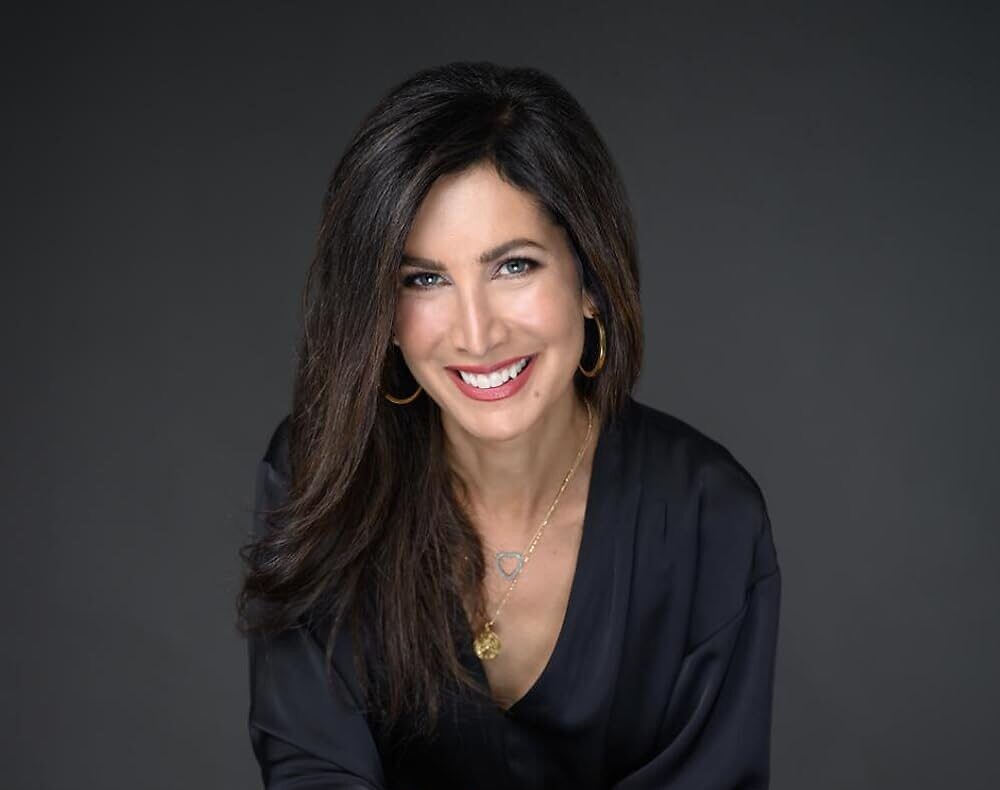
Funded mainly by private donors – 90 per cent of whom had never backed a film before – Sachs promised those donors she would secure distribution. That, she admits, in some ways has been harder than making the film.
There is a moment in October 8 when the horror of October 7 becomes the backdrop to a revelation explaining why there were marches against Israel in major Western capitals, within 24 hours of invaders killing, raping and burning Israeli civilians. Crimes Hamas terrorists recorded and released with pride – just as protesters mobilised.
That “moment” in October 8 is not footage from a kibbutz, a music festival or a roadside near Gaza. It is a hotel room in America.
Specifically, a 1993 meeting at a Marriott in Philadelphia, where an FBI wiretap captured a conversation in Arabic. On the recording, participants discuss strategy, infiltration and messaging. “Playing the long game,” says Sachs.
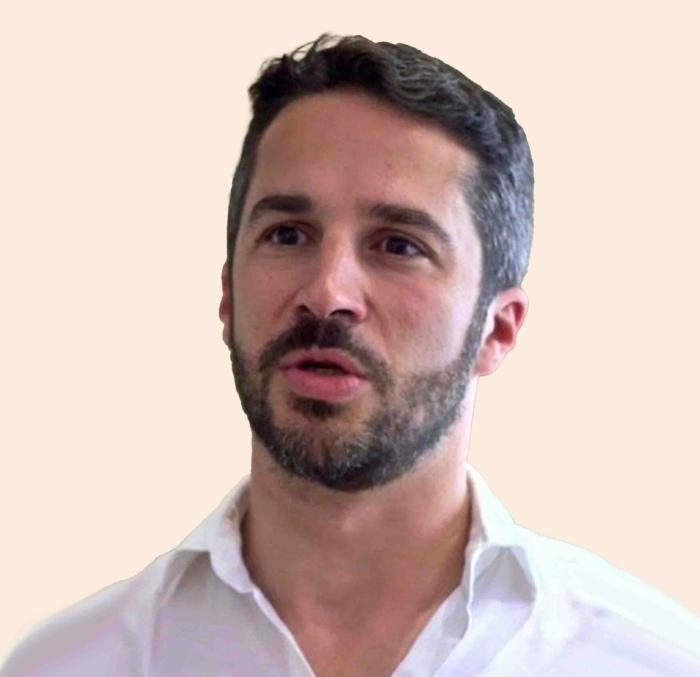
“ It reframed the entire documentary. It changed everything.” Sachs was already deep into post-production when she interviewed Lorenzo Vidino, Director of the Programme on Extremism at George Washington University’s Centre for Cyber and Homeland Security, who told her about the hotel room conversation.
“We found the recording — it wasn’t even that difficult,” she says. “Then we had it translated. And it was wild. You just think: how did I never hear about this before?”
The scene became the spine of the film. What had started as an examination of post–October 7 campus activism now appeared as the culmination of something decades in the making. The keffiyeh-clad protests of October 8, the film argues, were not spontaneous. They were organised, strategic and funded.
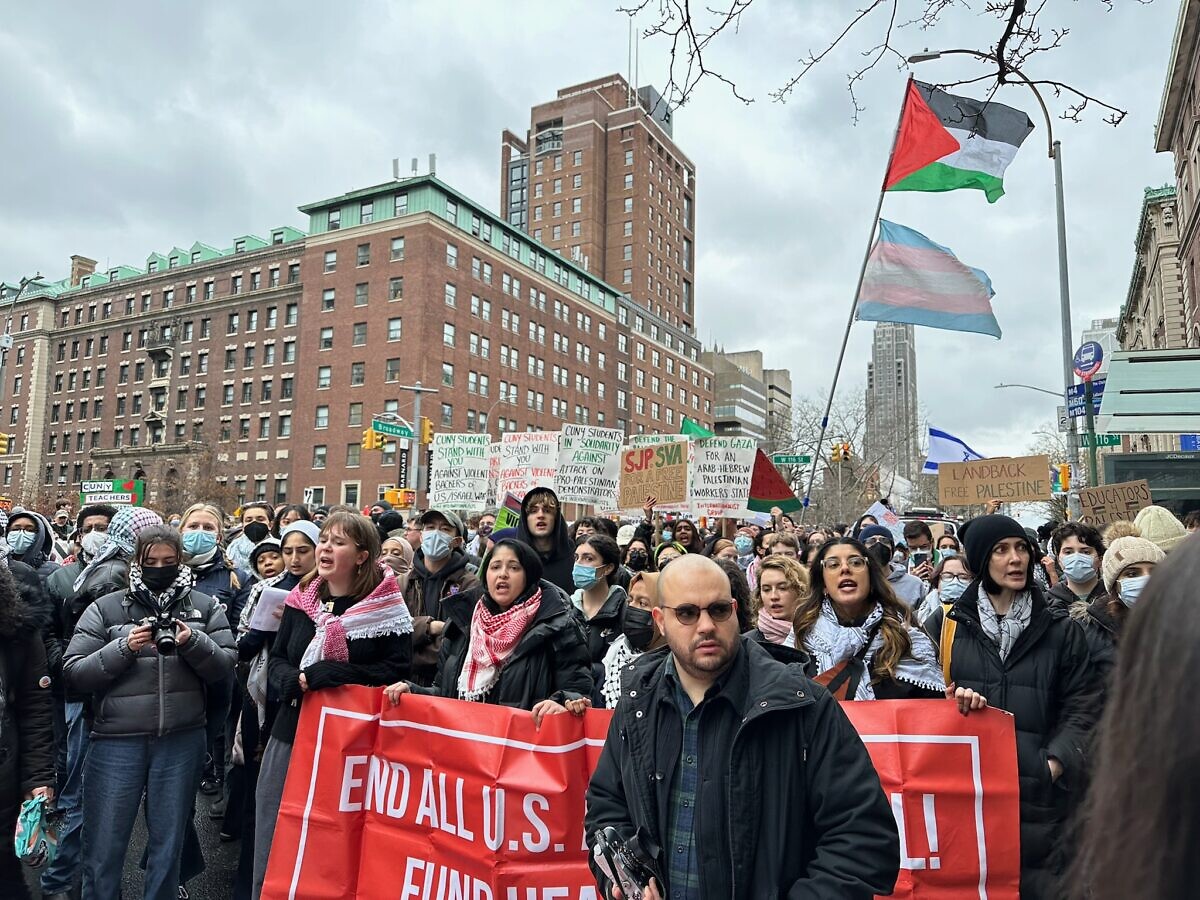 Sachs says she was stunned. “This was the evidence that showed Hamas have been hiding in plain sight.”
Her documentary traces what she describes as a convergence: Islamist networks, ideological shifts in academia, media narratives and institutional bias.
“It was a powder keg,” she says. “And it was ready to go.”
The secret Hamas meeting shapes October 8, but it the strident activist voices that give it strength. Among them actress Debra Messing, who appears prominently in the film, who Sachs did not know but noticed because of her stand online, constantly demanding the return of hostages while many in Hollywood stayed silent.
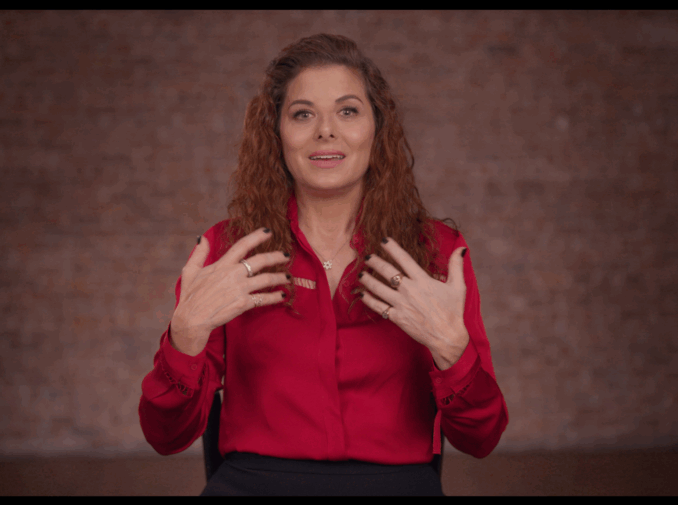
Messing later became an executive producer, helping to raise funds and amplify the project. Sachs reached out to others too — prominent Jewish figures in entertainment. Many – or is that most? did not respond.
Was she disillusioned? “No,” she says firmly. “I was determined.”
Sachs knows that the participation of established industry names would have been a plus, but wasn’t fazed because she had younger voices – “who are the heart of the film.” It is the students, campus leaders and activists facing harassment and intimidation whom Sachs admires most, for refusing to retreat. “They energised me,” she says.
The film has been screened for members of parliament, Congress and lawmakers from South Africa to Australia.
“Its’ core message extends beyond Jewish survival or Israeli politics,” says the director.
“It’s not about litigating the war in Gaza. It’s about extremism and jihadism versus democracy in the West. That’s why it resonates beyond a Jewish audience.”
The non-Jewish audience is always on Sachs’ radar for her film, which began with such working titles as Primal Scream and October Hate.
“Ultimately, I chose October 8 because, the story is about what followed. For some people, October 7 doesn’t hold the same significance as 9/11. But October 8 — that’s when the reaction happened. That’s what the film is about.”
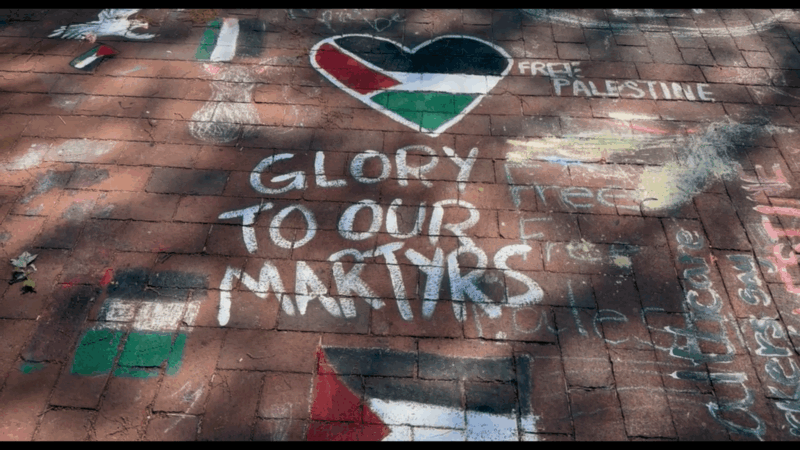 Sachs’ own connection to Israel began as a teenager on an eight-week summer programme. Raised secular, she describes that Israel experience as transformative. At Northwestern University, she recalls being both progressive and openly pro-Israel without contradiction: “Something that feels almost unimaginable today.”
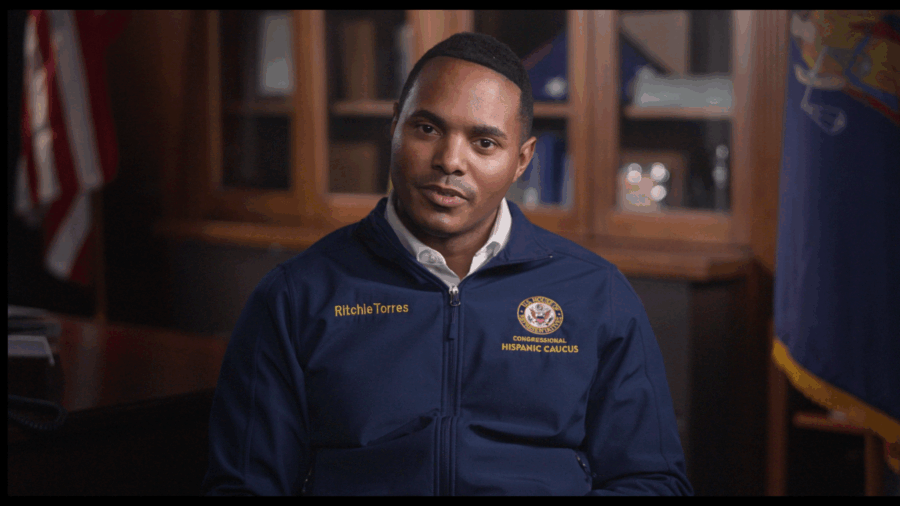
Although she anticipated intense backlash, Sachs says she has not experienced the level of targeted hostility faced by others in the film, including Michael Rapaport and Congressman Ritchie Torres, both outspoken supporters of Israel.
That said, her friendships have shifted and professional circles have narrowed. “I withdrew from certain high-profile women’s groups after October 7.” And the entertainment industry? “People are afraid to be cancelled or lose followers and that would hurt their career.”
Sachs is already deep into production on her next documentary, Poison Ivy, which she describes as a prequel “examining how ideological shifts within universities and institutions created the conditions explored in October 8.”
A further project focusing on hostages is also underway, alongside plans to launch a studio aimed at countering what she sees as an organised narrative infrastructure on the other side.
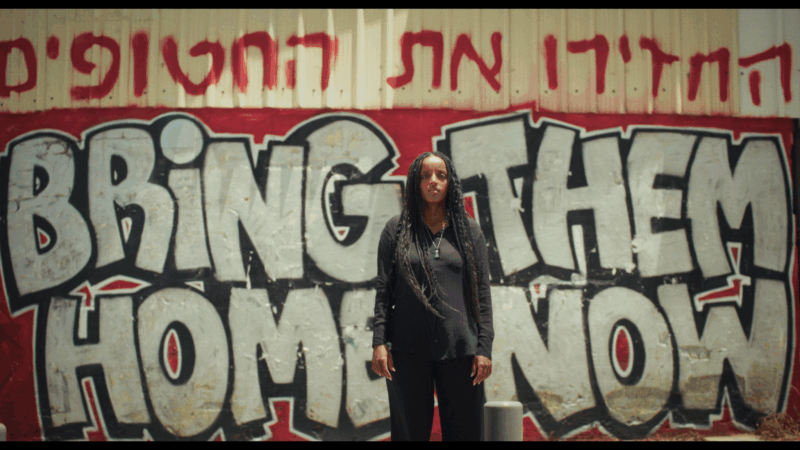
Sachs is realistic about her audience. “The haters aren’t going to watch it,” she says. “We’re trying to reach the 70 per cent in the middle.”
For Sachs, that Marriott hotel room scene lingers long after the credits roll.
“It reframes October 8 not as an emotional overreaction, but as the eruption of something strategic and sustained. Isn’t there one every weekend in London?”

Keep community journalism free.
Jewish News is free for everyone. No paywall. No barriers. Just trusted journalism for anyone who wants to stay connected to Jewish life in Britain.
If you value that, please support us.
From as little as £5 a month, you can help keep our journalism free and accessible to all.
Every day, we report on the issues that matter to our community. We celebrate achievements, support charities, challenge antisemitism and ensure Jewish voices are heard more widely.
From as little as £5 a month, you can help us continue to:
- Report on the stories shaping Jewish life in the UK and beyond
- Bring our community together through shared stories, events and campaigns
- Celebrate the people, culture and moments that define our community
- Support organisations doing vital work across Jewish Britain
You can make a one-off donation or become a regular supporter. Every contribution helps keep our journalism free, independent and accessible to all.
If everyone who values Jewish News gave a small amount, it would make a real difference to our future.