Prefer Jewish News on Google


World Diabetes Day: Why We All Need to Understand Diabetes
Diabetes might not be something you think about every day, however the chances are that it affects someone you know - a family member, friend, neighbour or colleague
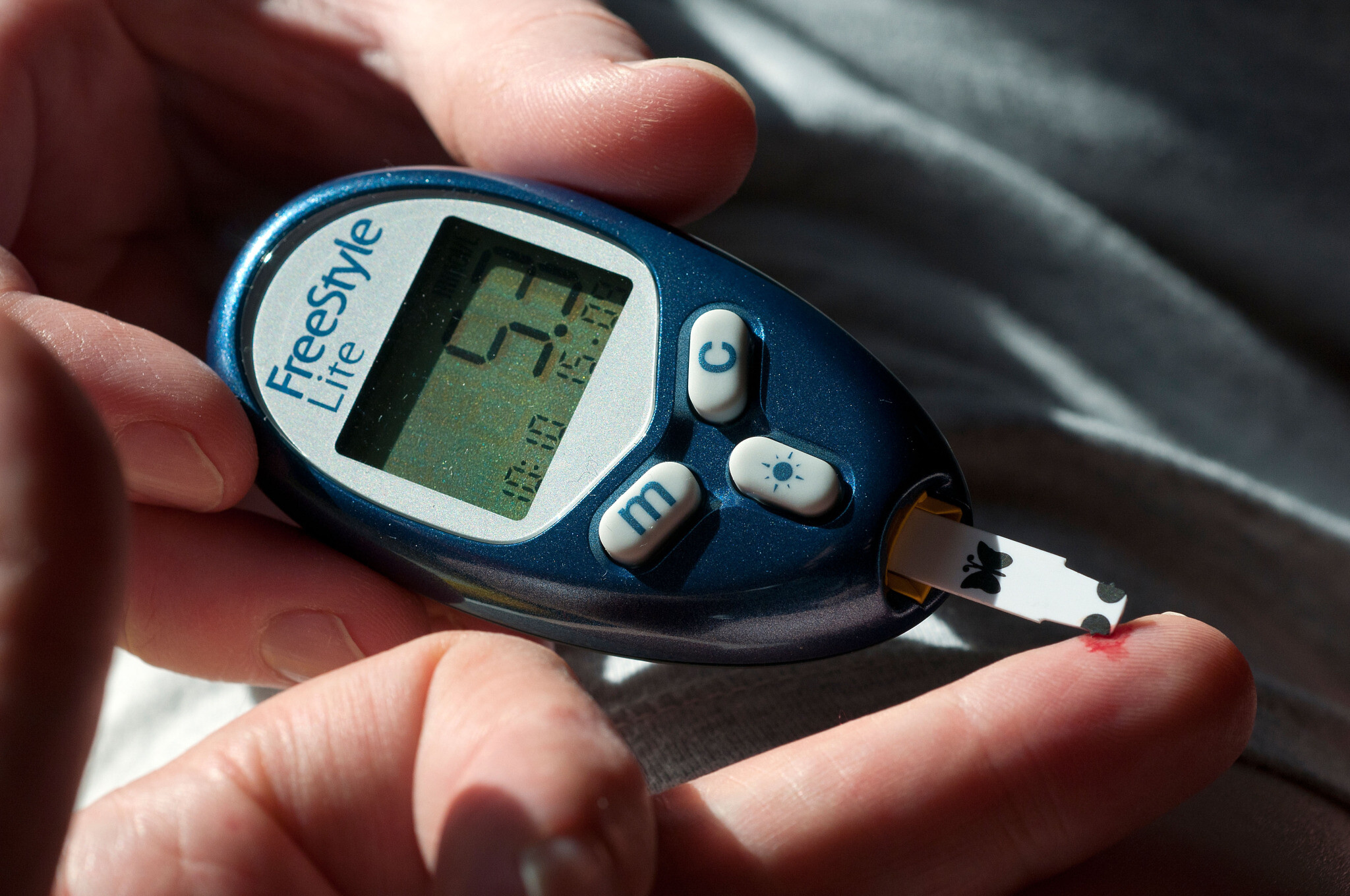
World Diabetes Day on 14 November shines a spotlight on a condition that impacts millions of people. But with many more at risk, some simple changes could help to prevent the next Diabetes diagnosis.
Diabetes might not be something you think about every day, however the chances are that it affects someone you know – a family member, friend, neighbour or colleague. As reported by Jewish News earlier this year, around 17 percent of British Jews over the age of 65 are living with diabetes, compared with around 8 percent of the wider UK population.
The latest figures from Diabetes UK make for sobering reading. Almost 6 million people in the UK are living with Diabetes, with more than 4.7 million diagnosed and an estimated 1.3 million people living with Type 2 Diabetes who are still unaware they have it. Furthermore, they believe that approximately 6.9 million people are estimated to be at increased risk of developing Type 2 Diabetes.
These numbers are considerable and serve as a reminder that Diabetes is not just a health issue for individuals or the NHS. It is something that affects families, communities and society as a whole.
So, what exactly is Diabetes?
Diabetes is a condition where the amount of glucose (sugar) in the blood becomes too high because the body cannot produce enough insulin or use it effectively. Insulin is a hormone that helps move glucose from the bloodstream into the body’s cells, where it is used for energy. When this process does not work properly, sugar builds up in the blood, which over time can damage organs and affect a person’s health.
There are different types of Diabetes; Type 1 Diabetes is an autoimmune condition and cannot currently be prevented. Type 2 Diabetes is much more common, accounting for around 90% of diagnosed cases, and is influenced by a combination of genetic, environmental and lifestyle factors.
The encouraging news is that, for many people, the risk of developing Type 2 Diabetes can be reduced.
Preventing Type 2 Diabetes does not necessarily mean expensive gym memberships, complicated diets or completely changing your lifestyle. Often, it is about making small, realistic changes that can become part of everyday life.
Here are five practical starting points that I often suggest to my patients:
- Be aware of your risk. Family history, age and ethnicity can all influence the likelihood of developing Type 2 Diabetes. Knowing your risk is important. The Diabetes UK online ‘Know Your Risk’ tool is a useful starting point.
- Look at what is on your plate. Aim to include more vegetables, fruit, beans, lentils and wholegrain foods. Simple swaps, such as choosing seeded bread or brown rice more often, can help increase the fibre in your diet.
- Choose your snacks wisely. Snacking isn’t necessarily a bad thing, but what we choose can make a difference to our overall diet. Instead of reaching for biscuits, sweets or crisps every time hunger strikes, try alternatives such as a handful of unsalted nuts, plain yogurt, fresh fruit or vegetable sticks with hummus. Keeping healthier options readily available can make it easier to make better choices throughout the day.
- Rethink sugary drinks. Fizzy drinks, sweetened coffees and energy drinks can contain surprisingly large amounts of sugar. Choosing water or sugar-free alternatives more often is a straightforward change.
- Take a 10-minute walk after meals. You don’t need to run a marathon or spend hours in the gym. A short, brisk walk after lunch or dinner is an easy way to build more movement into your day.
It is also worth knowing that early Type 2 Diabetes can have very few noticeable symptoms. Increased thirst, frequent urination, tiredness and unexplained weight loss are among the possible warning signs. Anyone concerned should speak to their GP.
Through my clinical work, I see first-hand how conditions such as Diabetes can affect people in very different ways. No two patient’s experiences are the same, and behind every diagnosis is an individual with their own circumstances, concerns and needs. This is why awareness, understanding and a compassionate approach are so important.
World Diabetes Day is an opportunity for all of us to stop and think about our health, challenge misconceptions and share information.
Perhaps the most important message is that prevention does not have to start with a dramatic lifestyle overhaul. It can begin with a walk, a minor change to a meal or simply taking an interest in your own health.
This World Diabetes Day, let’s make awareness count. Knowing your risk and making small changes today, could help make a large difference to your health tomorrow.
Heather Daniels is a registered dietitian.

Keep community journalism free.
Jewish News is free for everyone. No paywall. No barriers. Just trusted journalism for anyone who wants to stay connected to Jewish life in Britain.
If you value that, please support us.
From as little as £5 a month, you can help keep our journalism free and accessible to all.
Every day, we report on the issues that matter to our community. We celebrate achievements, support charities, challenge antisemitism and ensure Jewish voices are heard more widely.
From as little as £5 a month, you can help us continue to:
- Report on the stories shaping Jewish life in the UK and beyond
- Bring our community together through shared stories, events and campaigns
- Celebrate the people, culture and moments that define our community
- Support organisations doing vital work across Jewish Britain
You can make a one-off donation or become a regular supporter. Every contribution helps keep our journalism free, independent and accessible to all.
If everyone who values Jewish News gave a small amount, it would make a real difference to our future.