Prefer Jewish News on Google

World ORT entrepreneur programme brings Brazilian and Ukrainian students to London
Northern and southern hemisphere winners of the organisation's Young Entrepreneurship Programme came together as teams, focused on building new business ideas from the ground up
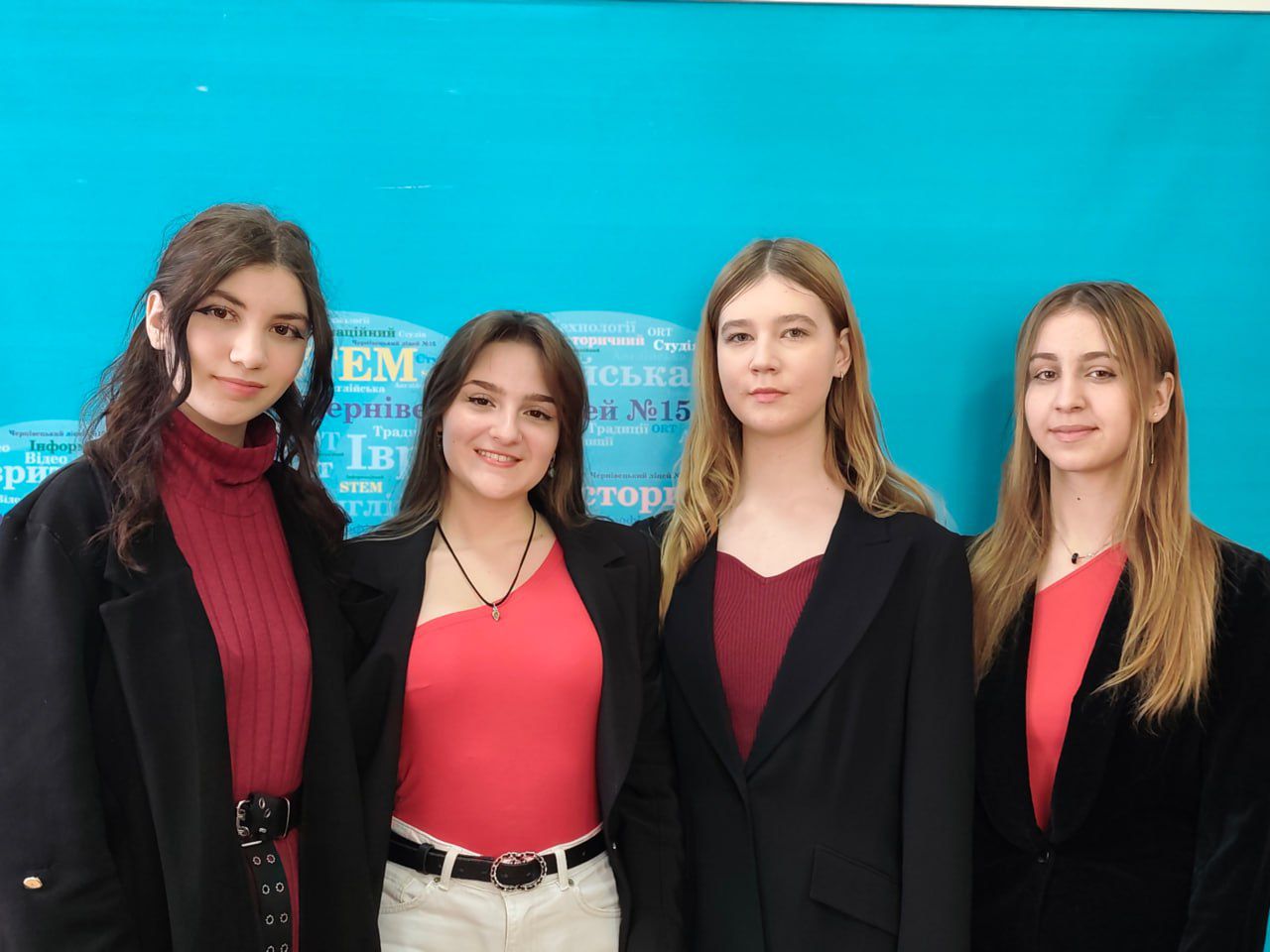
Teenagers who live thousands of miles apart sat down to work side by side at the UK hub of global Jewish education organisation World ORT last week.
Northern and southern hemisphere winners of its Young Entrepreneurship Programme (YEP) travelled to London from the ORT lyceum near Ukraine’s western border and the ORT school in Brazil.
The initiative is a six-month, school-based international programme for students aged 14 to 17, covering entrepreneurship, innovative thinking, technology, design, and problem-solving. Students write detailed business reports and defend them before expert judges; in the final event, each team is given five minutes to present a business idea built over months, before it is tested live.
On arrival in the UK, despite living on opposite sides of the equator, speaking different languages, and managing different sets of political struggles, the teams focused on building new business ideas from the ground up.
Together they learned AI-assisted “vibe coding” to turn those ideas into working websites, and sat across the table from founders, venture capital experts, and pitching specialists, professionals who do for a living what these teenagers were attempting for the first time.



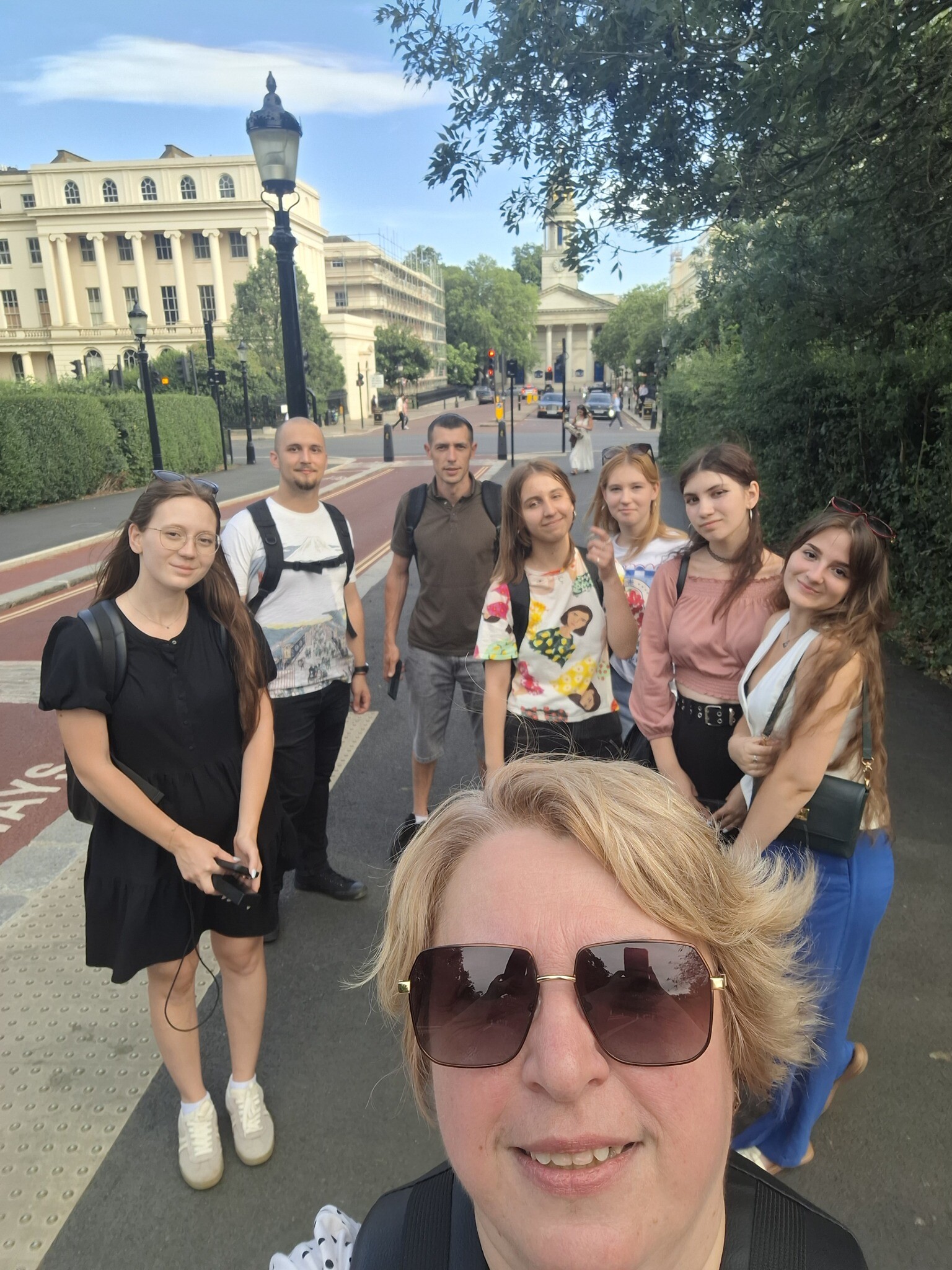
The office was only the first stop. On Wednesday, the group visited Jewish secondary school JCoSS and spoke to Year 9 and 11 students about the YEP experience and daily life in Jewish schools in Ukraine and Brazil.
On Friday, students from Hasmonean Girls’ School in London joined the YEP cohort for a collaborative session, later visiting a professional workspace to watch entrepreneurs at work.
Gabriel, 17, of Escola ORT Brazil, said: “There’s different interests, different difficulties and you have to deal with it. YEP showed me that we have to be patient and work it out together. One piece of advice I learnt here, which will help us in our future, is that we have to feel comfortable in not being comfortable. I think I’m more capable of doing that now thanks to World ORT.”
The YEP competition itself saw entries from ORT programmes in a number of countries in the northern and southern hemisphere. The winning northern hemisphere project from Ukraine, VitraTherm, converts existing windows into energy-efficient units within an hour, without a full replacement. The technology fills the space between panes with carbon dioxide through dry ice sublimation, creating a dense thermal barrier that cuts heat loss.
Team member Kate said: “The most valuable thing I took away from YEP was learning how to transform an innovative idea into a structured, viable business model. I learned how to analyse real market needs, calculate the target audience and validate a product.”
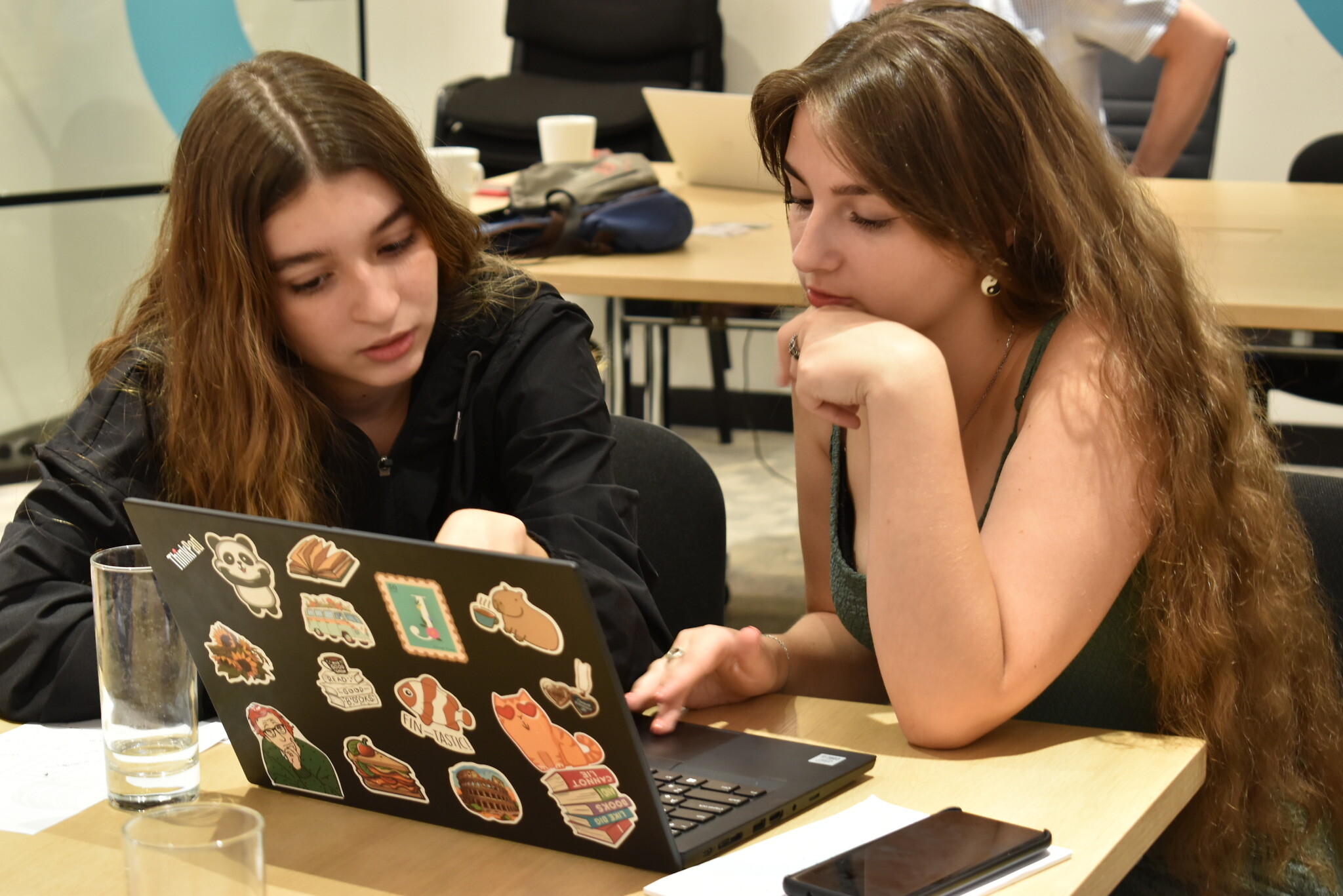
Runners-up from Colegio Hatikva of Barcelona built Savory, an app that uses AI to turn social media cooking videos into clear, step-by-step recipes, addressing the common frustration of losing a recipe seen once and never found again.
For the southern hemisphere, Escola ORT Brazil’s winning concept, Solar Access, is a social enterprise built to expand energy access for people on low incomes.
Runners-up King David School Linksfield of South Africa designed a smart safety wristband to help combat gender-based violence.
Some of this year’s YEP participants worked under circumstances most students will never face. Kfar Silver Youth Village sits just eight miles from Gaza, and its students continued through YEP despite a year of war. Two Ukrainian teams did the same: one presented from a bunker, and at least one student pitched to the judges while on holiday rather than miss her turn. All of them kept going.
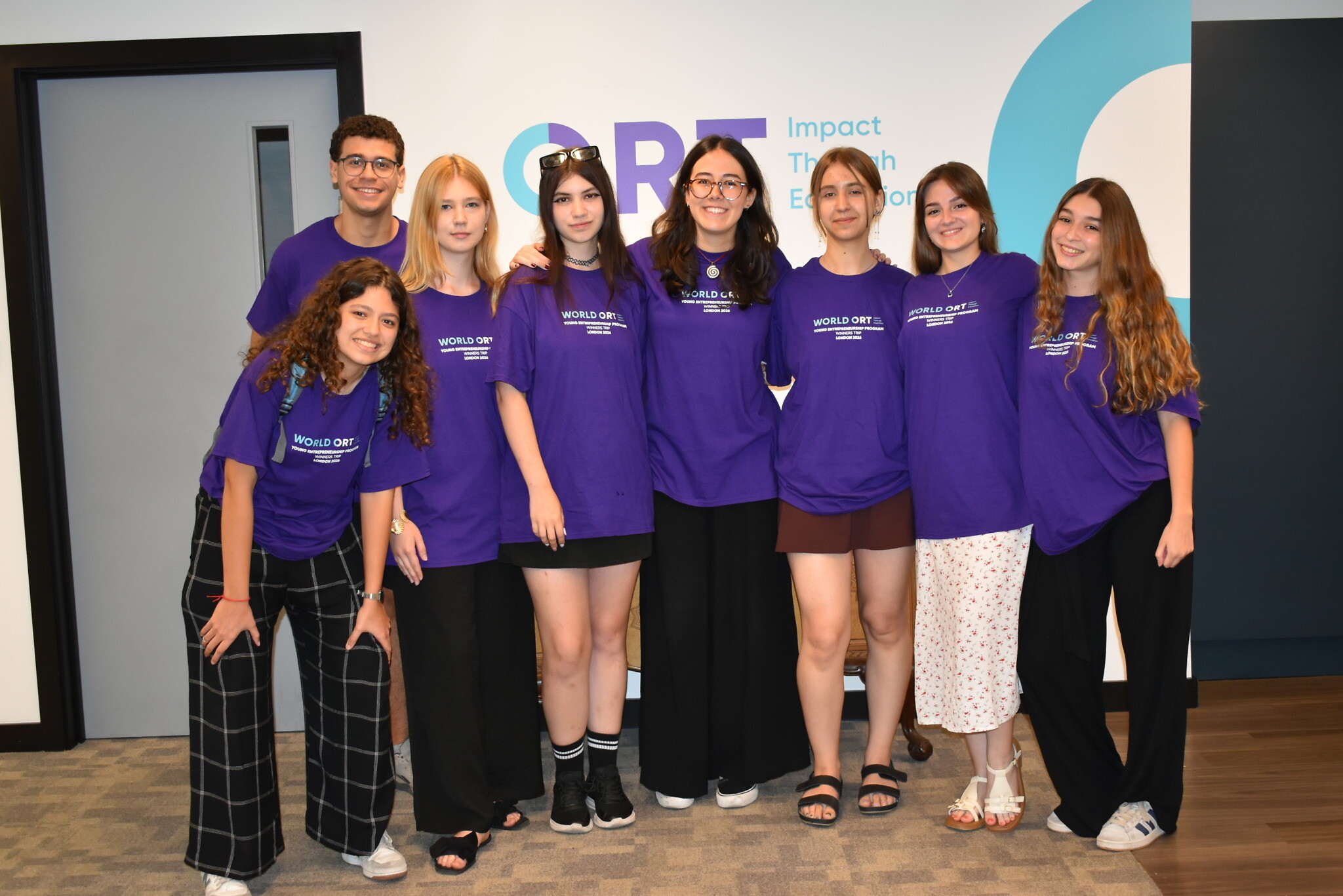
Naomi, from Instituto Dr. Jaim Weizman in Costa Rica, said: “The most valuable thing I learned while participating in YEP was how to take an idea and make it happen. I learned how important teamwork, communication, and creativity are, and how to adapt when things don’t go as planned. YEP also helped me become more confident in sharing my ideas.”
World ORT chief executive Dov Ben-Shimon said: “ORT was founded 146 years ago in very different circumstances from today. At that time, it was about giving people practical skills so they could build a future for themselves and for their families, and that idea still stands at the heart of what we do today.”
He added: “Programs like YEP bring that to life in a very modern way. Over the past few months, you have taken ideas and turned them into something real. You’ve worked in teams, you’ve made decisions, you’ve solved problems and you kept going when maybe things didn’t work out right the first time.
“These are skills that are going to stay with you whatever you go on to do. Entrepreneurship isn’t only about building a business; it’s about creating something meaningful. It’s about something that can have a positive effect on your lives and on the lives of people around you.”

Keep community journalism free.
Jewish News is free for everyone. No paywall. No barriers. Just trusted journalism for anyone who wants to stay connected to Jewish life in Britain.
If you value that, please support us.
From as little as £5 a month, you can help keep our journalism free and accessible to all.
Every day, we report on the issues that matter to our community. We celebrate achievements, support charities, challenge antisemitism and ensure Jewish voices are heard more widely.
From as little as £5 a month, you can help us continue to:
- Report on the stories shaping Jewish life in the UK and beyond
- Bring our community together through shared stories, events and campaigns
- Celebrate the people, culture and moments that define our community
- Support organisations doing vital work across Jewish Britain
You can make a one-off donation or become a regular supporter. Every contribution helps keep our journalism free, independent and accessible to all.
If everyone who values Jewish News gave a small amount, it would make a real difference to our future.