Prefer Jewish News on Google
Zoe Buckman says her Jewish identity is woven into her work
Artist and ex-wife of David Schwimmer is resolute and unashamedly herself
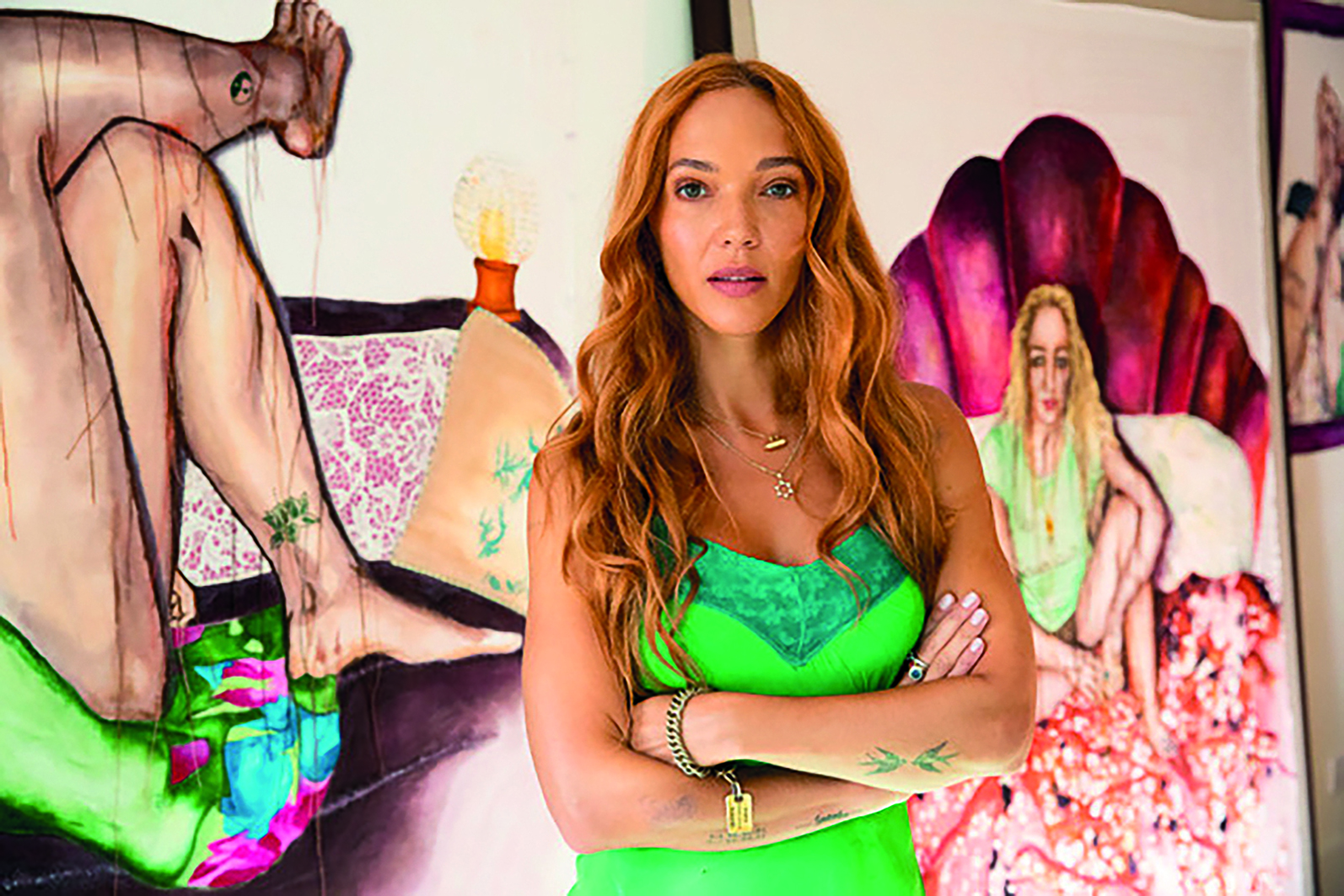
Hackney-born, Brooklyn-based Zoe Buckman is resolutely in a New York state of mind. The British Jewish multi-disciplinary 40-year-old artist has adopted the fiery, feminist armour of her adopted borough and doesn’t shy away from tackling the tough questions. Her work has always been about her own personal experiences. Most of those, she says, are “connected to being a woman. Abortion, miscarriage, birth, certain griefs and breakups, abandonments and domestic abuse”.
Zoe, the statuesque red-headed ex-wife of Friends actor David Schwimmer with whom she shares a 15-year-old daughter, has “never made work about an issue that I can’t speak to from the first person perspective, and my Jewish identity has always been woven into my work, because it’s such a big part of who I am, and especially a big part of my relationship with my mum”.
Her mother, acting coach Jennie Buckman, died on 4 January 2019 following a nine-year battle with breast cancer. It is impossible to underestimate the impact and importance of their closeness – it infuses every aspect of Zoe’s output, which spans sculpture, installation, textiles, lens-based media, ceramics and teacups, neon, painting, fragile lingerie and boxing mitts, the latter two perfectly reflecting the energy of an iron hand in a velvet glove.
“My mum and maternal line have always been such a big thing in my work,” she says.
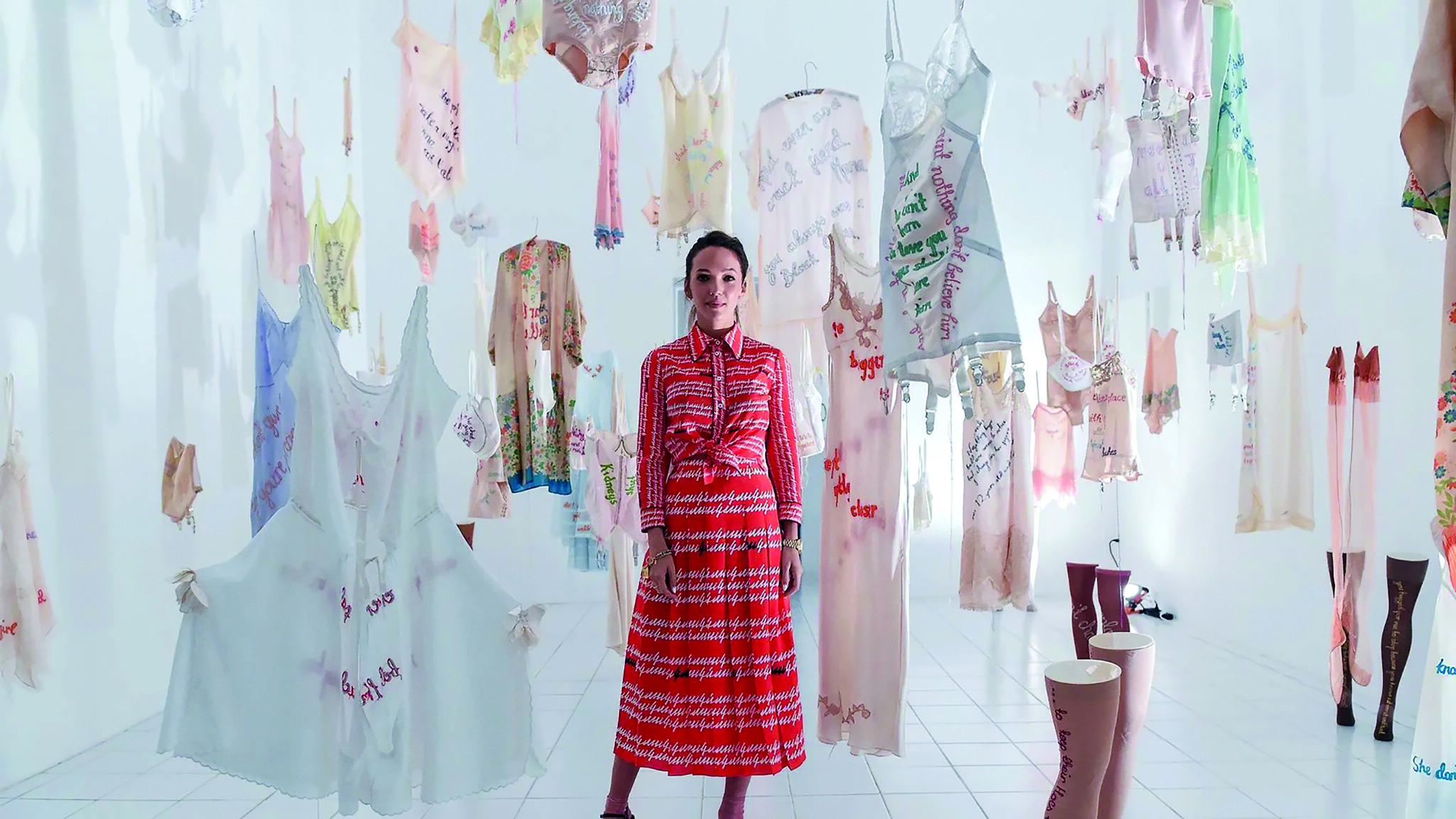 Buckman has had exhibitions at prestigious global venues including The National Portrait Gallery in London, The Institute of Contemporary Art in Miami, The Jewish Museum in her adopted NYC and The Studio Museum in Harlem.

While in the past she admits her Jewish identity “would be much more kind of subtle, like Yiddish titles for some of my pieces or little bits of my mum’s writing that had Jewish slang in it”, after her mum died, she “started to look for more Jewish community and spaces in New York.”
Before October 2023, she had started on a new series, depicting her family through painting and embroidery.
“I was,” she says, “showing all kinds of joy and resilience and softness and our complicated relationships through poems. But then, of course, after October 7, that work was viewed as highly controversial, because it was depictions of Jewish people that led to cancellations and boycotts and a whole bunch of bullying, harassment and ostracism in the art world.”
In 2025, Zoe’s former London gallery “indefinitely” scrapped her show, named after Leonard Cohen’s song Who By Fire, an adaptation of a prayer, written after his concerts for the IDF during the Yom Kippur War, over fears its focus on Jewish identity, featuring antique and vintage kippot, as well as prayer shawls, might spark “potential hostility”.
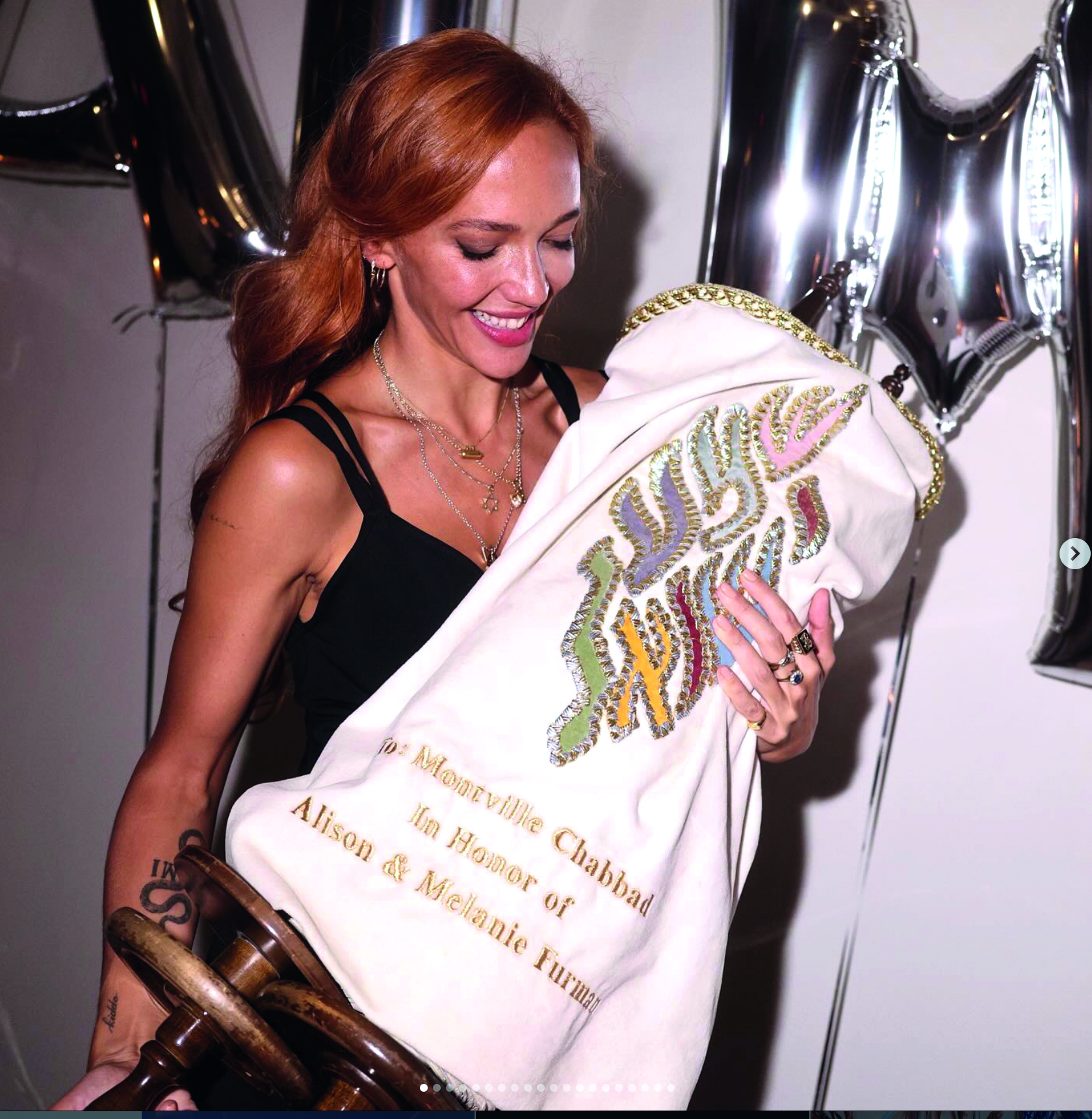
Told “we don’t want to show this work until antisemitism has died down in London”, she retorted: “I don’t think that is a viable response to any form of bigotry. Hiding the artist is not an appropriate response to potential hate.”
While she defiantly debuted the work in a solo exhibition at Miami’s Mindy Solomon Gallery, Zoe still calls this her “huge lesson phase”, being distanced as a Jewish artist who dared to put her Jewishness in the forefront of her work.
“I don’t address things that I don’t have personal experience about. I wasn’t speaking about the conflict, I wasn’t speaking about Israel, because I don’t feel equipped to handle that. And that’s not really my art to make.”
Still, she felt “scapegoated as being the contemporary artist speaking out about antisemitism. I was getting appreciation from the Jewish community and the gallery was scooping up 50 percent of every artwork that sold. But then they decided I wasn’t allowed to have my planned solo show, and they also told me that they weren’t going share my work with British curators. At which point I was like, ‘then we don’t have a relationship’. Because if you’re not doing anything for me, if you’re not giving me a show, and you’re not making introductions of my work, I don’t need to be giving you my sales.”
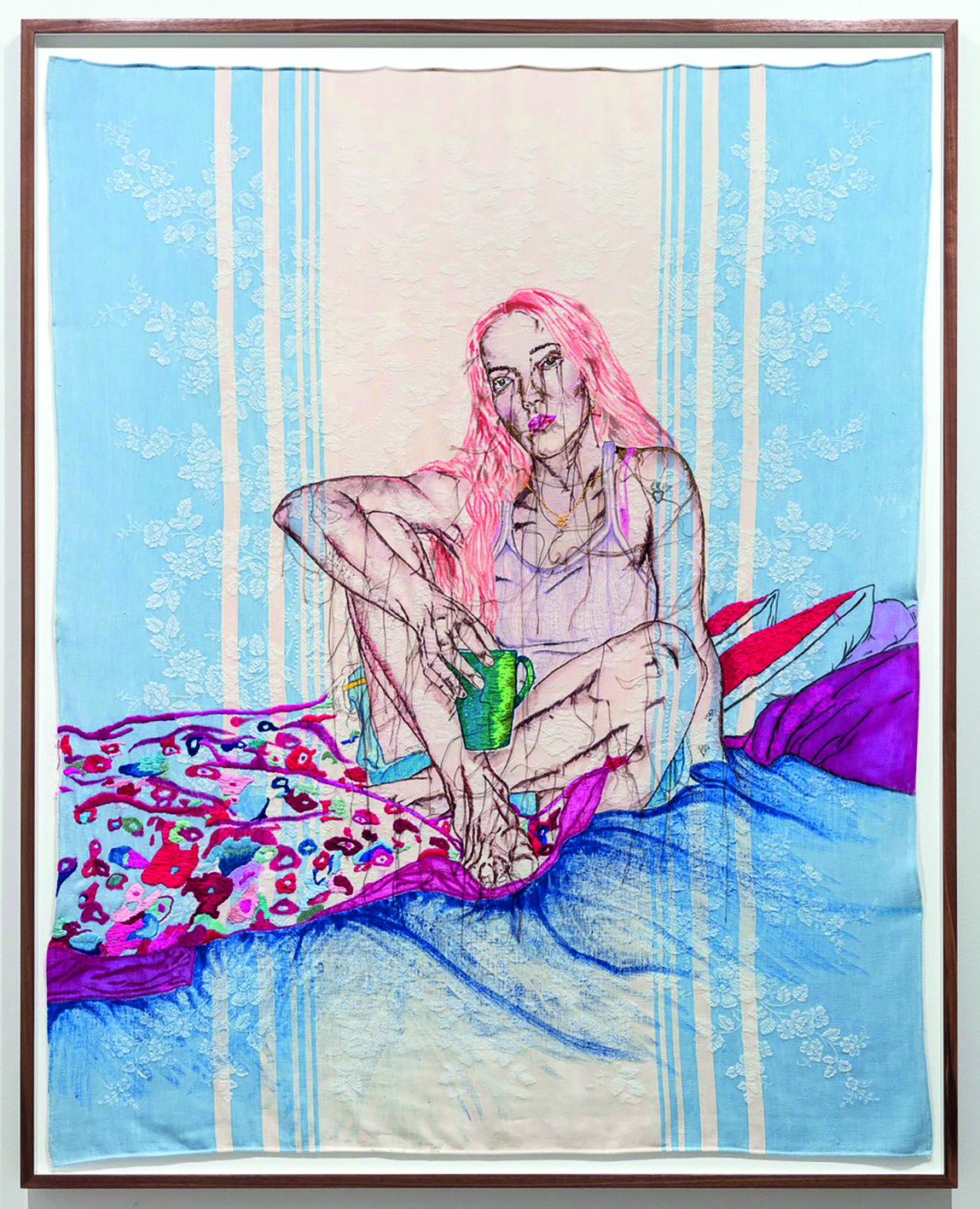
of a kettle boil, 2023
Post October 7, she lost four of her best friends in London to anti-Israel and antisemitic rhetoric. These were significant relationships of two decades and the cut was deep.
“I’m the godmother of one of their daughters. They were at my wedding (to Schwimmer). One of them performed at my mother’s funeral. They, in unison, unfollowed me on Instagram the week after October 7. I never heard from them again.”
That very brutal personal response was replicated in the art world, where she experienced “lots of similar kind of acts of ostracism and distancing, and people who I had worked with trying to cancel me.”
It left her “not wanting to go to art openings, not want to show up at certain events, because I don’t feel comfortable, because I know that there are people there who tried to ruin my career. And then, who knows what opportunities you might miss out on by essentially taking yourself out of the game in the New York art world.”
 While there have definitely been moments in the past almost three years where she’s “felt really distressed, 100 percent I know my mum would be proud. I also know that she just wants me to be happy and at peace. I’m almost certain that she would have implored me to stop fighting the fight, because it’s affecting my mental health and my safety.”
Co-parenting with David, they have both “set a really good example about being impassioned but not reactive; learning when to speak up and when to prioritise your own space and silence.”
When it comes to standing up in person or on socials for Israel and the wider Jewish community, Schwimmer “will often run it by me before posting. We both share that same sense of urgency and wanting to do what we can.”
She’s acutely aware of the horrific surge in antisemitism in London, but recent events, coupled with the desertion and ghosting by her best friends, has made her “less compelled to get on a flight and spend the money and be there”, despite her family and “favourite people in the world” still being there.
“It’s definitely an important time to be an artist, for folks to be doing what they can, to combat antisemitism. For some, that means being vocal; it means donating their time or expertise, their research, resources or their contacts. Everyone needs to be doing something, because there are no allies.”
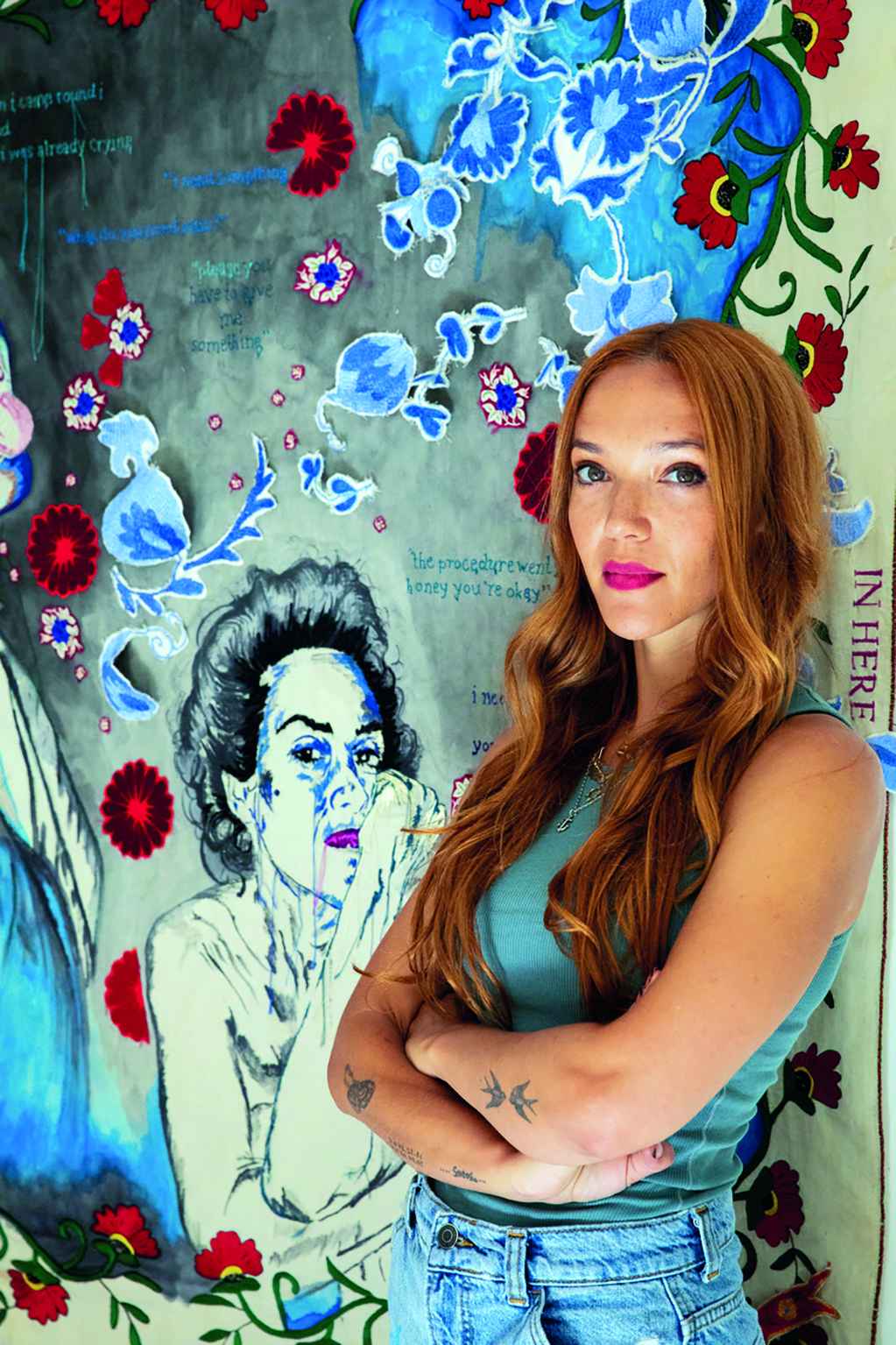
Sending various images of her work to accompany this piece, together with a striking picture of her, tattooed and toned arms folded, wearing a gold Magen David necklace, with Raphaelite curls framing a heart-shaped face, she writes “thank you”, finally signing off with “Big Love!”, in a very Zoe Buckman like-fashion.
- Zoe Buckman will be honoured by BFAMI’s Women in Art lunch in London in this month, with all proceeds going towards art education, therapy and multicultural programmes run by the art museums of Israel.

Keep community journalism free.
Jewish News is free for everyone. No paywall. No barriers. Just trusted journalism for anyone who wants to stay connected to Jewish life in Britain.
If you value that, please support us.
From as little as £5 a month, you can help keep our journalism free and accessible to all.
Every day, we report on the issues that matter to our community. We celebrate achievements, support charities, challenge antisemitism and ensure Jewish voices are heard more widely.
From as little as £5 a month, you can help us continue to:
- Report on the stories shaping Jewish life in the UK and beyond
- Bring our community together through shared stories, events and campaigns
- Celebrate the people, culture and moments that define our community
- Support organisations doing vital work across Jewish Britain
You can make a one-off donation or become a regular supporter. Every contribution helps keep our journalism free, independent and accessible to all.
If everyone who values Jewish News gave a small amount, it would make a real difference to our future.