Prefer Jewish News on Google

6 Jewish takeaways from the midterm elections
What the Democratic landslide means for Trump, Netanyahu, Jeffries, Schumer – and Jewish presidential contenders
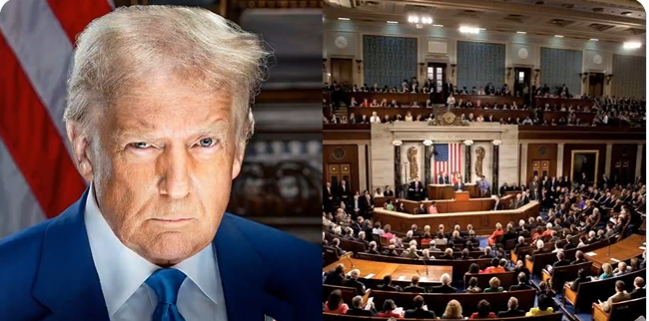
The sheer size and geographic scope of the Republican wipeout Tuesday makes it hard to read anything definitive into the results beyond a nationwide repudiation of President Donald Trump (and his candidate selections). But whether or not any other factors were at play in the GOP bloodbath, the fallout will have a range of reverberations. Here are 6 takeaways that point to what comes next.
1. A significantly weakened Donald Trump doesn’t bode well for Netanyahu
For Prime Minister Benjamin Netanyahu, Trump has been a longshot bet that keeps on paying off. It’s hard to overstate how significant Trump’s improbable wins in 2016 and 2024 were in bolstering Netanyahu’s domestic standing and giving him space to advance his regional agenda. Trump also served as a security blanket, leaving Netanyahu and his allies with a sense for many years that they didn’t need to worry too much about skyrocketing Democratic and international anger with Israel.
In fact, there was even a hope in Bibi world that The Donald’s support could save Netanyahu from political defeat at home (and, to be fair, his 11th-hour endorsement may have). Whether Netanyahu holds on or chief rival Gadi Eisenkot succeeds in replacing him, Israel is entering uncharted territory. There is little chance that the combination of a weakened Trump and an emboldened Democratic Congress produces similar levels of support for aggressive action against Iran and its proxies, and other policies that a wide spectrum of Israelis see as crucial to their security.
2. Jeffries and Schumer have a massive headache coming their way
With Tuesday night’s Democratic wave, Hakeem Jeffries is on track to become Speaker of the U.S. House of Representatives and Chuck Schumer will likely get a second shot as U.S. Senate Majority Leader. These New Yorkers have longstanding ties to the pro-Israel community and are among their party’s strongest Israel supporters – putting them at odds with the growing number of congressional Democrats who want their party to take a much harder line against Israel. It won’t be long before members in each caucus are demanding concrete action, including meaningful limits on U.S. military sales.
Both Democratic leaders have ratcheted up their criticism of Prime Minister Benjamin Netanyahu and his government in the wake of its war on Hamas in Gaza, but they have ultimately voted against various legislative attempts to punish Israel. This past April, Schumer was one of only seven Senate Democrats to vote against a pair of resolutions that together would have blocked the sale of D-9 bulldozers, widely used in military operations, and 1,000-pound bombs to Israel. In July, Jeffries voted against ending U.S. military aid to Israel, but the measure was supported by almost half of the Democratic caucus. As leaders of their respective chambers, Jeffries and Schumer will likely face immense pressure to bring more anti-Israel legislation to the floor and face much tougher scrutiny from the party base over continued support for Israel.



3. The impact of the anti-Israel vote was diluted
On the other hand, the massive Democratic victory dilutes the power of the anti-Israel lawmakers in Congress. Their numbers will grow, causing problems for party leaders trying to keep anti-Israel measures off the agenda. But they will remain a relatively small subset within a much larger Democratic majority that includes many moderates and Israel supporters.
Not only will anti-Israel lawmakers have less leverage over Democratic leaders, but their electoral victories will be harder to interpret as evidence of growing opposition to Israel when Democrats across the political spectrum benefited from the same wave.
4. John Fetterman just lost his juice
Just as the sizable Democratic House majority makes Jeffries less dependent on anti-Israel lawmakers in his caucus, the next Senate Majority Leader won’t need to rely on Pennsylvania Sen. John Fetterman. For years, Fetterman has been driving fellow Democrats crazy with his cozying up to Republicans, with progressives especially upset over his die-hard support for Israel. Fetterman has even said that the one thing that could cause him to leave the Democratic Senate caucus would be his party turning decisively against Israel.
Had things broken differently, with Democrats grabbing a narrow 51-49 majority, Fetterman’s influence would have been hypercharged. Now, not so much. The Democrats no longer need him to keep control of the chamber. So Schumer, should he regain the majority leader role, will have to worry much less about keeping the party’s top pro-Israel cheerleader happy. In 2028, he’ll be up for reelection and highly unlikely to survive the Democratic primary.
5. AIPAC has not found a formula for success
A few years back, the leading pro-Israel lobby decided the best way to counter the initial anti-Israel rumblings in Congress was to jump deep into the campaign fundraising business. Hundreds of millions of dollars later, the number of Israel critics in Congress – especially on the Democratic side of the aisle – has grown, with a fresh batch on the way. Moreover, in many races, anti-Israel candidates and AIPAC critics managed to turn the lobby’s backing into a liability.
Meanwhile, Trump’s seemingly impromptu announcement Tuesday that his administration would end aid to Israel after this year suggests that Republican backing for such support is dropping alongside Democrats’. And Tuesday’s results suggest AIPAC’s strong support for the U.S. and Israeli military strikes against Iran is out of step with the American public and many incoming lawmakers.
For all its money and political muscle, AIPAC has yet to find an effective response to the growing backlash against Israel across American politics.
6. It was a great night for Jewish presidential hopefuls
U.S. Sen. Jon Ossoff says he isn’t running for president in 2028. But that won’t stop the speculation from skyrocketing after his impressive reelection in Georgia – Georgia?! – with nearly 60% of the vote. More importantly, he probably just grabbed frontrunner status in the race to become America’s first Jewish president. Pennsylvania Gov. Josh Shapiro also registered a similarly sized reelection victory in a state that Trump won just two years ago, but Ossoff – a fierce Trump antagonist and, increasingly, a critic of Israel’s military actions – cemented his rock star status among Democrats this cycle and has demonstrated an ability to bridge the gap between younger progressives and more traditional liberals.
Illinois Gov. JB Pritzker also cruised to reelection. Meanwhile in Michigan, moderate Elissa Slotkin – another senator and possible presidential hopeful (of course, which senator isn’t a presidential hopeful?) – may have at least propped open the door to some progressive support by campaigning hard for Abdul El-Sayed. All four have been highly critical of Netanyahu, with both Ossoff and Slotkin joining most of their fellow Democratic senators in voting in April for a curb on various weapons sales. Both senators have declined to label Israel’s actions in Gaza as genocide.

Keep community journalism free.
Jewish News is free for everyone. No paywall. No barriers. Just trusted journalism for anyone who wants to stay connected to Jewish life in Britain.
If you value that, please support us.
From as little as £5 a month, you can help keep our journalism free and accessible to all.
Every day, we report on the issues that matter to our community. We celebrate achievements, support charities, challenge antisemitism and ensure Jewish voices are heard more widely.
From as little as £5 a month, you can help us continue to:
- Report on the stories shaping Jewish life in the UK and beyond
- Bring our community together through shared stories, events and campaigns
- Celebrate the people, culture and moments that define our community
- Support organisations doing vital work across Jewish Britain
You can make a one-off donation or become a regular supporter. Every contribution helps keep our journalism free, independent and accessible to all.
If everyone who values Jewish News gave a small amount, it would make a real difference to our future.