Prefer Jewish News on Google
Anarchy at JW3
Fifty years on , the rebels remember the role Jewish musicians, managers and mavericks had in the music that changed Britain forever
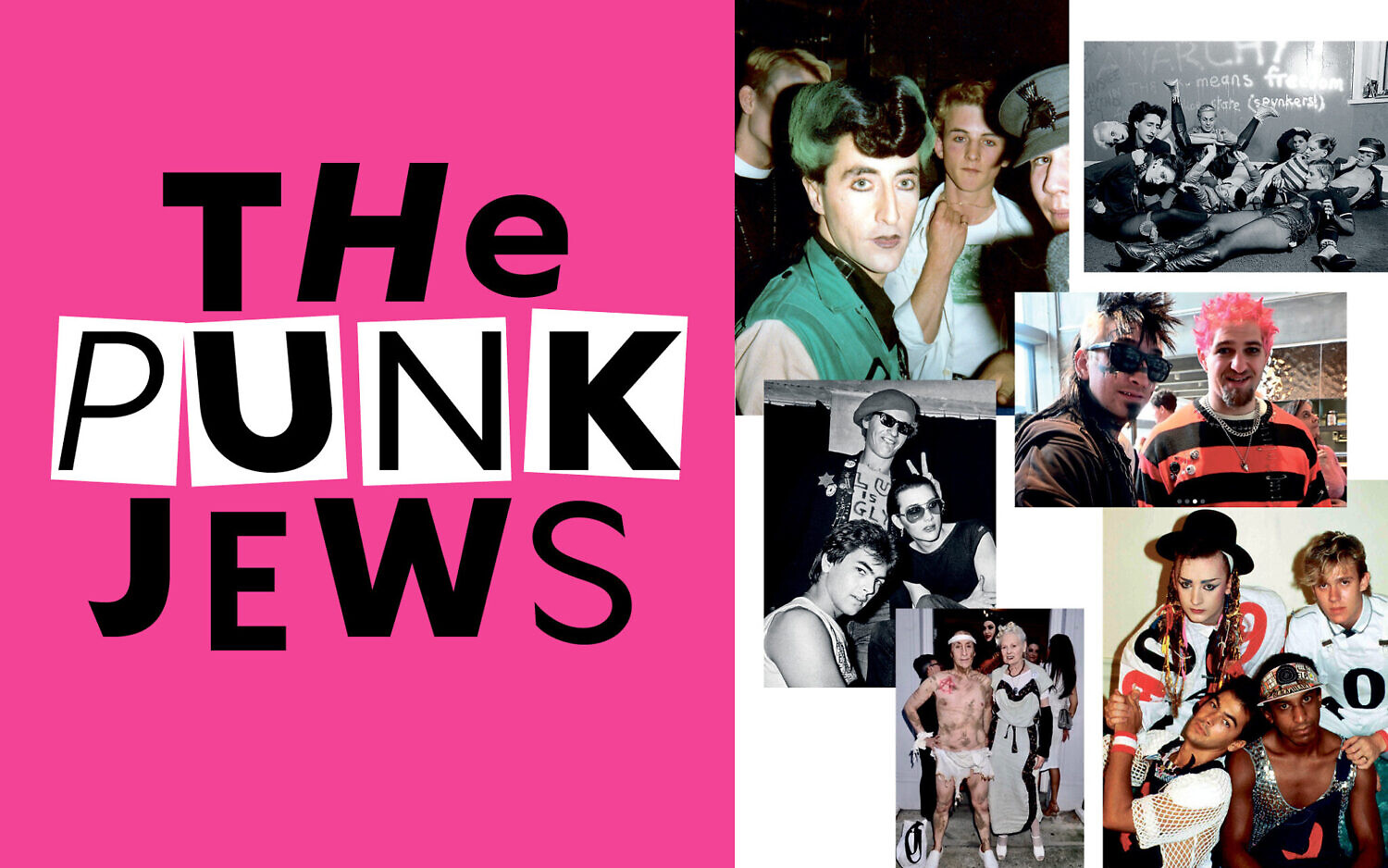
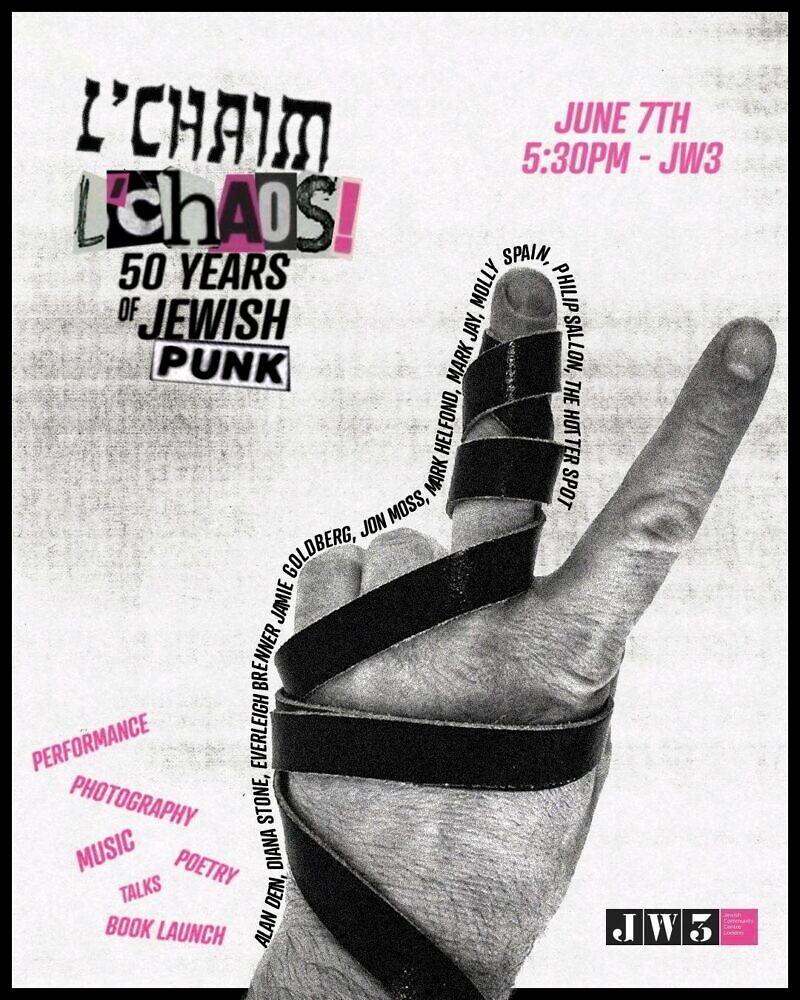
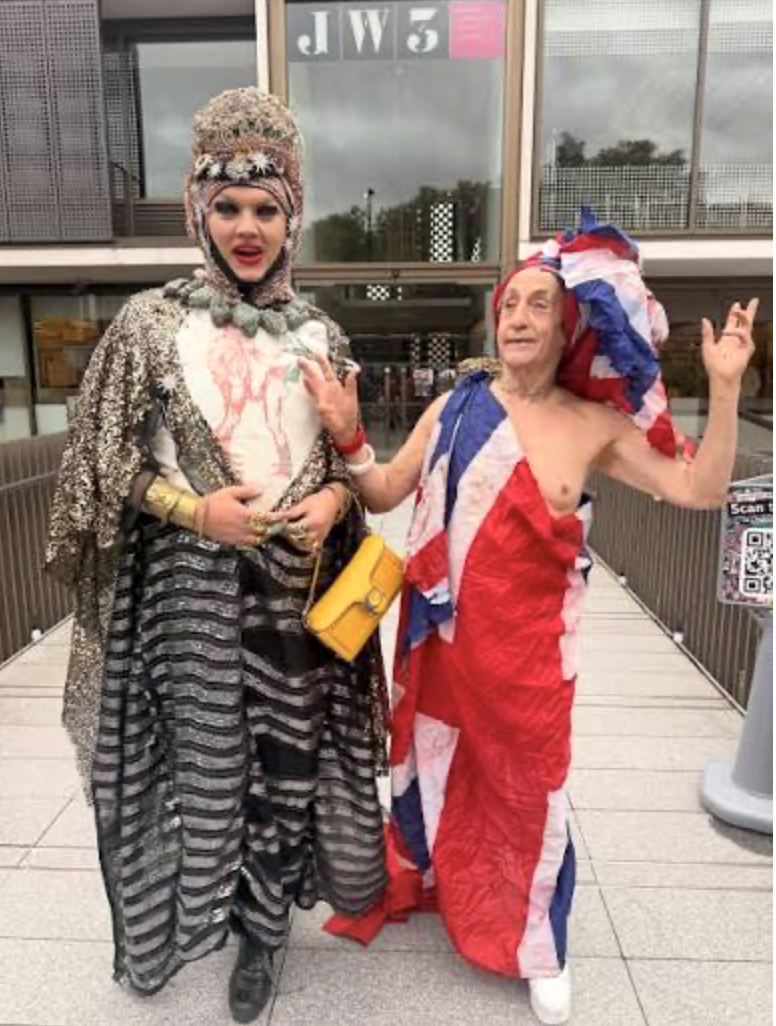
If you had wandered past JW3 on a Sunday afternoon at the start of the summer, you might have wondered whether someone had torn a hole in time.Even with the 20mph speed limit, cars slowed for a better look. Outside stood a melange of bondage trousers, zoot suits, mohicans and, towering above them in sculptural drapery, fabric artist Daniel Lismore, once described by Vogue as “England’s Most Eccentric Dresser”. For one afternoon, London’s Finchley Road was transported back to 1976 for L’Chaim/L’Chaos: 50 Years of Jewish Punk.
One suspects the late Malcolm McLaren would have approved, and perhaps even laughed. Punk’s chief architect had little time for nostalgia. He
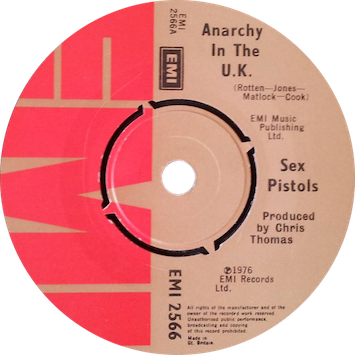
wanted to provoke, disrupt and move on before the establishment caught up. Yet 50 years after the Sex Pistols released their debut single Anarchy in the U.K. on 26 November 1976, and made a notorious appearance on Bill Grundy’s Today programme, the movement Malcolm helped to unleash can still get people who refuse to surrender their individuality to show up.
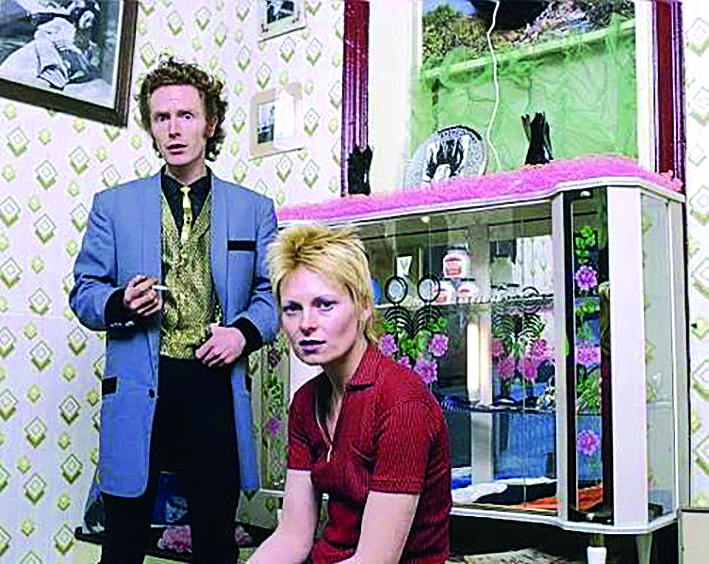
Before Malcolm McLaren became punk’s great impresario, he was a Jewish boy growing up in Stoke Newington being raised by his formidable Sephardi grandmother, Rose Corré Isaacs. It was she who encouraged him to question authority and impressed upon him a maxim he never forgot: “To be bad is good. Good is simply boring.”
Few people embodied those words more completely than Malcolm who, by the mid-1970s, had immersed himself in New York’s underground scene, briefly managing the New York Dolls before returning to Britain to detonate youth culture. Alongside his brilliant and equally uncompromising partner Vivienne Westwood, he transformed their King’s Road boutique into a place where fashion, music and rebellion fused into something new.
 Britain was never quite the same again and, among the handful of people watching from the inside, was Philip Sallon. Philip was a special guest at the JW3 soirée hosted by lifelong punk champion Mark Jay and music historian Alain Dein. Philip made quite the entrance, dressed in a Union Jack ensemble, and was soon regaling the audience with tales of his regular pilgrimages to Westwood’s shop with his sister Ruth – “she’s in the audience!”


“It was called Let It Rock then,” reminded Philip. “I walked in and thought, ‘My God, what’s this?’ It wasn’t really punk. It was more 1950s and early-’60s revival.“There was no such thing as punk then,” he barked. “It wasn’t called that. It was just a mood. A King’s Road trendy rebel mood.”
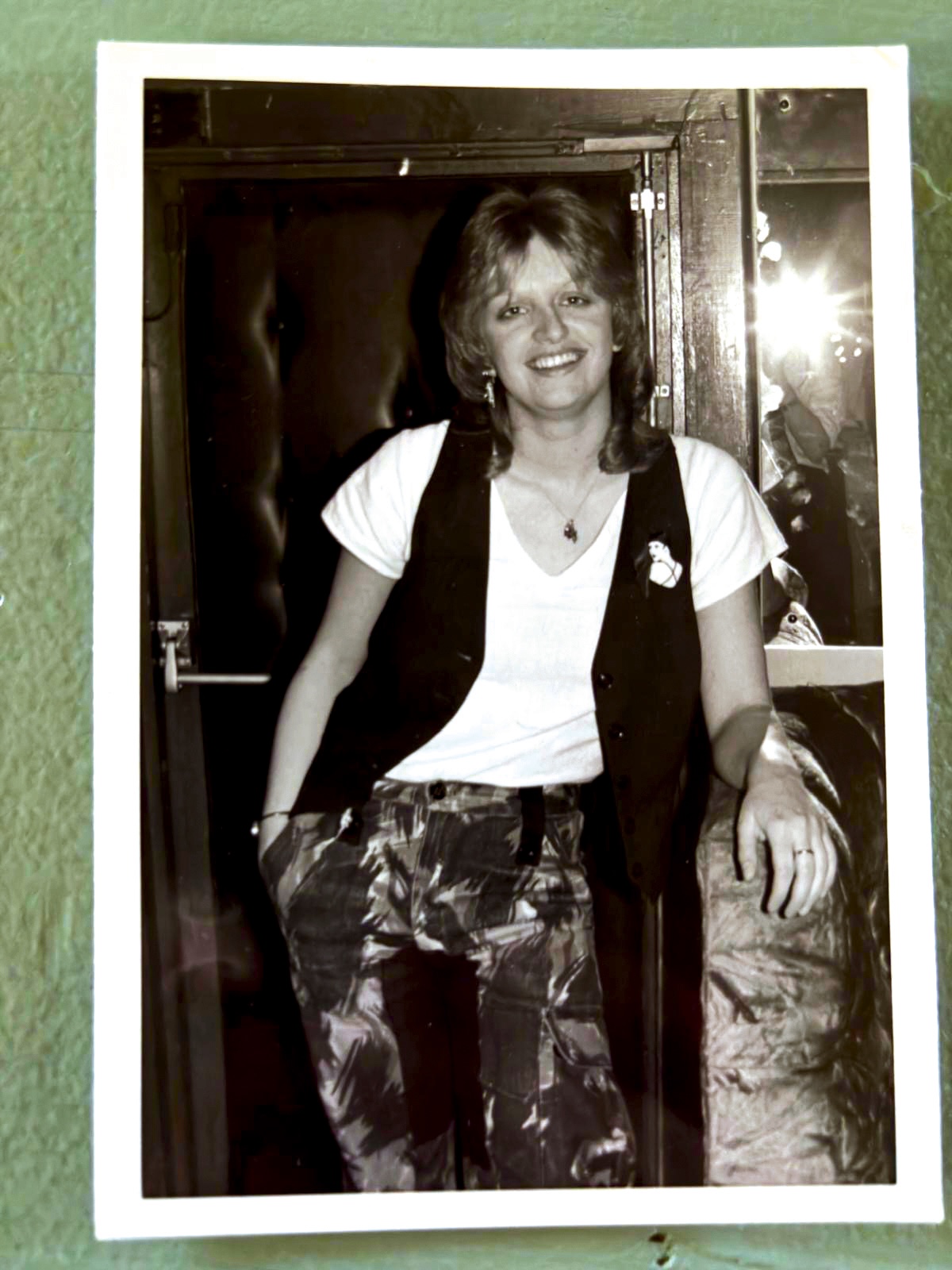
 Among those sharing that mood was his close friend Caroline Medlen, whom Phillip describes as one of the earliest Jewish punks. “She started wearing all the Vivienne stuff – and she’s in the audience!” he said, pointing. Caroline had flown in from Los Angeles for the reunion. Raised in Jewish north-west London, she met Philip and soon found herself behind the decks at Louise’s, spinning American soul in the tiny Poland Street club that would become punk’s spiritual home.
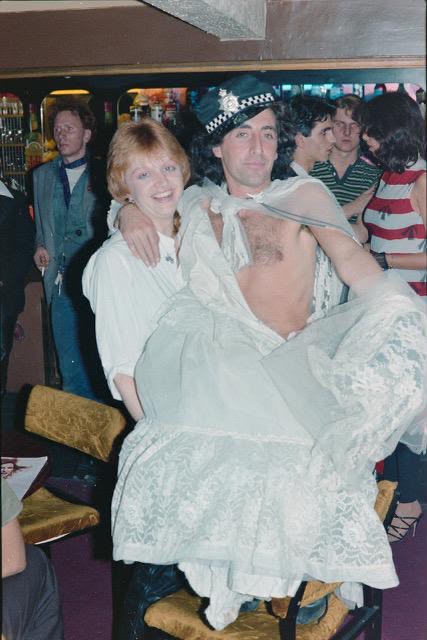
It was intended to be a lesbian club, and Philip ended up there by accident.“I was going to all these Jewish clubs,” he recalled. “Nice Jewish boys and girls. Well… I had to be one of them. Obviously, the girl. Then a friend said, ‘Come to a gay club with me.’ I thought, ‘Oh, how liberated!’ So we schlepped over to Louise’s.”
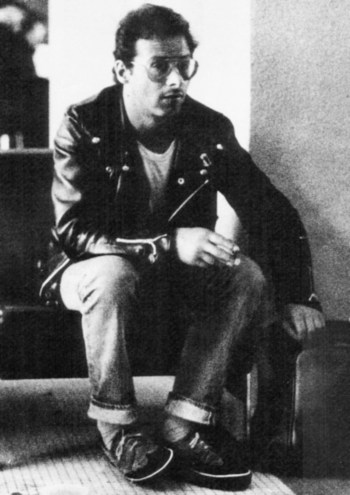
Working on the door, Philip found himself signing in Bernie Rhodes, The Clash and later the Bromley Contingent who became the Sex Pistols’ earliest followers. “All the King’s Road trendies started moving in and all
the lesbians ran away,” Philip laughed. “So I ruined that club.”
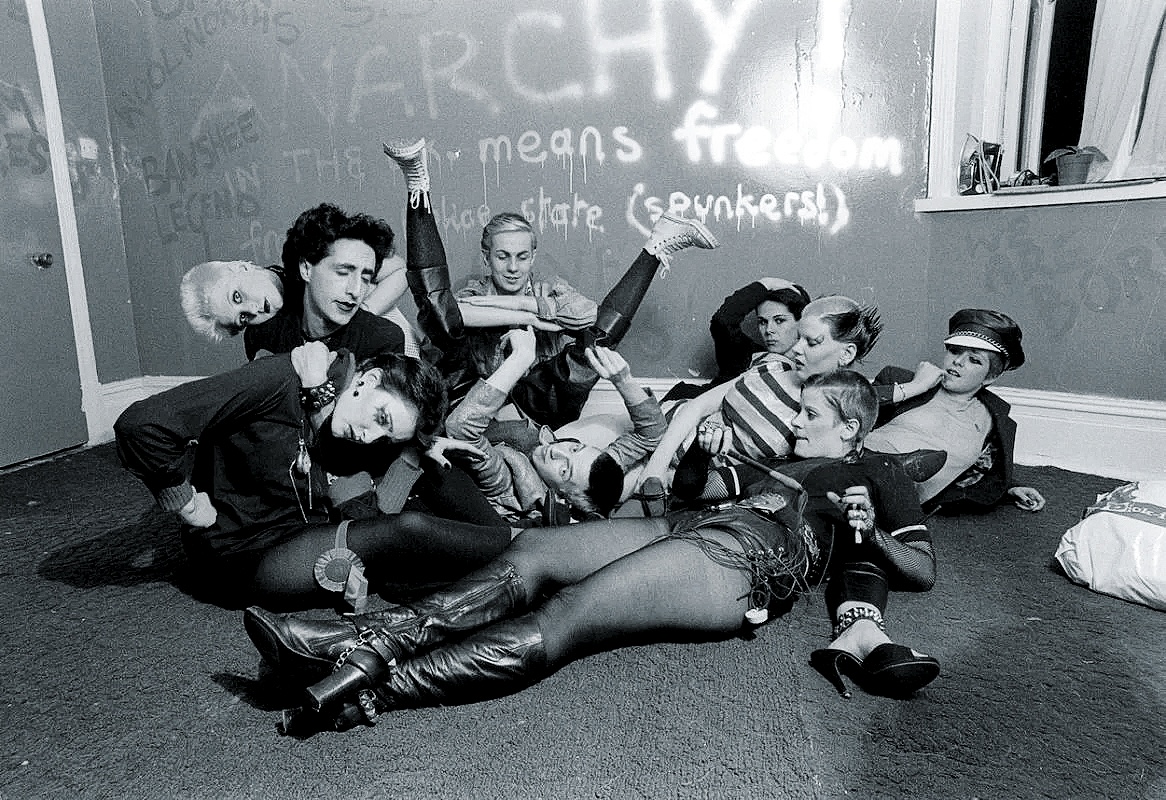
Not Caroline, however. She became Louise’s resident DJ and was the first to play Anarchy in the U.K. after Malcolm ran in from nearby Denmark Street clutching the first pressing. Philip already knew Vivienne from the shop “and I remember Malcolm hobbling around the periphery.
He told me he was putting this band together and he was auditioning musicians.” Philip wondered whether he should throw his hat into the ring.“I said, ‘Well, do you think I should have a go?’ Malcolm looked me up and down and said, ‘You’re too old.’ It wasn’t a joke. He was serious. That was my claim to fame for being in the Sex Pistols.” Then Malcolm and Vivienne called. There was someone they wanted Philip to meet. That was the day they arrived at Philip’s home in Dollis Hill, where he lived with his mother Anna and father Ralph, one of Britain’s best-known caricaturists, with Johnny Rotten in tow.
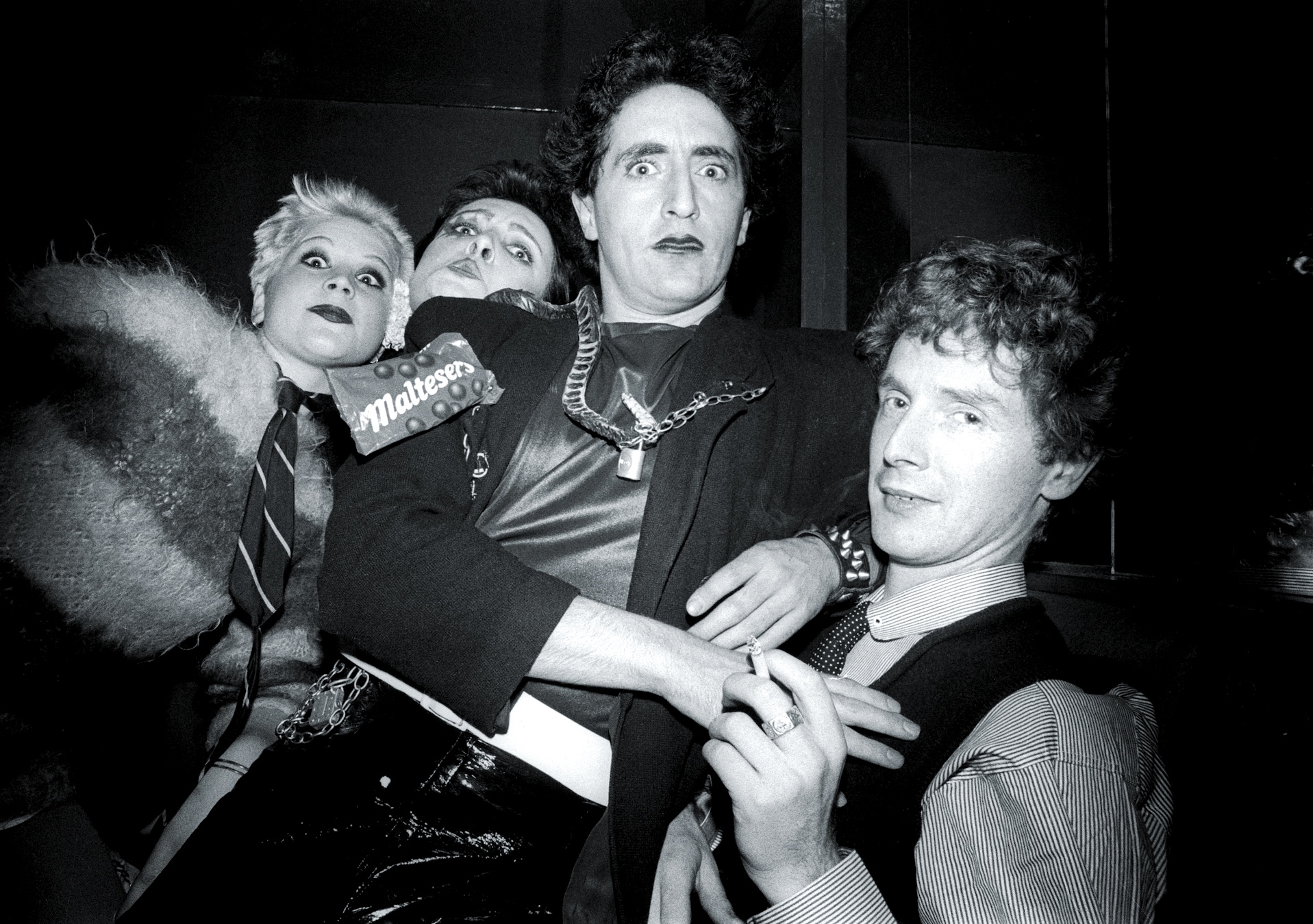
“My mum met Malcolm and Vivienne briefly, then we went into the back room. They’d brought Johnny and, from that day on, we were best friends. We went everywhere together, every club. He was very nice, you know, very nice.”Days after the release of Anarchy in the U.K. came that TV appearance that propelled punk into living rooms. “That was the Bill Grundy interview,” Philip explained. “I was meant to be on that. I never bothered to go.”Asked whether he would have sworn live on air like the rest of the Sex Pistols, Philip cackles.“Well, I’ve got a big mouth.”Instead, he returned home to face a different reception. “My mother had been watching TV and she said, ‘You brought those characters to our house! How dare you!’
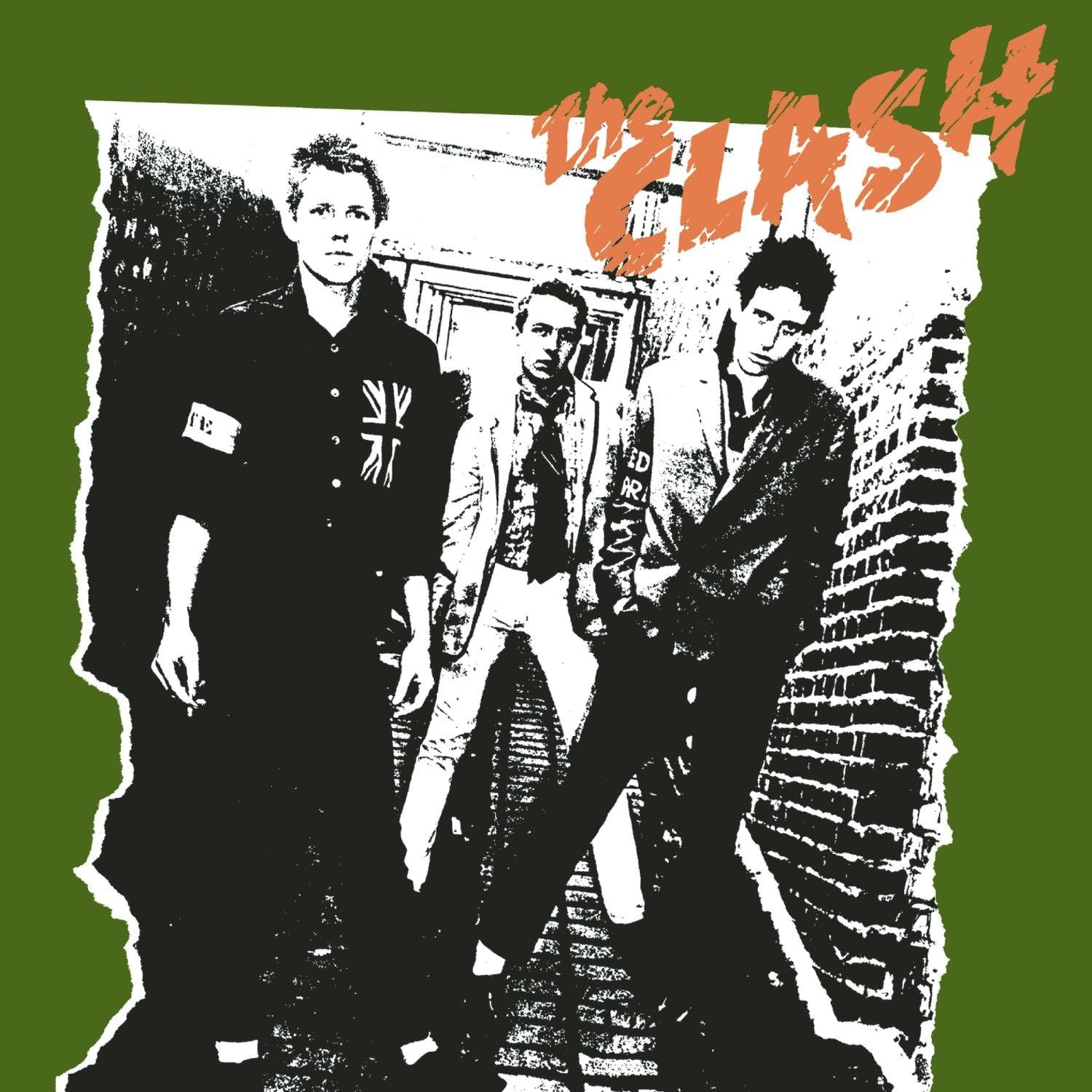 While Malcolm was shaping The Sex Pistols, Jewish manager Bernie Rhodes was doing the same for The Clash. Asked whether his Jewish upbringing had influenced him, Philip remembered once asking his father Ralph what made Jews different.The answer stayed with him. “He said-Jews are very individual.” Host Alain Dein suggested this might explain why so many Jewish figures were drawn to a movement built around a refusal to conform.For Philip, Caroline and those close to him, his Jewish identity remained a constant.“I’ve never missed Yom Kippur and now go every Saturday because of what’s going on, and show solidarity with my fellow Jews.”
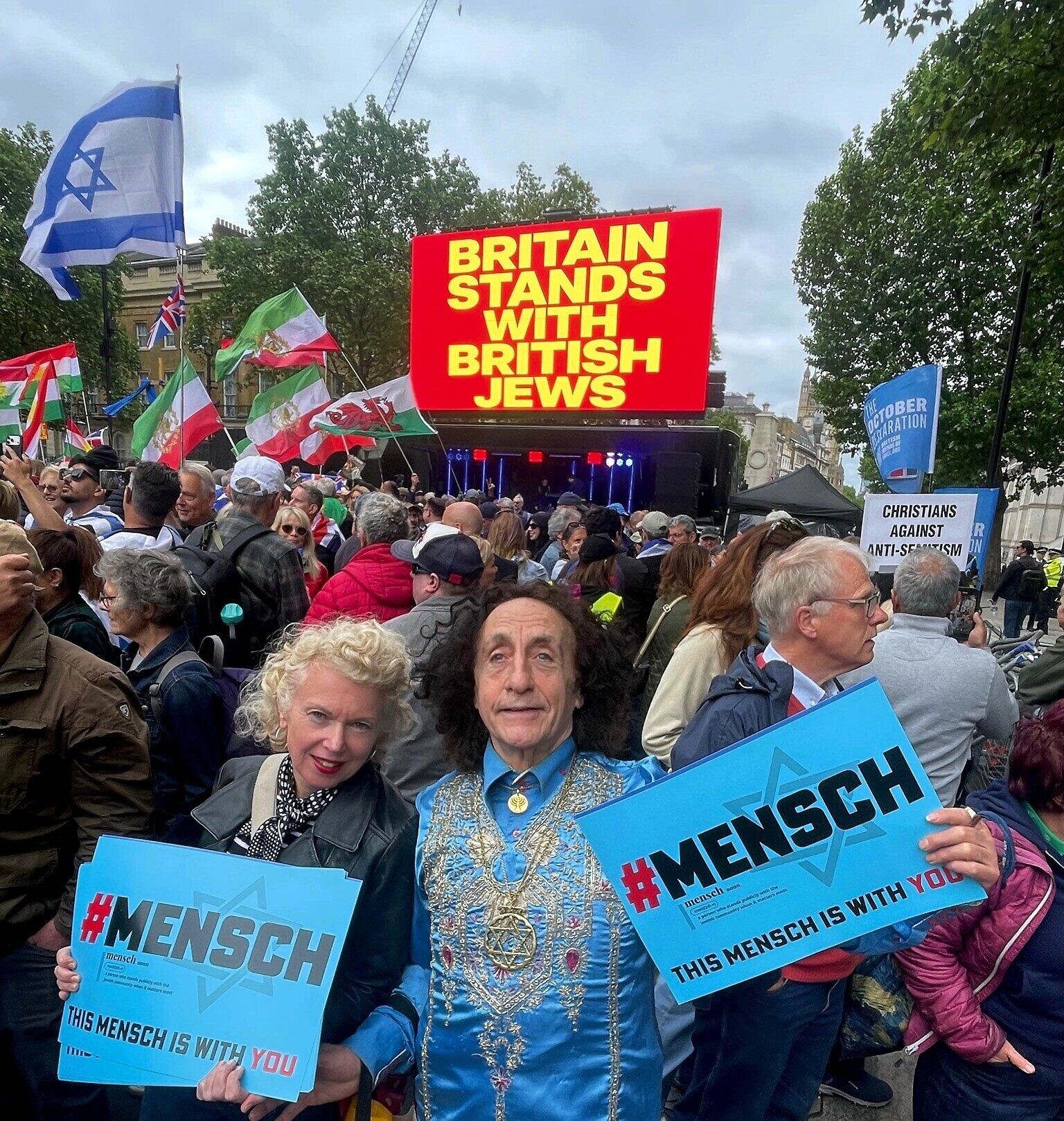
The audience cheered. Joining Philip on stage, Jon Moss reached much the same conclusion from his different journey. Before finding worldwide fame
with Culture Club, he had drummed with London and The Damned. Adopted as a baby and brought up in a Jewish family in Hampstead, he said both his adoption and his faith gave him “a sense of otherness”. “Reading about the Holocaust as a 10-year-old really, really haunted me,” he revealed.
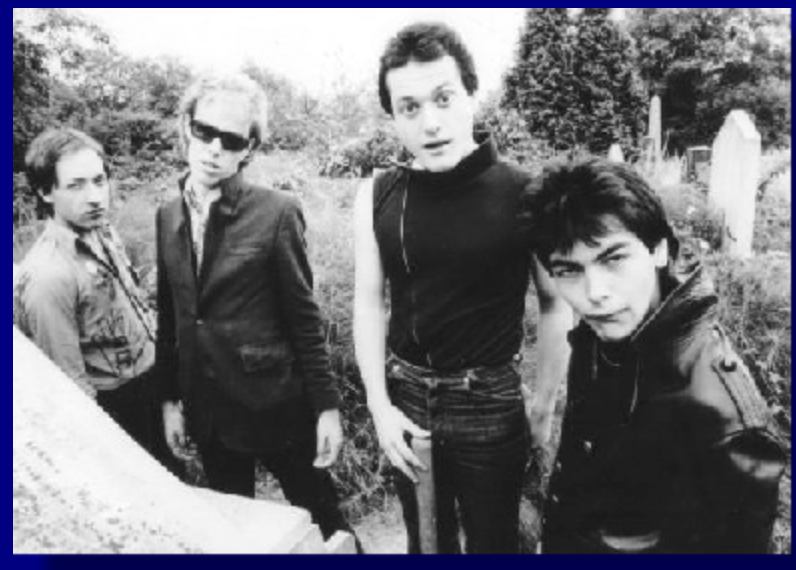
Punk, he said, changed everything. “You could do it. You could just join bands.”And although the moment had its Jewish detractors aplenty, he believes Jewish identity and punk share the same instinct.“Individuality in your own way. It’s a Jewish thing. Everybody’s got their own way of expressing it.” It could have been Philip’s father talking, yet London’s most eccentric clubber loathes looking back.“Most of my life has been about what’s next. Me sitting here reminiscing is not really me.” Asked to define Punk, there was a beat. “It depends what you call punk. To me, it’s about being a rebel and ‘anti’ and off the wall. But it’s still here, isn’t it?”
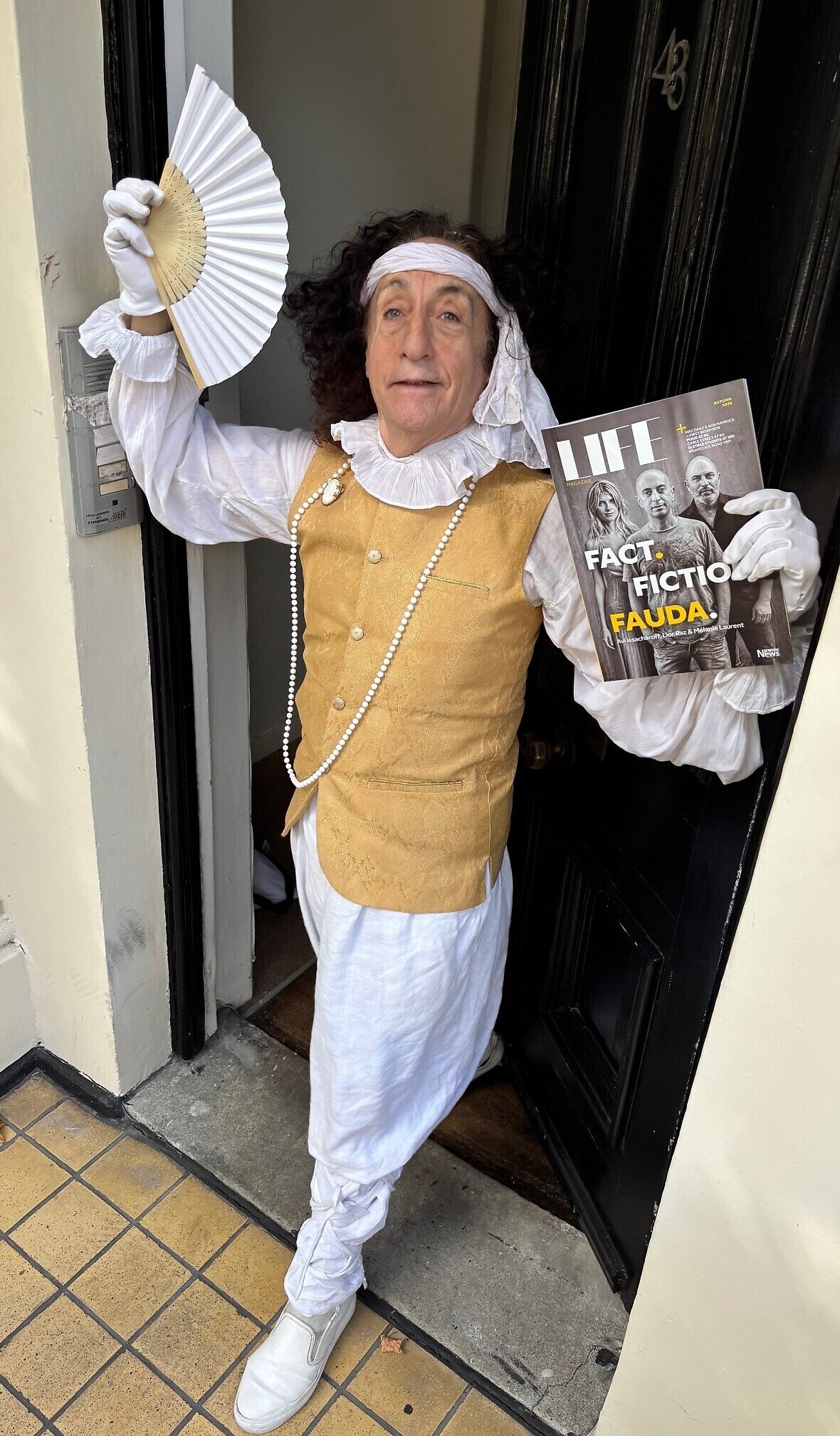
Judging by the renewed fascination, he may be right. Caroline Medlen has developed her memories at Louise’s into a TV series, DJ Punk and, next spring, the V&A opens Punk to Pop, a major exhibition exploring the movement’s enduring influence on music, fashion and art. Half a century on, punk is still refusing to behave!

Keep community journalism free.
Jewish News is free for everyone. No paywall. No barriers. Just trusted journalism for anyone who wants to stay connected to Jewish life in Britain.
If you value that, please support us.
From as little as £5 a month, you can help keep our journalism free and accessible to all.
Every day, we report on the issues that matter to our community. We celebrate achievements, support charities, challenge antisemitism and ensure Jewish voices are heard more widely.
From as little as £5 a month, you can help us continue to:
- Report on the stories shaping Jewish life in the UK and beyond
- Bring our community together through shared stories, events and campaigns
- Celebrate the people, culture and moments that define our community
- Support organisations doing vital work across Jewish Britain
You can make a one-off donation or become a regular supporter. Every contribution helps keep our journalism free, independent and accessible to all.
If everyone who values Jewish News gave a small amount, it would make a real difference to our future.