Prefer Jewish News on Google
Government wades into Gaza doc row as Nandy vows to raise concerns with BBC chiefs
Huge backlash over Gaza: How To Survive a Warzone, screened on BBC2, over it emerged that father of teenage narrator is a senior Hamas minister

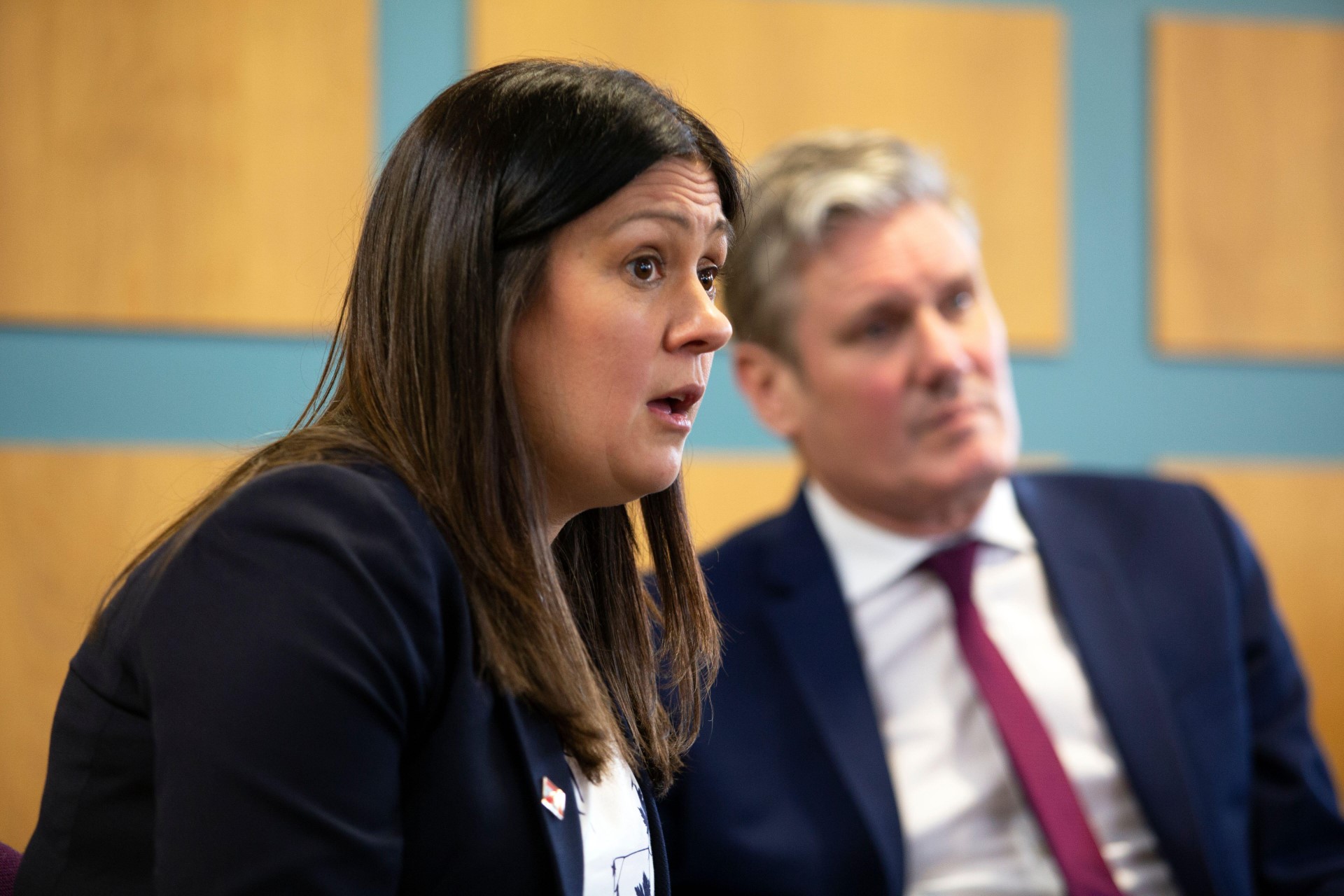
Culture Secretary Lisa Nandy has vowed to raise concerns about the BBC’s documentary on Gaza’s children with corporation bosses.
Asked if she was concerned that the corproration might have breached editorial guidelines with the screening of the film Gaza: How To Survive a Warzone, Nandy said:”It’s something that I will be discussing with them, particularly around the way in which they sourced the people who were featured in the programme.”
The Culture Secretary’s comments came after the BBC insisted it “had not been informed” by the producers of the disturbing documentary that the main narrator was the teenage son of a senior Hamas minister.
The film Gaza: How To Survive a Warzone was screened by BBC2 on Monday night, and the programme has also been heavily promoted on the corproration’s I-Player service.
Nandy confirmed she had watched the film herself on Wednesday evening.

Speaking to LBC presenter Nick Ferrari, Nandy said it was not for her to tell the BBC whether or not they should call Hamas terrorists, adding the corporation must be allowed to “act with independence.”
Nandy said it was “difficult” to cover the Middle East without allegations of bias.
But she added of the BBC: “They’ve been attacked for being too pro-Gaza. They’ve been attacked for being anti-Gaza. But it is absolutely essential that we get this right.”
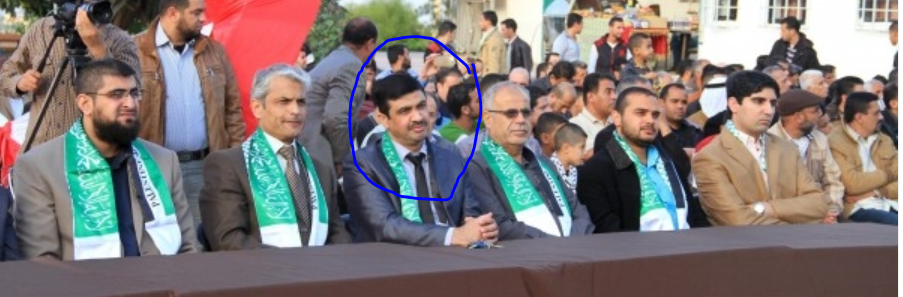
An investigation into the film’s background showed that Abdullah, one of four children to speak of the horrors of living in Gaza during the current conflict was the son of Hamas minister Dr. Ayman Al-Yazouri.
After a huge backlash over the BBC’s failure to make clear this link, and also evidence that those behind the film had history online of making extreme comments in relation to Israel and antisemtism, the corporation has now apologised and issued a clarification in regards to the film.
In an updated statement, released in response to a stream of complaints, including a letter signed by former BBC controller Danny Cohen, J.K. Rowling’s agent Neil Blair, agent Anita Land and ex-Got Talent commissioner Claudia Rosencrantz, the BBC admitted they had failed to do proper due dilligence on the film.
The BBC said that since the transmission of the film three days ago it had “become aware of the family connections of the film’s narrator, a child called Abdullah.”
The BBC then admitted that in regards to his connection to Hamas it “had not been informed of this information by the independent producers when we complied and then broadcast the finished film.”
Gaza: How To Survive a Warzone was produced by Hoyo Films, the independent producer run by the film’s director Jamie Roberts.
It was commissioned through the BBC’s current affairs team.
“We’ve promised our audiences the highest standards of transparency, so it is only right that as a result of this new information, we add some more detail to the film before its retransmission,” the statement added.
“We apologise for the omission of that detail from the original film.”

For future repeats and on iPlayer, the film will now clarify: “The narrator of this film is 13 year old Abdullah.
His father has worked as a deputy agriculture minister for the Hamas-run government in Gaza. The production team had full editorial control of filming with Abdullah.”
The statement has also been added to the BBC’s Corrections and Clarifications page and the BBC said it will also respond to the letter of complaint directly.
Responding to the BBC’s apology, Cohen, the former BBC controller, criticised the broadcaster for “throwing the producer of the documentary under the bus.”
Industry publication Deadline said BBC journalists were “alarmed” at how the documentary was allowed to be broadcast in its current form.
“It’s a terrible, terrible mess,” one insider told the publication. “It’s really weird that they got themselves into this position and didn’t see the problems coming.”
Cohen also pointed out that in their initial response to complaints, the BBC had claimed full editorial control over the film.
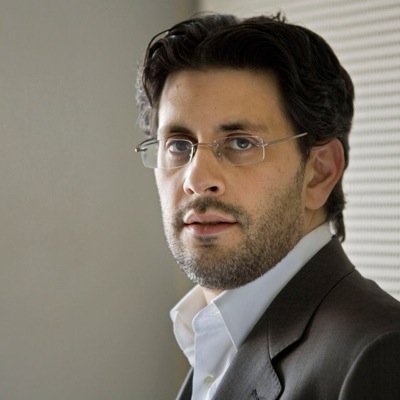
An investigation by David Collier into the background of the film revealed that Abdulla’s father fDr. Ayman Al-Yazouri is currently the Deputy Minister of Agriculture, he has held other posts in education and planning within the Hamas government.
He is actually related to one of Hamas’s founding members Ibrahim al-Yazouri.
Previous social media posts show that how Dr. Ayman has repeatedly praised terrorist acts by the group including the murder of four Israelis in June 2023.
In the heavily publicised BBC programme, his teenage son was filmed heading back to his pre-war home in the north of the shattered territory. The boy offered commentary in perfect English throughout the hour long programme
An email exchange via the BBC, Abdullah had said he wanted to be part of the programme “to explain the suffering that people here in Gaza witness with the language that the world understands, English” – and so that viewers learn about the situation on the ground without being “blurred by misinformation”.
But Collier complained: “The child of Hamas royalty was given an hour on a BBC channel to walk around looking for sympathy and demonising Israel.
“They followed this family for months. There is no way on earth they did not know who this family was. How can the BBC possibly justify trusting anything else in the entire documentary?”
It is also claimed that the same teenage boy appeared in a Channel 4 News broadcast last November under the name of Abdullah Abu Shamalah – with a father named Khalil Abushammala. Abushammala is director of the NGO Al Dameer, which has faced claims of links to the PFLP terror organisation.
The investigation questioned the credibility of the documentary producers.
Co-director/ producer Yousef D. Hammash has a history of making pro-Palestinian documentaries, but his social media feed includes a post questioning former UK PM Rishi Sunak’s recent tribute to the six million Jews killed in the Holocaust.
Meanwhile a cameraman working on the programme Amjad Al Fayoumi posted a salute to the October 7 Hamas attacks and shared “resistance” videos full of terrorists, rockets and Israeli funerals.
Others credited on the film include Joanna Carr, BBC head of current affairs.
One BBC source told Jewish News the department had been “gushing” about the film ahead of its airing.
Responding to Jewish News on Tuesday, a BBC spokesperson had said of the programme:“Gaza: How to Survive a Warzone, a documentary showing the conflict through the eyes of three children in Gaza, was produced in line with BBC editorial guidelines and the BBC had full editorial control.”
Former BBC chief Cohen later told Deadline: “If they didn’t do the diligence checking [on Gaza: How To Survive a Warzone]— and in doing so, they allowed Hamas propaganda to go out — it’s horrendous.
“If they did know, and they didn’t think that this should be disclosed to the audience, that’s even more horrendous. To me, it’s misleading audiences in a very extreme way. It’s very serious as an incident, but it also at the same time forms part of a pattern of systemic problems that the BBC doesn’t want to admit or acknowledge.”

Keep community journalism free.
Jewish News is free for everyone. No paywall. No barriers. Just trusted journalism for anyone who wants to stay connected to Jewish life in Britain.
If you value that, please support us.
From as little as £5 a month, you can help keep our journalism free and accessible to all.
Every day, we report on the issues that matter to our community. We celebrate achievements, support charities, challenge antisemitism and ensure Jewish voices are heard more widely.
From as little as £5 a month, you can help us continue to:
- Report on the stories shaping Jewish life in the UK and beyond
- Bring our community together through shared stories, events and campaigns
- Celebrate the people, culture and moments that define our community
- Support organisations doing vital work across Jewish Britain
You can make a one-off donation or become a regular supporter. Every contribution helps keep our journalism free, independent and accessible to all.
If everyone who values Jewish News gave a small amount, it would make a real difference to our future.