Prefer Jewish News on Google
BBC issues new reporting guidelines to staff covering the Israel-Palestine conflict
Use of term 'terrorist' is among key elements mentioned
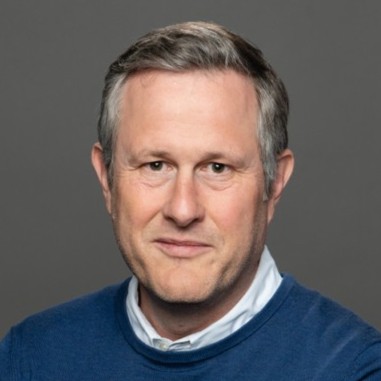
New guidelines relating to coverage of the war between Israel and Hamas have been issued to the staff on all BBC news channels by James Stephenson, the executive editor of BBC news.
In a full briefing, Stephenson says: “The conflict between Israel and the Palestinians is one of the most complex and polarised stories that the BBC covers. This note is intended to help teams navigate some of the complexities.”
Taking into account some of the criticism aimed at the BBC since October 7, Stephenson acknowledges that “many of the terms used have been heavily contested in the past and changes from agreed language should only happen after careful consideration with editors and colleagues with specialist knowledge of the conflict.”
Among the key guidelines, the briefing says, is how to use the term ‘terrorist’. This word “should not be used without attribution”. On this aspect of its news reporting, the BBC has not changed its position.
Stephenson says: “The word ‘terrorist’ itself can be a barrier rather than an aid to understanding. We should convey to our audience the full consequences of the act by describing what happened. We should use words which specifically describe the perpetrator such as ‘bomber’, ‘attacker’, ‘gunman’, ‘kidnapper’, ‘insurgent’, and ‘militant’. We should not adopt other people’s language as our own; our responsibility is to remain objective and report in ways that enable our audiences to make their own assessments about who is doing what to whom.”

Because this is a war rather than a single event, Stephenson advises, similar considerations apply to the terms ‘terror attack’ and ‘act of terror’.
He adds: “It is also very important that we strive for consistency across the international and UK-facing sites. If a BBC World story uses very measured language but a UK version does not, a user will rightly question the different approaches.
“News staff are advised that overuse of the word ‘militant’ can “alienate audiences. It should not be the default term for Hamas fighters or those from Hezbollah and is often better avoided… In other cases, simply saying ‘Hamas’ or ‘Hezbollah’ is likely to be sufficient”.
Stephenson makes clear that since Hamas, Palestinian Islamic Jihad and Hezbollah are proscribed as terrorist groups by the UK government, “where possible we should reflect this at first mention of the organisation in a story”. And he also says that “when we are reporting statements by the Gaza health ministry, we should say that it is Hamas-run — as is the rest of the government of Gaza”. This is a clear reference to previous BBC reports which have quoted figures from the Gaza health ministry without questioning the source.
Staff are warned not to mix active and passive verbs when talking about deaths on each side “as it can lead to perceptions of bias. As this is a war, it is generally better to say people have been ‘killed’ rather than ‘died’.”
Plans to interview members of Hamas, Palestinian Islamic Jihad or Hezbollah require a mandatory referral to the director of Editorial Policy, Stephenson says, and “research on potential interviewees who are not representing the main actors in the conflict should include checking their previous public statements and social media activity” — which may mean deciding a guest is unsuitable, or that they need to be challenged during an interview.

Keep community journalism free.
Jewish News is free for everyone. No paywall. No barriers. Just trusted journalism for anyone who wants to stay connected to Jewish life in Britain.
If you value that, please support us.
From as little as £5 a month, you can help keep our journalism free and accessible to all.
Every day, we report on the issues that matter to our community. We celebrate achievements, support charities, challenge antisemitism and ensure Jewish voices are heard more widely.
From as little as £5 a month, you can help us continue to:
- Report on the stories shaping Jewish life in the UK and beyond
- Bring our community together through shared stories, events and campaigns
- Celebrate the people, culture and moments that define our community
- Support organisations doing vital work across Jewish Britain
You can make a one-off donation or become a regular supporter. Every contribution helps keep our journalism free, independent and accessible to all.
If everyone who values Jewish News gave a small amount, it would make a real difference to our future.