Prefer Jewish News on Google
‘Britain is uncomfortable for Jews’: UK billionaire seeks German passport amid antisemitism fears
Sir Michael Moritz says rising hostility towards Jews has made Britain feel less safe than the US
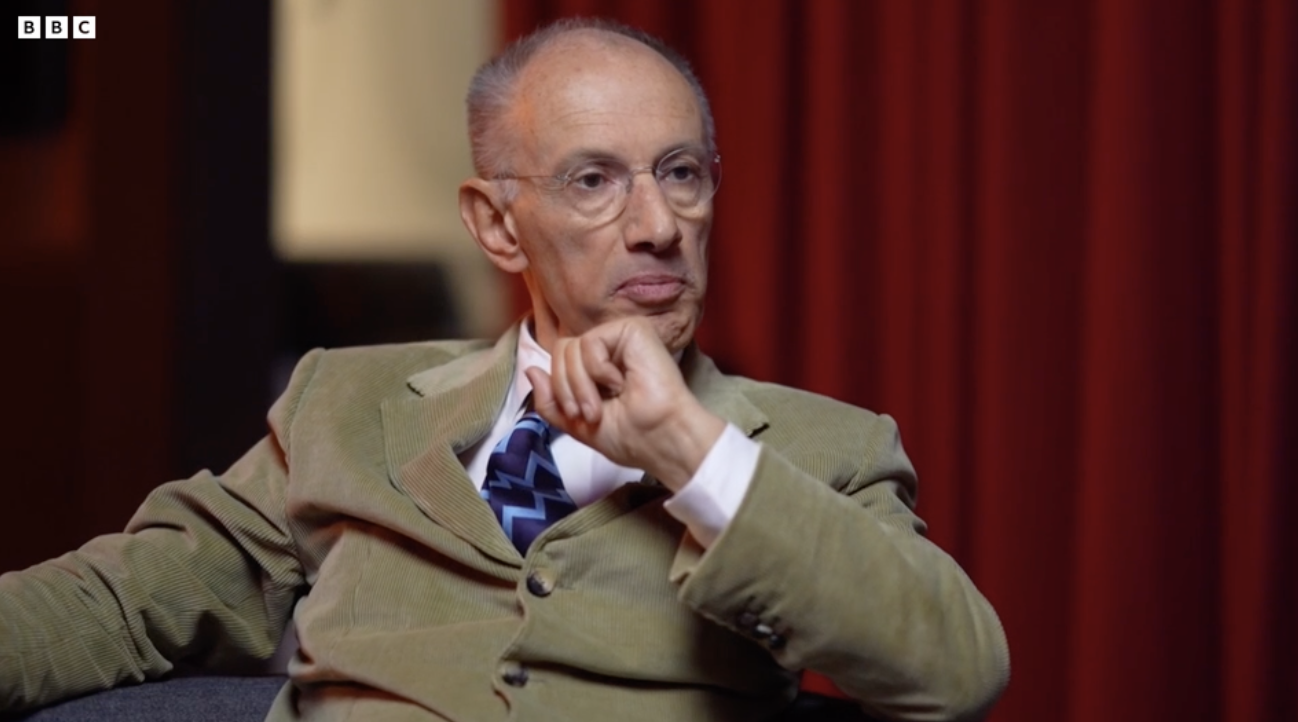
Britain has become an “uncomfortable place for Jews”, according to Cardiff-born billionaire Sir Michael Moritz, who has revealed he is applying for German citizenship as concern over antisemitism in the UK continues to grow.
Moritz, one of the UK’s wealthiest figures and a leading Silicon Valley investor, said Britain now feels “far more hostile than the US” for Jewish people, citing violent attacks on synagogues and the everyday precautions increasingly taken by Jewish families.
“Britain is an uncomfortable place for Jews today,” he said.
Speaking to the BBC, Moritz described his decision to seek a German passport as an “insurance policy” – a safeguard his family once lacked when fleeing Nazi persecution. He said the move was shaped by both historical memory and present-day fears.
Referring to the deadly Yom Kippur attack on Manchester’s Heaton Park synagogue in October 2025, Moritz said the incident had struck close to home. “I have cousins who live less than half a mile from the Heaton Park synagogue,” he said. “They knew a whole bunch of people who were there.”


He added that antisemitism is often felt most sharply through daily experiences rather than headline events, pointing to Jewish children in north-west London who avoid wearing school blazers in public. “It’s all these anecdotes that strike home more than anything else,” he said.
Moritz, 71, holds both British and US citizenship and made his fortune through early investments in technology companies, including Google and Yahoo. But he has increasingly spoken publicly about Jewish vulnerability, drawing on his own family history.
In his memoir Ausländer, he traces the fate of relatives persecuted under the Nazis. His paternal grandparents, Max and Minnie Moritz, were among the family members murdered during the Holocaust. Through archival research, he discovered that his great-uncle Oskar Moritz and cousin Mira Marx were photographed by the Gestapo as they were forced onto buses transporting them to their deaths.
Explaining why Germany now offers a sense of reassurance, Moritz said: “I think it’s the one place in Europe where what happened (nearly) 100 years ago forms a very central part of the educational system… it gives me some mild form of reassurance.”
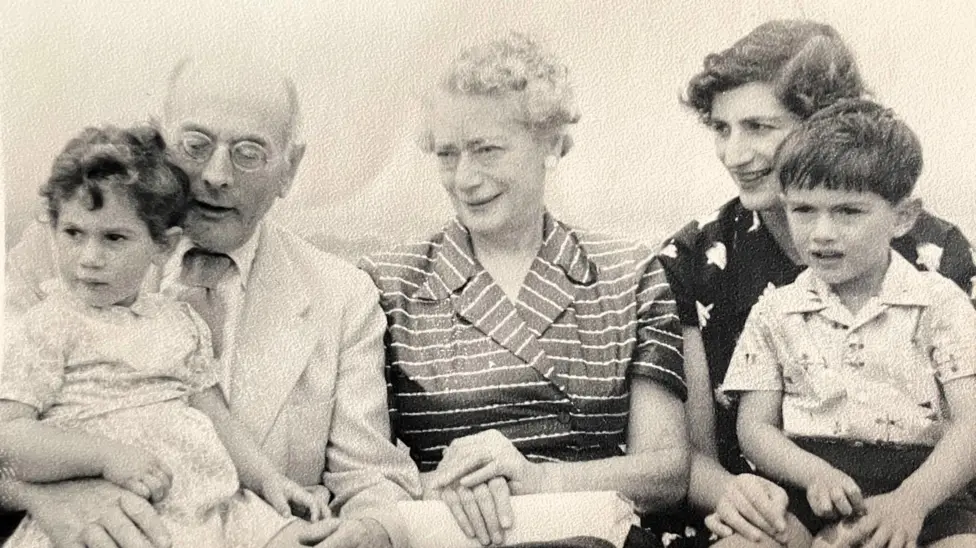
Although his parents escaped Germany and settled in Cardiff, Moritz said the feeling of being an outsider followed him from childhood. As a teenager, he recalled scanning the local phone directory and noticing his family name stood alone. “There was no shortage of Evans’ and Thomas’, but we were the only Moritz,” he said. “And to me, that was as if – in the margin, in big black capital letters – it said Jew.”
He also recalled a moment during a 2001 Welsh government trade visit to Silicon Valley, when the First Minister, Rhodri Morgan, greeted him by saying: “So Michael, what’s a nice Jewish boy like you doing in Silicon Valley?”
The remark, Moritz said, “cut deep”, reviving long-held feelings of difference. While he did not believe it carried “a huge amount of malevolence”, he said it reflected a wider pattern of Jewish experience in Britain.
Beyond antisemitism, Moritz also argued that the UK is becoming a less attractive place to do business compared with the US and China, and warned that artificial intelligence would have a severe impact on white-collar employment.
“For people in white-collar jobs, lower-skilled white-collar jobs… It’s going to be a very disruptive, dislocating experience,” he said, predicting that companies will increasingly operate with far fewer staff.
For Moritz, whose family history is shaped by flight, loss and survival, the passport decision reflects not detachment from Britain but deep unease – a calculation rooted in memory, and in fear that Jewish security can no longer be taken for granted.

Keep community journalism free.
Jewish News is free for everyone. No paywall. No barriers. Just trusted journalism for anyone who wants to stay connected to Jewish life in Britain.
If you value that, please support us.
From as little as £5 a month, you can help keep our journalism free and accessible to all.
Every day, we report on the issues that matter to our community. We celebrate achievements, support charities, challenge antisemitism and ensure Jewish voices are heard more widely.
From as little as £5 a month, you can help us continue to:
- Report on the stories shaping Jewish life in the UK and beyond
- Bring our community together through shared stories, events and campaigns
- Celebrate the people, culture and moments that define our community
- Support organisations doing vital work across Jewish Britain
You can make a one-off donation or become a regular supporter. Every contribution helps keep our journalism free, independent and accessible to all.
If everyone who values Jewish News gave a small amount, it would make a real difference to our future.