Prefer Jewish News on Google

British Jews, Israel and party conference season
The presence of Jewish and Israel-related organisations and our allies at party conferences matters, as does our willingness to sustain conversations in difficult circumstances
The conference season is over. As almost always, it overlapped with the Yamim Noraim and the Chagim, restricting attendance to non-Yom Tov days and, particularly during Chol Hamoed Sukkot, intruding on the festivities. This year I attended both Labour and Conservative conferences: a veteran of the former, a newcomer to the latter. The Board as a whole was represented at the conferences of all major parties save for Lib Dems, where Yom Tov made this impossible.
These are frenetic, unstable and challenging times.
Notwithstanding the evident strains between the British and Israeli governments, this year’s Labour conference cannot be compared with the dark Corbyn years, particularly after the 2017 election, when the hard left gripped the party—a problem which is now acute for the Greens. Inevitably however, my experience was impacted to a degree by changes in Labour’s strategic shift towards the left to rebuild its electoral base.
Israel was a salient issue. Coming just a month after the Government had announced plans to sanction Israeli development beyond the Green Line, British-Israeli relations are so strained that the Israeli Embassy was not represented.
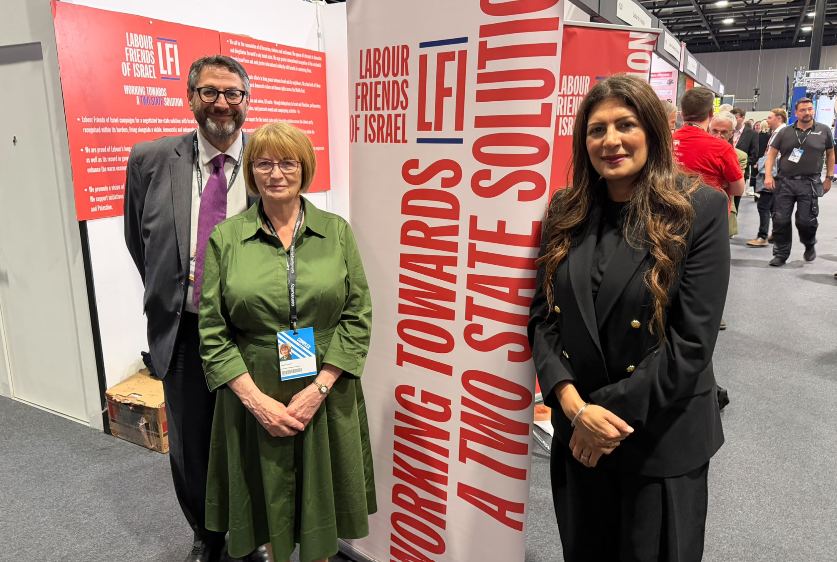
That aside, the Jewish Labour Movement reception was busy and Labour Friends of Israel (LFI,) the Holocaust Educational Trust (HET) and the Antisemitism Policy Trust (APT) held successful fringe events.
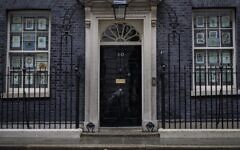
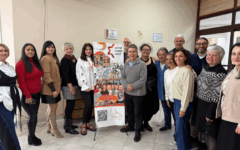
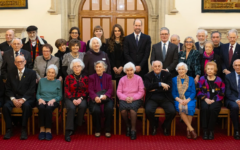
Speakers at the LFI reception included from Middle East Minister Stephen Doughty, Hon Parliamentary Chair Mark Sewards and No.10’s director of political strategy, Matthew McGregor. Emilie Moatti, representing Israel’s Democrats party, was warmly received at the reception and in private meetings. Also there was very little hostility to the LFI stand and not inconsiderable solidarity. The Foreign Secretary Ed Miliband was unable to participate in the LFI reception having left the conference early on government business, which was disappointing as he had spoken at the Labour Friends of Palestine reception the previous day.
Moving on to the Conservative Party Conference, I spent time at the Conservative Friends of Israel (CFI) stand, meeting senior politicians and councillors representing significant Jewish communities. Kemi Badenoch’s visit caused considerable excitement. The CFI reception was packed, with speeches from senior Shadow Cabinet members, ably compèred by the redoubtable Lord Pickles.
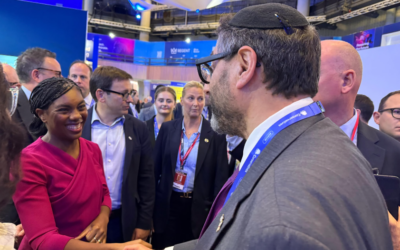
Despite British politics’ inevitable tribalism, I felt welcome, although I am not a party member. The Conservatives’ greatest challenge remains their distance from power, but there was considerable energy at the conference. HET, CFI and APT again held packed fringe meetings.
At both conferences, HET events were addressed by the extraordinary Holocaust survivor Janine Webber BEM.
The most challenging experience was that of my colleagues Karen Newman and Toby Greene at Green Party conference. Yom Tov limited their attendance to one day. Much has been written about the proceedings, particularly the resolution equating Zionism with racism.
They saw for themselves the human consequences: it was dispiriting to see the extent to which Jewish Greens were beleaguered, disempowered and isolated. Some had belonged to the party for nearly 40 years, motivated by their concern for the environment and climate change, yet now felt hounded out. These were people who had invested decades in a political home and were confronting the painful prospect that it no longer felt as though they had a place there
Despite the challenges we face, I take solace in the camaraderie, collegiality and professionalism of colleagues from Jewish and Israel-related organisations and our allies. Their presence and ours matters, as does our willingness to sustain conversations in difficult circumstances. There are undoubtedly setbacks, but relationships endure and opportunities remain to build and rebuild. The contrast between conferences underlined how much the political landscape is changing, and how carefully communal organisations must navigate it. This is a dynamic situation, demanding innovation, creativity and persistence—qualities whose importance everyone recognises.
Adrian Cohen is Senior Vice President of the Board of Deputies, and Lay Chair of Labour Friends of Israel

Keep community journalism free.
Jewish News is free for everyone. No paywall. No barriers. Just trusted journalism for anyone who wants to stay connected to Jewish life in Britain.
If you value that, please support us.
From as little as £5 a month, you can help keep our journalism free and accessible to all.
Every day, we report on the issues that matter to our community. We celebrate achievements, support charities, challenge antisemitism and ensure Jewish voices are heard more widely.
From as little as £5 a month, you can help us continue to:
- Report on the stories shaping Jewish life in the UK and beyond
- Bring our community together through shared stories, events and campaigns
- Celebrate the people, culture and moments that define our community
- Support organisations doing vital work across Jewish Britain
You can make a one-off donation or become a regular supporter. Every contribution helps keep our journalism free, independent and accessible to all.
If everyone who values Jewish News gave a small amount, it would make a real difference to our future.