Prefer Jewish News on Google
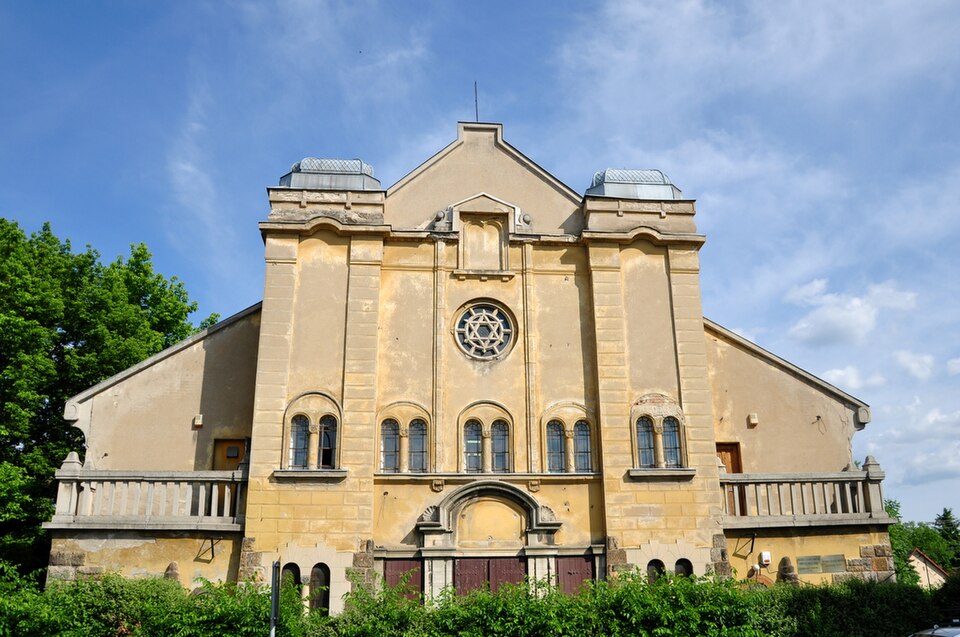
A historic Budapest synagogue has returned to Jewish worship more than 80 years after its community was devastated during the Holocaust.
The Rákospalota synagogue was rededicated this month, a century after it first opened in the Hungarian capital in 1926.
Descendants of its founding rabbi, Michael Dushinsky, were among those who attended the ceremony marking the building’s return to Jewish use.
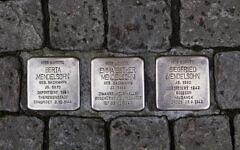
The synagogue served Jews in Budapest’s 15th district for just 18 years before members of the community were deported to Auschwitz in 1944.
After the Holocaust, the building was nationalised under Hungary’s communist government and went on to spend around 80 years as a warehouse for the National Széchényi Library.


Its return to Jewish hands was led by EMIH, the Unified Hungarian Jewish Congregation, headed by Chief Rabbi Shlomo Köves, as part of efforts to reclaim former Jewish properties.
“When I first walked in, my heart sank,” Köves said. “There were all kinds of old newspapers. They said, ‘You want us to leave? Pay.’”
The building was eventually reclaimed and restored with financial support from Jewish-American businessman Igor Tulchinsky.
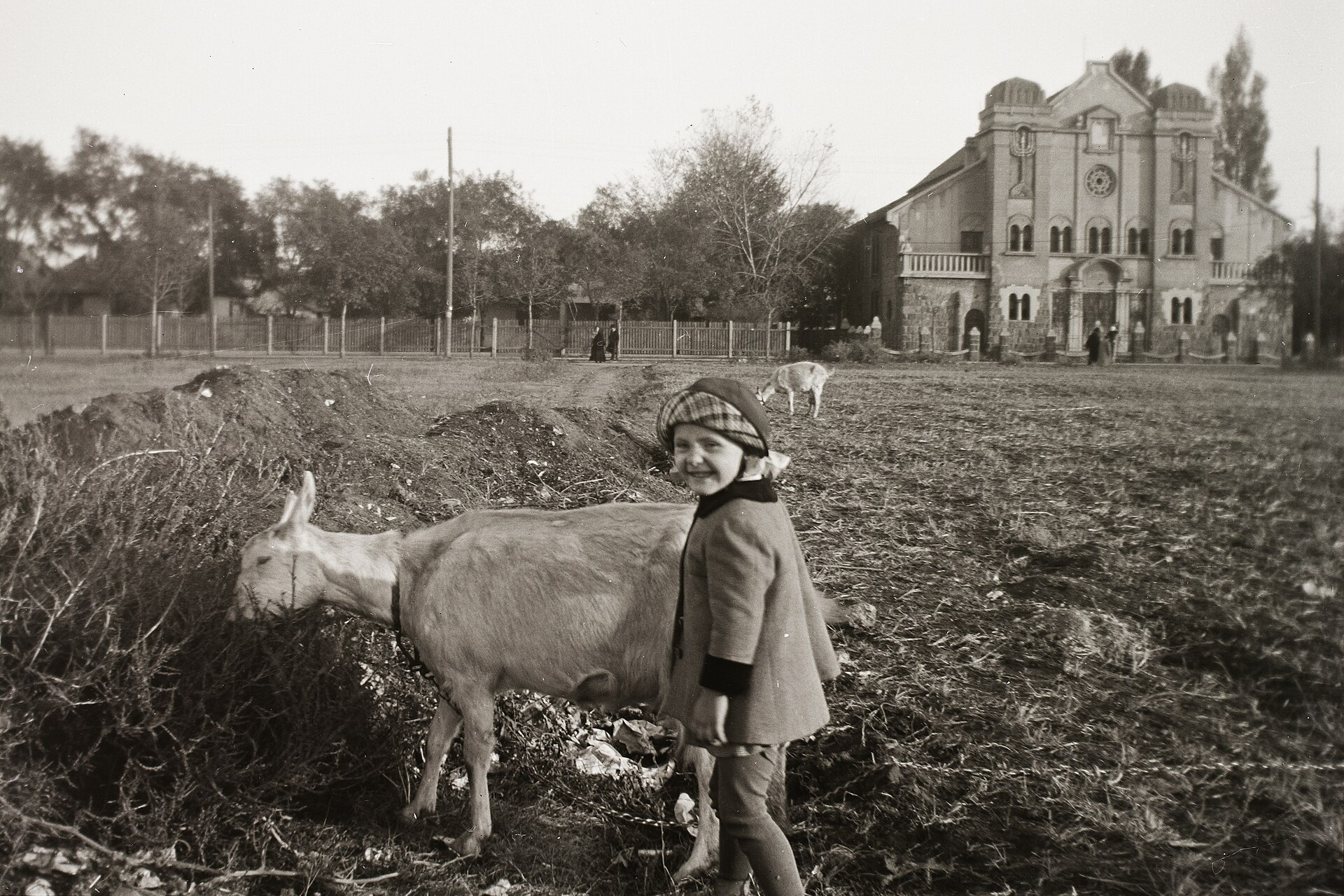
Technology also played a part in bringing the synagogue back to life, with AI used to analyse an old, faded photograph and help reconstruct details that had disappeared or been changed over the decades.
Köves said the project represented more than the restoration of a historic building.
“I saw how deeply moving it was for Jews,” he said. “It is not only that you are restoring the place. There is a feeling that something broken has been repaired.”
The Rákospalota synagogue is the sixth building to have been reclaimed by EMIH, with another three currently going through similar processes.
Köves said Budapest still had around 15 to 20 traditional synagogue buildings which were nationalised after the Holocaust and wanted to see more returned to Jewish use.
“I think it is a disgrace that there is a city with 100,000 Jews, and today there are synagogues being used for other purposes,” he said.
The reopening came during EMIH’s “Synagogue Week”, celebrating the revival of Jewish life in Hungary.
Köves said interest in Jewish identity, community and tradition had grown in recent years, including among people who were not strictly religious.
Despite concerns over a rise in street-level antisemitic incidents, he said Budapest remained a city where observant Jews could openly display their faith.
“Jews can still walk safely in Budapest while visibly religious,” he said. “Personal security here remains very strong.”

Keep community journalism free.
Jewish News is free for everyone. No paywall. No barriers. Just trusted journalism for anyone who wants to stay connected to Jewish life in Britain.
If you value that, please support us.
From as little as £5 a month, you can help keep our journalism free and accessible to all.
Every day, we report on the issues that matter to our community. We celebrate achievements, support charities, challenge antisemitism and ensure Jewish voices are heard more widely.
From as little as £5 a month, you can help us continue to:
- Report on the stories shaping Jewish life in the UK and beyond
- Bring our community together through shared stories, events and campaigns
- Celebrate the people, culture and moments that define our community
- Support organisations doing vital work across Jewish Britain
You can make a one-off donation or become a regular supporter. Every contribution helps keep our journalism free, independent and accessible to all.
If everyone who values Jewish News gave a small amount, it would make a real difference to our future.